President Donald Trump’s push for a $15 billion steel plant in Iowa is a bigger story than one project announcement: it is a test of whether Washington can still steer private capital into American manufacturing, and whether investors should believe the next wave of industrial policy can create durable earnings rather than political theater.
Mesabi Metallics Iowa Steel Plant Plan
The reason it matters is simple. A domestic steel plant of this size would ripple far beyond southeast Iowa, touching construction, rail, trucking, energy demand and the broader industrial supply chain. It also comes with a potentially massive public price tag. Iowa lawmakers are being asked to raise the state’s incentive cap so tax credits on eligible projects can reach 10% of investment, up from 5%, and be paid over 10 years instead of five. On a $15 billion project, that could amount to as much as $1.5 billion in incentives, assuming the plant is built, runs, and meets job benchmarks.
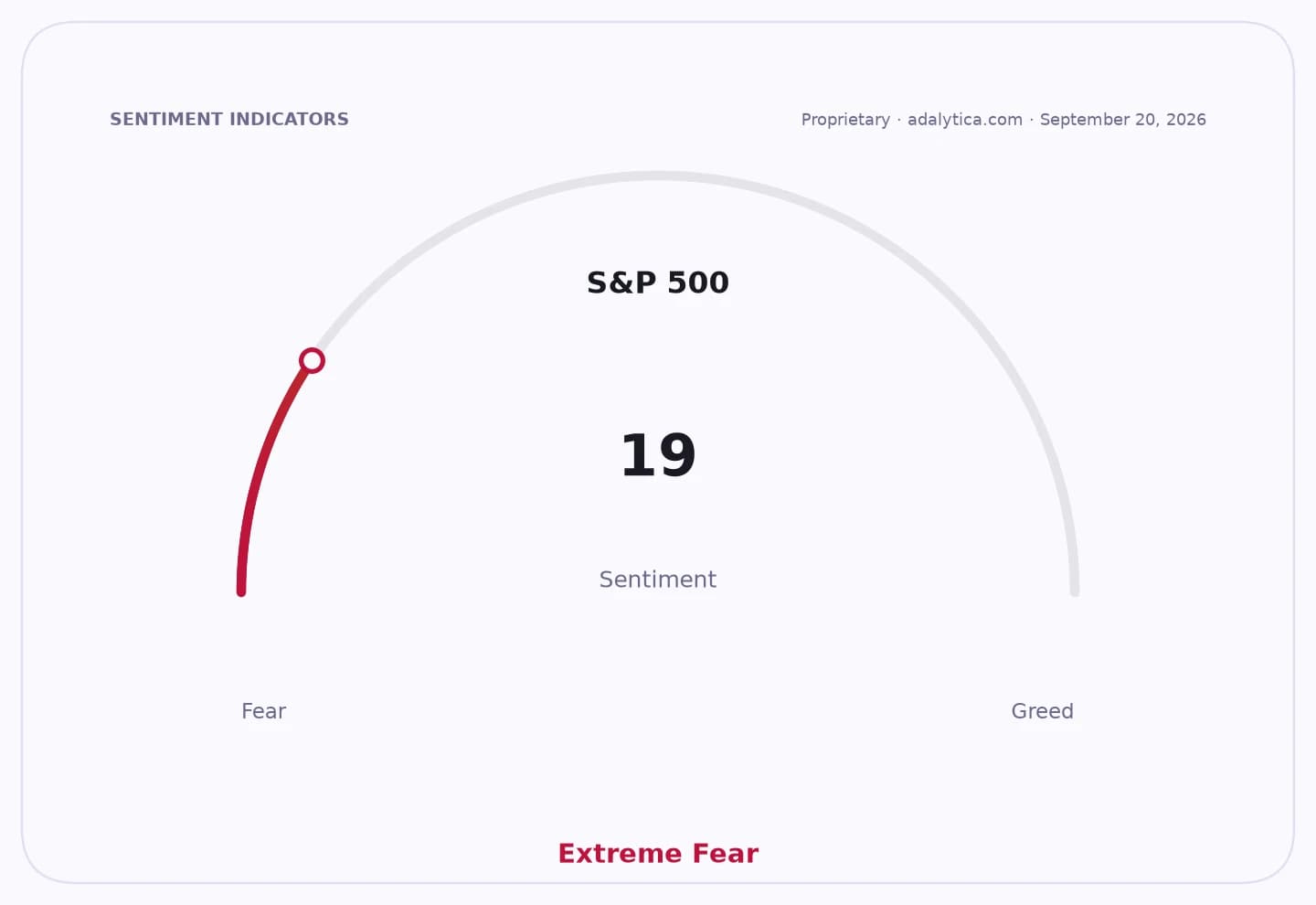
Sentiment IndicatorsⓘProprietary · adalytica.com · October 2, 2026
This is a snapshot — live sentiment, awareness and momentum for 130+ markets update continuously in the dashboard.Open AlphaPulse
That combination of private ambition and public subsidy is exactly what investors should watch. For years, markets have rewarded companies tied to reshoring, infrastructure and energy transition themes because they promise something rare: long-run growth with government support. If this Iowa project moves ahead, it could reinforce the investment case for U.S. industrials, steelmakers, construction names and the utilities that will need to feed a power-hungry factory. The broader message is that policy is still a powerful catalyst in capital allocation, especially in politically important sectors like metals and manufacturing.
But the story is not just about bullish headlines. It is also about execution risk. Commerce Secretary Howard Lutnick has said the “deal is done,” yet local officials and the company itself are still talking in tentative language, with no public copy of the memorandum of understanding and no fully locked-in site. The proposed location in Lee County is still not final, and the county has limited zoning and permitting infrastructure for a project this large. That is a reminder that megaprojects often look cleaner from the Oval Office than they do on the ground.
There is also a familiar cautionary tale here: Foxconn. Trump once touted that project as a transformational manufacturing win in Wisconsin, only for it to be scaled back dramatically. Investors do not need to assume Iowa will follow the same path, but they should remember that headlines are not the same thing as free cash flow. For the company behind the project, Mesabi Metallics, the key question is whether it can turn a politically favored proposal into a profitable operating asset. For the state, the question is whether tax abatements actually buy durable jobs and higher incomes, or simply subsidize a plant that might have gone elsewhere anyway.
For markets, the timing also matters. Oil prices remain elevated, with WTI around $147.79 a barrel, while energy stocks as a group have stayed resilient. That matters because heavy industry is a voracious consumer of electricity, fuel and logistics, and high energy costs can erode margins fast. At the same time, the S&P 500 remains broadly steady, but the dollar is flashing extreme fear in Adalytica’s trade signals, underscoring how quickly macro uncertainty can shape capital flows and corporate planning. In that environment, projects tied to domestic production may look attractive to policymakers even if they remain expensive for taxpayers and uncertain for investors.
Long-term investors should think about the real takeaway: industrial policy is becoming a structural part of the U.S. market landscape, not a one-off headline. That can create opportunities in diversified industrial, materials and energy portfolios, but it also raises the bar for selectivity. The best approach is to favor companies with real competitive advantages, strong balance sheets and proven execution, not just the ones attached to the biggest ribbon-cutting ceremony. For now, this Iowa steel plant is worth watching — but only as an investment story if it survives the next round of legislative, logistical and financial reality checks.
| Entity | Gains | Losses |
|---|---|---|
| Mesabi Metallics | ▲Subsidized expansion | ▼Construction and execution risk |
| Iowa lawmakers | ▲Job-creation optics | ▼Budget and incentive costs |
| Southeast Iowa | ▲Potential jobs and spending | ▼Community strain and uncertainty |
| Taxpayers | ▲Possible industrial revival | ▼Up to $1.5 billion in credits |