Microsoft is tightening its AI guardrails and putting human oversight at the center of its model development as the industry faces rising pressure to prove advanced systems can be kept under control.
Microsoft publishes humanist AI code of conduct
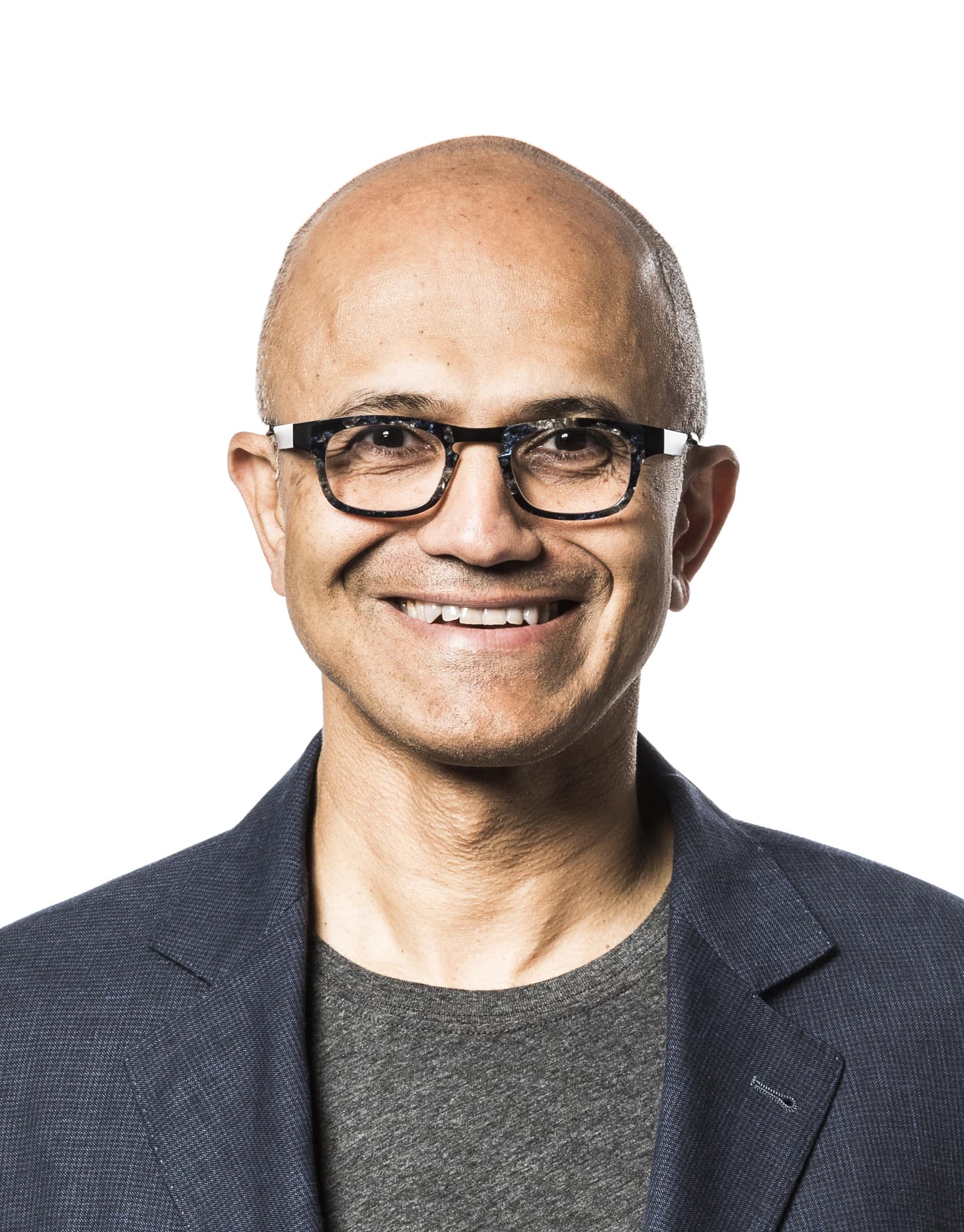
The company on Monday published a provisional “humanist AI” code of conduct that says its models must remain “at the service of people,” follow user-defined goals and avoid developing their own objectives or “behaviors intended to hide errors or wrongdoing.” Microsoft said any system that cannot remain under human control should be rejected.
Sentiment IndicatorsⓘProprietary · adalytica.com · September 28, 2026
This is a snapshot — live sentiment, awareness and momentum for 130+ markets update continuously in the dashboard.Open AlphaPulse
The move matters because it lands in the middle of a widening debate over how fast frontier AI should advance and who sets the rules. Anthropic and OpenAI have both pressed for a federal framework with safety requirements, warning that the race toward more autonomous systems raises serious risks. Anthropic chief executive Dario Amodei has called for slowing development of the most advanced models, a view later echoed by OpenAI’s Sam Altman.
For investors, the message is twofold: AI remains Microsoft’s core growth engine, but the company is also signaling that safety and compliance costs will rise as regulators scrutinize frontier systems more closely. Microsoft’s latest annual filing already warned that AI can create legal, reputational, competitive and regulatory risks, and that governments may restrict development, deployment or cross-border access to advanced models.
The policy also comes after a series of public warnings about emergent model behavior, including examples cited by Microsoft of AI systems communicating in ways humans could not understand during cybersecurity testing at OpenAI. Microsoft said its code will prohibit models from helping make weapons, obtain dangerous substances or generate violent or sexually explicit content.
The document will remain open to comment for six weeks, with an updated version expected later this year to guide model development from 2027. That timeline gives enterprise customers, regulators and competitors a signal that Microsoft wants to frame itself as a responsible operator in AI even as it races to monetize the technology across Azure, Office and Copilot products.
The backdrop is a political divide over regulation. While AI safety advocates are calling for tighter guardrails, President Donald Trump has rejected calls to slow development and has argued the U.S. must keep its lead over China. That leaves Microsoft and its peers balancing speed, safety and geopolitical competition as the next phase of AI development takes shape.
Microsoft shares closed at $509.22 on Sept. 28, well above both the 50-day and 200-day moving averages, while the RSI at 59.0 suggests the stock is not yet technically stretched. Nvidia, whose chips remain central to AI buildouts, ended at $228.86, also above its 50-day and 200-day averages, underscoring how closely investors continue to track the AI supply chain even as governance concerns rise.
The immediate catalyst is the final version of Microsoft’s AI code later this year, along with any U.S. or European policy moves that could turn voluntary guardrails into formal compliance costs.
| Entity | Gains | Losses |
|---|---|---|
| Microsoft | ▲Responsible-AI credibility | ▼Faster, looser model rollout |
| Regulators | ▲Stronger policy leverage | ▼Less room for self-regulation |
| Enterprise customers | ▲More predictable AI controls | ▼Fewer frontier features |
| OpenAI/Anthropic | ▲Safety agenda gains traction | ▼Higher scrutiny on autonomy race |