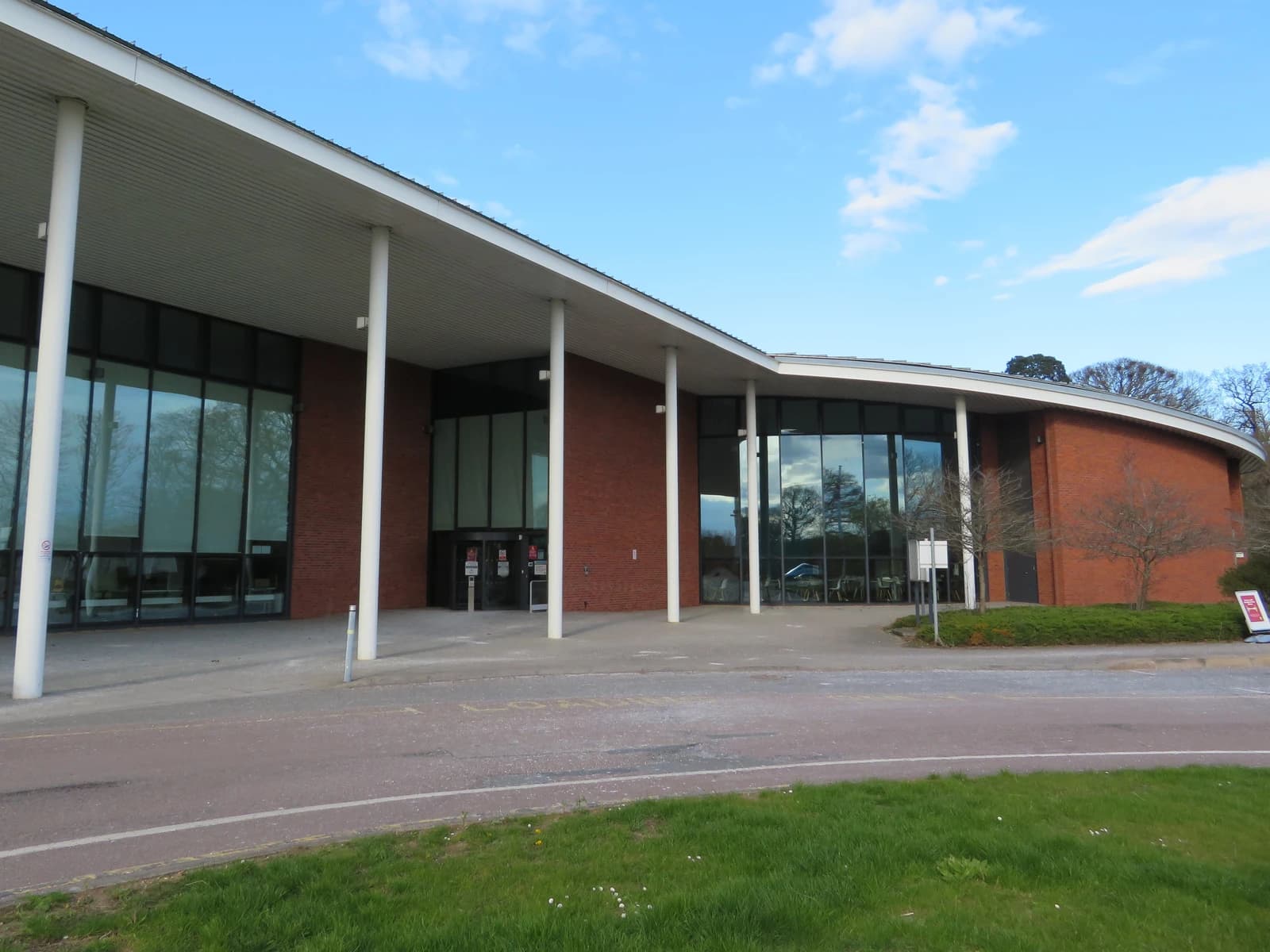
Minnesota’s ranking as the fifth-best state for business in CNBC’s 2026 list gives the state a stronger pitch for capital at a time when companies are becoming more selective about where they expand, hire and build.
Minnesota Ranking Boosts Investment Pitch Amid Cost Risks

The ranking matters because business-location decisions are increasingly being shaped by a harder mix of labor availability, infrastructure quality, tax burden, energy reliability and climate resilience. A top-five showing signals that Minnesota remains competitive in that national contest, even as companies across the U.S. face higher operating costs and tighter margins.

For Minnesota, the economic stakes are straightforward: rankings like CNBC’s can influence corporate site searches, real estate demand, construction pipelines and state-level tax receipts. They do not guarantee investment, but they help put a state on the short list when executives compare where to place factories, offices, data centers or logistics hubs.
The backdrop is not uniformly benign. The state’s business climate is improving in areas such as road construction, according to the supplied context, suggesting some support from infrastructure activity. But the broader operating environment remains pressured by costs, taxes and the need to invest in resilience. A proprietary Adalytica.com sentiment reading of 0.10 points to only mildly positive business-climate momentum rather than a boom.

That nuance is important for investors. A high CNBC ranking may support interest in Minnesota-linked municipal bonds, regional banks, industrial property, construction firms and utilities, all of which benefit when business formation and capital spending hold up. But cost-sensitive employers will still weigh whether the state’s workforce and infrastructure advantages offset expenses tied to taxes, wages, energy and compliance.
The story also fits a wider economic divide. States that can offer skilled workers, dependable roads and credible long-term planning are better positioned as companies rethink supply chains and domestic investment. States that rely only on tax breaks or special zones are more exposed if costs rise. The context’s example of a technology company leaving free zones because high costs outweighed incentives underscores that subsidies alone are no longer enough.
Climate risk is becoming part of that same calculation. Europe’s worsening heatwaves may seem distant from Minnesota’s CNBC ranking, but extreme weather is now a business input: it affects insurance, power demand, worker safety, transport networks and public budgets. For a northern state, relative climate resilience can be an advantage, but only if infrastructure keeps pace with more volatile weather patterns.
Minnesota’s top-five position therefore tells a more complicated story than a simple victory lap. It strengthens the state’s brand in the competition for investment, while also highlighting the challenge facing policymakers: keeping the advantages that attract employers without letting costs erode the case for doing business there.
| Entity | Gains | Losses |
|---|---|---|
| Minnesota recruiters | ▲Stronger pitch to employers | ▼Less room for complacency |
| Investors in local growth | ▲Better expansion narrative | ▼Higher cost risk |
| Infrastructure and construction firms | ▲More project momentum | ▼Margin pressure |
| Cost-sensitive companies | ▲Access to skilled markets | ▼Fewer cheap-location benefits |