Mitsui Fudosan has broken ground on a £1.1 billion redevelopment next to the British Library, its biggest real-estate investment in Europe and a long-term bet that London’s knowledge economy can keep attracting capital even in a higher-rate world.
Mitsui Fudosan Starts £1.1B British Library Project
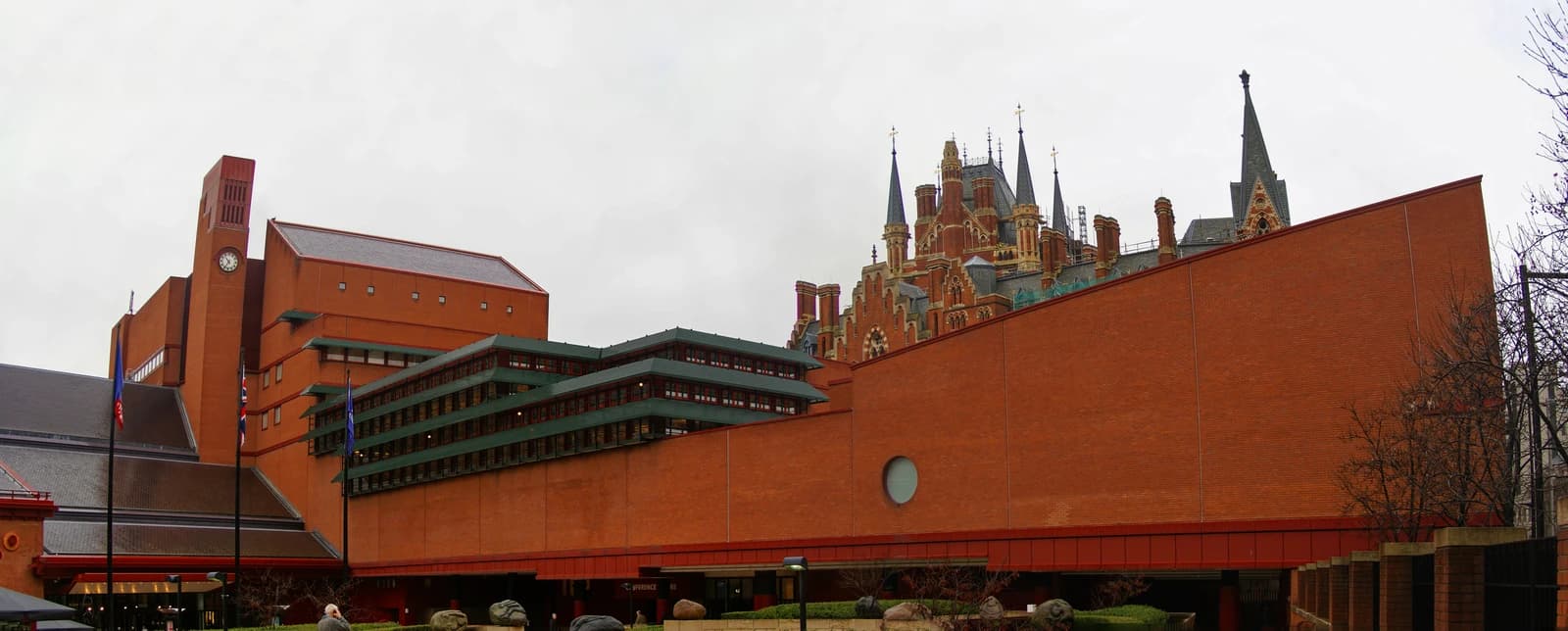
That matters because this is not just another office project. Mitsui is committing about 230 billion yen to a 160-year lease on land beside one of the world’s best-known cultural institutions, with completion targeted for 2032. The plan calls for an 11-story building with office, research and retail space, and the developer expects life-science groups — from global pharmaceutical companies to startups — to take space there.
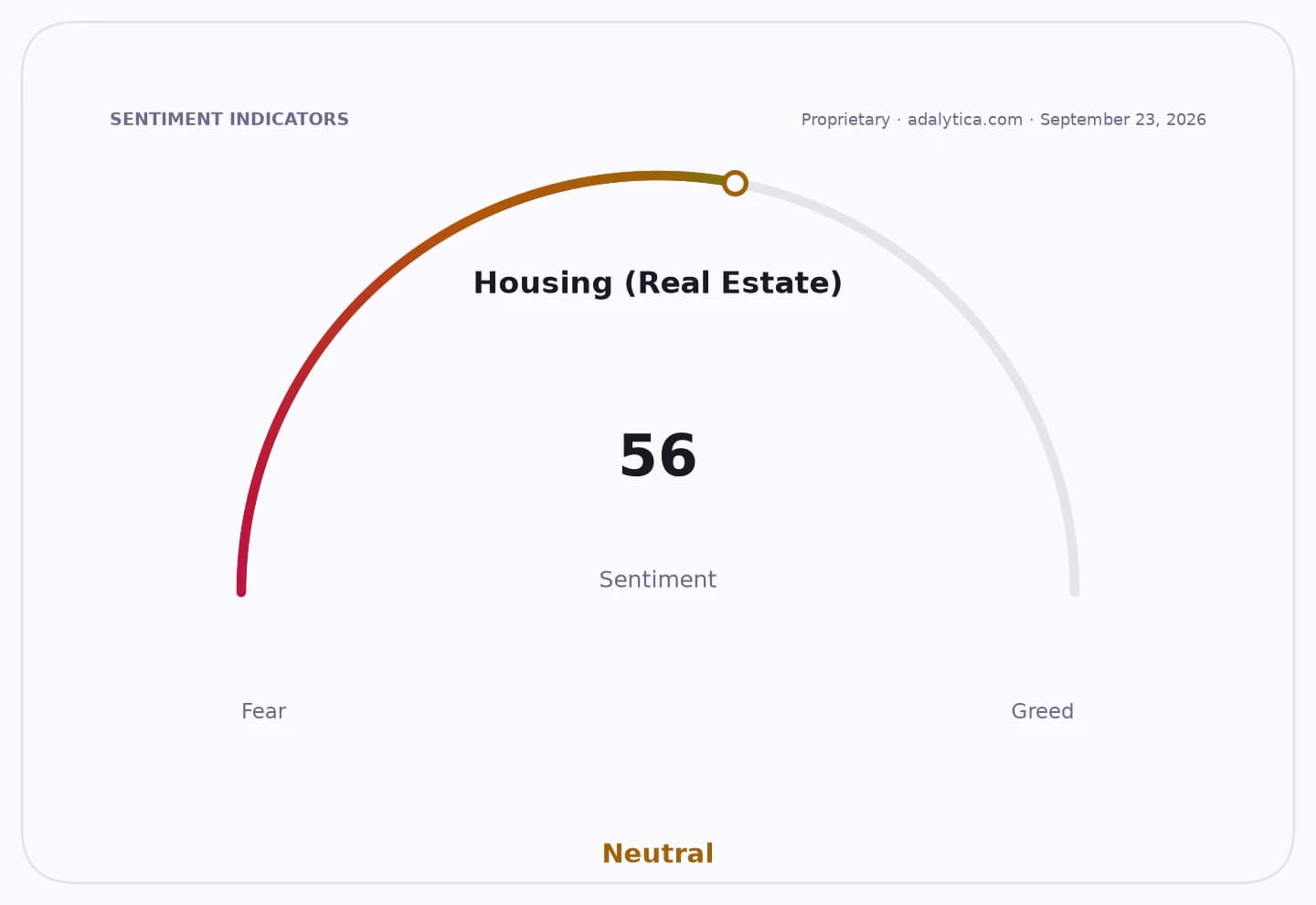
Sentiment IndicatorsⓘProprietary · adalytica.com · September 25, 2026
This is a snapshot — live sentiment, awareness and momentum for 130+ markets update continuously in the dashboard.Open AlphaPulse
For investors, the story is about where the durable money in property is going. Traditional office demand is still under pressure in many cities, but districts that combine transport links, research clusters and premium tenants are becoming the place to put capital for the next decade, not the last one. The British Library site sits next to a major international rail hub and near an emerging concentration of life sciences and technology firms, which gives the project a clearer tenant story than a generic downtown tower.
Mitsui’s move also underscores how Japanese developers are using their balance sheets abroad. Large domestic real-estate groups have been searching for higher-return projects outside Japan’s low-growth market, and London remains attractive because it offers liquidity, global tenants and deep institutional demand. By setting a record for Japanese real-estate investment in Europe, Mitsui is signaling that it sees more than prestige here: it sees an asset that can compound over time if the surrounding ecosystem keeps expanding.
There is risk, of course. A 2032 completion date is a long wait, financing costs can still shift, and office demand in Europe is far from uniform. But long-horizon investors should focus on the bigger picture: assets anchored to research, innovation and transport tend to age better than ordinary commercial property. If the life-science cluster around King’s Cross keeps strengthening, Mitsui’s project could become exactly the kind of scarce, high-quality urban asset that institutions pay up for in the future.
For shareholders and long-term property investors, the takeaway is simple: this is a buy-and-hold style development story, not a quick trade. The winners are likely to be landlords with patience, strong capital, and exposure to cities where culture, science and connectivity meet. Mitsui Fudosan just placed a very large bet that London still belongs in that category.
| Entity | Gains | Losses |
|---|---|---|
| Mitsui Fudosan | ▲European foothold, long-duration asset | ▼Capital tied up for years |
| British Library district | ▲New investment, modern infrastructure | ▼Construction disruption |
| Life-science tenants | ▲Premium lab/office options | ▼Higher rent competition |
| Traditional office landlords | ▲Rising benchmark asset quality | ▼Pressure from prime redevelopment |