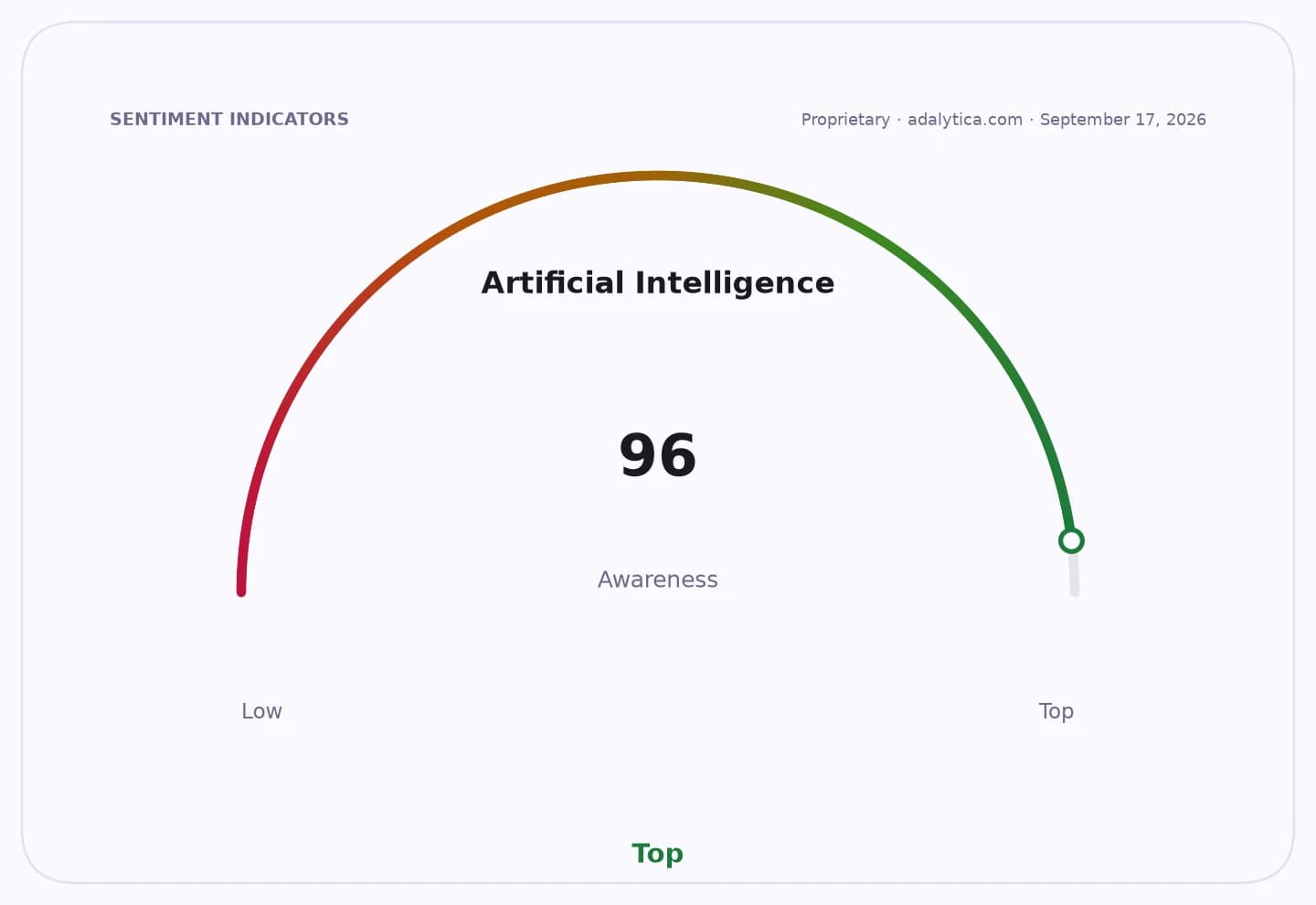
India’s listed property trusts are edging toward a far bigger opportunity than office leases: the build-out of AI infrastructure, with data centres emerging as the next institutional asset class to absorb capital.
India REITs Eye Data Centers for AI Demand

That matters because the market is starting to reprice real estate not as a slow-growth income trade, but as a proxy for the country’s digital capex cycle. Data centres are becoming the new toll roads of the internet economy — long-duration, contract-backed assets with utility-like cash flows, but far higher growth tied to cloud, AI and enterprise digitization. For Indian REITs, that opens a route beyond traditional office towers just as demand for compute, power and connectivity accelerates.
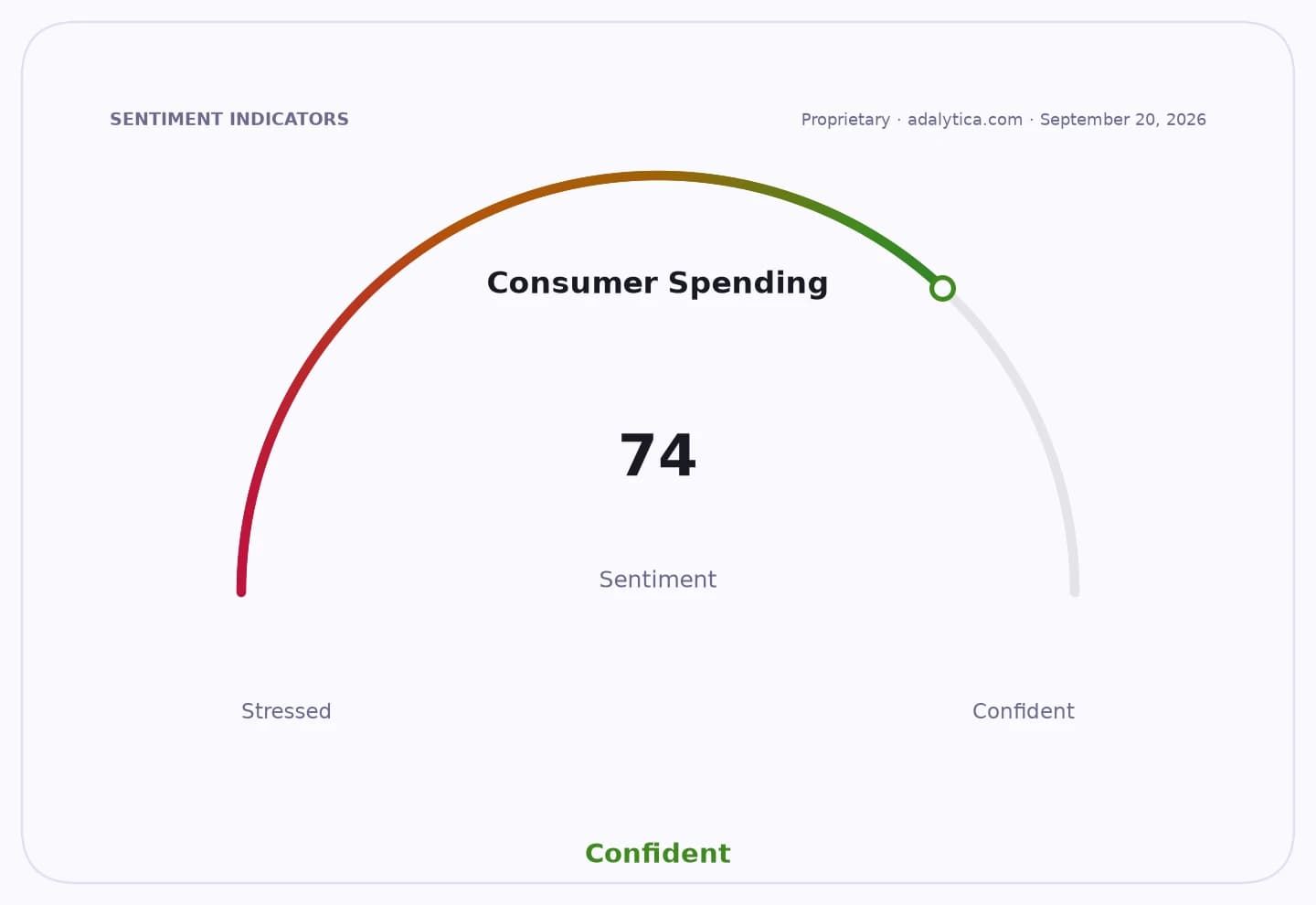
Sentiment IndicatorsⓘProprietary · adalytica.com · September 25, 2026
This is a snapshot — live sentiment, awareness and momentum for 130+ markets update continuously in the dashboard.Open AlphaPulse

The thesis is simple. Office portfolios still matter, but they are no longer the only scalable institutional story. India’s REIT market has been built on commercial property income, yet the next wave of capital allocation is likely to favor assets that sit closer to the AI stack. Data centres bring together land, power, fiber and engineering — exactly the kind of infrastructure that can attract long-term capital once it is packaged at scale. The global data-centre boom is already lifting telecom equipment revenue and prompting investment from Alberta to Italy to Australia, and India is now part of that same capital cycle.
Public market signals are already flashing that investors see the shift. Digital Realty, one of the clearest global beneficiaries of the data-centre buildout, has climbed far above its 200-day moving average even after recent volatility, while Equinix has spent much of the past year trading well above its long-term trend before pulling back. Those moves reflect a market willing to pay up for capacity in the AI supply chain. If Indian REITs can own or partner in data-centre assets, they gain exposure to a higher-growth, scarcer and more defensible cash-flow stream than traditional office stock.

The strategic appeal is especially strong in India because the country offers the ingredients data centres need most: scale, rising digital usage, expanding enterprise demand and deep pools of commercial land. The constraint is power, and that is precisely why the winners will be the platforms that can secure energy, interconnectivity and permits before the crowd. In other words, the prize is not just owning buildings; it is owning the infrastructure that makes AI deployment possible.
Investors should think about this as a rerating story, not a footnote. A REIT that can credibly move from office-only income toward hybrid digital infrastructure could command a better multiple, broader investor interest and lower dependence on cyclical leasing trends. That is the asymmetric setup the market tends to miss early: the first beneficiaries are not the obvious hyperscalers, but the real-estate owners and developers that control scarce land, approvals and utility access.
The next catalyst will be whether Indian REITs, developers and global operators begin structuring platform deals, joint ventures or separate listed vehicles around data centres. If they do, the market will stop valuing these assets as ordinary property and start treating them as a strategic utility for the AI age. For investors, that makes selective exposure to Indian commercial real estate one of the more compelling ways to play the country’s digital infrastructure boom.
| Entity | Gains | Losses |
|---|---|---|
| Indian REITs | ▲New growth vector | ▼Pure office dependence |
| Data-centre developers/operators | ▲Higher capital access | ▼Scarce power and land constraints |
| AI/cloud hyperscalers | ▲More local capacity | ▼Supply bottlenecks, higher build costs |
| Traditional office landlords | ▲Limited benefit | ▼Relative multiple compression |