July 6, 2026 — Moderna has begun discussions to build a vaccine manufacturing facility in Poland, a move that would deepen its European footprint as governments seek more secure regional supplies of mRNA shots and the company tries to convert pipeline approvals into renewed sales growth.
Moderna Weighs Poland Plant Amid EU Vaccine Push
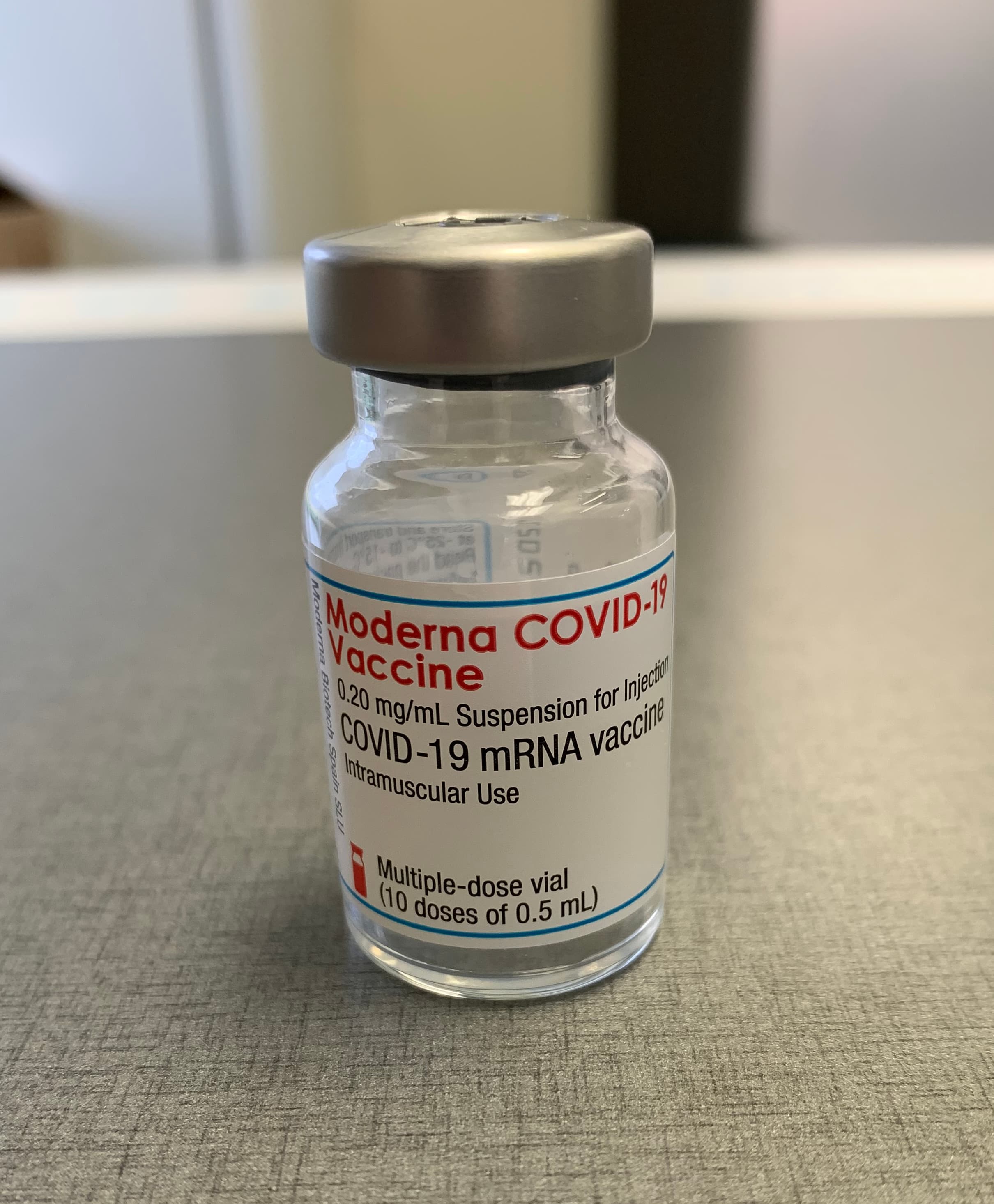
The talks matter because vaccine manufacturing has become an industrial-policy issue in Europe, not just a public-health function. A Polish site would give Moderna a lower-cost production base inside the European Union, closer to Central and Eastern European markets and to governments still reassessing pandemic-era dependence on distant supply chains.
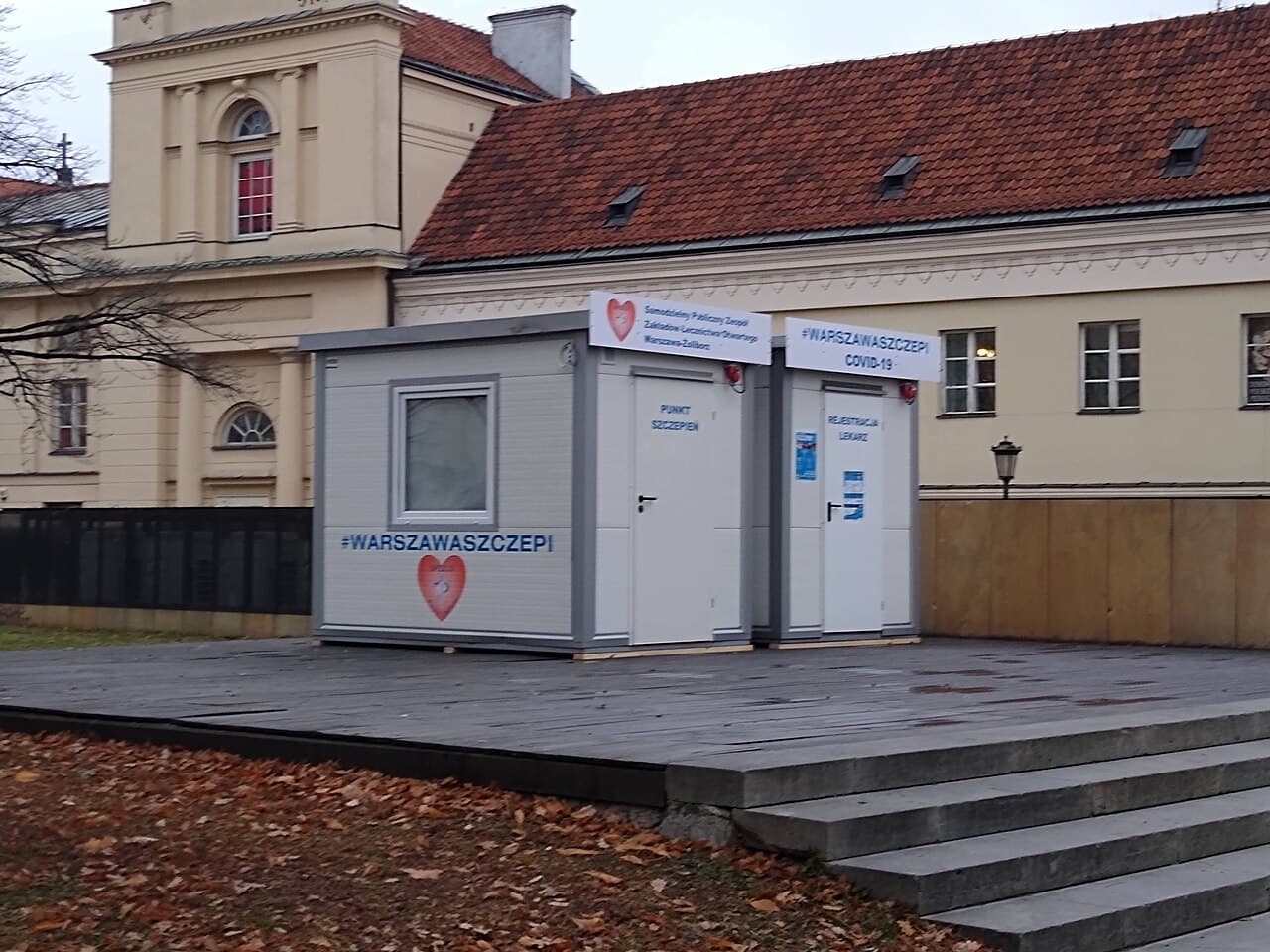
For Moderna, best known for its mRNA COVID-19 vaccine, the potential investment comes at a critical point. The company said in a May 1 filing that it expects a return to sales growth in 2026 and is building a pipeline across infectious disease vaccines and oncology therapies. It also disclosed that the European Commission granted marketing authorization in April for mCOMBRIAX, its mRNA combination vaccine for influenza and COVID-19 in people aged 50 and older.
A Polish facility could support that commercial push by adding capacity in a region where governments are focused on preparedness, seasonal vaccination and rapid response capability. It could also strengthen Moderna’s case in European procurement talks, where local manufacturing, supply resilience and technology transfer have become more important since COVID-19 exposed bottlenecks in global pharmaceutical logistics.
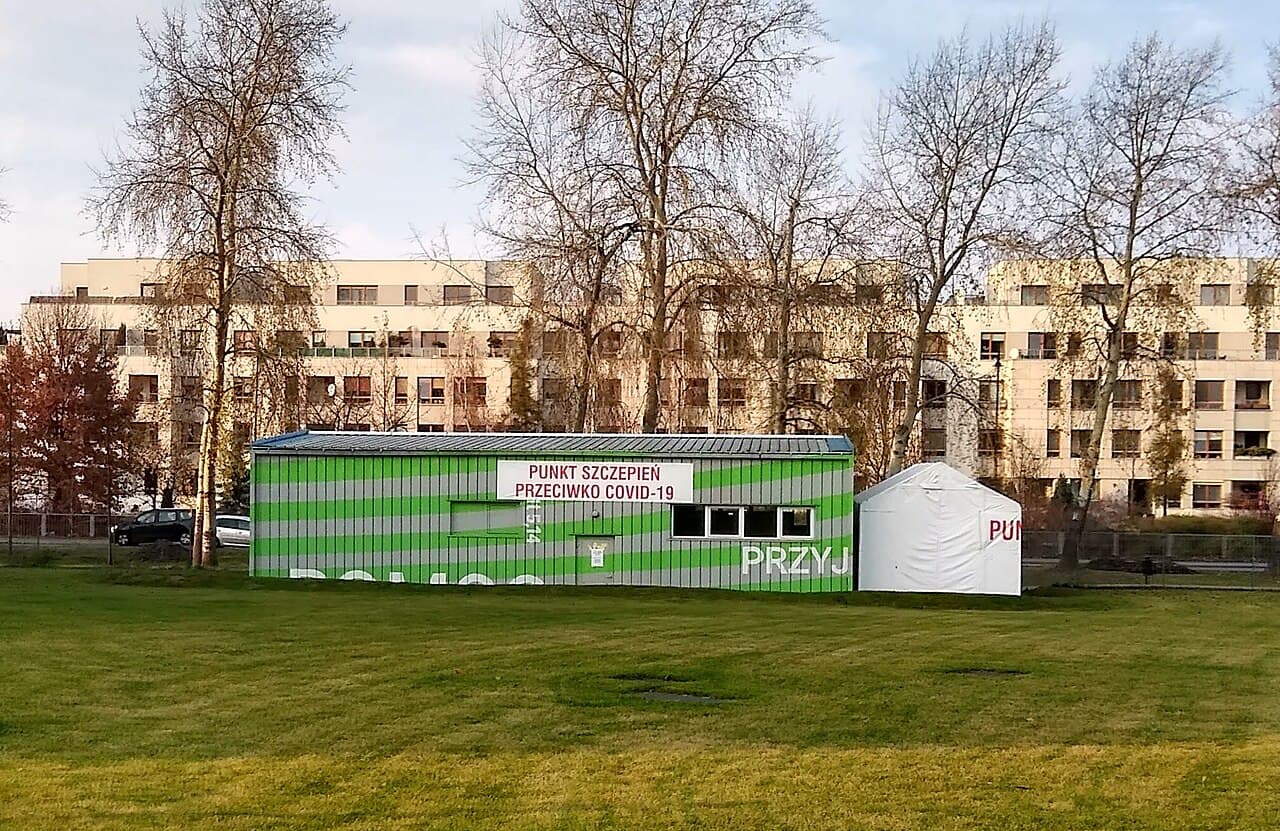
Investors have already been repricing Moderna’s prospects. The shares closed at $79.76 on July 2, up about 73% from $45.99 on June 10 and well above the 50-day and 200-day moving averages, according to market data. Conventional technical indicators also show the rally has been stretched, with the 14-day RSI at 86 on July 2, a level traders often view as overbought.
The market reaction underscores the stakes. Moderna’s valuation has been highly sensitive to evidence that it can move beyond the post-pandemic decline in COVID vaccine demand. European manufacturing would not by itself solve that problem, but it would signal confidence that the company sees enough future demand in combination vaccines and other mRNA products to justify more regional capacity.
Poland also stands to gain. A Moderna plant would bring advanced biomanufacturing investment into an economy already trying to move up the industrial value chain, while giving Warsaw a stronger role in Europe’s health-security architecture. For the EU, the project would fit a broader push to anchor strategic medical production inside the bloc.
The main unanswered questions are financial: whether Poland or EU institutions offer incentives, how much capacity Moderna would commit, and whether European vaccine orders are large enough to support another facility. Those terms will determine whether the talks become a strategic manufacturing foothold or remain an option on future demand.
| Entity | Gains | Losses |
|---|---|---|
| Moderna | ▲EU capacity and procurement leverage | ▼Higher capex risk |
| Poland | ▲Biomanufacturing investment | ▼Incentive burden |
| EU health systems | ▲More regional vaccine supply | ▼Potential higher procurement costs |
| Rival vaccine makers | ▲Little advantage | ▼Stronger Moderna footprint |