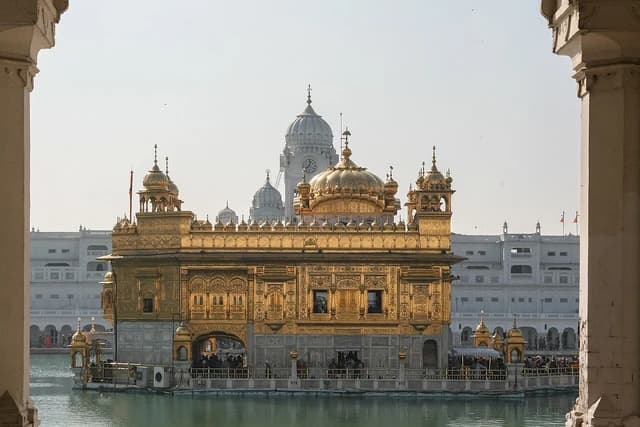
Prime Minister Narendra Modi is using approval for the Golden Temple to receive foreign donations as a political and diplomatic signal to Sikh communities abroad, folding a sensitive religious issue into India’s broader push to mobilize diaspora capital and influence.
Modi Uses Golden Temple Nod for Diaspora Outreach
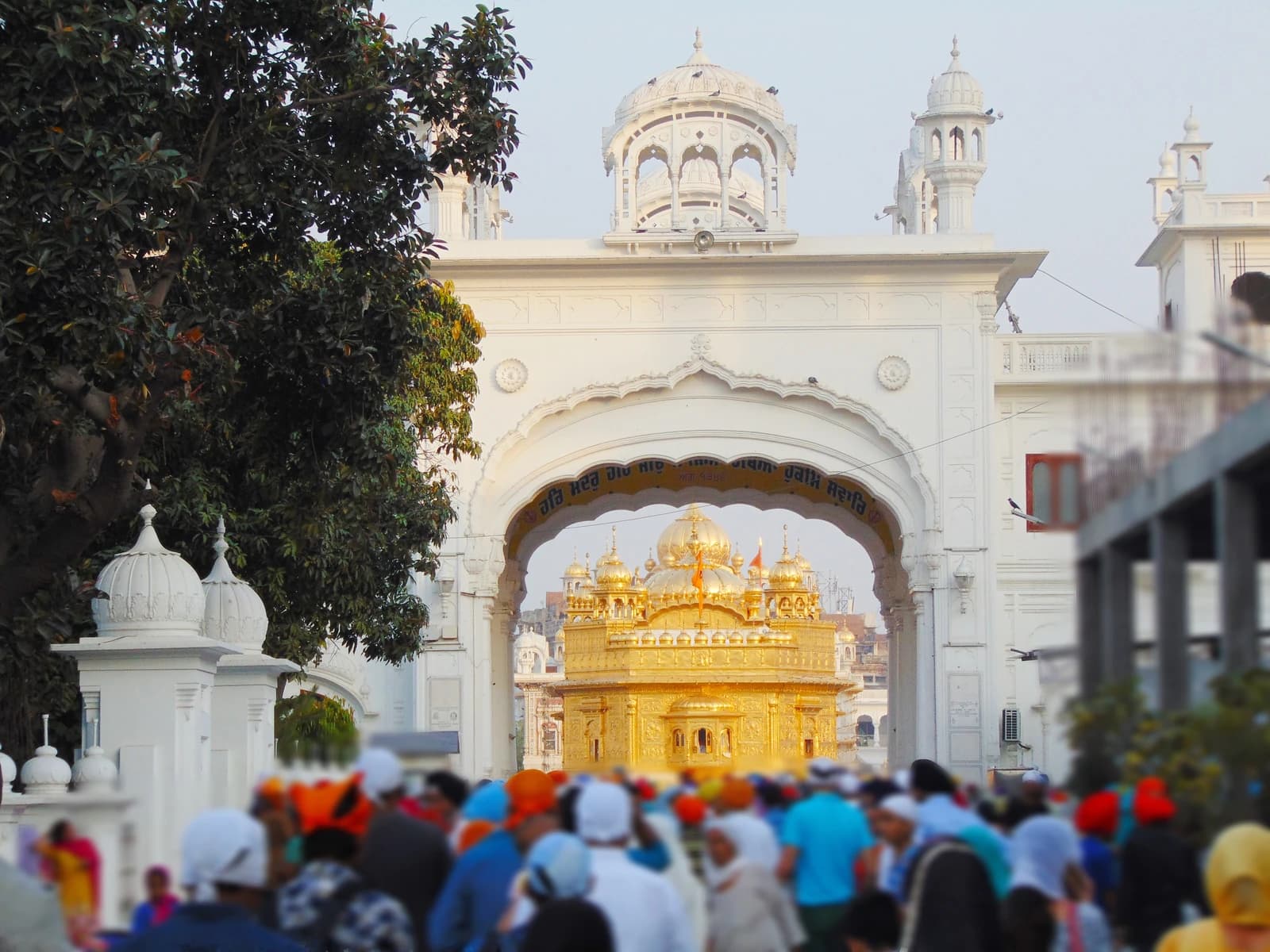
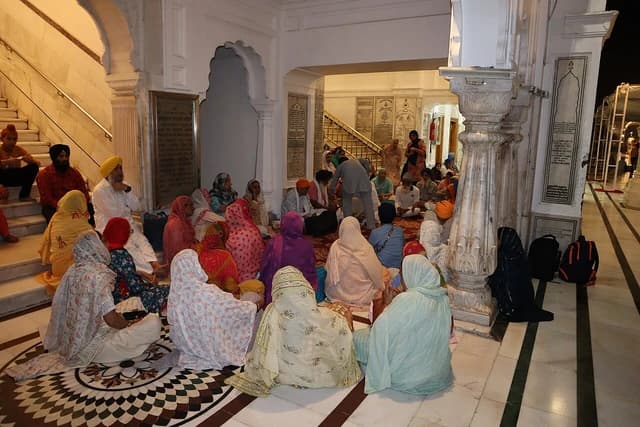
The Foreign Contribution Regulation Act nod for Sri Harmandir Sahib, the holiest Sikh shrine, matters beyond symbolism. It gives overseas Sikhs a regulated channel to donate to one of India’s most important religious institutions, while allowing New Delhi to present itself as responsive to diaspora concerns at a time when Sikh communities in Australia, Canada, the UK and the US have become increasingly visible in Indian foreign policy.
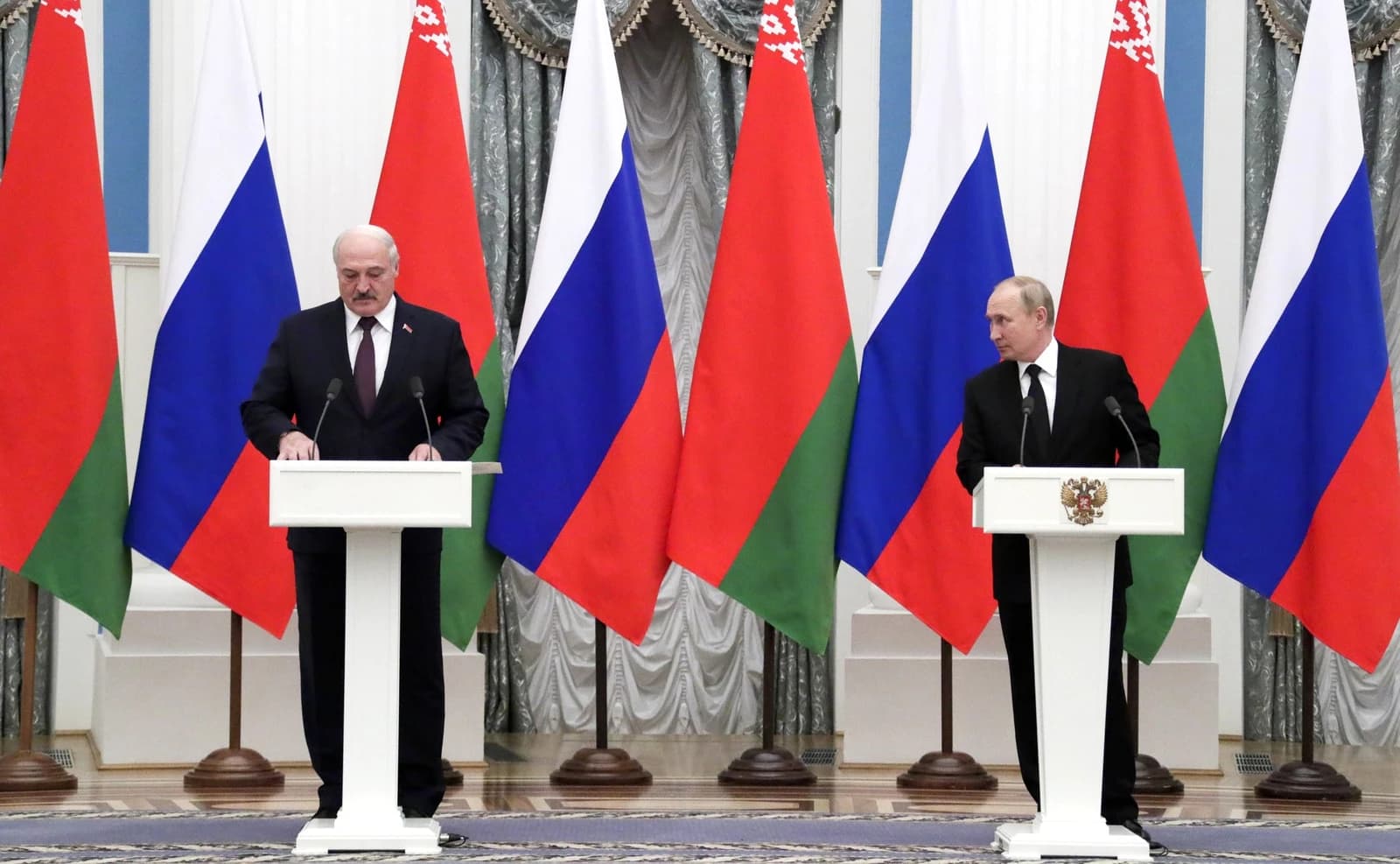
Modi highlighted the issue during his outreach to the Indian diaspora in Australia, where he received a high-profile welcome and spoke alongside Australian Prime Minister Anthony Albanese at the India-Australia CEO Forum. His message tied religious recognition to India’s economic rise, arguing that global trust in India is increasing and that overseas Indians are helping deepen bilateral ties.
The move sits at the intersection of domestic politics, soft power and capital flows. India is one of the world’s largest recipients of remittances, and diaspora networks are increasingly important to trade, investment, education and strategic partnerships. For New Delhi, courting overseas Sikhs through the Golden Temple approval helps reinforce links with a wealthy and politically active community while countering narratives that the government is inattentive to minority concerns.
It also comes against a more restrictive backdrop for foreign funding in India. The government has tightened scrutiny under the FCRA in recent years, cancelling or suspending licences for a range of non-governmental organisations. Against that background, approval for the Golden Temple stands out as a selective opening: foreign money remains tightly policed, but institutions with religious and political importance can still receive official access.
For investors, the significance is less about the shrine itself than about the diplomatic strategy it represents. Modi’s diaspora events are designed to support India’s pitch as a stable, high-growth market with deepening links to US allies and Indo-Pacific partners. Stronger India-Australia ties could matter for sectors including education, migration services, critical minerals, technology, defence and energy.
The Australia visit reinforces that strategy. Modi praised the diaspora’s contribution to both countries and called for deeper strategic cooperation amid global uncertainty. Proprietary indicators from Adalytica.com showed strongly positive sentiment around Sikh diaspora-related coverage, with a score of 0.85, underscoring the favourable tone surrounding the outreach.
The political risk is that diaspora engagement can cut both ways. Sikh communities overseas are not monolithic, and issues involving Punjab, religious identity and separatist activism have repeatedly spilled into India’s relations with Western governments. By foregrounding the Golden Temple FCRA approval, Modi is trying to shift the conversation toward inclusion, access and development rather than grievance.
New Delhi’s next test will be whether symbolic gestures translate into durable economic and diplomatic gains. If diaspora outreach helps deepen investment and strategic cooperation with countries such as Australia, it will strengthen India’s global positioning; if tensions with activist communities intensify, the same networks could become a source of diplomatic friction.
| Entity | Gains | Losses |
|---|---|---|
| Modi government | ▲Diaspora goodwill | ▼Critics of selective FCRA policy |
| Sikh diaspora donors | ▲Regulated donation channel | ▼Informal funding routes |
| India-Australia ties | ▲Stronger community bridge | ▼Diplomatic friction risks |
| Golden Temple administration | ▲Access to foreign contributions | ▼Funding uncertainty |