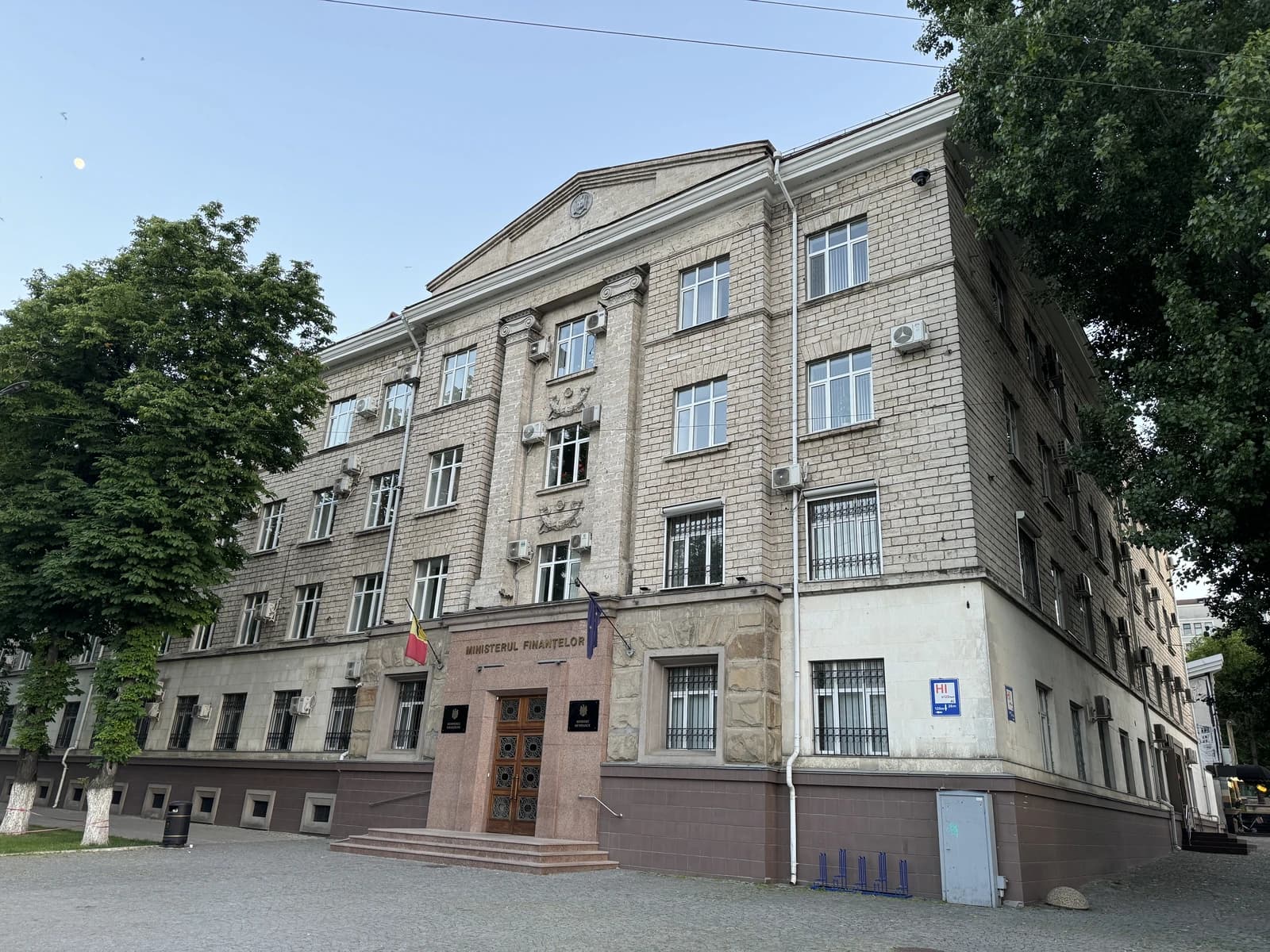
Moldova’s foreign-exchange reserves rose by almost 200 million euros in October, a reminder that external financing remains crucial to keeping the country financially stable as it navigates regional security pressure and a fragile economy.
Moldova Foreign-Exchange Reserves Rose in October
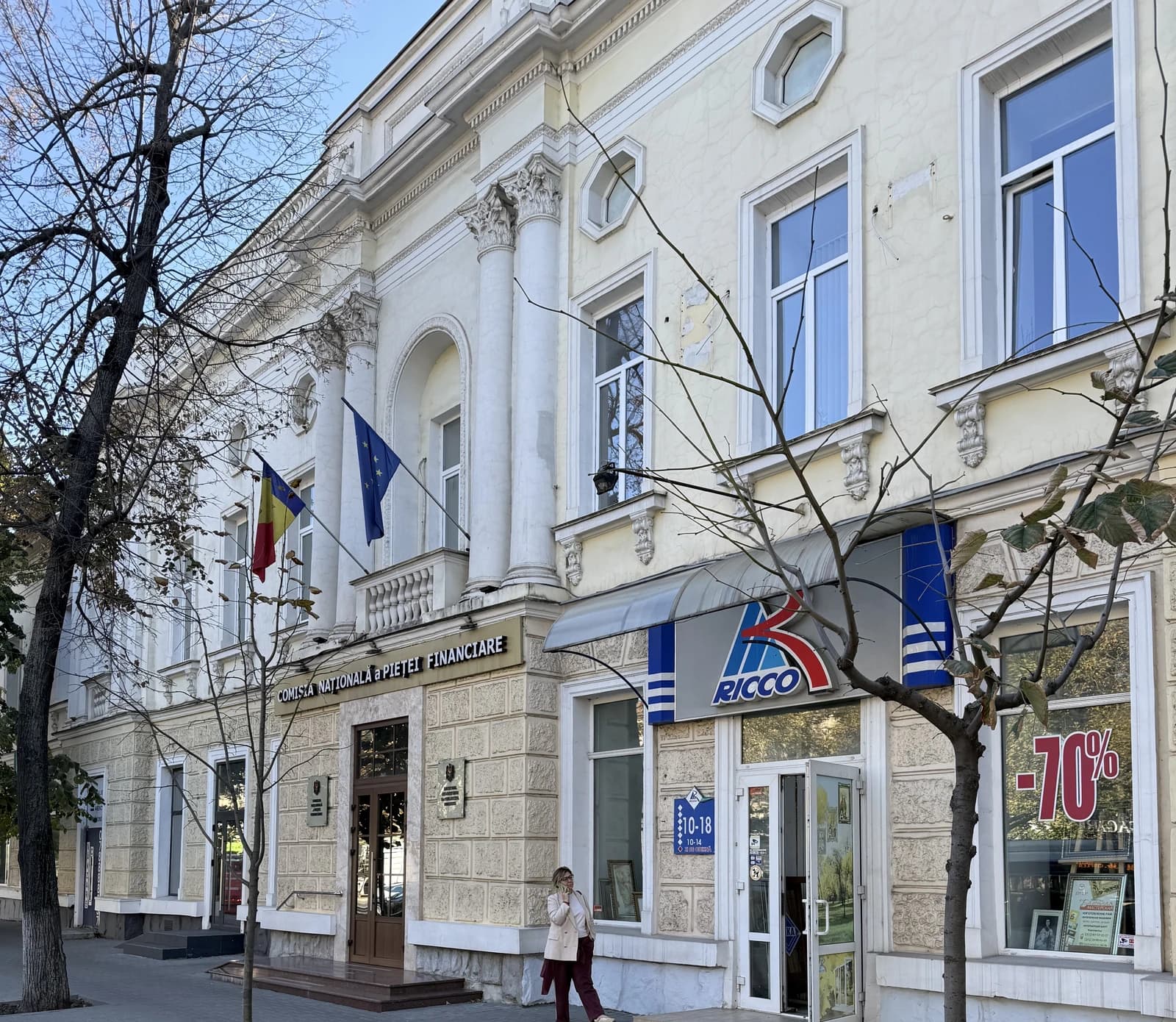
For investors and policymakers, the increase matters because reserves are the first line of defense for a small, import-dependent economy that sits close to the conflict in Ukraine and faces persistent political and security risks. A stronger reserve cushion helps Moldova support its currency, pay for imports and reassure lenders that the government can meet external obligations even if conditions deteriorate.
The increase was driven by foreign loans, underscoring how heavily Moldova still depends on official financing rather than domestic capital formation. That dependence is not unusual for a country of its size and exposure, but it does mean reserve gains can be temporary if new disbursements slow or if external financing becomes more expensive.
The broader story is one of resilience under pressure. Moldova has been tightening its legal and security frameworks while trying to bolster resistance to disinformation and other forms of hybrid pressure. In that environment, reserves are not just a balance-sheet statistic — they are a policy tool that buys time, credibility and room to maneuver.
For investors, the takeaway is straightforward: Moldova’s external position is improving for now, but it is still being supported by borrowed money. That makes the country’s financing relationships, reform progress and geopolitical stability the key variables to watch over the next few years. Long-term, a larger reserve buffer is constructive; the question is whether Moldova can turn that buffer into a more durable financial footing.
| Entity | Gains | Losses |
|---|---|---|
| Moldova government | ▲Larger reserve buffer | ▼Higher future debt dependence |
| Foreign lenders | ▲Greater policy influence | ▼Exposure to sovereign risk |
| Moldovan economy | ▲Short-term stability | ▼Ongoing reliance on external funding |
| Local currency and importers | ▲Better near-term support | ▼Vulnerability if inflows slow |