The European Union’s debt burden tied to financial support for Ukraine is set to top €200 billion, turning a wartime solidarity effort into a growing fiscal and market issue for Europe.
EU Ukraine aid debt may top 200 billion
That is the key investment takeaway from Welt am Sonntag’s report that Brussels may need to raise fresh borrowing for a new €46 billion aid package because the costs are not covered by proceeds from frozen Russian assets. The EU has already sent Ukraine about €166 billion, meaning the bloc is moving from emergency financing into a much larger, more persistent debt commitment that will increasingly compete with domestic spending priorities and test the political limits of member states.
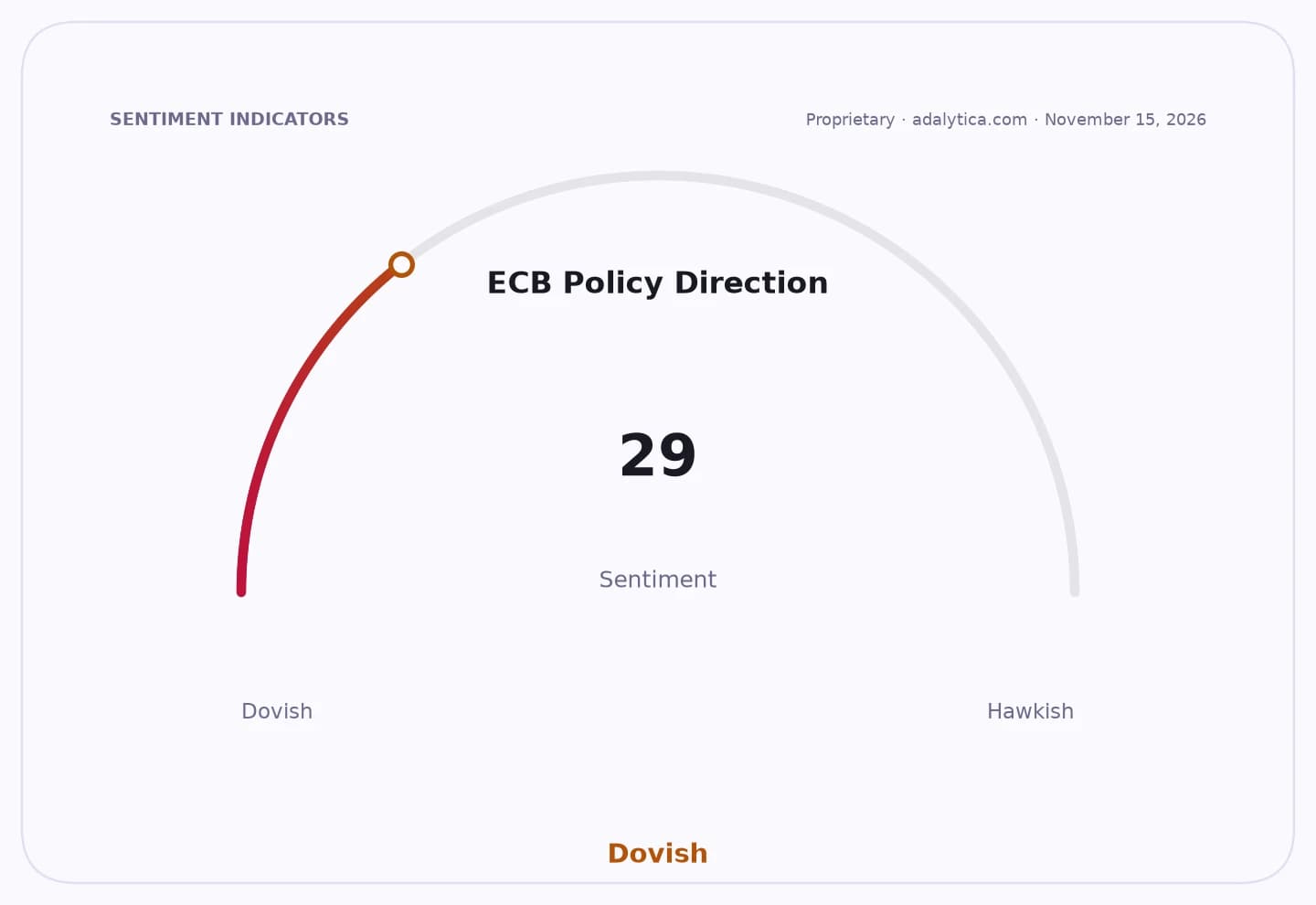
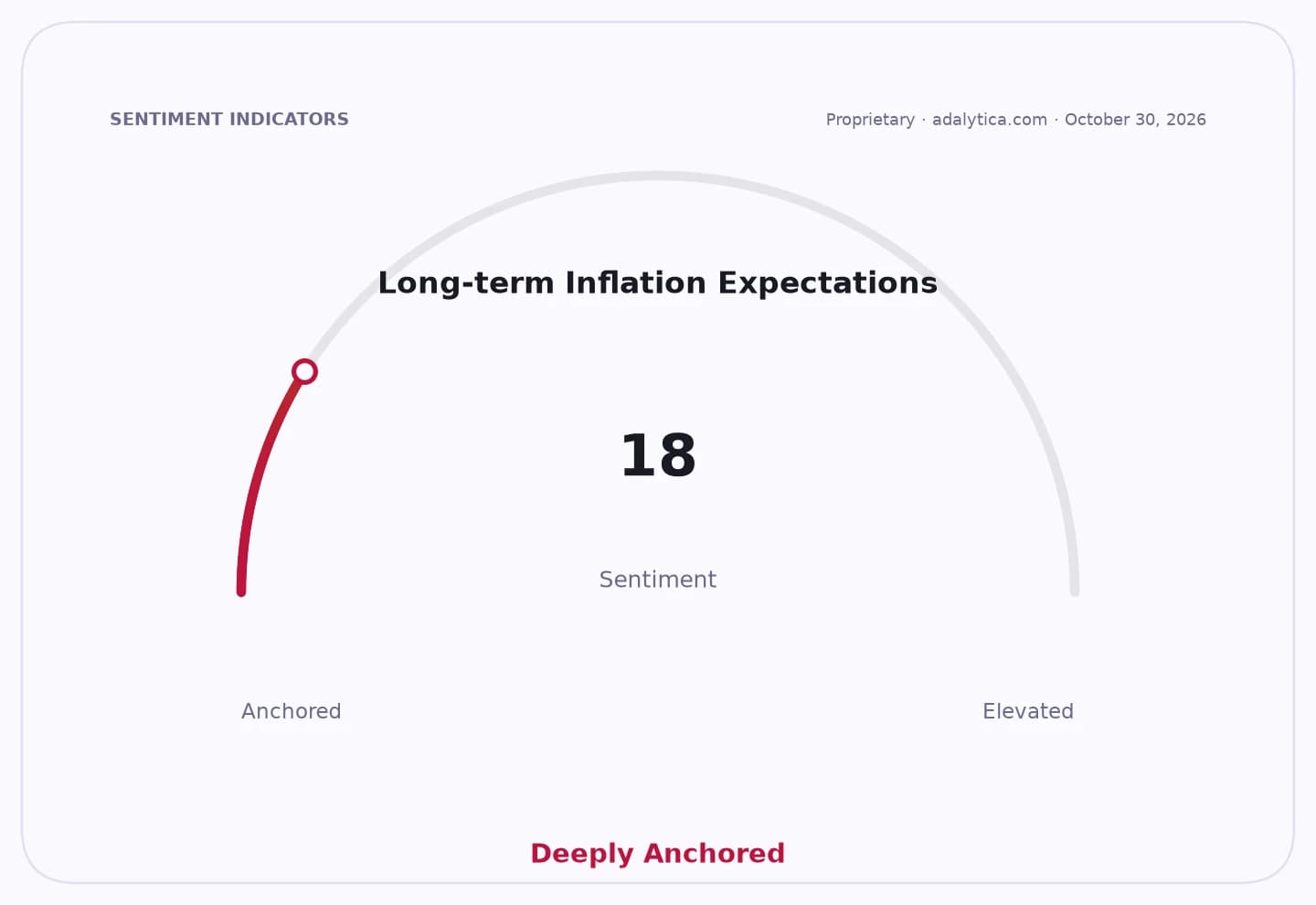
Sentiment Indicators
For markets, the bigger story is not just the headline sum but the financing model. If the EU has to keep borrowing to sustain aid, the burden migrates onto sovereign balance sheets at a time when Europe is already confronting weak growth, fragmented fiscal policy and higher funding costs than the pre-pandemic era. That matters for bond investors because more issuance, even if spread across the bloc, can pressure term premia and keep upward pressure on euro-area borrowing costs. The move also reinforces a long-running market view that Europe’s wartime support for Ukraine will increasingly be paid for through debt rather than windfalls from Russian assets.
The political implications are just as important. Germany’s hardening stance on the broader EU budget shows how Ukraine financing is colliding with domestic fiscal constraints, and that raises the odds of prolonged negotiations over every new tranche. The more aid becomes tied to debt issuance, the more vulnerable it is to opposition from capitals that are already juggling defense spending, welfare demands and slowing economies. Investors should read that as a warning that Europe’s fiscal coherence is under strain.
There is also a second-order market effect. A larger, debt-funded EU response supports the case for continued demand for high-quality European sovereign paper and could keep safe-haven flows inside the euro bloc skewed toward core issuers. But it also leaves the euro exposed if fiscal fatigue deepens and markets begin to price a more fractured policy response. In that sense, the Ukraine financing debate is no longer just geopolitics — it is becoming part of Europe’s sovereign-risk premium.
My view is that the market is still underestimating how quickly wartime aid is turning into a structural European balance-sheet story. The trade here is straightforward: stay selective on European sovereign exposure, favor the strongest credits, and watch for further pressure on budgets, defense spending and EU borrowing plans as the next aid package moves forward.
| Entity | Gains | Losses |
|---|---|---|
| Ukraine | ▲Continued EU funding | ▼Uncertainty over future disbursements |
| EU core sovereigns | ▲Safe-haven demand | ▼Higher issuance burdens |
| EU budget hawks | ▲Leverage in negotiations | ▼Pressure to accept more borrowing |
| EU taxpayers | ▲None | ▼Larger long-term fiscal liabilities |