Ukraine’s economy is heading into a tougher stretch, and the biggest risk for investors and policymakers is that war damage is now feeding both slower growth and stickier inflation at the same time.
Ukraine KSE cuts 2026-2027 GDP, raises inflation view
Long-term Inflation Expectations
That is the key message from KSE Institute’s latest macro outlook, which cuts its forecast for real GDP to a 0.3% decline in 2026 and a 0.6% drop in 2027, reversing previous expectations for growth of 1.9% and 2.1%. At the same time, the research center says annual inflation will top 13% and stay above that level through the third quarter of 2027, forcing the National Bank of Ukraine to keep monetary policy tighter for longer.
Sentiment Indicators
For an economy already operating under wartime strain, that combination matters far beyond the headline GDP figures. Higher inflation erodes household purchasing power, squeezes margins for local businesses and makes it harder for the central bank to ease borrowing costs or support credit growth. For investors, it also raises the risk that Ukraine’s recovery, once it comes, will be slower and more capital-intensive than previously thought.
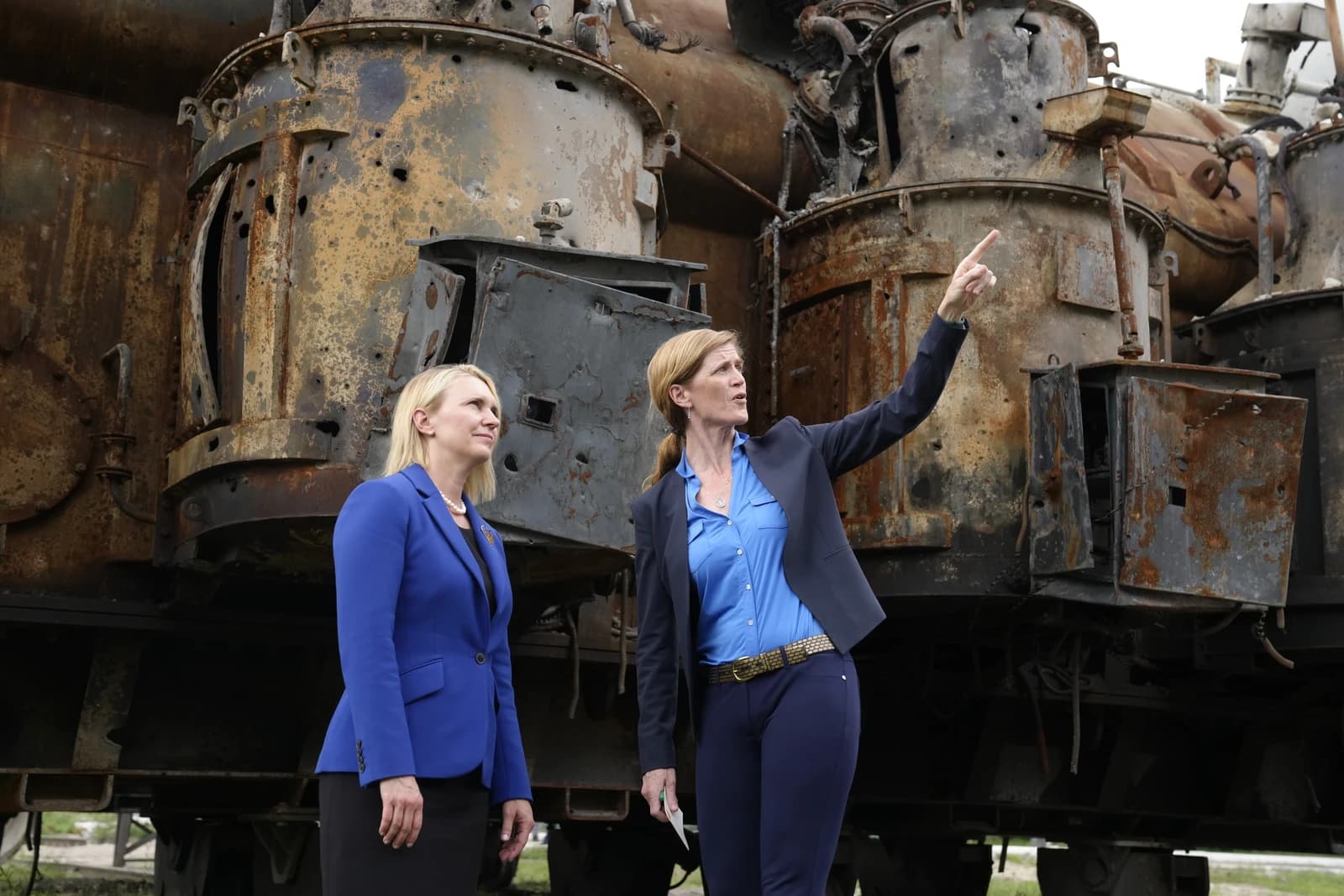
KSE said the deterioration is being driven by intensified Russian attacks on ports, logistics corridors, energy infrastructure and industrial sites. Those strikes are disrupting production and exports, especially in agriculture and metals, two sectors that remain critical to foreign-currency earnings. The institute now expects real exports to fall 7.4% in 2026 as blockages at ports in Greater Odesa and weaker steel production bite into trade flows.
That hit to activity has another consequence that markets cannot ignore: the public-finance gap is widening fast. KSE estimates the state budget financing shortfall for 2026-2029 has expanded to $99.5 billion, up by $32.1 billion from its prior forecast. The center said the estimate already factors in pledged support and planned financial instruments, but the baseline assumption still relies on additional external borrowing that has not yet been approved.
That is a crucial detail for bondholders, aid donors and policymakers alike. Lower output means less tax revenue, and KSE says destruction of productive capacity will reduce budget receipts by $18.4 billion over 2026-2029 versus its previous outlook. Meanwhile, defense spending will remain exceptionally high and only ease gradually after the war ends, limiting Ukraine’s ability to rely on domestic funding.
The report keeps a baseline assumption that full-scale war ends in the second half of 2027. If fighting lasts longer, KSE warns, financing needs would rise sharply and the support built into the forecast would no longer be enough. That makes timely external assistance, from official lenders and bilateral partners, central not just to fiscal stability but to the broader macro outlook.
For the National Bank of Ukraine, the task is becoming more delicate. KSE said keeping the hryvnia stable and reserves intact will depend heavily on external support. A steady currency is essential to anchor inflation expectations, but so is preserving enough economic activity to prevent a deeper contraction. That trade-off is why the institute says easing monetary policy is now likely delayed until the end of 2027.
The broader investment lesson is straightforward: Ukraine’s long-term story is still one of reconstruction and eventual catch-up growth, but the path there is being pushed farther out by the war itself. Other local forecasters have also turned more cautious, with ICU and Dragon Capital both cutting their GDP outlooks after the escalation in hostilities.
For long-term investors, that means the near-term case is not about chasing a fast rebound. It is about understanding which businesses, lenders and sectors can survive a prolonged period of high inflation, weak growth and external financing dependence — and which ones cannot. For now, the outlook argues for patience, selectivity and a watchlist focused on resilience rather than quick recovery.
| Entity | Gains | Losses |
|---|---|---|
| Ukrainian exporters | ▲eventual reconstruction demand | ▼2026 export volumes |
| Ukrainian households | ▲currency stability if support arrives | ▼purchasing power |
| National Bank of Ukraine | ▲stronger policy credibility | ▼easier rate cuts |
| Official lenders / donors | ▲leverage over reform and funding | ▼exposure to larger financing gap |