Moldova moved more than 46,000 tonnes of grain and oilseeds by rail in August, underscoring how the country’s freight network is becoming a small but strategically important conduit for agricultural exports and Ukrainian transit cargo tied to the Black Sea corridor.
Moldova rail moved 46,000 tonnes of grain in August
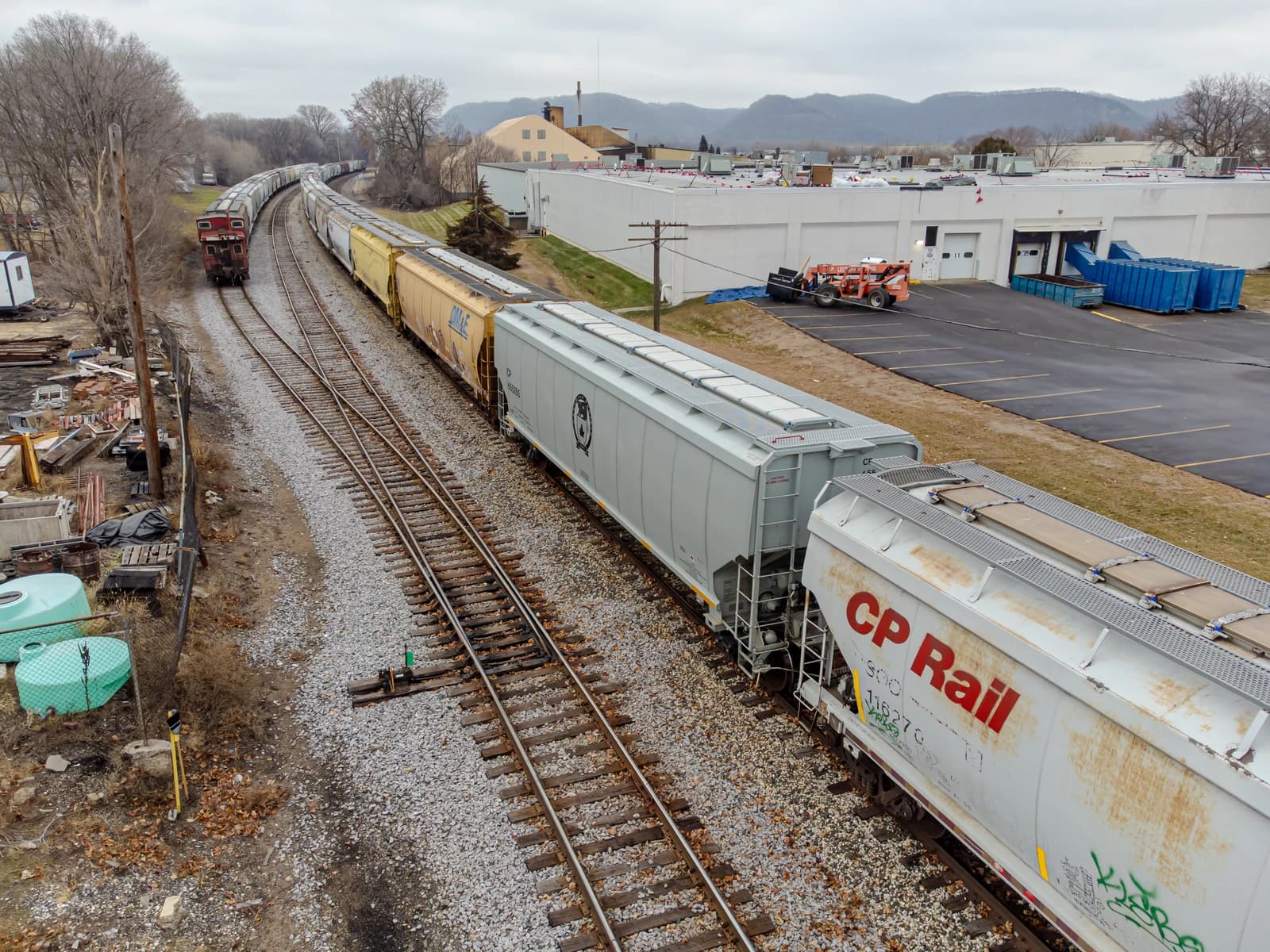
The volume matters because rail remains one of the few reliable ways to keep regional farm trade moving when road bottlenecks, border friction and war-related route shifts distort normal logistics. For Moldova, that means the railway is not just a transport utility — it is part of the country’s trade infrastructure, helping local producers get crops to market and preserving a transit lane that can still earn fees from cargo passing through to Romania and Ukraine-linked routes.
Sentiment Indicators
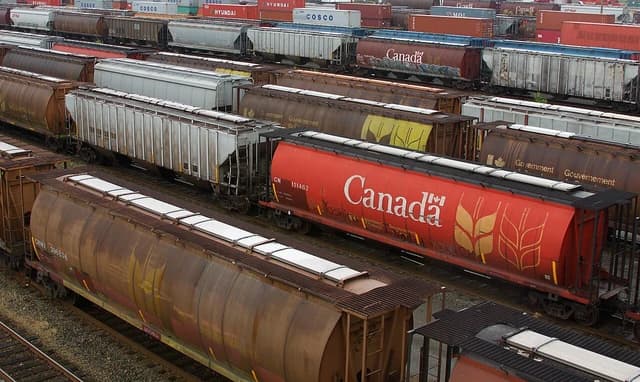
According to Calea Ferată din Moldova, 28,529 tonnes were exported and 18,019 tonnes were in transit. Rapeseed led exports at 10,789 tonnes, followed by oilseed seeds, wheat and peas. Transit traffic was driven by barley on the Basarabeasca–Reni line, lentils and rapeseed on Basarabeasca–Galați, wheat on Moghilev-Podolsk–Ungheni and sunflower oil on Basarabeasca–Reni.
That mix is significant for investors watching agricultural logistics across Eastern Europe. Grain and oilseed flows are highly sensitive to geopolitics, and any rail operator that can capture stable commodity volumes gains pricing power, better asset utilization and a clearer role in regional trade. In a market where supply chains remain fragile, a functioning transit route can become a toll road for food and feed, not just a passenger railway.
CFM has said domestic farmers and Moldovan companies have priority for grain transport, while Ukrainian goods in transit move in their own wagons and do not eat into capacity for local shippers. That distinction is crucial: it helps Moldova preserve political support for transit trade without crowding out its own exporters, a balancing act that could support more predictable freight revenues if volumes hold into the harvest season.
For investors, the story is less about one month’s tonnage than about the durability of rail-linked agricultural trade in the region. If Black Sea exports remain rerouted and rail corridors continue to absorb grain, oilseeds and edible oils, the beneficiaries are logistics operators, wagon owners and rail infrastructure nodes that sit on these alternate paths. The losers are road haulers and any shipping route that depends on a cleaner geopolitical backdrop to function.
The takeaway is simple: Moldova’s rail freight numbers show that the region’s agricultural trade is still being re-routed, not resolved. As long as that remains true, rail operators with capacity, border access and dependable scheduling could keep benefiting from a secular shift in commodity logistics.
| Entity | Gains | Losses |
|---|---|---|
| Calea Ferată din Moldova | ▲Freight revenue, asset utilization | ▼Idle capacity risk |
| Moldovan farmers/exporters | ▲Priority rail access | ▼Road congestion exposure |
| Ukrainian transit shippers | ▲Corridor access | ▼Dependence on rerouted lanes |
| Road haulers / alternative routes | ▲— | ▼Lost grain volumes |