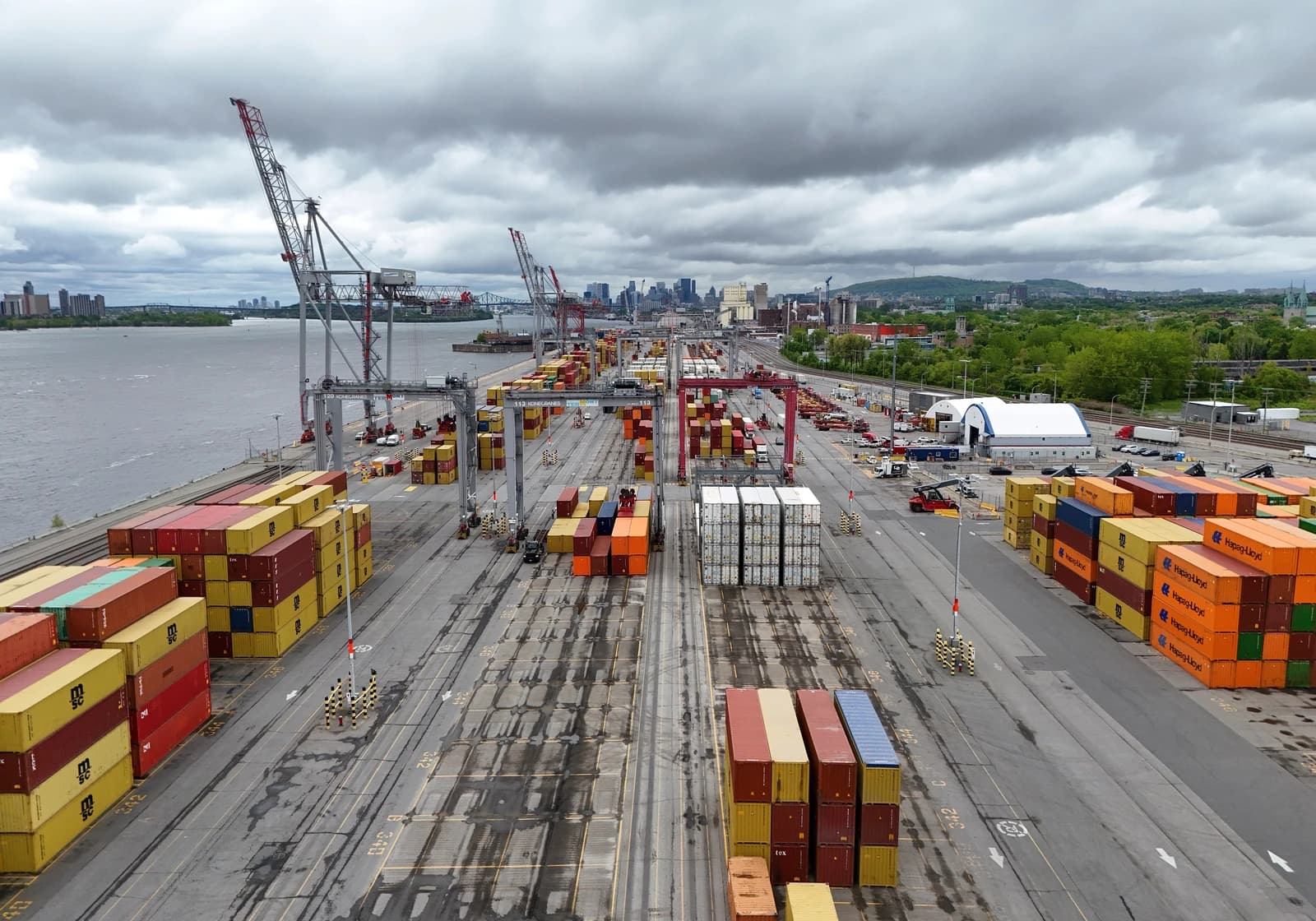
Cargo traffic through the Upper Lars border crossing rose 13% in September from a year earlier, underscoring the route’s growing role as a pressure valve for trade between Russia, Turkey, the Caucasus and the Middle East.
Upper Lars cargo traffic rises 13% in September
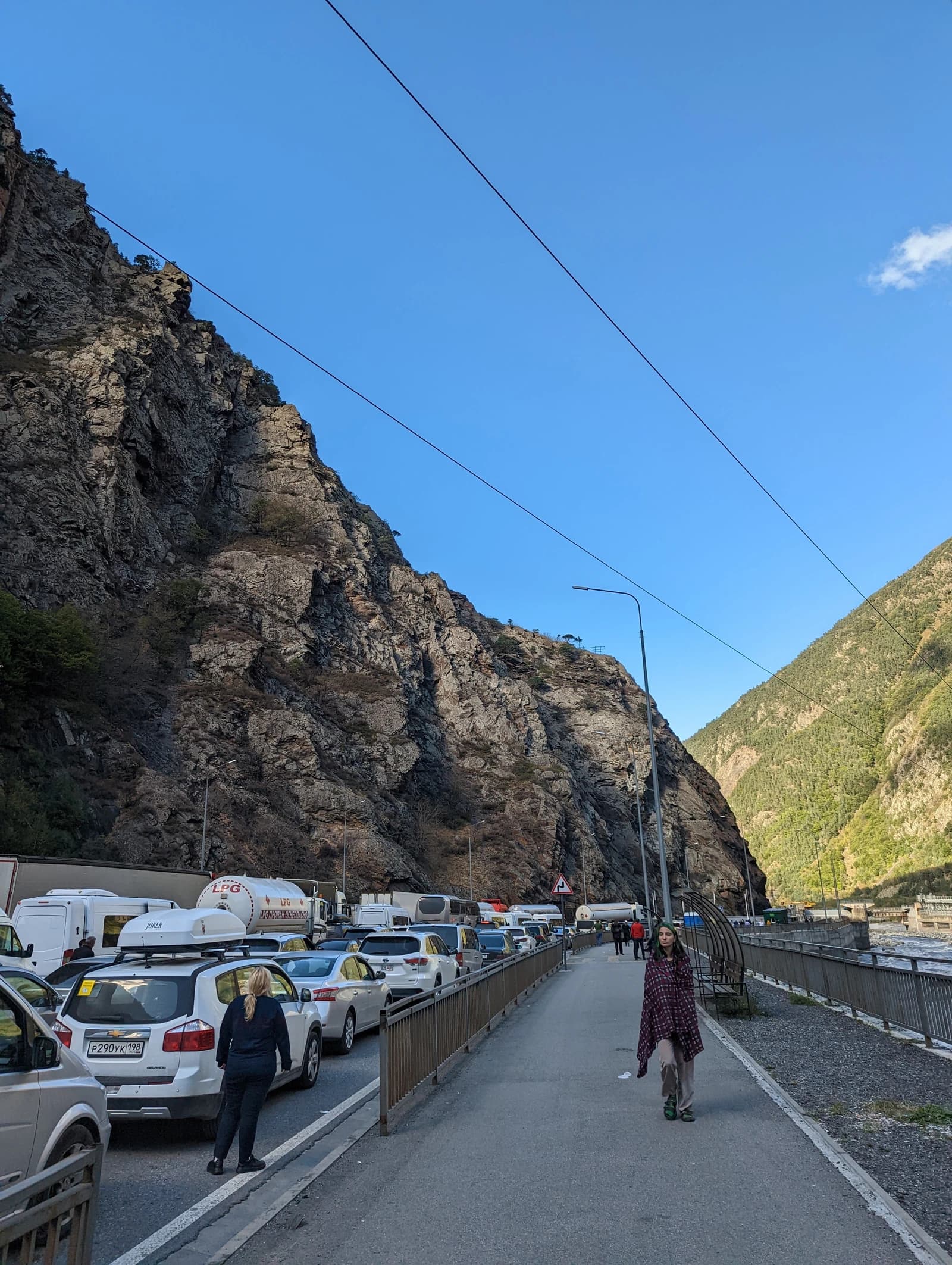
The increase matters because Upper Lars is one of the few overland gateways linking Russia with Georgia and onward regional markets, making it strategically important for exporters, importers and transit cargo moving around sanctions, congestion and shifting logistics patterns. In a system where transport bottlenecks can quickly feed through to delivery times, inventories and freight costs, a 13% jump signals that the crossing remains a material trade artery rather than a marginal frontier post.
Sentiment Indicators
North Ossetia customs chief Georgy Tsegoev said 503,000 tons of cargo crossed in September, taking nine-month throughput to 3.4 million tons. Turkey was the main source of inbound goods, shipping a wide mix of products from fruit and vegetables to equipment. Russia, meanwhile, exported grains, foodstuffs, finished goods and machinery, while additional volumes came from transit cargo originating in Belarus and heading to the Middle East, Armenia and Georgia.
For investors, the data point is less about a single monthly gain than about the durability of regional trade lanes under geopolitical strain. The route supports exporters that need access to nearby markets and importers seeking alternatives to longer or more expensive paths. It also suggests ongoing demand for logistics capacity tied to the Caucasus corridor, road freight, warehousing and customs services.
The bullish case is that Upper Lars is consolidating as a dependable regional conduit, with Turkey’s trade relationship providing a steady base and transit traffic adding another layer of demand. The bearish case is that the crossing remains exposed to weather disruptions, border delays and political risk, leaving volumes vulnerable to sudden swings even after periods of strength.
The next inflection point will be whether the route can sustain elevated flows into the winter months and whether trade composition shifts further toward higher-value industrial cargo, which would imply deeper commercial integration beyond basic food and consumer goods.
| Entity | Gains | Losses |
|---|---|---|
| Turkey exporters | ▲Faster access to regional markets | ▼Longer alternative routes |
| Russian shippers | ▲More overland trade capacity | ▼Exposure to border bottlenecks |
| Logistics operators | ▲Higher freight volumes | ▼Capacity strain and delays |
| Competing routes | ▲None | ▼Traffic diverted to Upper Lars |