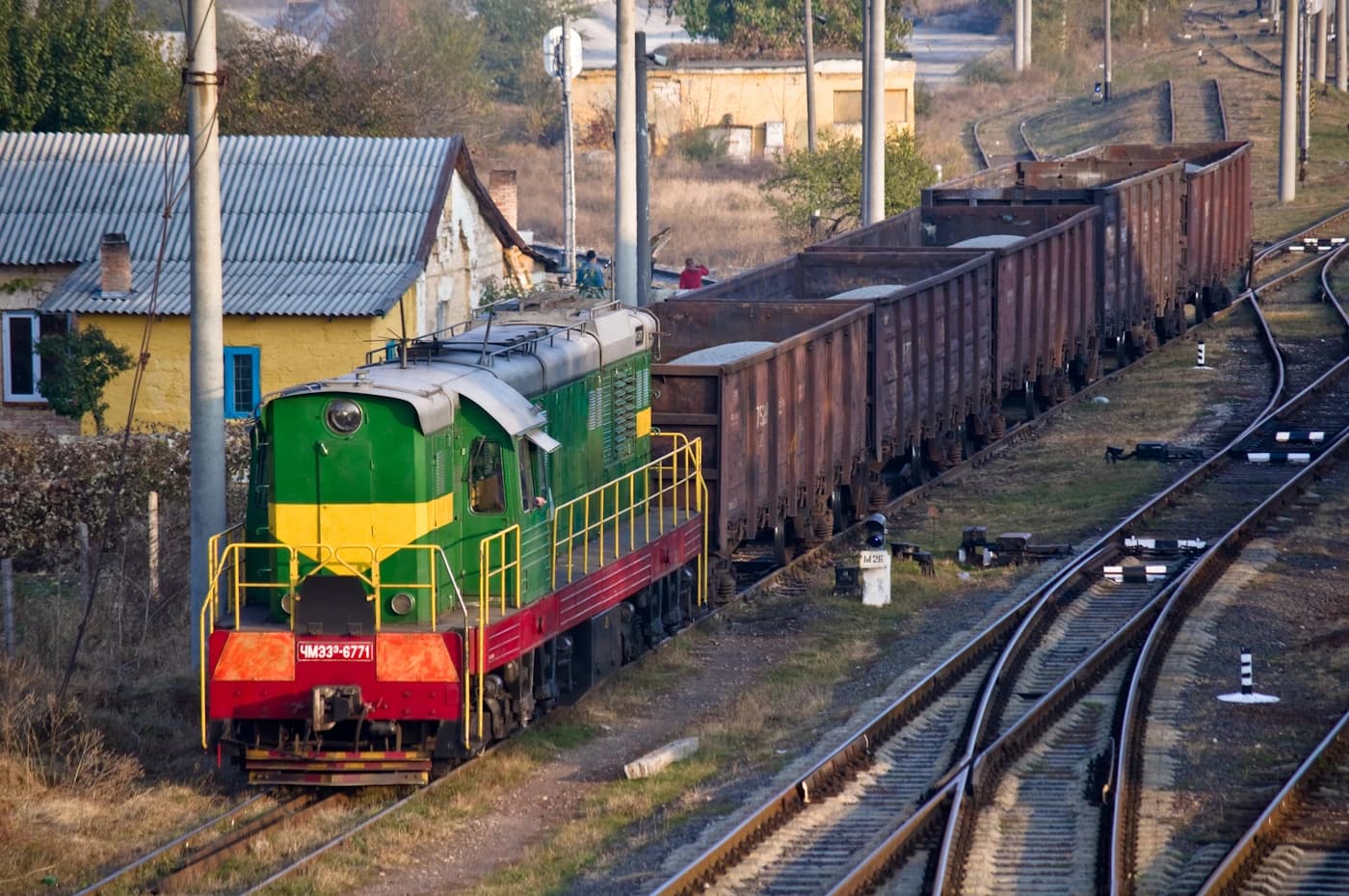
Ukraine’s state railway risks losing cargo rather than raising more revenue if it pushes through another 15% freight tariff increase from January, according to the International Chamber of Commerce Ukraine, which says the move could deepen an already visible decline in shipments and damage the country’s export engine.
Ukraine Rail Tariff Hike May Cut Freight Volumes

The warning matters because rail remains central to Ukraine’s wartime logistics, especially with Black Sea routes constrained and heavy industry dependent on overland transport. ICC Ukraine says metallurgy and mining typically account for as much as 40% of Ukrzaliznytsia’s freight income, meaning any tariff shock that forces mills or ore producers to cut output would feed back directly into the railway’s own earnings base.

The group says freight volumes have already fallen 6.2% in the first half of the year, underscoring how fragile the network’s load factor is before any new price increase. Its argument is that higher tariffs may look like an easy fix for a cash-strapped monopoly, but the arithmetic breaks down if customers simply stop shipping. That is especially true in heavy industry, where logistics costs can determine whether plants in the east and south keep operating at all.
The dispute also highlights a broader policy fight over how Ukraine funds its transport system. ICC Ukraine says passenger and suburban losses should be covered directly by the state budget, as in the European Union, rather than cross-subsidized by freight clients. It is also calling for transparent tariff-setting, a wartime moratorium on further increases, and discounted rates for enterprises within 150 km of the front line.

For investors, the key issue is not just whether Ukrzaliznytsia lifts prices, but whether it can preserve traffic density and industrial throughput without forcing the system into a self-defeating contraction. The organization’s warning follows an earlier 30% freight tariff increase that industry experts said could cut the railway’s cargo base by 27 million tons, trim Ukraine’s GDP by 96 billion hryvnias a year, cut export earnings by $2.4 billion and reduce budget revenues by 36 billion hryvnias.
The investment case for Ukraine’s logistics and industrial chain therefore hinges on whether policymakers treat rail pricing as a revenue tool or as a competitiveness constraint. If tariffs keep rising faster than industrial margins can absorb, the losers will not only be exporters and manufacturers but the railway itself, which would face weaker volumes, thinner operating leverage and greater dependence on state support.
| Entity | Gains | Losses |
|---|---|---|
| Ukrzaliznytsia | ▲Higher tariff revenue per ton | ▼Lower freight volumes |
| Metallurgy and mining exporters | ▲Potentially none | ▼Higher logistics costs |
| Ukrainian budget | ▲Possible short-term rail receipts | ▼Lower GDP and tax base |
| Consumers and industry in east/south Ukraine | ▲Cheaper access via subsidies, if adopted | ▼Reduced industrial activity |