Turkey’s $10 billion trade target with Canada is moving from diplomatic talking point to economic objective as Ankara looks to diversify exports, deepen logistics links and reduce reliance on slower traditional markets.
Turkey Canada trade target aims for $10 billion
That is the message from DEİK Turkey-Canada Business Council President Yılmaz, who said the goal is “not a dream,” underscoring a broader Turkish push to turn trade relationships into hard export flows. The target matters because Turkey is seeking growth that is less dependent on volatile financing conditions, narrower trade routes and weakening demand in established markets.
Sentiment Indicators
The timing is important. Turkey has spent much of the past year trying to re-balance its external accounts through stronger exports and more active commercial diplomacy. Officials have highlighted improvements in trade performance and a wider effort to build stronger ties with partners across Europe, North America and Eurasia. A larger trade relationship with Canada would fit that strategy by giving Turkish manufacturers, logistics firms and service exporters access to a higher-income market with room to expand beyond existing bilateral volumes.
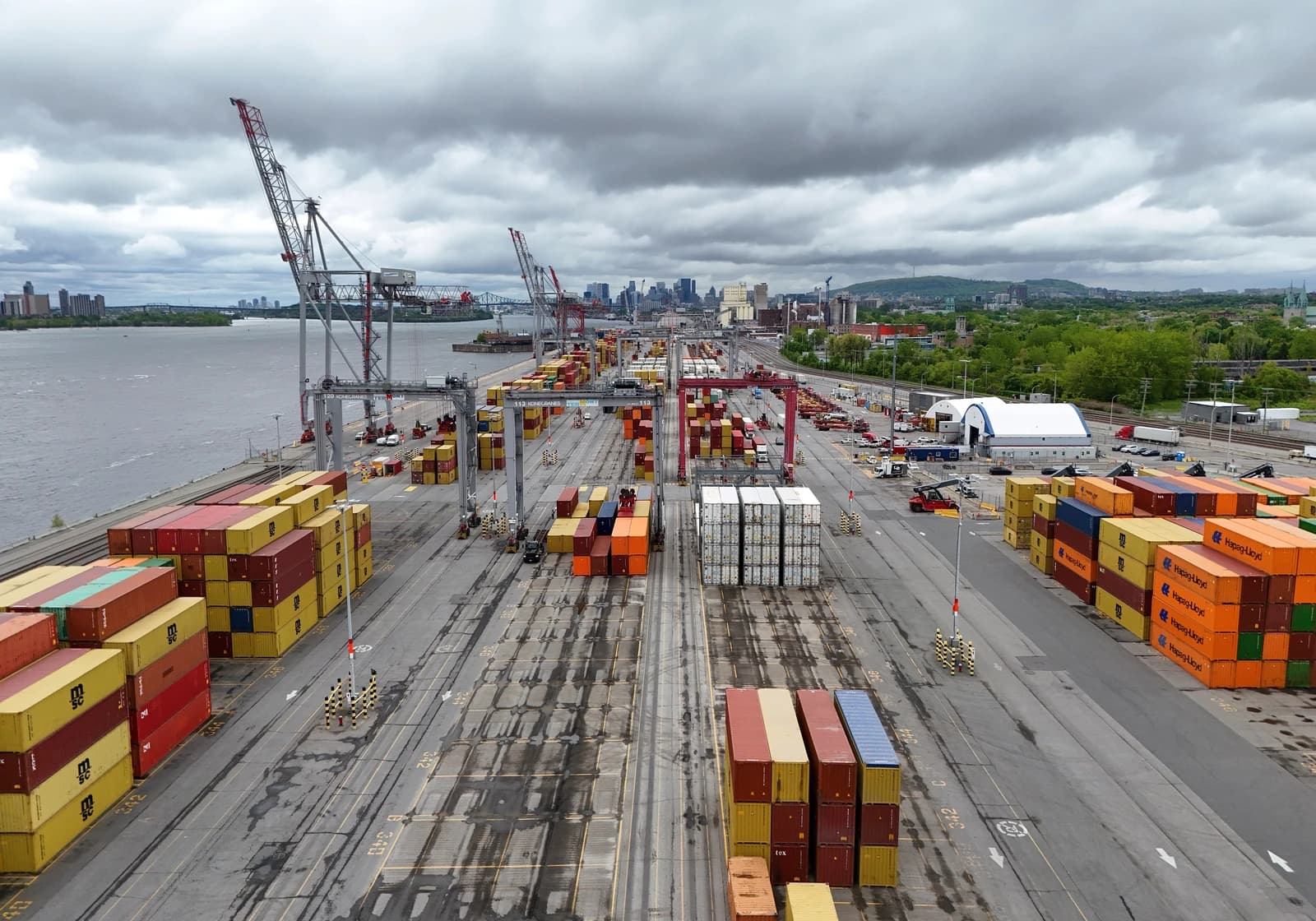
It also reflects how Ankara is using business councils and trade infrastructure to translate geopolitical engagement into commercial gains. Turkey has been stressing the role of modern ports, customs efficiency and logistics capacity in supporting foreign trade, and that message is backed by activity at key hubs such as Ambarlı, where 1.4 million containers and 58,000 vessels were processed in the first nine months of the year. For exporters, that matters because logistics bottlenecks and customs delays are often the difference between winning and losing market share.
For investors, the significance lies in the mix of policy, trade and corporate opportunity. A stronger Turkey-Canada corridor could benefit freight operators, port assets, industrial exporters and companies exposed to agricultural, automotive, machinery and consumer-goods trade. It could also support Turkish firms seeking to hedge against concentration risk in Europe and the Middle East, where growth can be more cyclical or geopolitically sensitive.
The bull case is that Turkey can leverage competitive manufacturing costs, a broad industrial base and improving trade facilitation to capture more Canadian demand. The bear case is that the target remains aspirational unless tariffs, logistics costs, regulatory alignment and financing conditions improve enough to sustain higher shipments. Canada is a large, sophisticated market, but it is not a simple one to penetrate.
What makes the target relevant is not the number alone, but what it says about Turkey’s trade strategy: Ankara is trying to build a more diversified external growth model, one bilateral deal at a time. If business diplomacy converts into concrete contracts, the $10 billion figure could become a benchmark for a wider shift in Turkey’s export geography.
| Entity | Gains | Losses |
|---|---|---|
| Turkish exporters | ▲Larger market access | ▼Reliance on limited destinations |
| Canadian importers | ▲New supply sources | ▼Higher search and entry costs |
| Turkey’s logistics sector | ▲More freight volume | ▼Inefficiencies if capacity lags |
| Incumbent trade partners | ▲— | ▼Share of Turkey’s export focus |