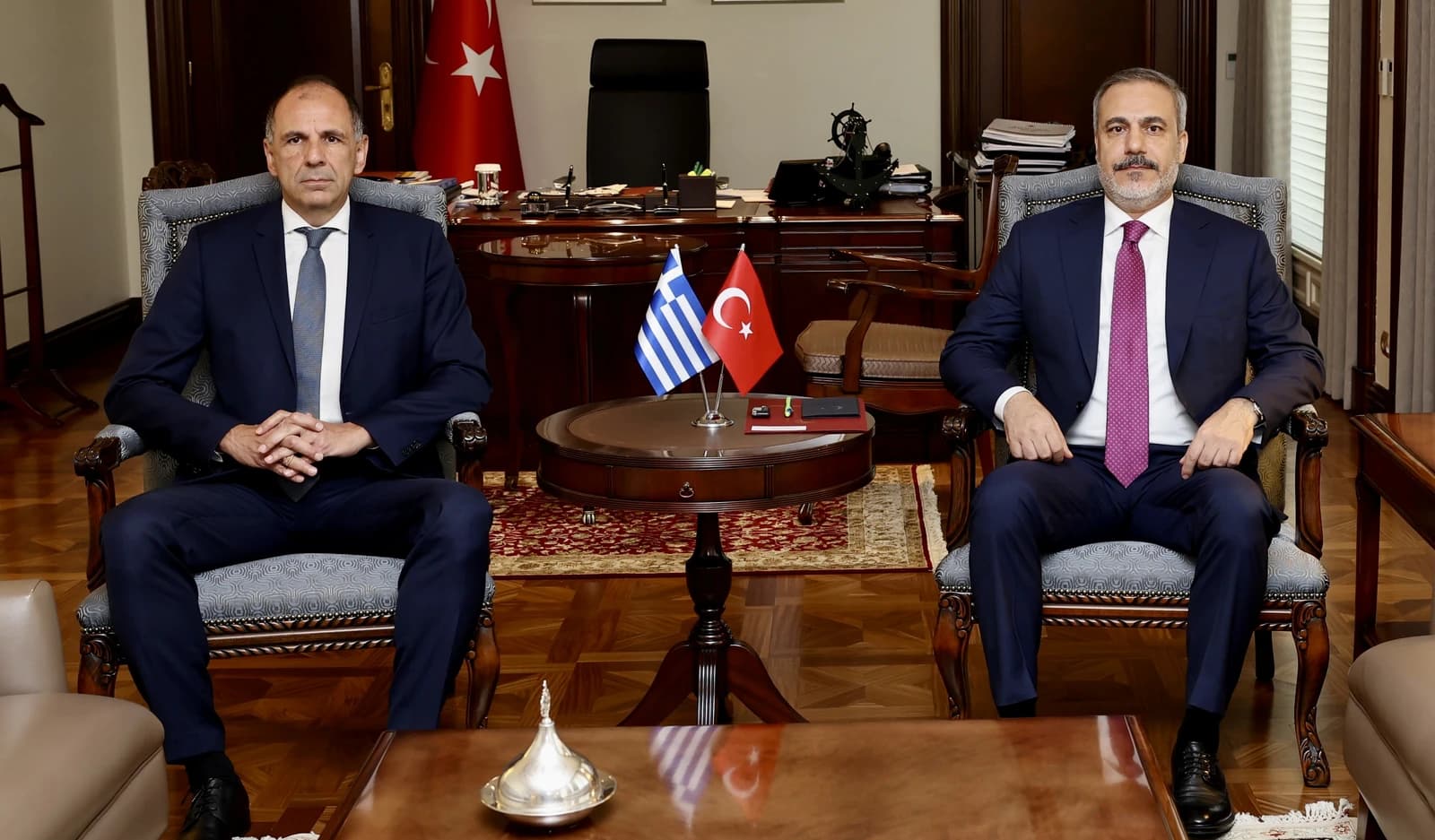
Turkey is moving to deepen joint defense manufacturing with Qatar, Indonesia and Pakistan after the four countries signed a new memorandum in Doha aimed at building shared production capacity, boosting research and development, and strengthening supply chains.
Turkey defense pact with Qatar, Indonesia, Pakistan
The announcement matters because it points to a more durable industrial alliance in a sector that has become central to Turkey’s strategy for exports, technology transfer and strategic autonomy. Joint production can lower procurement costs, widen market access for Turkish contractors and create new demand for engines, electronics, munitions and platform integration across a bloc that wants to rely less on Western suppliers.
Sentiment Indicators
Military spokesman Rear Admiral Zeki Aktürk said the “Bedir” memorandum is designed to turn existing defense ties into longer-term industrial cooperation. He said the agreement targets common projects, expanded R&D, stronger infrastructure and logistics networks, and the development of joint production capacity.
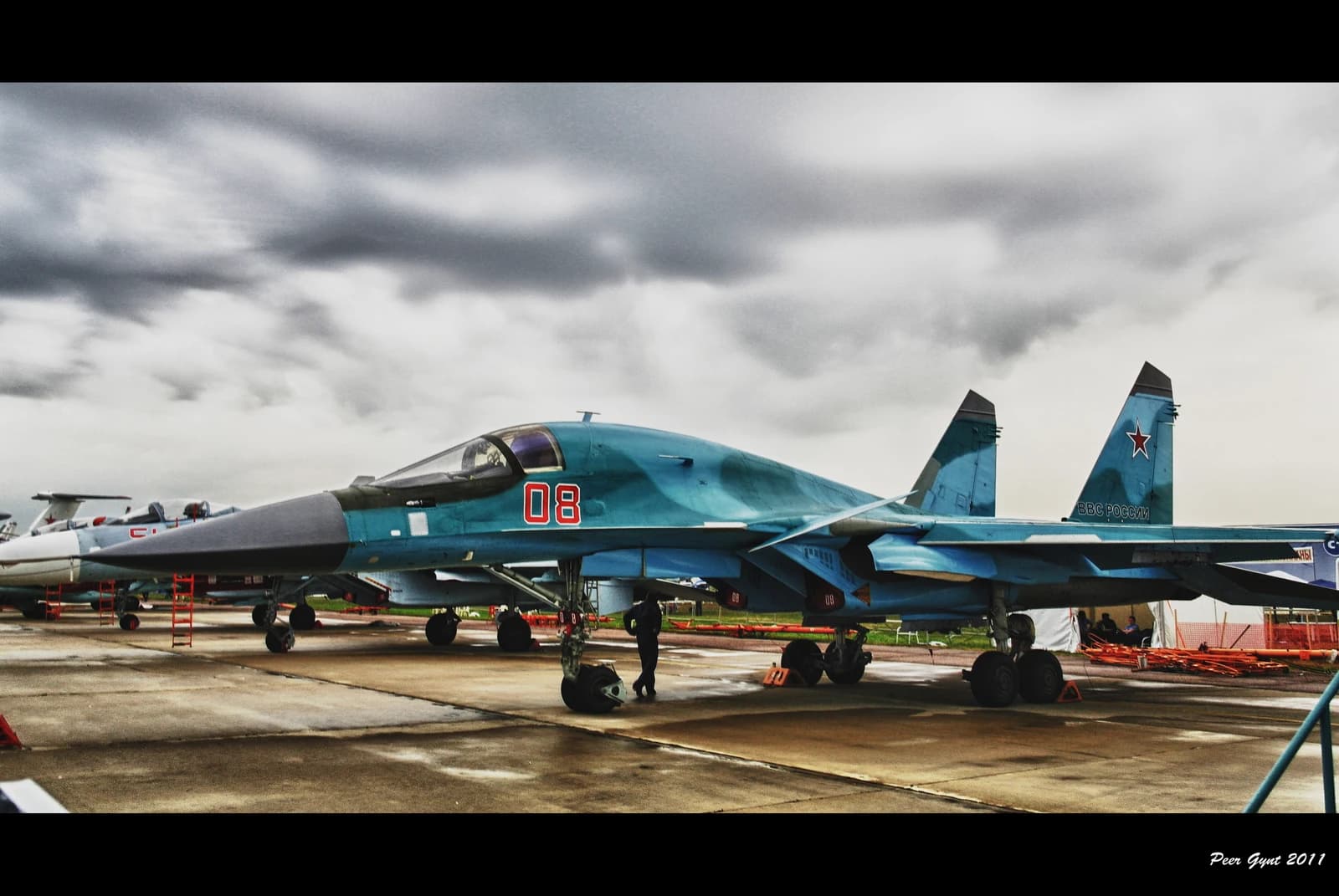
For investors, the deal reinforces the investment case around Turkey’s defense complex, which has benefited from rising domestic procurement and export opportunities. The industry has been gaining momentum as Ankara continues to promote locally developed systems, with this week’s deliveries including Tayfun Block-2 missiles and the Fırtına-2 howitzer, while HÜRKUŞ-II aircraft are set to enter the inventory after acceptance testing.
The broader backdrop is a regional push to convert security cooperation into industrial output. Turkey is also leaning on military diplomacy, including a new training and defense cooperation format with Libya and a separate international air reconnaissance competition in Ankara that drew 32 countries, underlining the country’s effort to position itself as both a supplier and a convening power in defense.
The pact’s real test will be execution: whether the four countries can align procurement needs, financing and export approvals into actual programs. Investors will be watching for follow-up contracts, JV structures and any hints that the agreement opens a wider pipeline for Turkish defense names and their suppliers.
| Entity | Gains | Losses |
|---|---|---|
| Turkish defense contractors | ▲More export demand | ▼Less dependence on domestic orders |
| Qatar, Indonesia, Pakistan | ▲Access to Turkish know-how | ▼Slower procurement if coordination lags |
| Western suppliers | ▲Less share of regional deals | ▼Potentially fewer sales |
| Local defense suppliers | ▲New joint projects | ▼Pressure to scale capacity |