Turkey has turned a once-hostile Benghazi into a political asset, and Greece has lost the eastern Libyan lever it spent years building to contain Ankara’s claims in the eastern Mediterranean.
Turkey Gains Benghazi Backing on Libya Maritime Deal
That shift matters because the Libyan House of Representatives’ unanimous ratification of the 2019 Turkish-Libyan maritime memorandum removes one of Athens’ most useful diplomatic arguments: that the eastern Libyan camp rejected the deal and opposed Turkey’s claims. The move does not make the accord valid under international law, but it does give Ankara a stronger political footing, a wider negotiating lane and a narrative of Libyan consent it can wield in future maritime, energy and security talks.
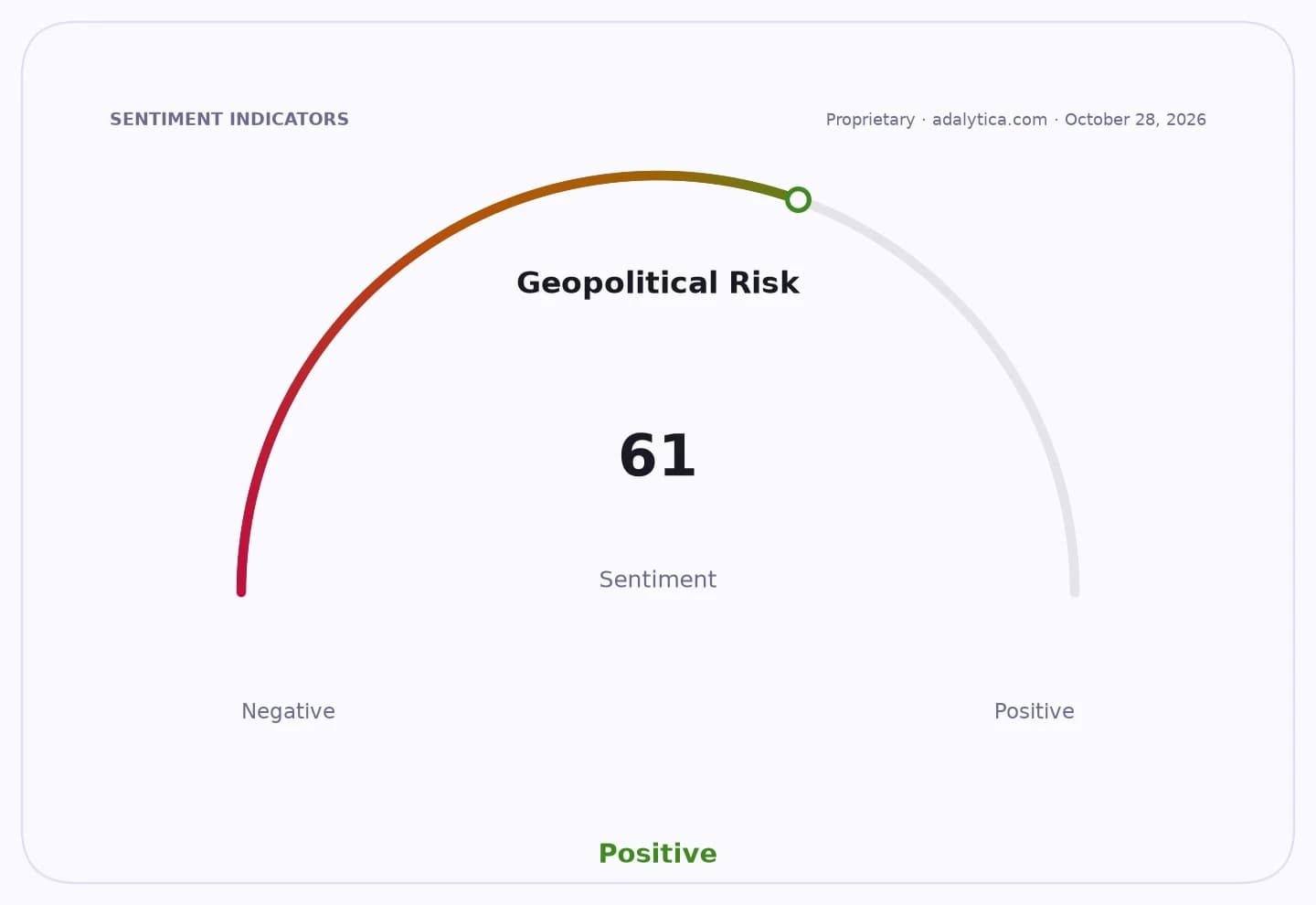
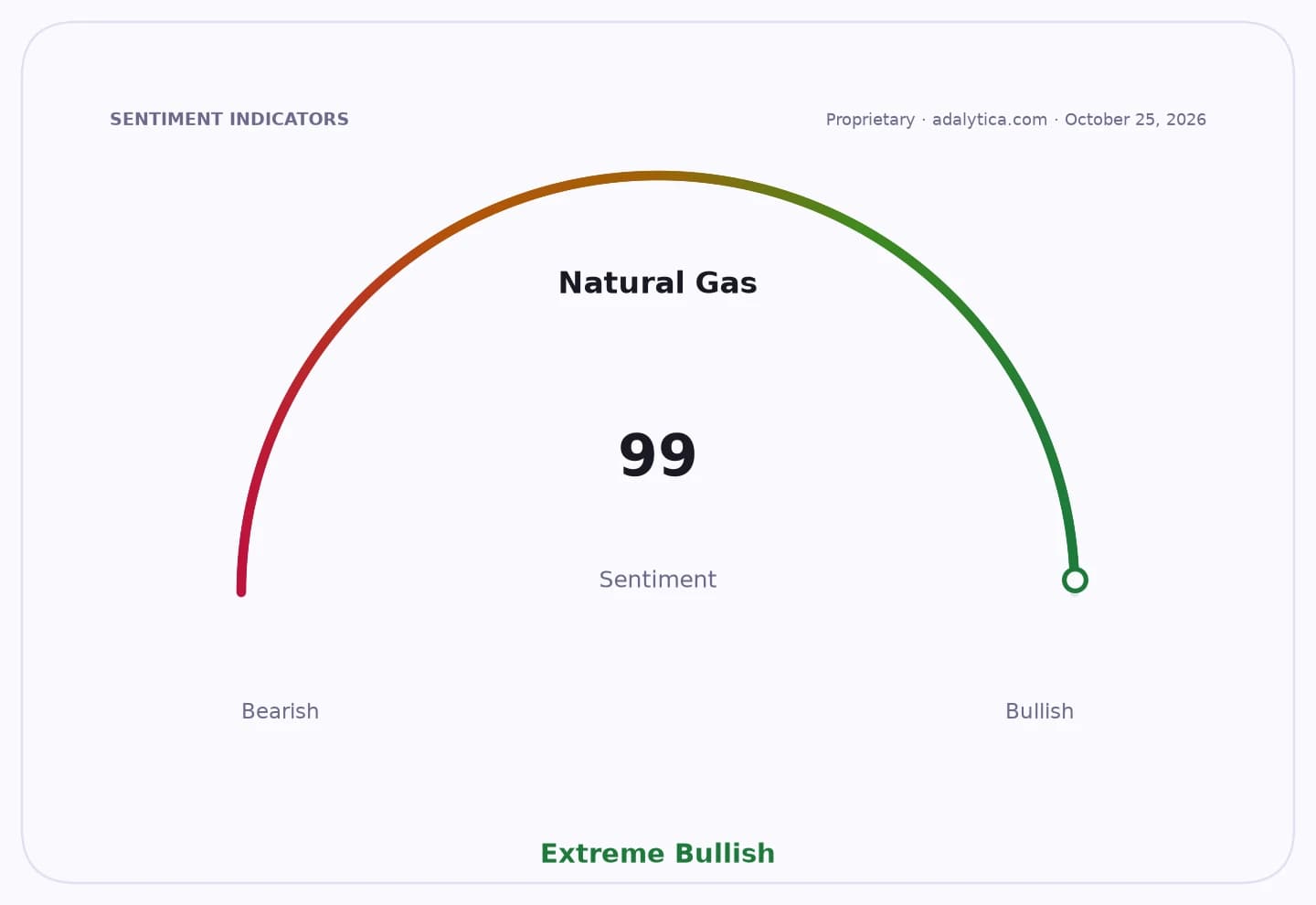
Sentiment Indicators
For Greece, the damage is strategic rather than immediate legal. Athens can still cite the U.N. Convention on the Law of the Sea, the European Union and its own bilateral agreements, including its 2020 maritime deal with Egypt. But diplomacy in the eastern Mediterranean is shaped as much by facts on the ground as by legal doctrine, and the eastern Libyan parliament’s reversal weakens a central piece of Greece’s deterrent posture. It also raises fresh questions about how much leverage Athens really retained over the Haftar camp after years of high-profile outreach.
The Turkish-Libyan memorandum, signed in November 2019 by the Tripoli-based government, has always been controversial because it draws a maritime line between Turkey and Libya while ignoring the effect of Greek islands such as Crete, Rhodes and Karpathos. Greece has long argued that the agreement violates the law of the sea and cannot bind third parties. Until now, the eastern Libyan parliament in Benghazi provided a crucial second layer to that argument by refusing to endorse the deal and severing ties with Ankara.
That layer is gone. In October 2026, the Benghazi-based House not only approved the memorandum but also reversed earlier decisions that had rejected Turkish-Libyan accords and cut political relations with Turkey. The timing is important: the ratification did not come from a new government in Tripoli, but from the very camp Greece once treated as a counterweight to Turkish influence.
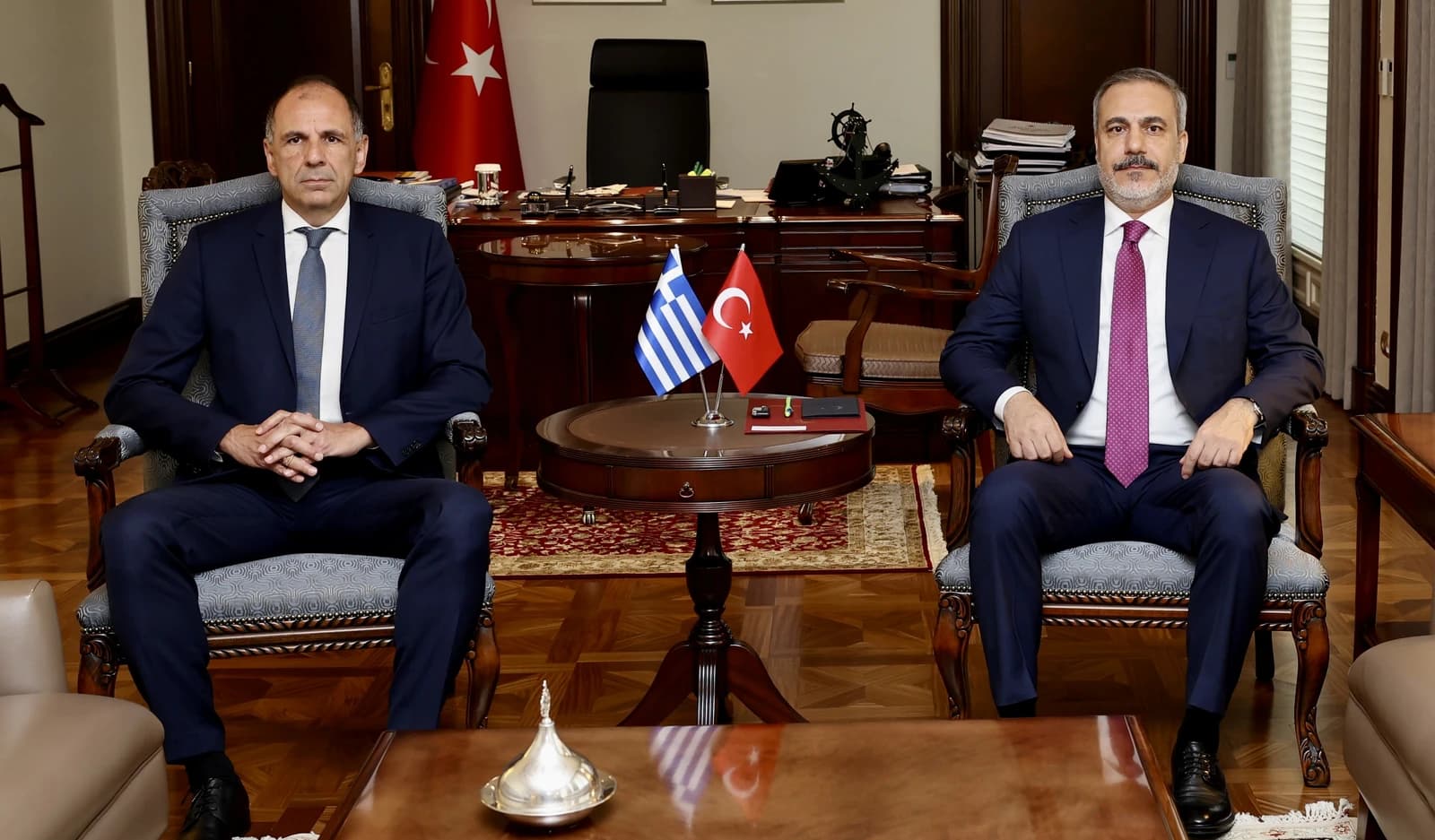
The turnaround reflects a broader Turkish playbook. Ankara backed Tripoli militarily when Haftar attacked the capital in 2019 and 2020, but it later opened channels to the eastern camp as well, including through Haftar’s sons, who now matter as much politically as the aging field marshal himself. Turkish Foreign Minister Hakan Fidan’s meetings in Ankara and his visits to both Tripoli and Benghazi in August 2026 show that Turkey was not merely defending the 2019 deal; it was building a cross-camp influence network strong enough to push eastern Libya toward acceptance.
Greece, by contrast, leaned heavily on diplomacy and legal rejection. Former foreign minister Nikos Dendias built the original bridge to Haftar in 2019 and 2020, bringing him to Athens and extracting public support for rejecting the Turkish-Libyan deal. That outreach gave Athens a real geopolitical foothold. But after Giorgos Gerapetritis took over the foreign ministry in 2023, Greece appears to have struggled to preserve the same leverage as Turkey deepened its own ties and, crucially, adapted to Libya’s shifting power structure.
The European Union’s swift backing for Greece after the ratification offers political cover, and the European Commission and European Council reiterated that the memorandum does not comply with the law of the sea. Yet investors and governments will focus less on legal statements than on whether Turkey can now use Benghazi’s endorsement to complicate future offshore energy exploration, submarine cable projects and any eventual talks over maritime delimitation south of Crete.
That matters beyond rhetoric. Eastern Mediterranean gas and infrastructure plans depend on perceived risk as much as formal legal rights. A stronger Turkish-Libyan alignment increases the political cost of exploration and raises the odds that Ankara will try to convert the memorandum into a bargaining chip in wider regional negotiations. It also complicates Greece’s efforts to advance projects such as the Greece-Cyprus electricity interconnector, which already faces geopolitical and financing uncertainty.
The market read-through is indirect but real. The developments reinforce a risk premium across eastern Mediterranean energy, shipping and defense-related assets, while making the region’s diplomatic volatility harder to discount. For Greece, the issue is not a loss of sovereignty today, but a weakening of the coalition structure that helped it box in Turkey. For Turkey, the win is strategic patience: it has turned an adversary’s former ally into a source of legitimacy.
| Entity | Gains | Losses |
|---|---|---|
| Turkey | ▲Stronger maritime leverage | ▼Less diplomatic isolation |
| Greece | ▲EU legal backing | ▼Eastern Libya anchor |
| Benghazi parliament | ▲Bargaining power with Ankara | ▼Alignment with prior stance |
| Eastern Mediterranean investors | ▲Clearer risk pricing | ▼Lower policy certainty |