Montenegro's karate team returned from the world championships in Poland with three medals and a 12th-place finish among 114 countries, underscoring that the small Balkan state is becoming a genuine force in junior and youth karate.
Montenegro Karate Team Wins Three Medals in Poland
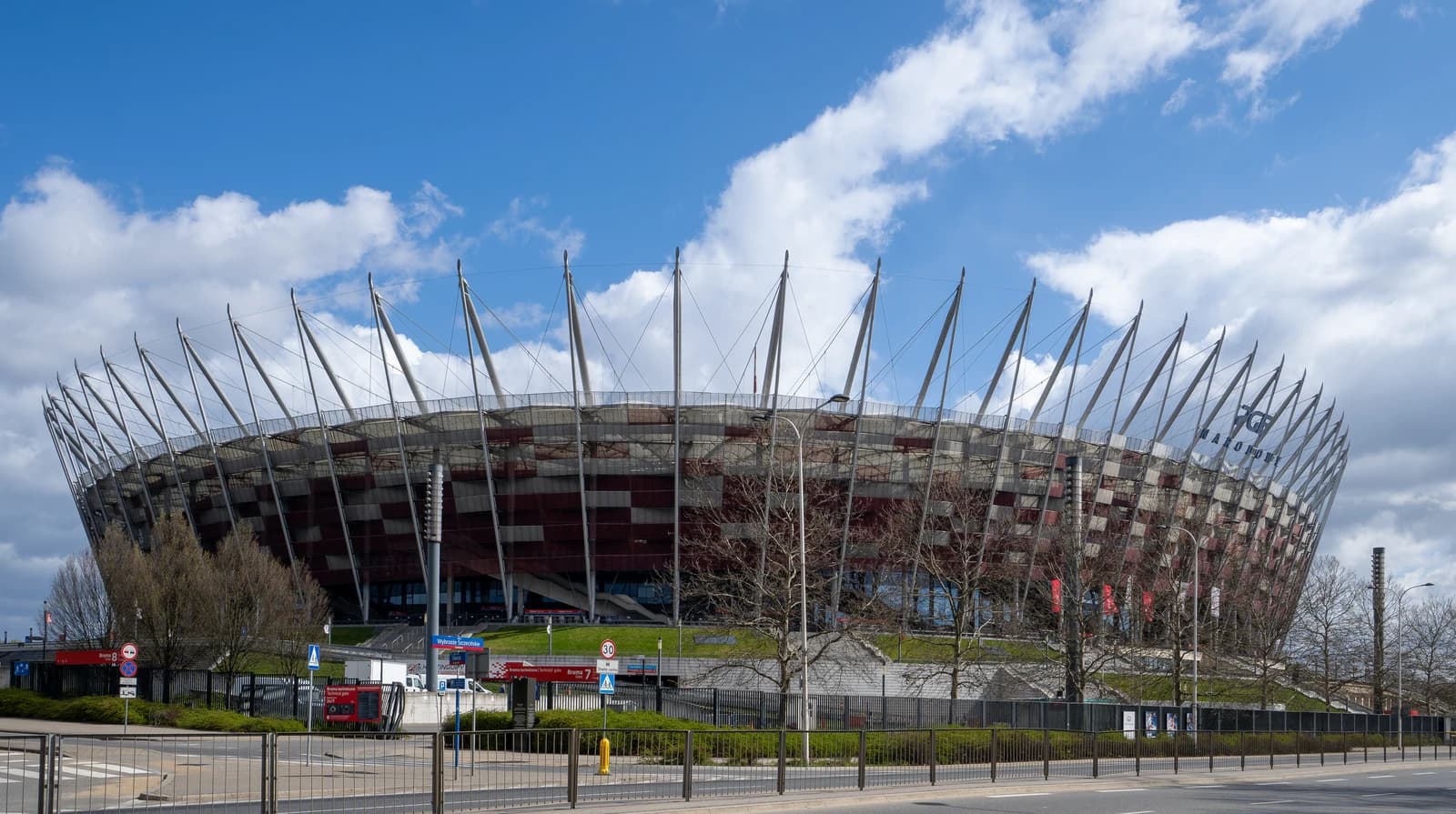
The result matters beyond sport because it shows Montenegro can consistently produce podium contenders on a global stage, a sign of a deeper talent pipeline and more efficient use of limited resources. For a country of Montenegro's size, outperforming far larger programs at an event with about 2,000 athletes strengthens the case for continued public and private support for elite youth development.
Junior Vuk Vučinić won gold in the over-76-kilogram class, while Anes Arifaj and Katarina Đukić took bronze medals. Vučinić beat Ukraine's Vladislav Rudenko 7-4 in the final, completing a rare double after also defeating him in the European final earlier this year in Cyprus.
The Montenegro federation said the team did not lose any medal bout across its last three major championships, a run that includes seven medal matches at the European cadet and junior event in Cyprus, two at the senior European championships in Frankfurt and three in Poland. That kind of conversion rate is what turns promising youth programs into medal-producing systems.
For investors and sponsors in Montenegro's sports economy, the significance is reputational as much as competitive: success at this level can help attract funding, sponsorships and better training conditions ahead of the 2028 European Championships in Podgorica. It also gives the federation a stronger case for retaining top athletes as they move into the senior ranks, where depth is harder to build.
The story is also about momentum. Vučinić is already a world and European champion, while Arifaj and Đukić said their bronze medals mark a step toward the senior category, suggesting Montenegro's next generation is arriving sooner than expected.
| Entity | Gains | Losses |
|---|---|---|
| Montenegro karate federation | ▲Global recognition | ▼Pressure to sustain funding |
| Young Montenegrin athletes | ▲Medals and visibility | ▼Burnout and transition risk |
| Sponsors and sports backers | ▲Stronger brand exposure | ▼Need to invest more |
| Rival national teams | ▲— | ▼Lost medal opportunities |