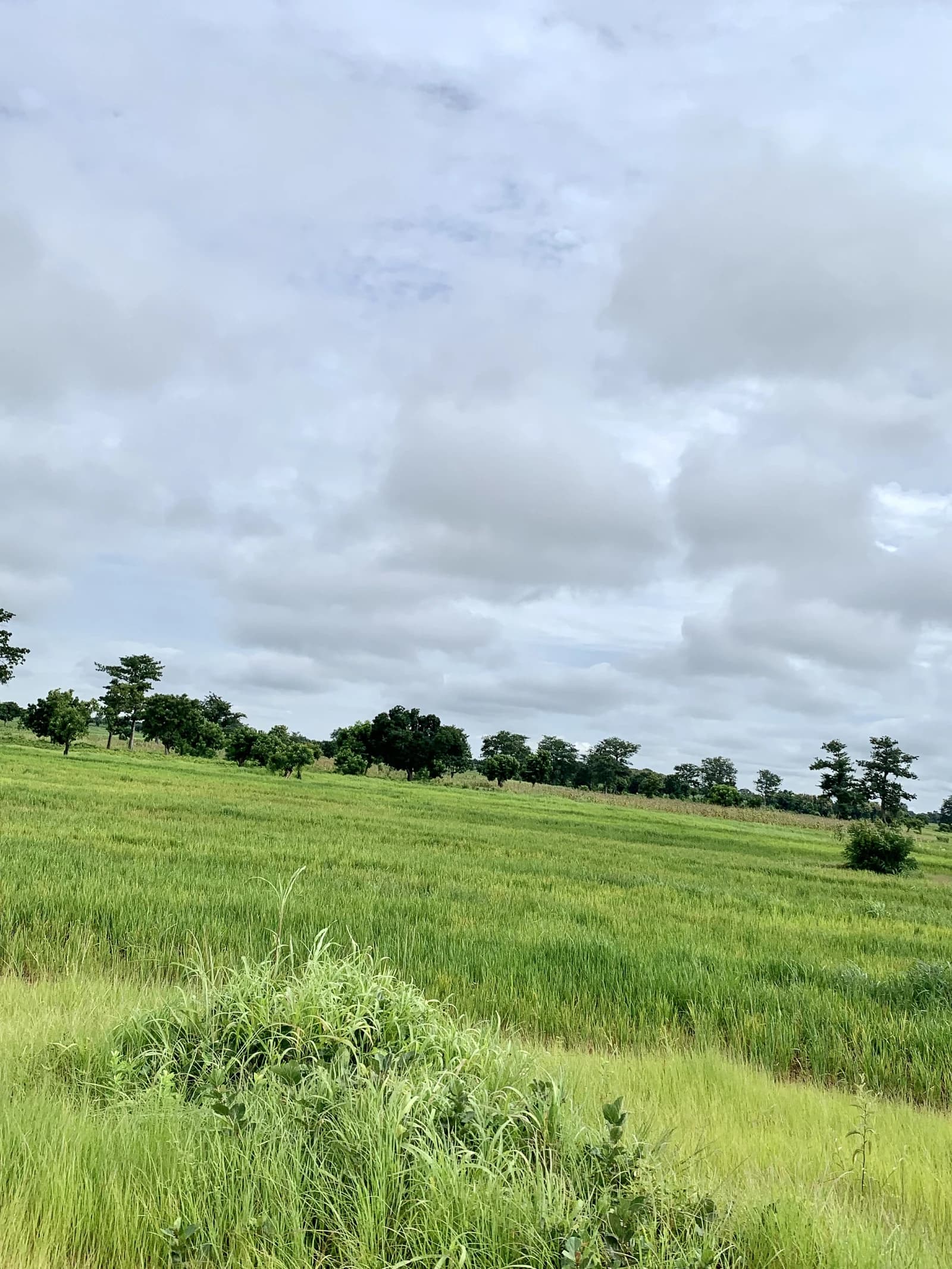
Mozambique’s president is betting that Gaza province can help end the country’s reliance on imported rice and wheat, a move that could reshape the domestic food bill, curb exposure to global grain volatility and open a new investment cycle in irrigation, logistics and processing.
Mozambique's Gaza Targets Rice, Wheat Self-Sufficiency
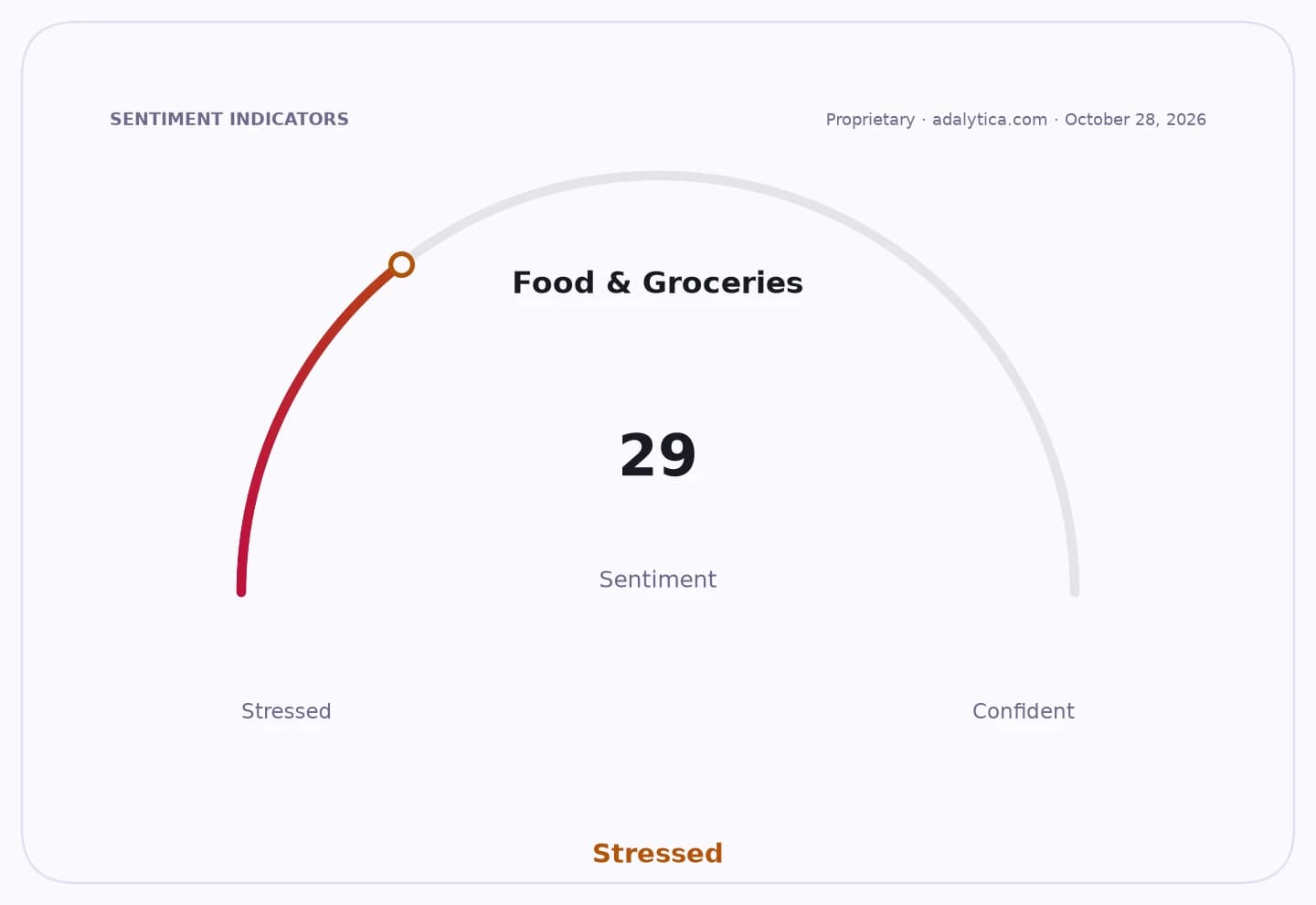
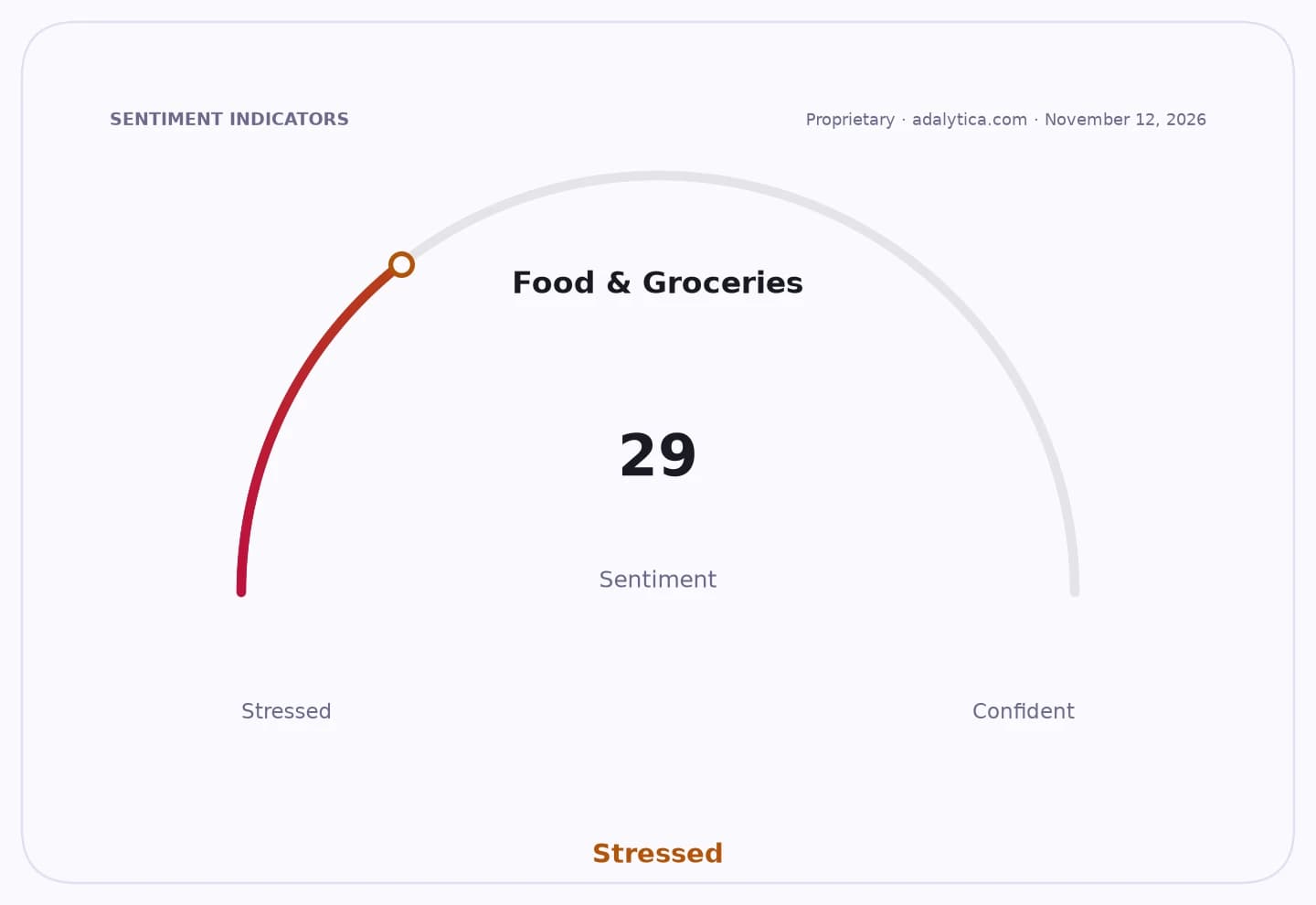
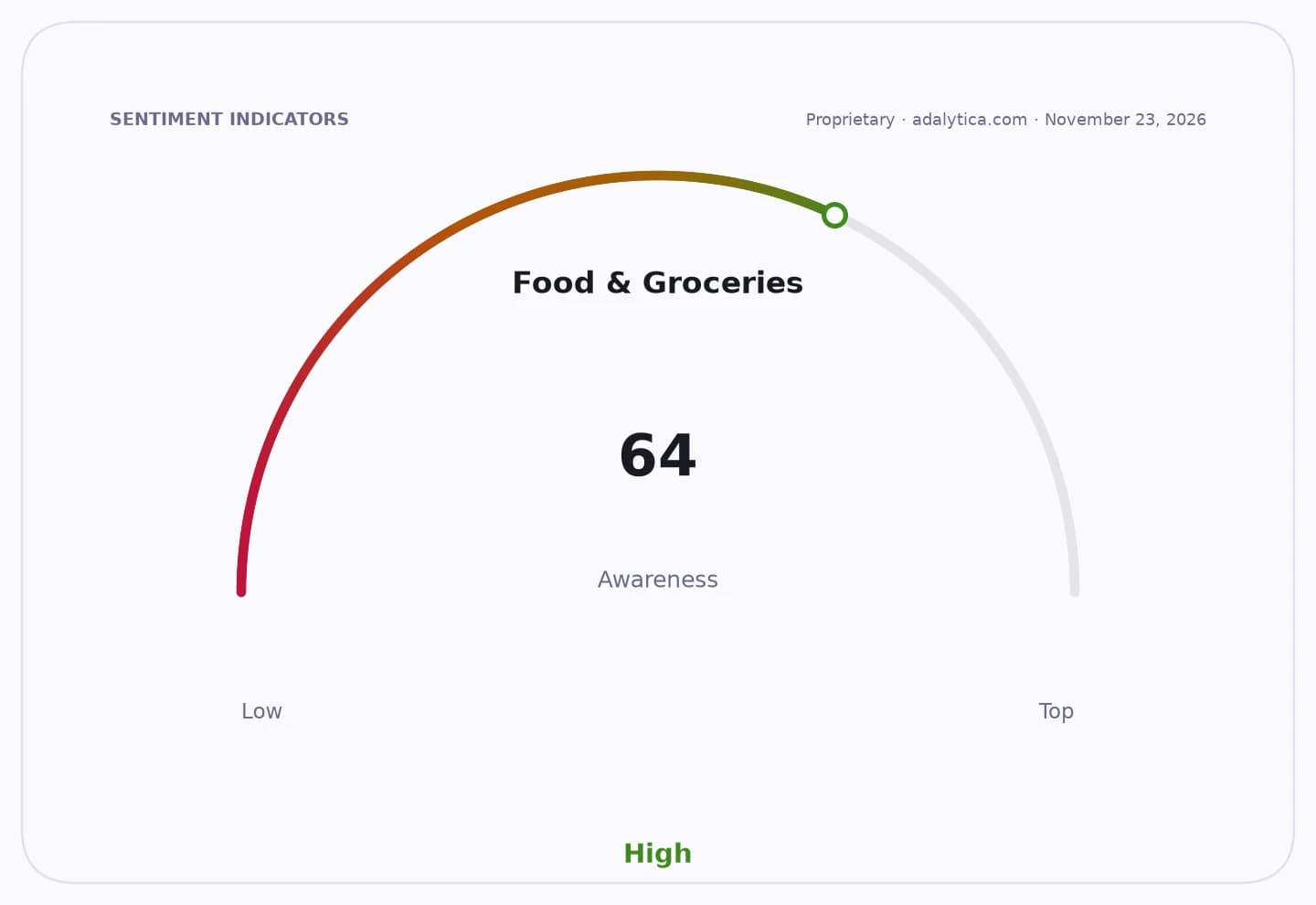
Food & Groceries
Daniel Chapo’s pitch matters because food imports are a drag on foreign exchange, a source of inflation risk and a vulnerability whenever global grain prices swing or shipping routes are disrupted. By shifting production onshore, Maputo is trying to turn a structural weakness into a development opportunity, while giving farmers, processors and infrastructure investors a clearer policy target.
Sentiment Indicators
The government says the first phase would set aside about 2,000 hectares for wheat production, alongside a planned processing unit in Limpopo district. Officials also want rice production and processing on roughly 2,000 hectares, with technology transfer for local farmers, as part of a broader investment package unveiled at Gaza’s second international investment conference.
That is the real economic story here: Mozambique is not just talking about self-sufficiency, it is trying to build a value chain. Chapo said the country must invest across the production chain, especially in modern irrigation, water management and climate-resilient infrastructure to avoid crop losses from droughts and other natural disasters. In a country where weather shocks can quickly erase farm gains, that emphasis is crucial. Without irrigation, storage, processing and transport, local production simply cannot compete with imports on either price or consistency.
For investors, the opportunity is bigger than the crops themselves. If the plan advances, the beneficiaries are likely to be companies exposed to farm equipment, irrigation systems, grain handling, processing, power, gas distribution and industrial parks. The losers are importers, distributors tied to foreign wheat and rice flows, and potentially traders who profit from Mozambique’s dependence on overseas supply.
The timing also fits a broader grain-market backdrop. Wheat and corn prices have been under pressure globally as inventories build and exporters struggle with shifting trade flows and geopolitical disruption. That makes import dependence less attractive strategically, even if it can still look cheaper in the short term. For Mozambique, every surge in global grain prices turns into a direct hit to the trade balance and consumer prices.
Chapo also tied the food strategy to a wider investment push in Gaza, where more than 300 investors gathered and authorities outlined projects including cassava processing, natural gas distribution and industrial parks. He said the conference should be judged not by speeches or signed papers, but by whether projects get built, jobs are created and local communities see benefits. That is the right standard—and the one investors should use as well.
The market underestimates how powerful food self-sufficiency themes can be in frontier economies when they are backed by irrigation, processing and administrative reform. If Mozambique follows through, Gaza could become a test case for an agricultural import-substitution model with multi-year upside for infrastructure, agribusiness and logistics plays. The actionable takeaway: watch for capital flowing first into the picks-and-shovels of food security, not just the farmers.
| Entity | Gains | Losses |
|---|---|---|
| Mozambique government | ▲Lower import bill | ▼Policy credibility risk |
| Gaza farmers/processors | ▲New investment, market access | ▼Execution burden |
| Infrastructure and irrigation firms | ▲Project pipeline | ▼Slow approvals if reforms stall |
| Grain importers/traders | ▲— | ▼Reduced demand for imported rice and wheat |