Ghana’s opposition flagbearer Mahamudu Bawumia is pressing the government to curb rice imports and back local producers, saying cheaper foreign grain is squeezing farmers already battling higher input costs and idle harvests.
Ghana rice import curbs urged by Bawumia
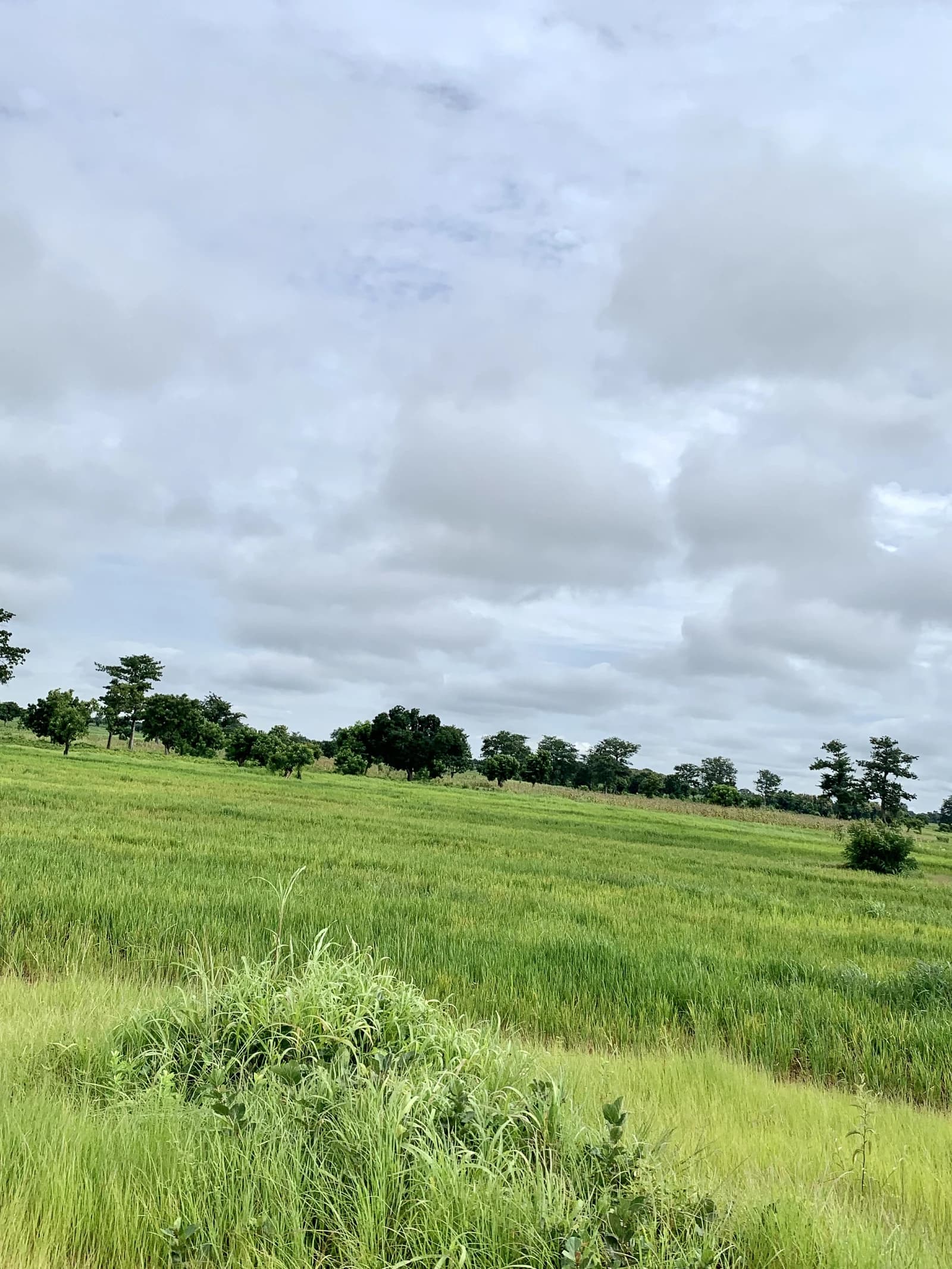
The appeal matters because rice is a core food staple and a test case for Ghana’s broader food-security and import-bill problem. If domestic producers cannot compete on price, the country remains exposed to swings in the exchange rate, global grain prices and overseas supply chains, while rural jobs and farm credit quality deteriorate.
Sentiment Indicators

Bawumia said the cedi’s appreciation has cut import costs by about 40% over the past two years, making imported rice cheaper than local output once tariffs and production expenses are added. “You are hurting the farmers,” he told growers at Asutsuare, arguing that Ghana should treat rice like a strategic crop rather than leave the market fully open.
Farmers say the damage is already visible. Producers in irrigation communities including Asutsuare, Akuse and Kpong said they have struggled to sell rice for two straight seasons, with some stock piling up in mills and being damaged by weevils. One farm representative said thousands of tonnes were trapped in storage, leaving growers under pressure to service loans taken to finance planting.
Bawumia called for more government procurement of local rice for schools, prisons and other public institutions, a stronger National Buffer Stock Company, a cut in imports and a revival of fertilizer subsidies. He also urged completion of Phase Two of the Pwalugu Irrigation Project, which he said has stalled for two years, arguing that better irrigation and lower input costs are needed to lift domestic output.
The economic risk is that without policy support, Ghana could deepen its dependence on imported rice just as local farmers scale back production. For investors, that keeps pressure on agricultural lenders, rice millers and storage operators tied to domestic supply, while any move to protect local output could reprice importers, distributors and food processors that rely on cheaper foreign rice.
The debate is likely to sharpen as the government weighs food-price relief against farm protection. Any intervention on tariffs, public procurement or import controls would be closely watched by traders and agribusinesses because it could reshape margins across Ghana’s rice market.
| Entity | Gains | Losses |
|---|---|---|
| Local rice farmers | ▲Higher sales, price support | ▼Cheaper import competition |
| Ghana government | ▲Food-security gains, rural support | ▼Lower short-term price relief |
| Rice importers | ▲Stable open-market access | ▼Tighter import controls |
| Consumers and public buyers | ▲More domestic supply resilience | ▼Potentially higher rice prices |