Iraq’s claim that it has nearly eliminated wheat import dependence is a major policy and macroeconomic milestone, reducing exposure to global grain shocks just as weather, geopolitics and currency moves continue to jolt wheat markets.
Iraq wheat self-sufficiency reaches 99.5% in 2023
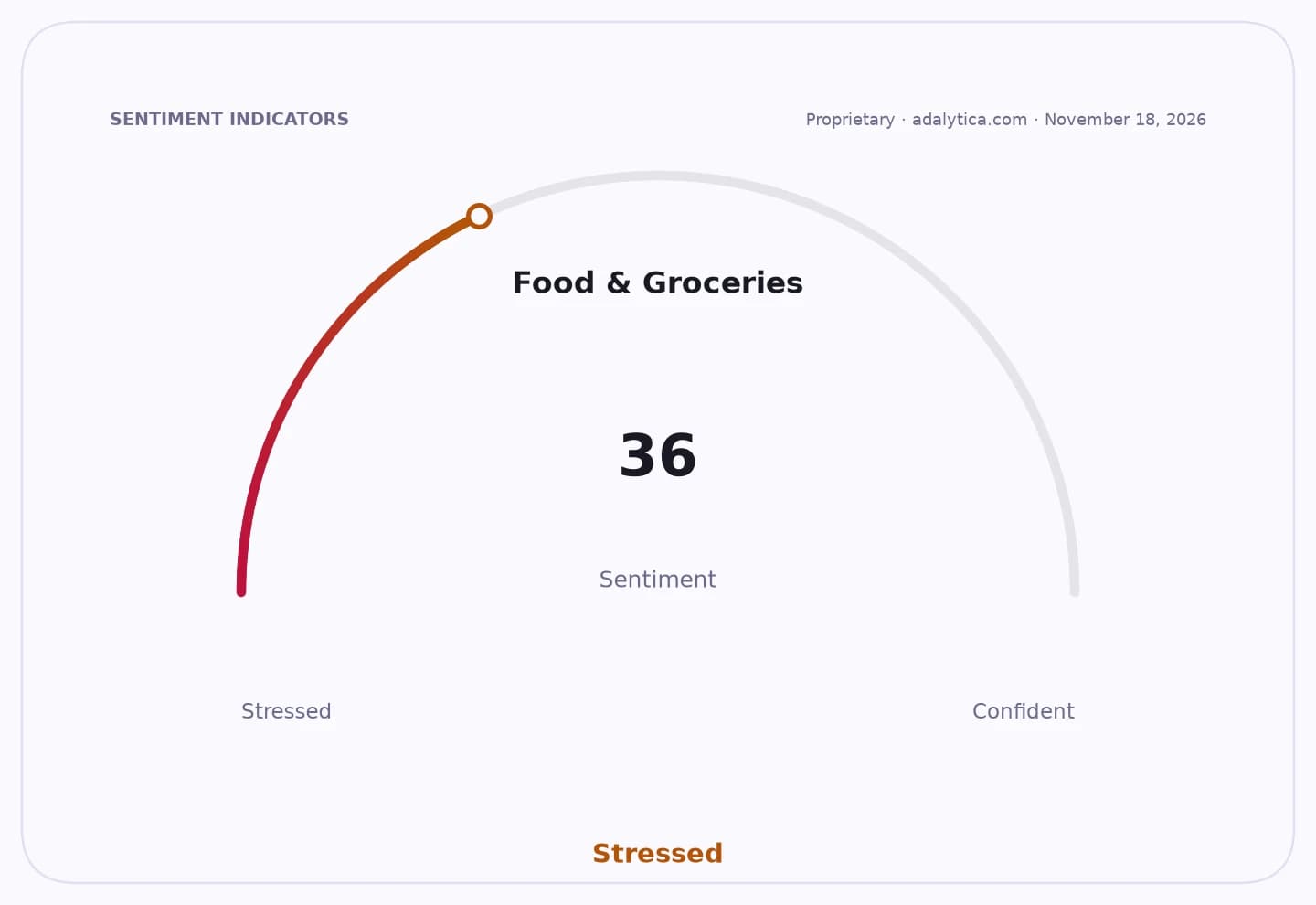
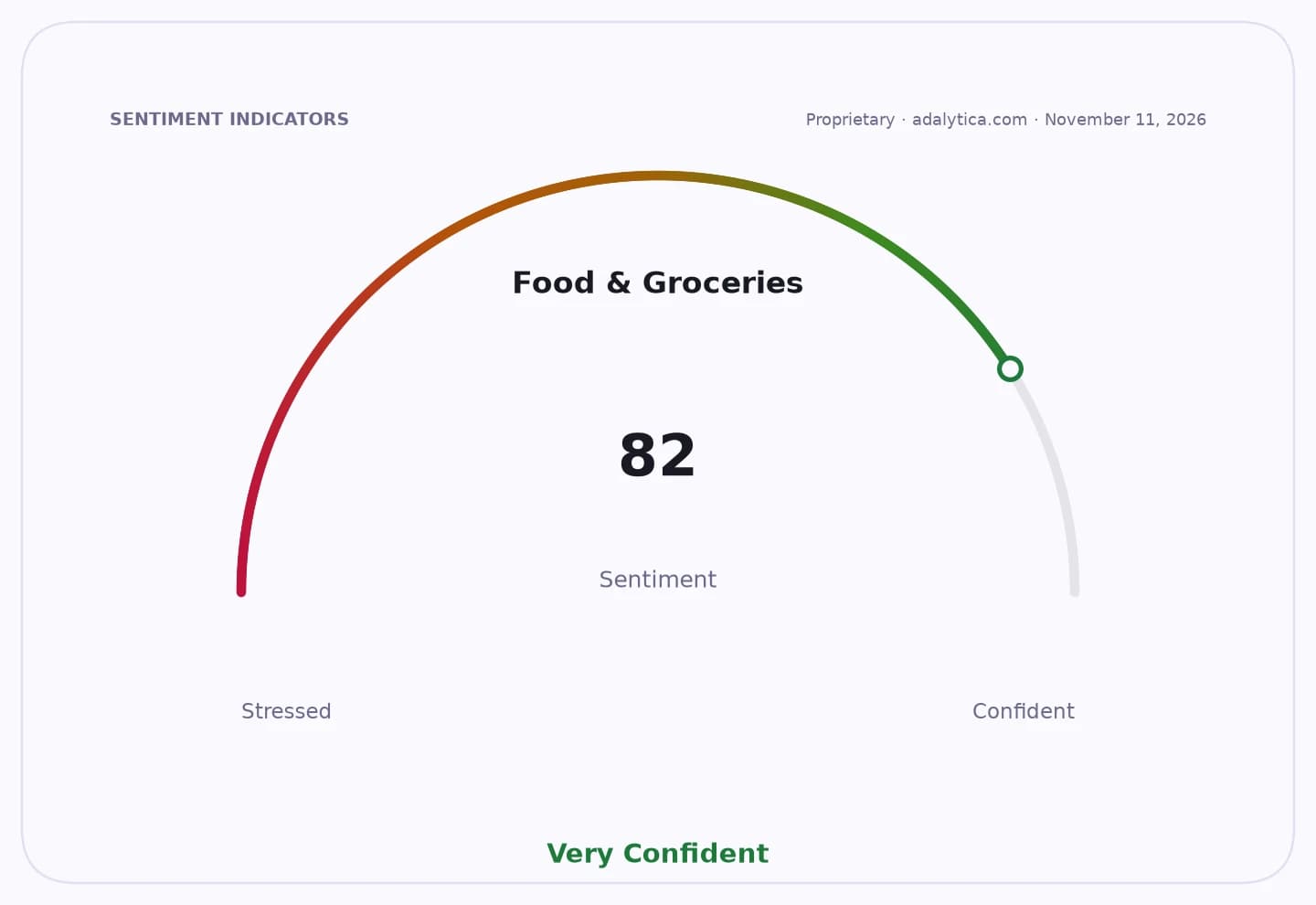
Food & Groceries
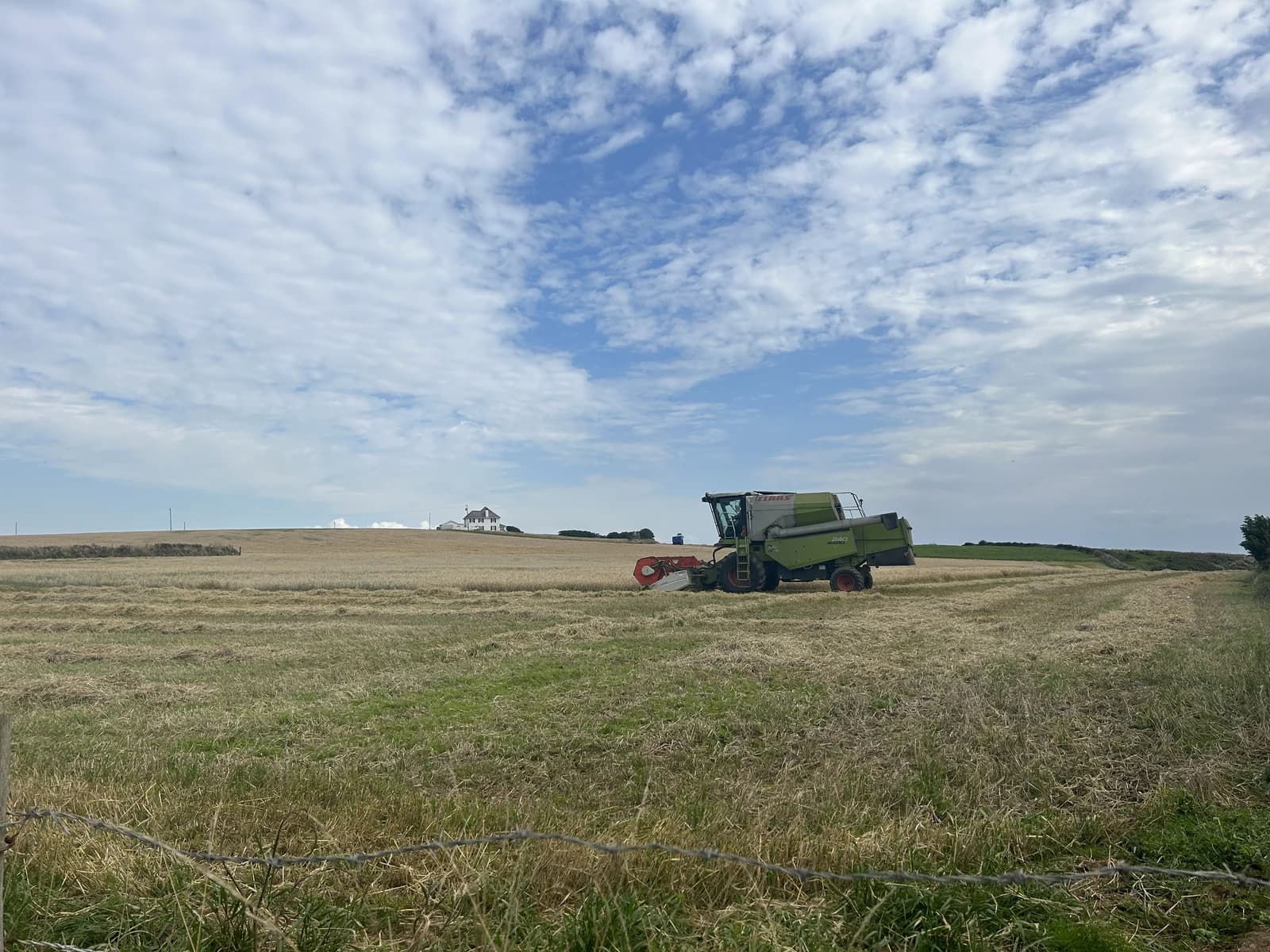
The planning ministry said domestic wheat self-sufficiency reached 99.5% in 2023, a level that implies the country is now covering almost all of its staple bread-grain needs at home. For a country that has long relied on imports to feed a rapidly growing population, that shifts the economics of food security: less hard-currency outflow for grain purchases, lower vulnerability to Black Sea supply disruptions and more room for Baghdad to manage public food subsidies.
Sentiment Indicators
The announcement matters beyond the headline number because wheat remains central to Iraq’s social contract. Bread subsidies are politically sensitive, and any large import bill can quickly become a fiscal issue when oil revenues swing. A move from chronic dependence to near self-sufficiency also changes the leverage of foreign suppliers and traders who have historically benefited from Iraqi demand.
But the data also show how fragile that balance remains. Iraq’s rice output collapsed by more than 95% between 2017 and 2023 as water shortages forced a sharp reduction in planted area, pushing self-sufficiency in rice to just 0.6% and creating an import gap of more than 2.06 million tons, according to the ministry. That underscores the trade-off at the heart of Iraq’s agricultural strategy: gains in wheat are being built on tighter water management and crop-priority decisions, not broad-based resilience across all staples.
The ministry said better water availability allowed it to expand rice acreage in 2024, before restrictions on its cultivation were lifted as a strategic crop in June 2026. That suggests Baghdad is using irrigation policy, planting quotas and crop prioritization to steer food security, rather than relying on market signals alone. For investors in global grain markets, the implication is that Iraq may be a smaller incremental importer of wheat, but it remains highly sensitive to water stress and domestic policy shifts that can quickly alter demand for rice and other staples.
The broader agricultural picture is mixed. Iraq said tomato output rose 75.4% in 2023, chicken self-sufficiency reached 82.2%, and potato self-sufficiency was 97%. Dates, meanwhile, were well above domestic needs, with self-sufficiency of 178.5% and a surplus of more than 329,800 tons, reinforcing Iraq’s position as a major regional exporter of dates. The country ranked fourth globally in date production in 2023, and earlier agriculture ministry comments suggested exports have ranged between 300,000 and 350,000 tons.
For commodity markets, the headline is less about immediate price impact than about the direction of trade flows. Iraq’s wheat import demand should be structurally lower if the self-sufficiency figure holds, even as rice purchases remain substantial. That is supportive for domestic producers and government stockpiles, but less helpful for exporters and grain traders counting on steady import demand from one of the Middle East’s largest food markets.
The next test is whether Iraq can preserve wheat gains without repeating the collapse seen in water-intensive crops. If rainfall improves and irrigation policy stays supportive, Baghdad could consolidate a more durable food-security buffer. If water stress returns, the country may again be forced to choose between wheat, rice and other staples, with import demand shifting quickly back to the international market.
| Entity | Gains | Losses |
|---|---|---|
| Iraqi government | ▲Lower wheat import bill | ▼Less policy flexibility on water use |
| Iraqi wheat farmers | ▲Stronger domestic demand | ▼Exposure to drought and input costs |
| Global wheat exporters | ▲Smaller Iraq demand risk | ▼Loss of a large import market |
| Iraqi consumers | ▲More secure bread supply | ▼Higher risk on rice availability |