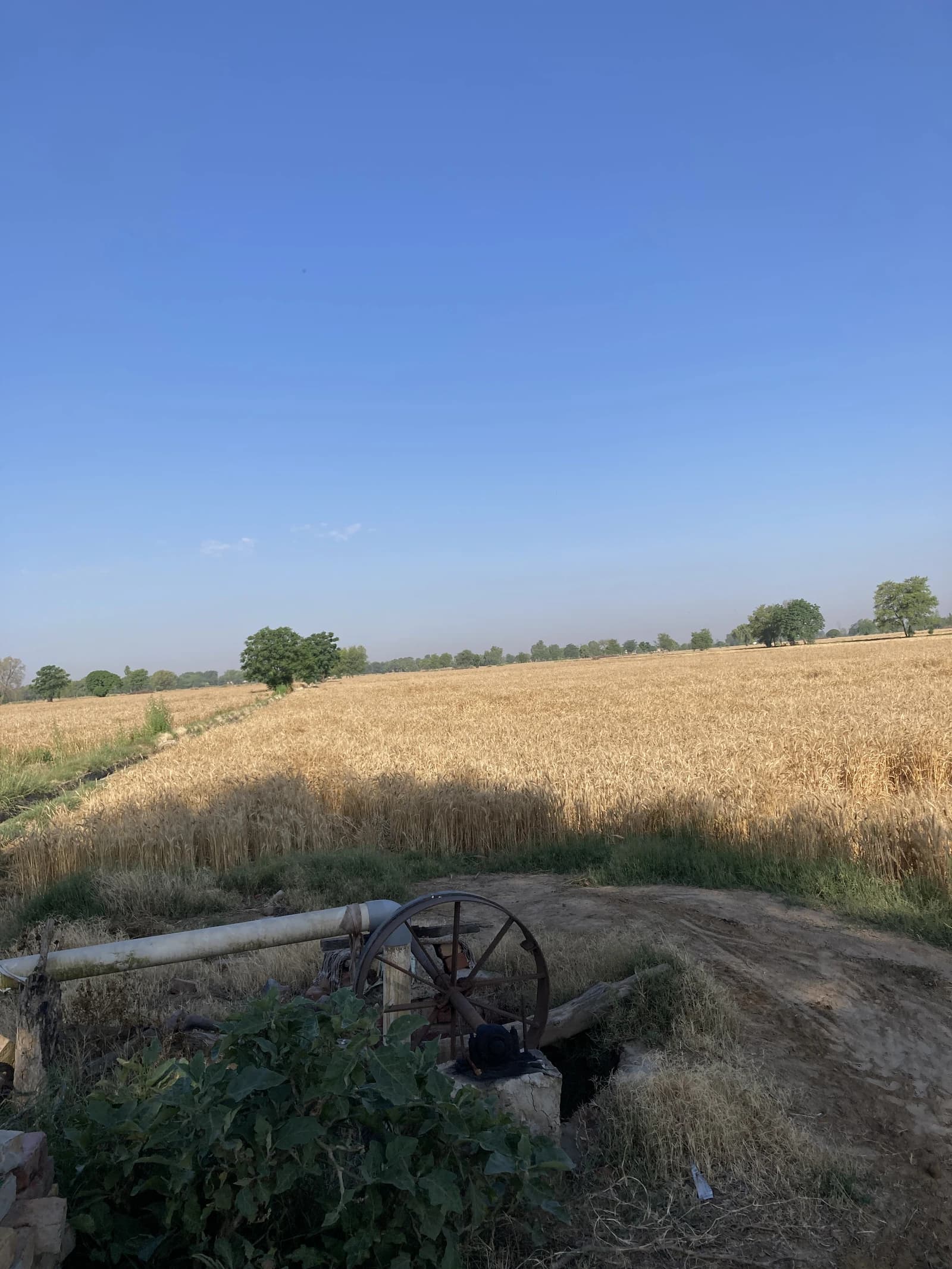
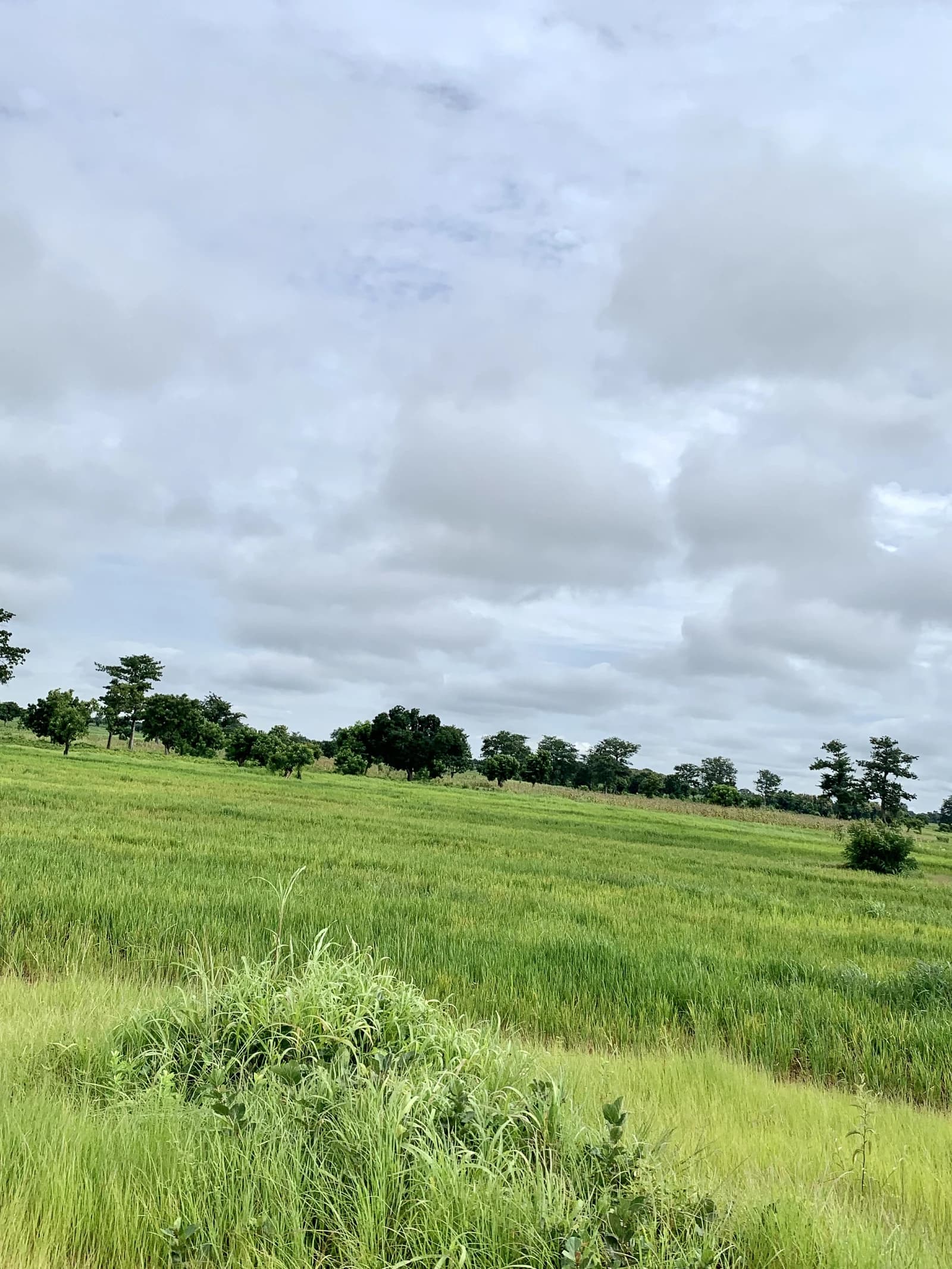
Sudan’s Al-Jazira state has banned the transport of wheat and corn outside its borders, a move that is intensifying a wider dispute over food security in a country already battered by war, falling farm output and fears of famine.
Sudan Al-Jazira bans wheat and corn transport
The order, issued by Governor Al-Tahir Ibrahim Al-Khair, is meant to protect strategic grain reserves and curb smuggling, but it also risks tightening supply chains in a market where the movement of food has become part of the conflict economy. A similar restriction is already in place in Gedaref, underscoring how state-level controls are replacing normal inter-state trade as the war deepens fragmentation in Sudan’s agricultural heartlands.
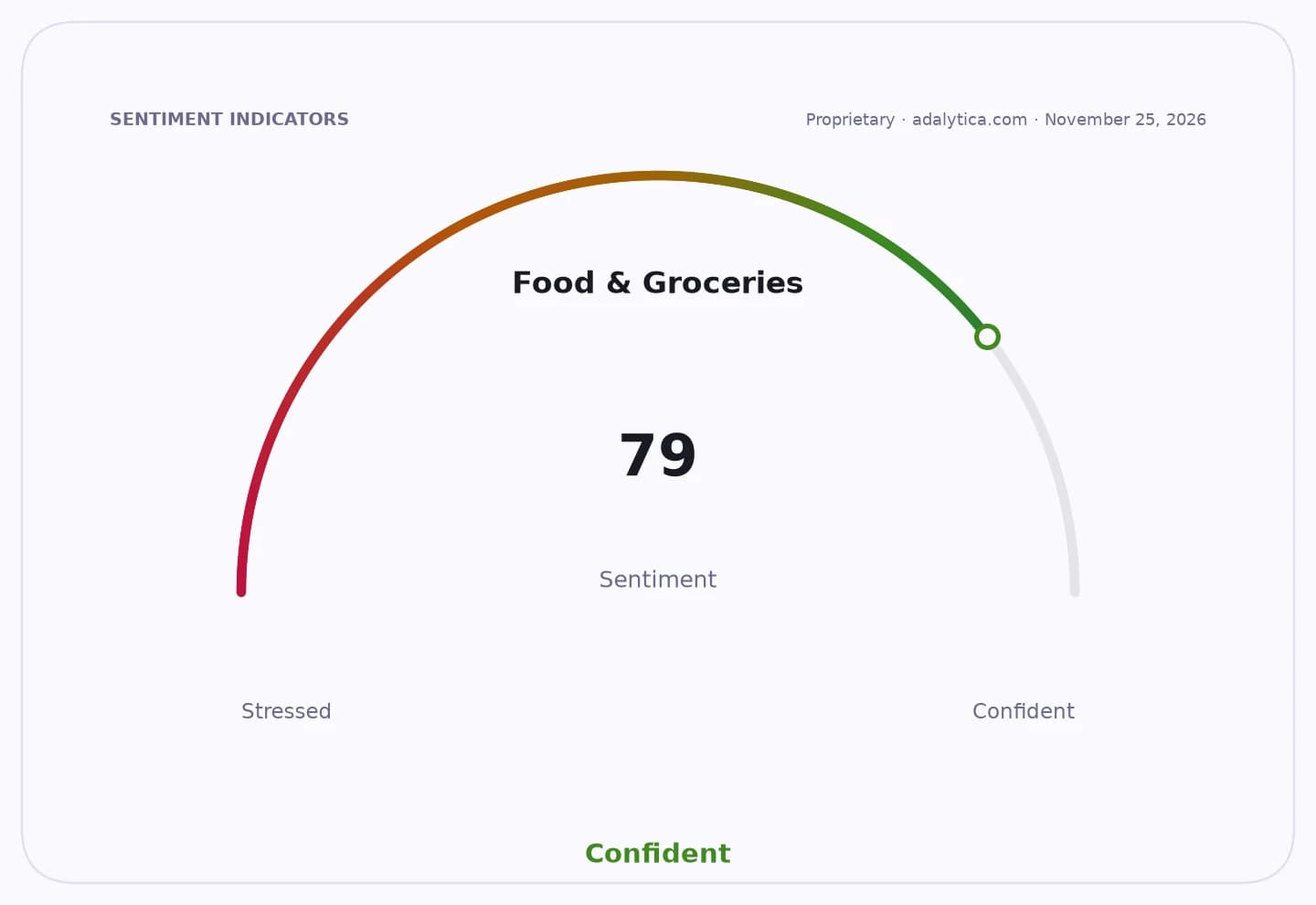
Sentiment Indicators
For investors and commodity traders, the key issue is not just the ban itself but what it says about supply stress. Al-Jazira and Gedaref are among Sudan’s main grain-producing areas, and officials say the measure responds to a sharp drop in planted acreage, lower yields, irregular rainfall, shrinking Nile water and higher production costs. That combination has raised the risk of localized shortages even as authorities insist the season has not failed.
The government is also trying to push back against international warnings of imminent famine. A senior food-security official at the agriculture ministry dismissed those alerts as false and said the restrictions are a legal tool to prevent hoarding, black-market sales and speculative buying of grain at “astronomical” prices.
He said the policy is already having an effect, pointing to a drop in corn prices in Al-Jazira from 120,000 Sudanese pounds to 90,000 pounds. But that price relief comes with a trade-off: tighter controls may stabilize supplies inside the producing states while making it harder for displaced families and deficit regions to access grain through normal channels.
The controversy also highlights a broader battle over who controls Sudan’s food system. Officials accuse armed opponents of blocking aid access and closing crossings, while aid groups have warned that reduced international assistance is worsening hunger among displaced people who are no longer producing food themselves.
For markets, the direct global impact is limited, but the policy adds another layer of stress to a fragile grain backdrop already shaped by export and logistics disruptions in other major producing regions. In Sudan, the immediate focus remains on whether state-level transport bans keep prices contained locally or deepen shortages elsewhere as the conflict keeps war, trade and food security tightly intertwined.
| Entity | Gains | Losses |
|---|---|---|
| Al-Jazira authorities | ▲Tighter stock control | ▼Trade friction |
| Local consumers in Al-Jazira | ▲Lower corn prices | ▼Less cross-border supply |
| Smugglers and speculators | ▲None | ▼Stricter enforcement |
| Displaced households and deficit regions | ▲None | ▼Harder grain access |