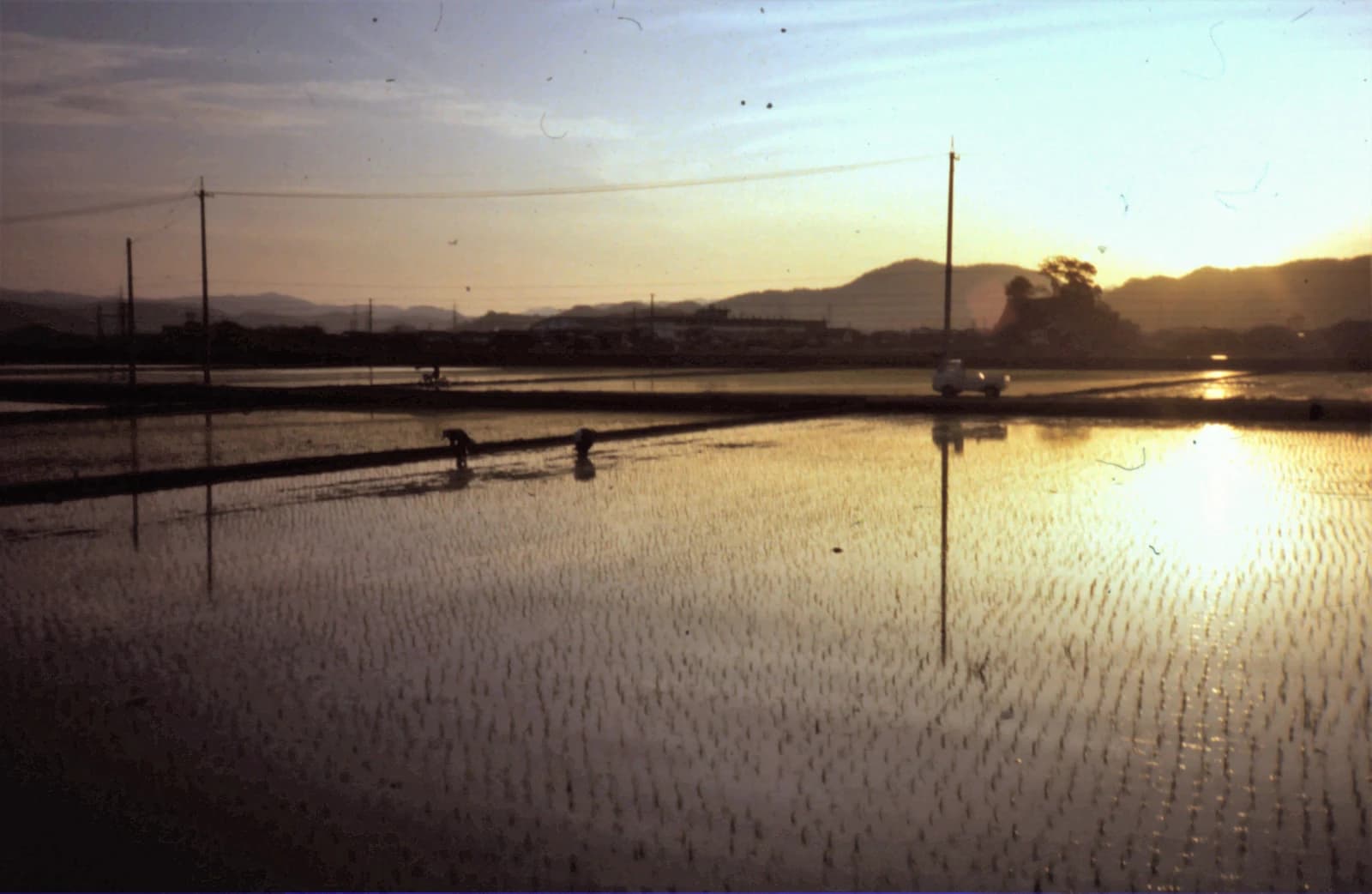
Wheat markets are being pulled higher by fresh supply disruptions in the Black Sea and firm retail buying in India, where a Patna seller is asking ₹28 a kg for A-grade wheat, underscoring how local shortages and global export risks are keeping prices elevated.
Wheat Prices Rise on Black Sea Supply Disruptions
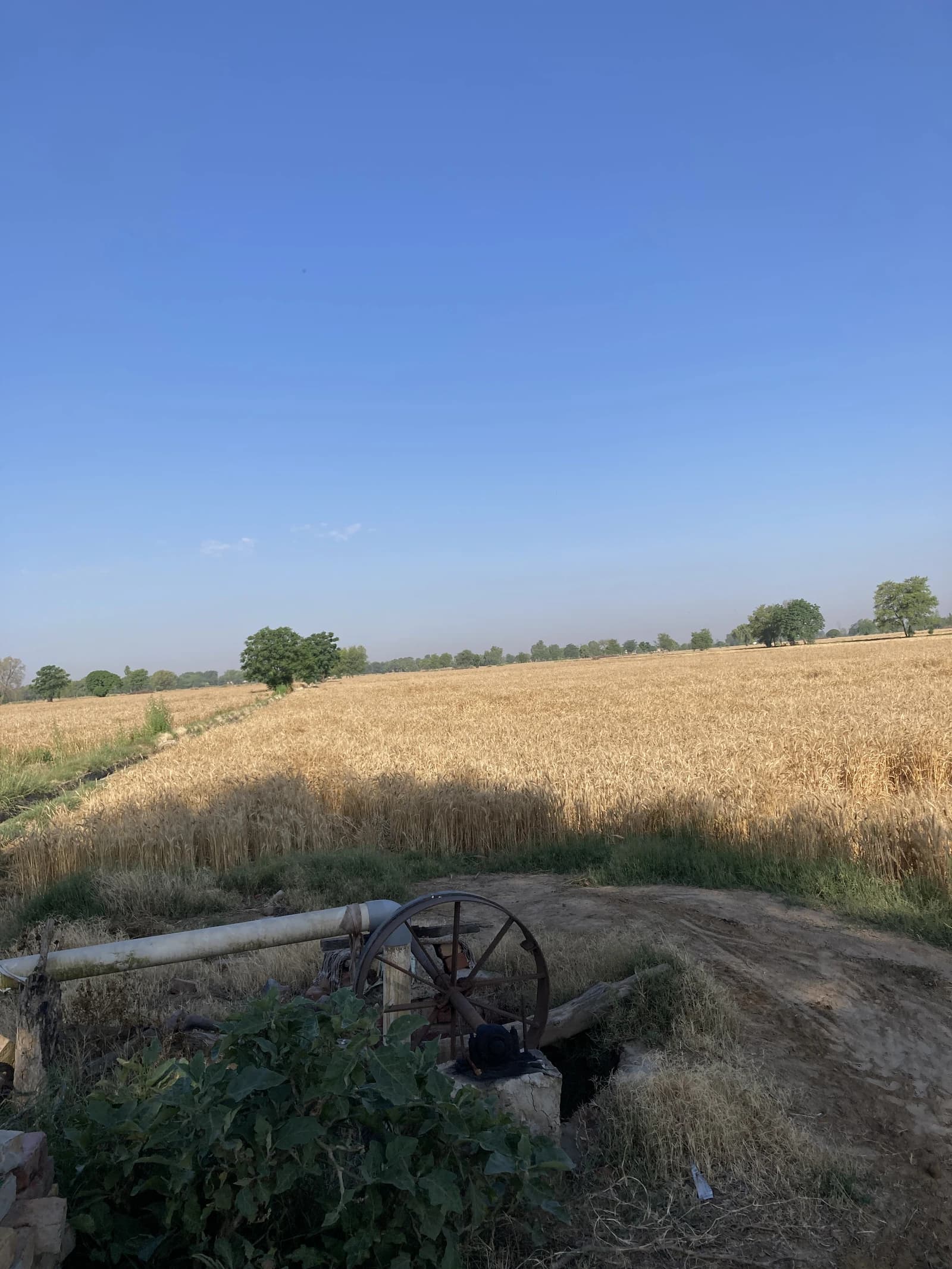
The bigger economic story is not just a one-off grocery quote in Bihar but a tightening in the physical wheat chain at a time when import-dependent countries are still sensitive to food inflation. Reports that Russian wheat deliveries have been blocked after damage to the Kerch Bridge have reinforced concerns over Black Sea logistics, one of the world’s most important grain arteries. That has fed through into Chicago wheat futures, with the WEAT exchange-traded fund still trading above its 200-day moving average even after a recent pullback, a sign that the market remains supported despite intermittent selling.
For consumers, the implications are straightforward: any supply shock in global wheat tends to show up quickly in flour, bread and packaged food costs. For governments, it complicates efforts to contain food inflation without resorting to trade controls or emergency imports. Pakistan’s plan to bring in 800,000 tons of wheat to steady domestic prices, alongside Egypt’s renewed purchases from Europe after cutting local wheat prices, shows how governments are still intervening to secure supply and cool local markets.
The market backdrop is mixed. US wheat crop conditions have improved, which should cap upside if harvests remain normal, but global trade flows are still vulnerable to geopolitics, weather and freight bottlenecks. Technical readings on WEAT show the fund above its 200-day average, while momentum indicators have weakened from earlier highs, suggesting investors are not chasing the rally but also are not yet betting on a clean break lower. Corn has also firmed and then eased, reflecting a broader grains market that is reacting to shifting weather and export expectations rather than any single catalyst.
For investors, that keeps wheat exposed to headline risk and policy response. A durable easing in prices would likely require clearer Black Sea shipping conditions, stronger supply from major exporters and no fresh import bids from large buyers. Until then, the balance of risks remains tilted toward periodic spikes, with consumer inflation and grain-linked equities sensitive to every disruption in the export corridor.
| Entity | Gains | Losses |
|---|---|---|
| Wheat producers/exporters | ▲Higher selling prices | ▼Volatility risk |
| Importing governments | ▲Short-term supply security | ▼Higher subsidy bills |
| Consumers/bakers | ▲Cheaper only if supply normalizes | ▼Higher food costs |
| WEAT holders | ▲Upside from supply shocks | ▼Weakness if crops improve |