Japan’s rice market is turning tighter again just as the country’s staple food remains a political and inflationary pressure point, with an industry outlook gauge jumping 19 points to 47 in October as persistent rain raised fears over grain quality and harvest size.
Japan rice outlook gauge jumps on rain fears
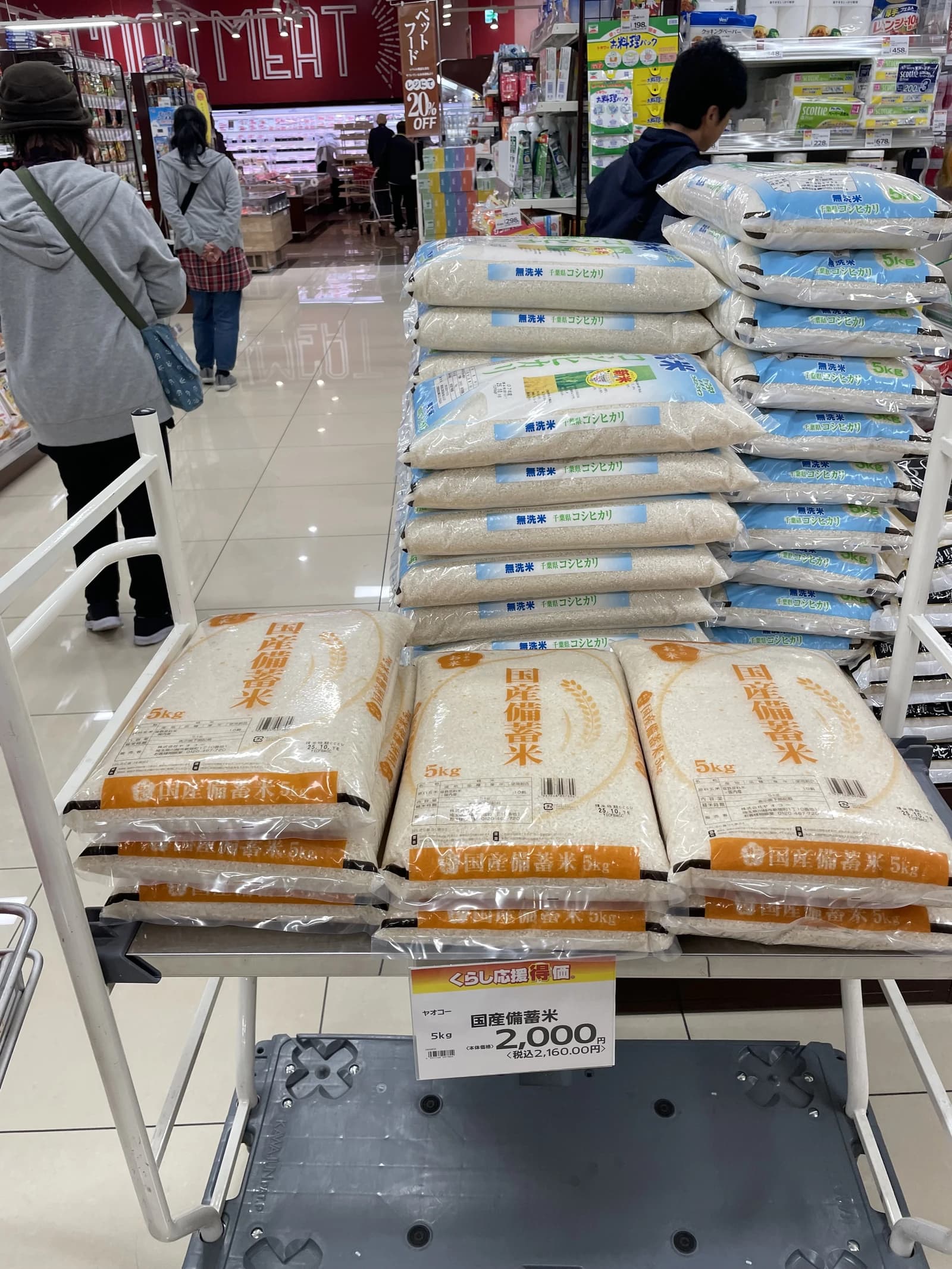
The move matters because rice is not a niche agricultural trade in Japan; it is a household staple with outsized influence on food inflation and consumer sentiment. When traders, millers and retailers begin to price in weaker yields, the impact can ripple through wholesale pricing, supermarket shelves and the broader cost-of-living picture, even if the gauge remains below the neutral 50 level.
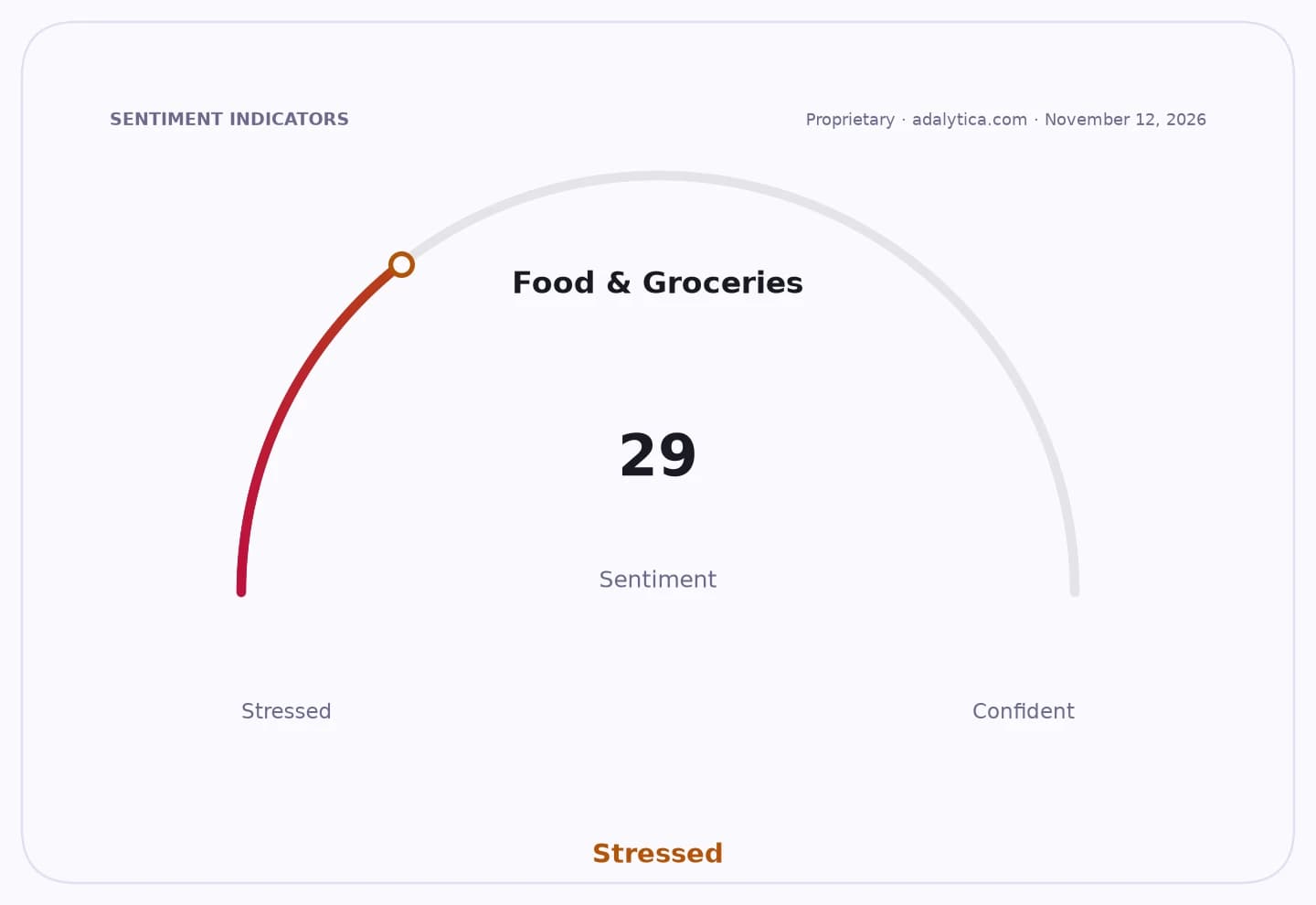
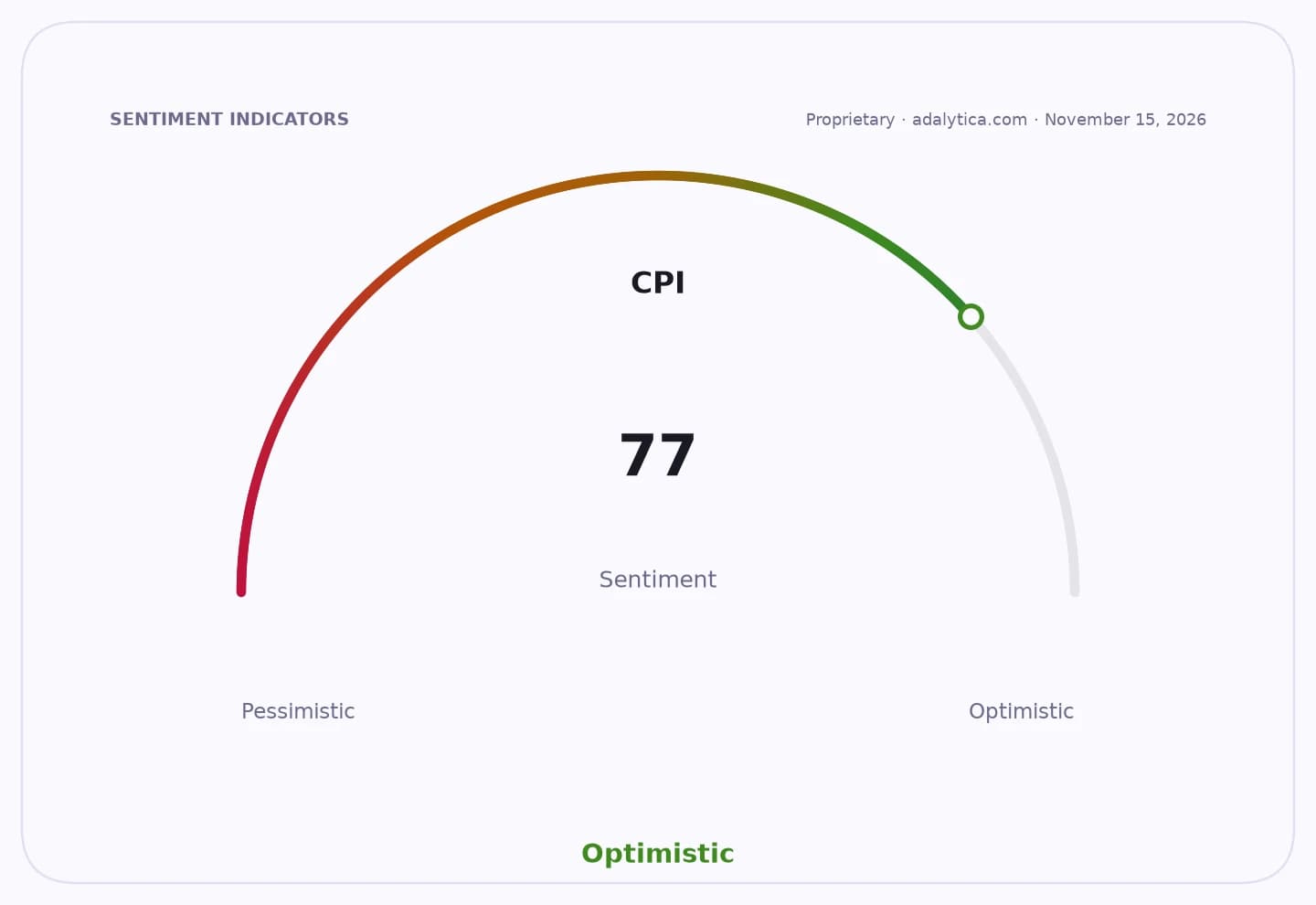
Sentiment Indicators
The latest reading from the Rice Stable Supply Support Organization shows expectations of cheaper rice prices have stopped deteriorating for now. The index remained below 50 for a 13th straight month, but the sharp rebound from the previous month suggests the market is shifting from oversupply fears to concern about supply tightening. That is a meaningful change for Japan’s food chain, where weather disruptions can quickly alter the balance between inventories and future pricing.
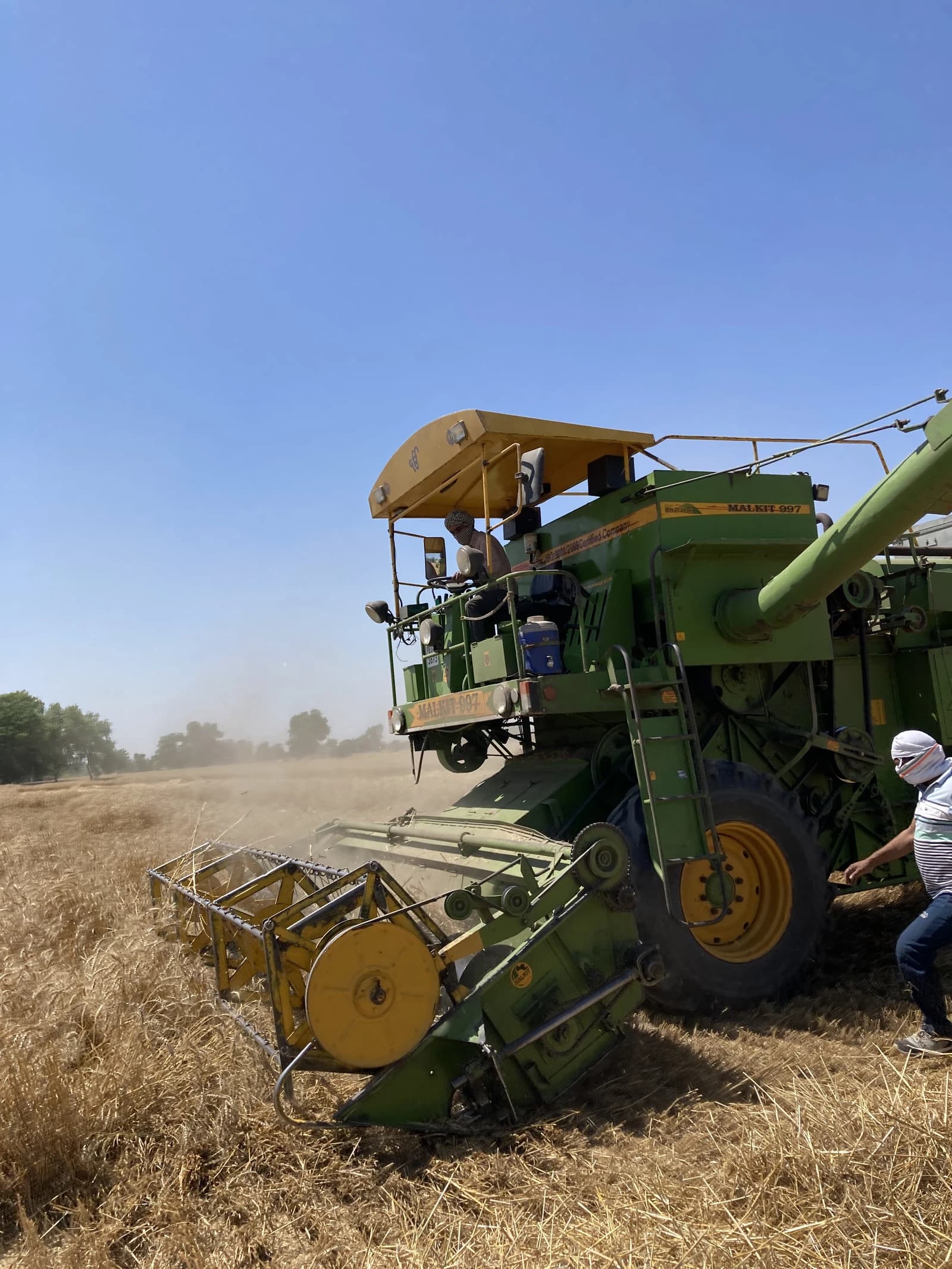
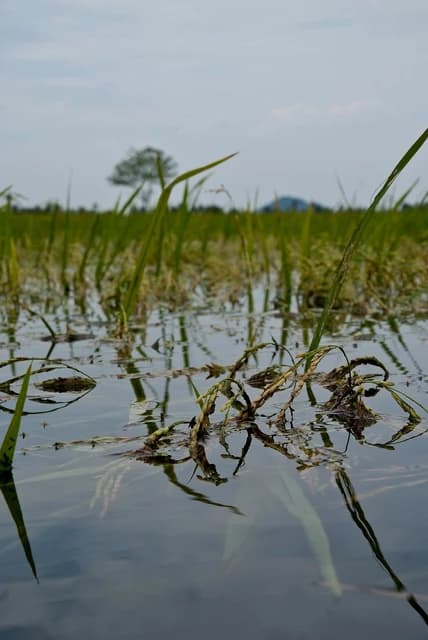
The trigger is straightforward: long rains in October have increased anxiety about lower yields and quality damage. For a crop as politically sensitive as rice, any sign of harvest stress can rapidly feed into procurement behavior, hoarding risk and margin pressure for distributors. It also keeps policymakers alert, because food inflation remains one of the most visible ways weather shocks reach consumers.
For investors, the message is less about rice itself than about the beneficiaries of a firmer grain backdrop and the losers from higher input costs. A tighter rice market can support agricultural exposure, while foodmakers and retailers face the prospect of passing through costs in a still-fragile consumer environment. The recent strength in broad agriculture funds such as DBA and wheat proxy WEAT underscores how weather and supply concerns can lift the entire complex, even when the original shock is crop-specific.
The market underestimates how quickly a staple-food narrative can become an inflation narrative. If rains continue to damage output or if inventories prove thinner than expected, rice prices could stay elevated into year-end and force a rethink on food-cost assumptions. The trade to watch now is not whether rice prices have peaked, but whether Japan’s supply chain is about to reprice a basic necessity higher again.
| Entity | Gains | Losses |
|---|---|---|
| Rice producers | ▲Firmer selling prices | ▼Lower harvest volume |
| Grain traders/wholesalers | ▲Wider pricing power | ▼Inventory risk |
| Food retailers/consumers | ▲— | ▼Higher staple costs |
| Agriculture ETFs/assets | ▲Weather-driven inflows | ▼If supply normalizes |