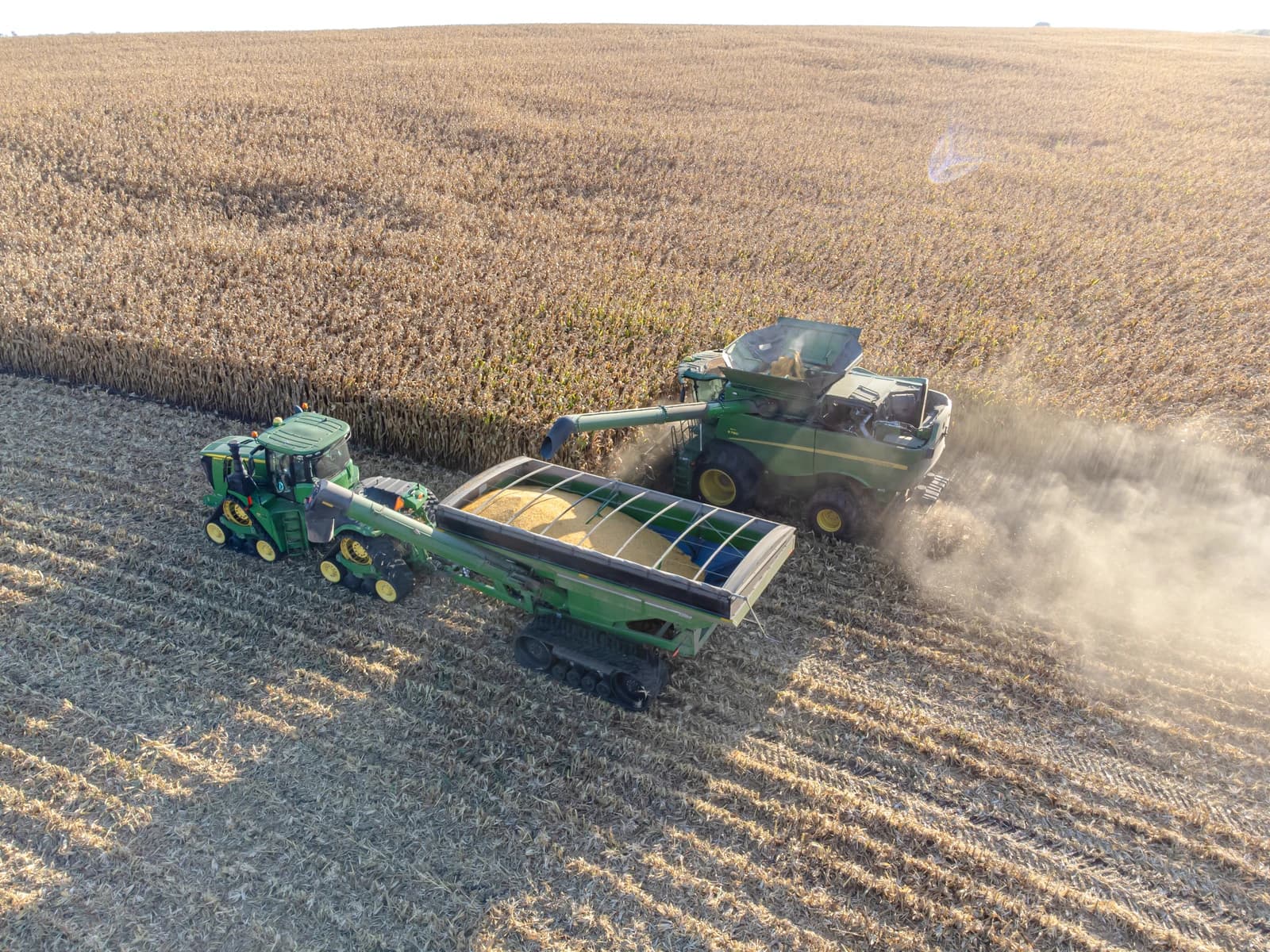
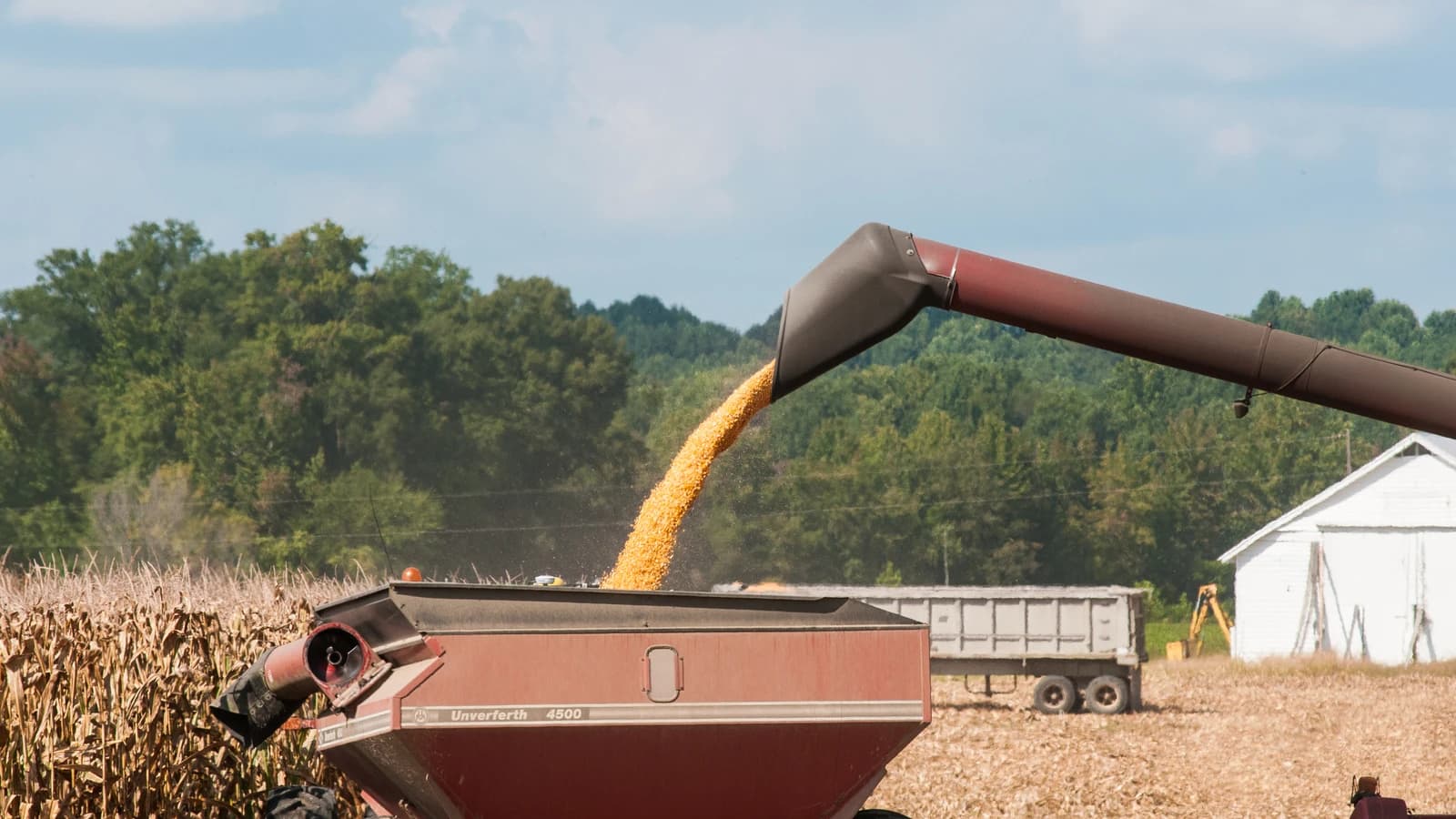
Corn prices remain under pressure from drought-related supply stress, and that matters far beyond the farm gate because grains sit at the center of food inflation, livestock feed costs and global trade flows.
Corn Prices, Drought and Inflation Outlook
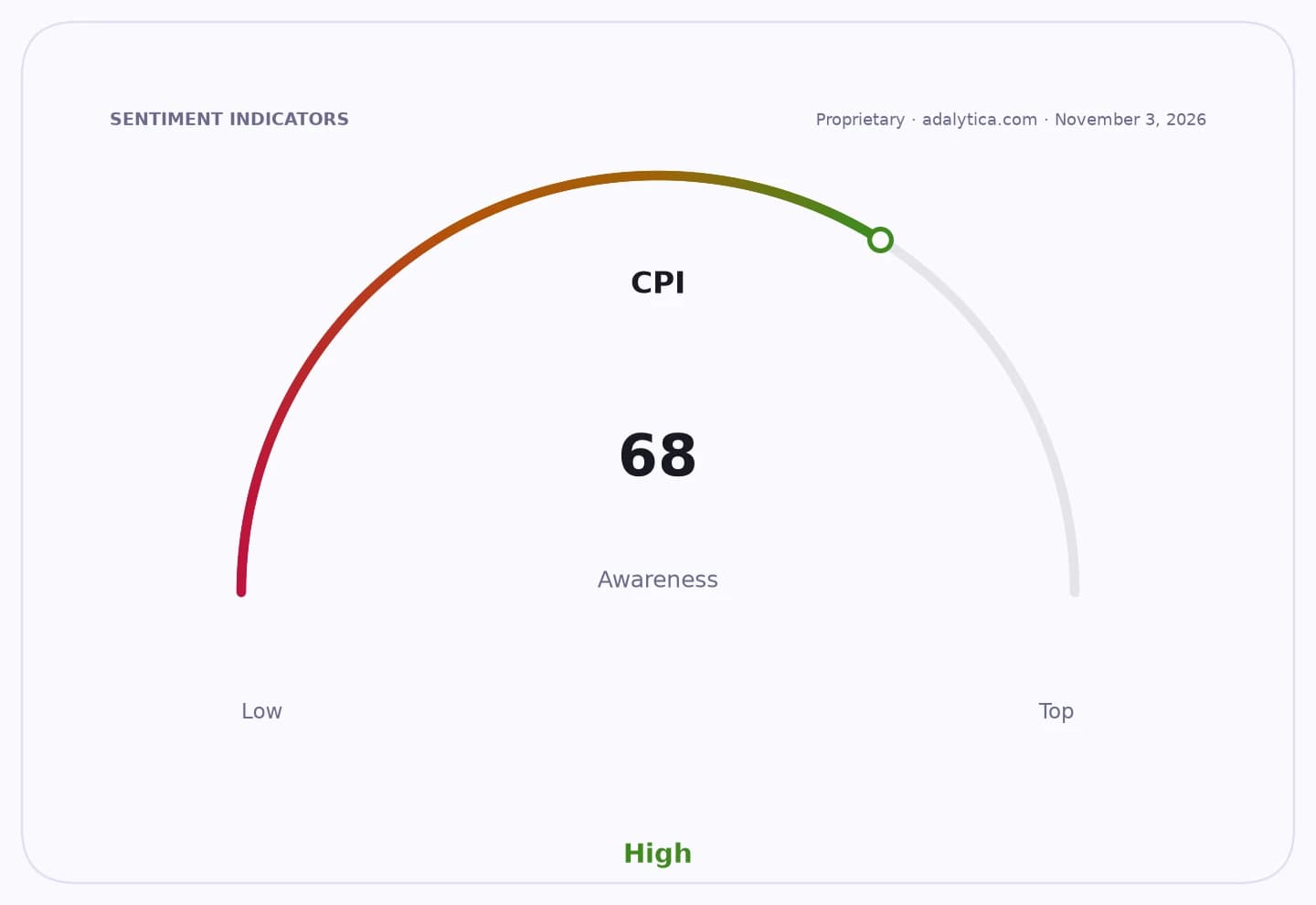
CPI
The most important takeaway for investors is not the headline move in corn itself, but the way persistent drought can ripple through the consumer economy. When corn gets expensive, feed bills rise for livestock producers, margins get squeezed for food manufacturers and grocery price relief becomes harder to come by. That is why a drought in a key growing region can become a broader inflation story, especially when households and governments are already sensitive to food costs.
Sentiment Indicators
In the futures market, corn was trading around $17.18 a bushel on Nov. 13, after touching $20.27 in late September and briefly slipping to $16.47 in late June. The 50-day moving average at $18.60 sits above the latest price, a sign the recent downtrend is still intact, while the 200-day moving average at $18.18 shows the market has cooled from its earlier surge. Technical indicators reinforce that caution: RSI readings near 26 suggest the contract is deeply oversold, even as MACD remains negative. In other words, the market has already priced in a lot of fear, but the underlying weather risk has not disappeared.
Wheat is telling a similar story. The WEAT ETF has fallen to $21.86 from $26.96 in early September, while the broader DBA agriculture ETF is down to $26.55 from its recent highs. Those moves suggest investors are rotating away from the inflation trade for now, but drought headlines can quickly reverse that if crop damage deepens or import demand picks up. The macro backdrop is also worth watching: U.S. consumer prices remain elevated at 337.476 on the latest reading, with a forecast for another modest rise. Food inflation may not be the only driver, but it is one of the most politically visible.
CPI vs CORNadalytica.com
Explore this data interactively — full history, time series and cross-market comparisons.
That is why drought matters to long-term investors, not just traders. It can support agricultural commodities, lift revenue for grain producers and input suppliers, and tighten margins for anyone buying feed or food ingredients. It can also complicate central banks’ inflation fight if higher food costs filter through to broader price expectations.
For investors, the right lesson is patience and diversification. Commodity spikes are notoriously volatile, but repeated droughts are a reminder that food security, water stress and climate resilience are becoming durable investing themes. Corn may not stay at these levels, but the companies and industries exposed to crop scarcity, feed inflation and import dependence deserve a place on the watchlist.
| Entity | Gains | Losses |
|---|---|---|
| Corn producers | ▲Higher selling prices | ▼Greater volatility |
| Livestock and food makers | ▲— | ▼Higher feed and input costs |
| Grain importers | ▲Supply urgency | ▼Costlier purchases |
| Agricultural ETFs | ▲Trading interest | ▼Near-term momentum if prices fade |