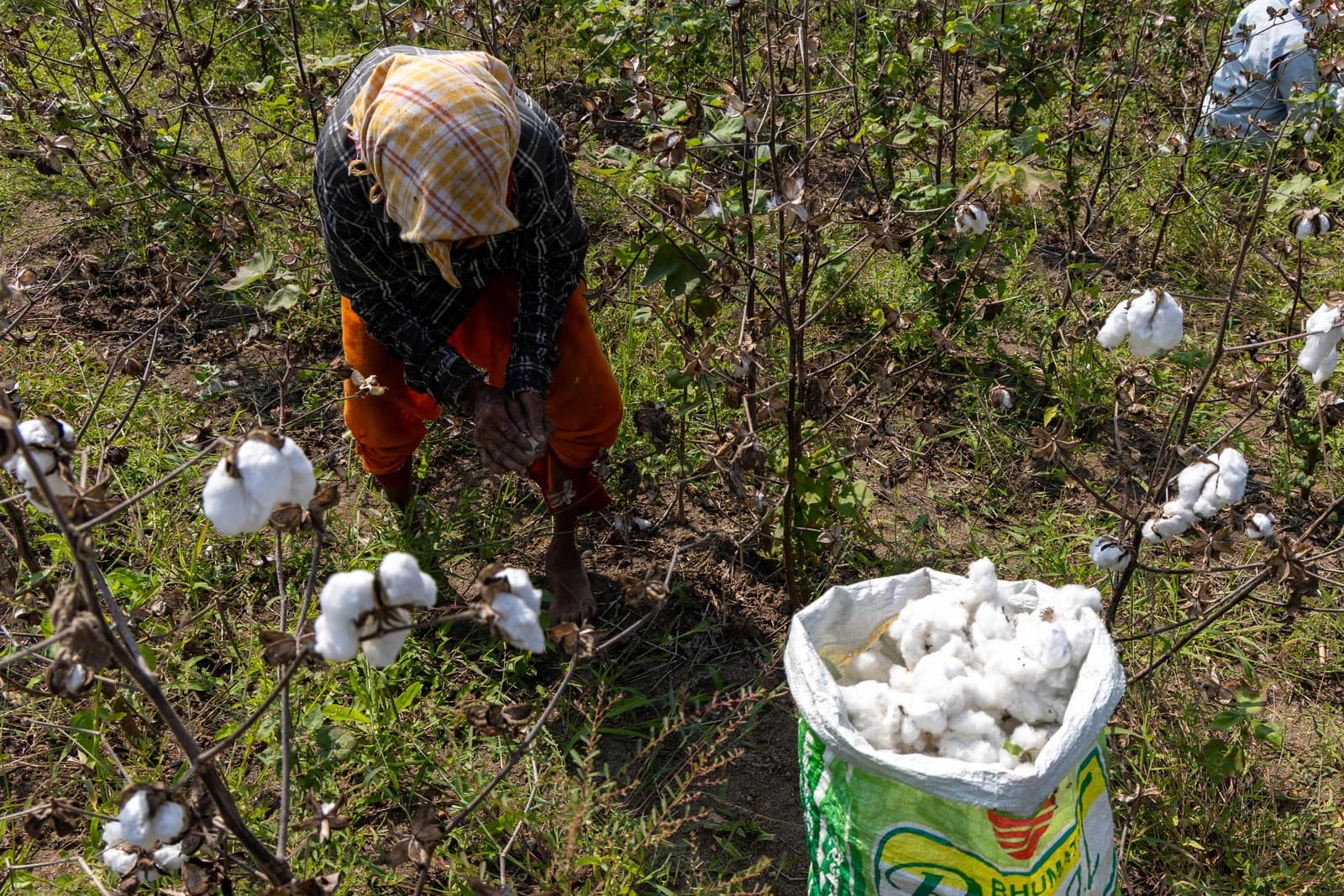
Wheat in Sitapur was offered at about ₹28 a kilogram, underscoring how tight domestic supplies and policy intervention are shaping India’s grain market even as global benchmarks move on weather, currency and Black Sea disruptions.
India wheat price at Sitapur draws import response
The local price matters because wheat remains a politically sensitive food staple in India, and even small swings at the farmgate and retail level can feed into inflation expectations, procurement decisions and traders’ willingness to hold inventory. The government’s move to recommend imports of an additional 800,000 metric tons and launch a third global tender suggests authorities are not comfortable relying on domestic availability alone to stabilize the market.
For consumers and millers, the Sitapur quote points to firm underlying demand rather than a broad collapse in prices. For the state, it raises the stakes around food inflation at a time when authorities are trying to balance supply security with the need to avoid abrupt market distortions. Imports typically cool local prices only gradually, but the signal is important: New Delhi is prepared to use the global market more aggressively if domestic supplies remain strained.
The global backdrop is mixed. Chicago wheat has softened on a stronger dollar and better U.S. crop conditions, while Russian wheat prices have risen after the Xi-Putin summit and the European Union has seen export flows strengthen as Black Sea trade remains unsettled. That combination leaves import markets volatile and complicates India’s procurement strategy, because cheaper global paper prices do not always translate into easy physical supply.
There are signs that the supply picture is not uniformly bad. Crop conditions in France remain favorable, and yields in Punjab have improved, which should help cap the worst-case scenario for domestic shortages. But the fact that officials are still pushing for more imports shows the market is being judged on availability, not just production headlines.
For investors, the key question is whether India’s intervention keeps retail inflation contained without depressing farmer sentiment or forcing larger procurement costs later in the season. A successful tender could ease pressure on flour mills, food processors and consumers, while also limiting upside in domestic wheat futures. A weak response, by contrast, would keep attention on local supply gaps and raise the chance of further policy action.
The next catalyst is the outcome of the third tender and whether imported wheat can arrive in time to supplement domestic stocks before price pressure widens further.
| Entity | Gains | Losses |
|---|---|---|
| Consumers in Uttar Pradesh | ▲Lower food inflation | ▼High grocery bills |
| Flour mills and processors | ▲Better supply visibility | ▼Higher input costs |
| Indian government | ▲Inflation control | ▼Policy pressure |
| Wheat farmers/sellers | ▲Higher spot prices | ▼Price caps from imports |