Sharad Pawar is pushing artificial intelligence into agriculture as part of an effort to lift sugarcane output above 120 tons an acre, a target that would signal a major productivity jump for one of India’s most important cash crops.
Pawar Pushes AI for India Sugarcane Output
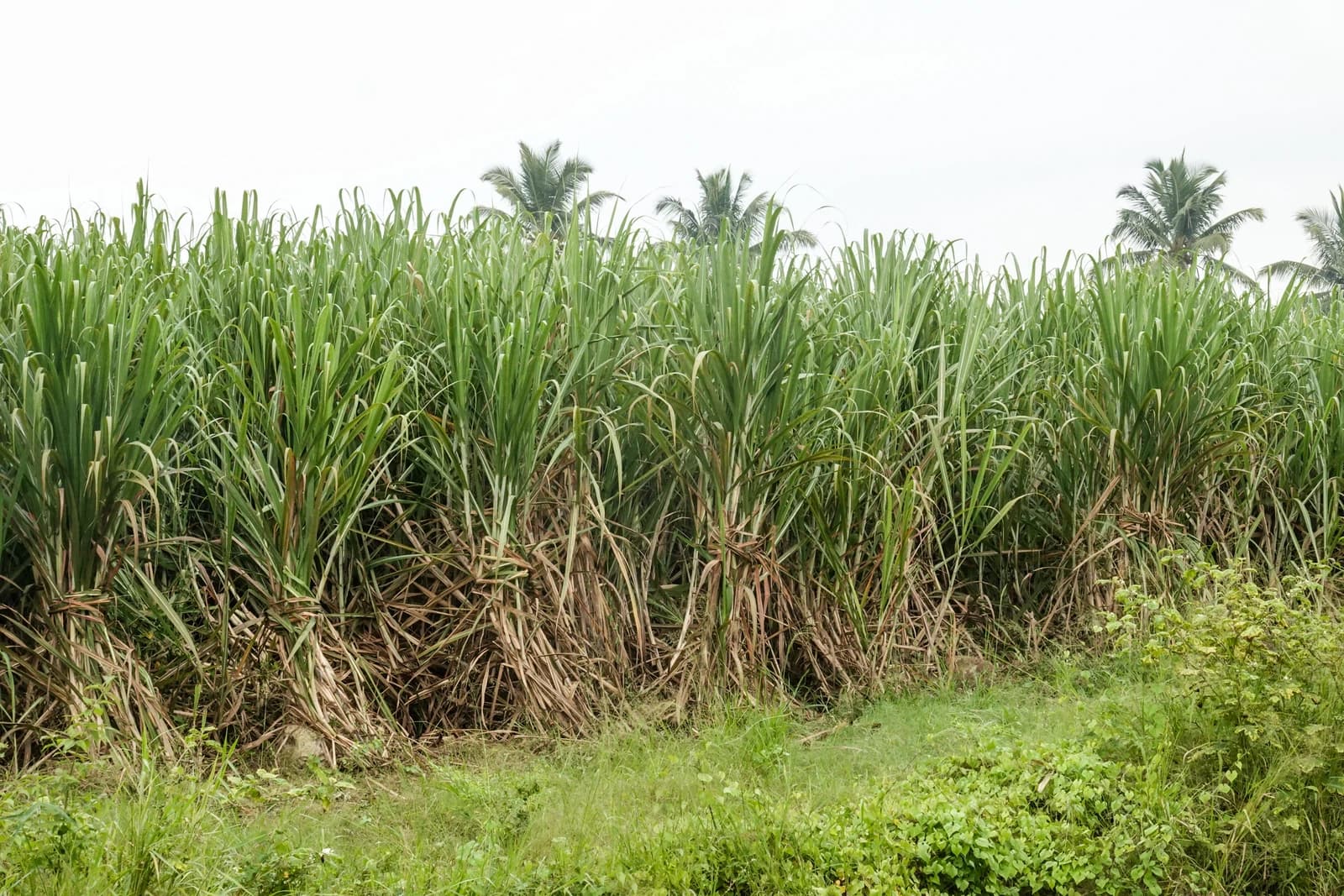
The push matters because sugarcane sits at the intersection of farm income, sugar supply and ethanol blending, three politically and economically sensitive areas in India. If AI tools can help farmers raise yields and use inputs more efficiently, the payoff would extend beyond individual growers to mills, refiners and the wider food-and-fuel chain.
Sentiment Indicators

The timing also fits a global backdrop of sticky food and farm costs. U.S. consumer prices are projected to rise 0.35% in November after a 0.35% increase in October, while producer prices are seen up 1.07% in November after a 0.19% decline in October, a mix that keeps pressure on agricultural margins and downstream prices.
Commodity markets are already signaling that farm fundamentals remain in focus. Soybean ETF SOYB has pulled back to $25.74 from a 2026 peak of $28.14, while CORN trades at $16.99 after touching $20.27 in September, reflecting shifting expectations around supply, demand and input costs. The corn fund’s 50-day moving average remains above its 200-day average, but momentum has softened, with its RSI near 45.
Artificial Intelligence
For investors, the bigger implication is that precision farming is moving from a niche theme to a practical lever for output growth in large-scale crops. That could favor agri-tech providers, seed companies, farm equipment makers and crop traders if adoption broadens, while higher yields may cap upside for some commodity prices.
The challenge is execution. AI in agriculture still depends on data quality, irrigation, soil management and farmer training, and adoption in India’s fragmented farm economy is uneven. The next catalyst will be whether the program translates into measurable yield gains, lower production costs and stronger cane deliveries to mills.
| Entity | Gains | Losses |
|---|---|---|
| Sugarcane farmers | ▲Higher yields, lower costs | ▼Upfront tech adoption burden |
| Sugar mills | ▲Larger cane supply | ▼Tighter margins if output lifts too fast |
| Agri-tech providers | ▲New demand for AI tools | ▼Slow adoption risk |
| Commodity traders | ▲Better visibility on supply | ▼Price upside from shortages reduced |