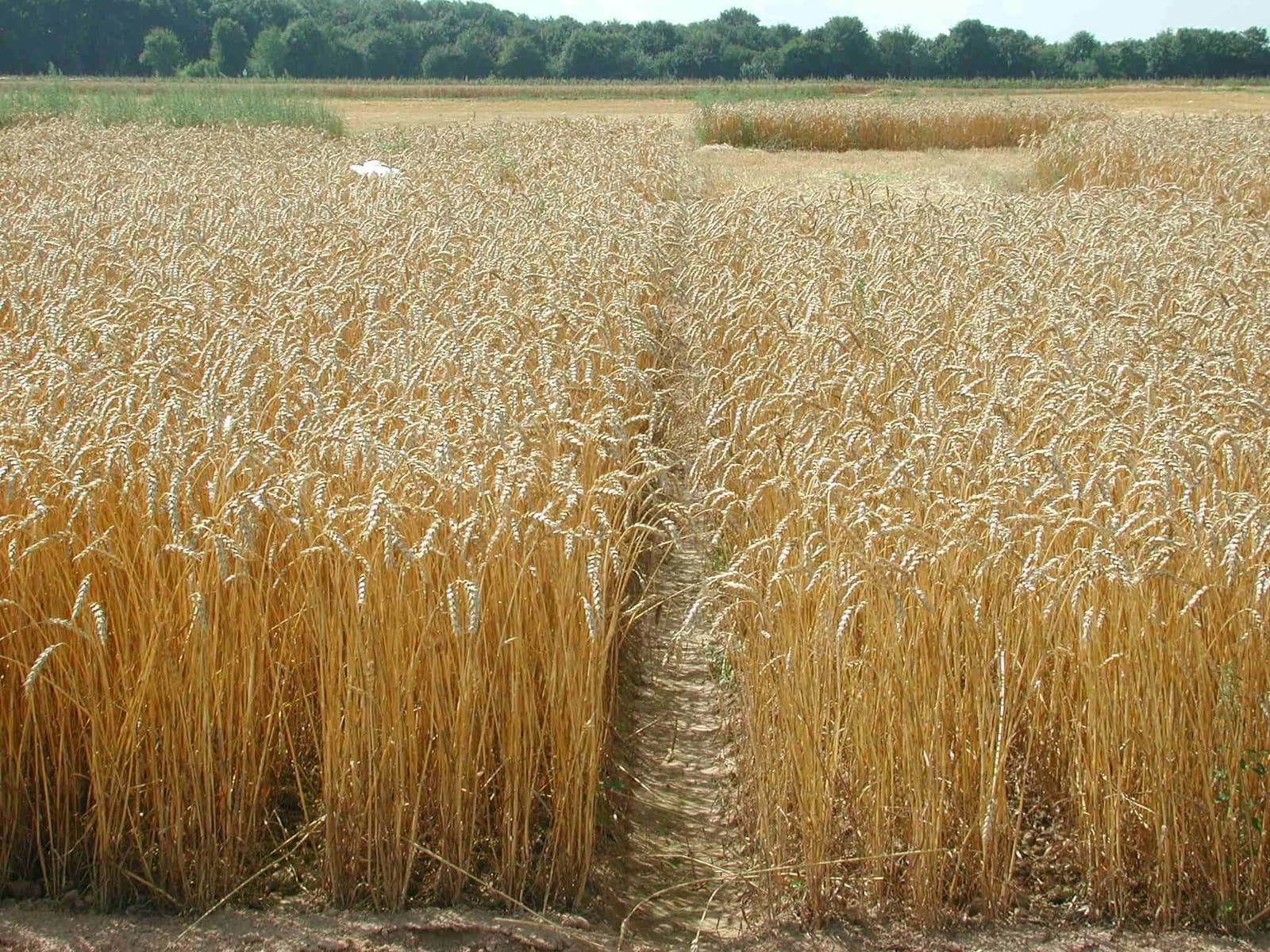
India’s wheat acreage is heading for its steepest fall in 26 years, a shift that threatens to tighten supplies in the world’s second-largest producer and add pressure to food inflation.
India Wheat Acreage Seen Falling 6% in 2026/27
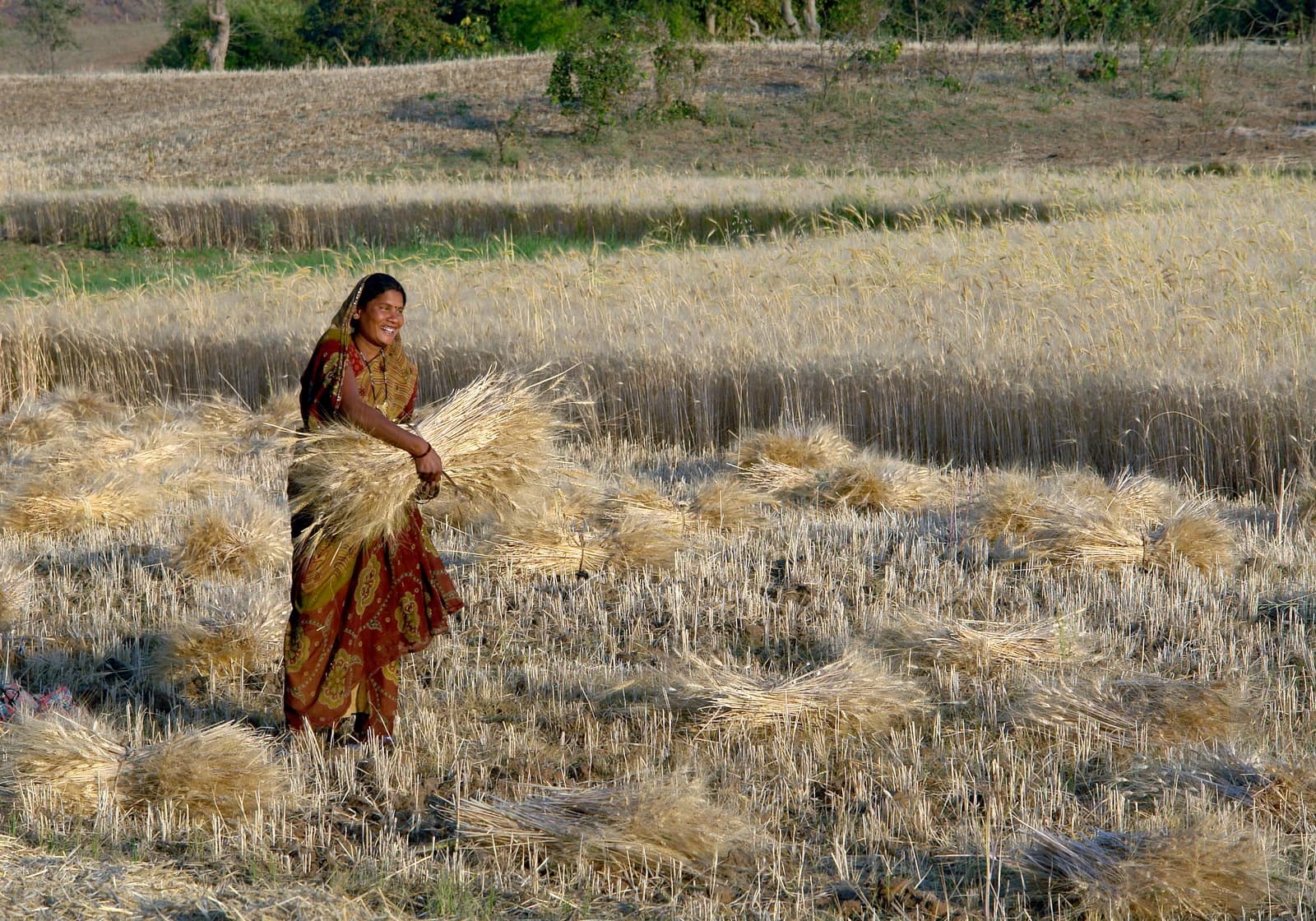
Farmers are switching to less water-intensive crops after the weakest monsoon in more than a decade left key growing states short of soil moisture and irrigation water. Industry officials told Reuters plantings in the 2026/27 season are likely to drop about 6% from last year’s record 33.6 million hectares to 31.58 million hectares, the lowest in four years.
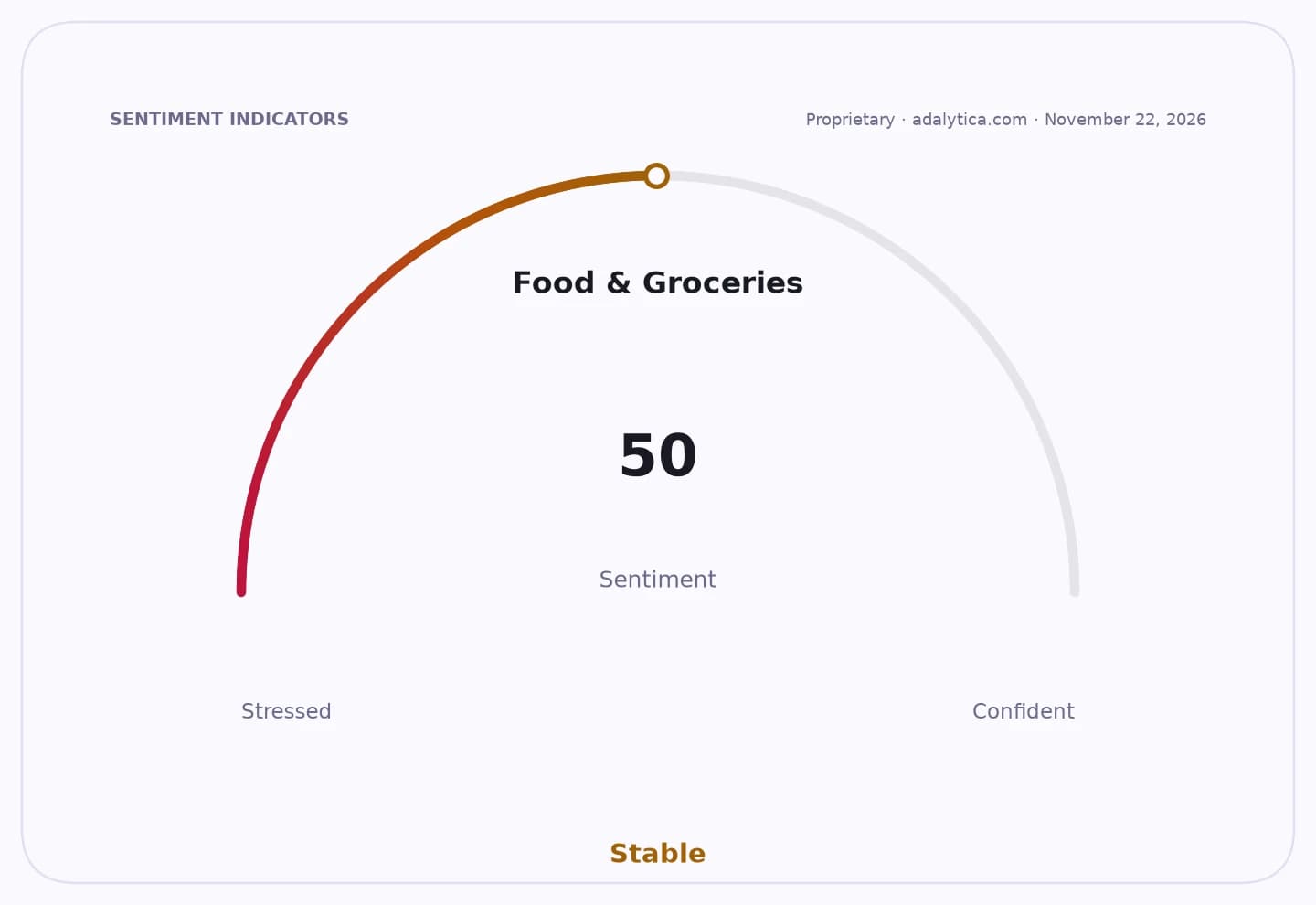
Sentiment Indicators
The change matters because wheat is a staple crop for India’s domestic food market and a key input for flour mills, traders and the state procurement system. Lower acreage now raises the risk of reduced output later, especially if a severe El Niño weather pattern curbs yields as well as sowing.
Planting was already down 15.3% year on year at 5 million hectares by Nov. 13, government data showed. In some states, rainfall during the June-September monsoon ran as much as 41% below average, according to the Reuters report, pushing farmers in Maharashtra and elsewhere toward chickpeas and rapeseed, which need less water and are offering better returns.
Northern states with more reliable irrigation, including Haryana and Punjab, are expected to hold wheat area broadly steady, but that is unlikely to offset weaker planting elsewhere. Wheat usually competes for acreage with rapeseed, chickpeas and corn, and this year the price advantage has tilted toward those crops.
The policy backdrop is adding to the squeeze. New Delhi lifted the minimum support price for wheat by just 1% to 2,610 rupees per 100 kg, the smallest increase since 2002/03, reducing the incentive to plant more wheat even as the state-run Food Corporation of India remains the main buyer.
For investors, the supply risk points to firmer prices for wheat and related food commodities, while potentially aiding alternative crops such as chickpeas and rapeseed. Grain traders, flour millers and packaged-food companies face a more uncertain cost outlook, while the market will watch whether weather improves enough to stabilize yields before harvest.
| Entity | Gains | Losses |
|---|---|---|
| Chickpea and rapeseed farmers | ▲Higher acreage shift | ▼Less wheat competition |
| Wheat growers in rain-fed states | ▲— | ▼Lower acreage, weaker returns |
| Food mills and consumers | ▲— | ▼Higher input costs, inflation risk |
| Grain traders/commodity bulls | ▲Price upside | ▼Supply uncertainty fades only if rains improve |