Getting the timing right on fertilizer is becoming one of the fastest ways for wheat farmers to protect yields as global input costs remain elevated and crop losses from poor management can quickly erode returns.
Wheat fertilizer timing and WEAT near key averages
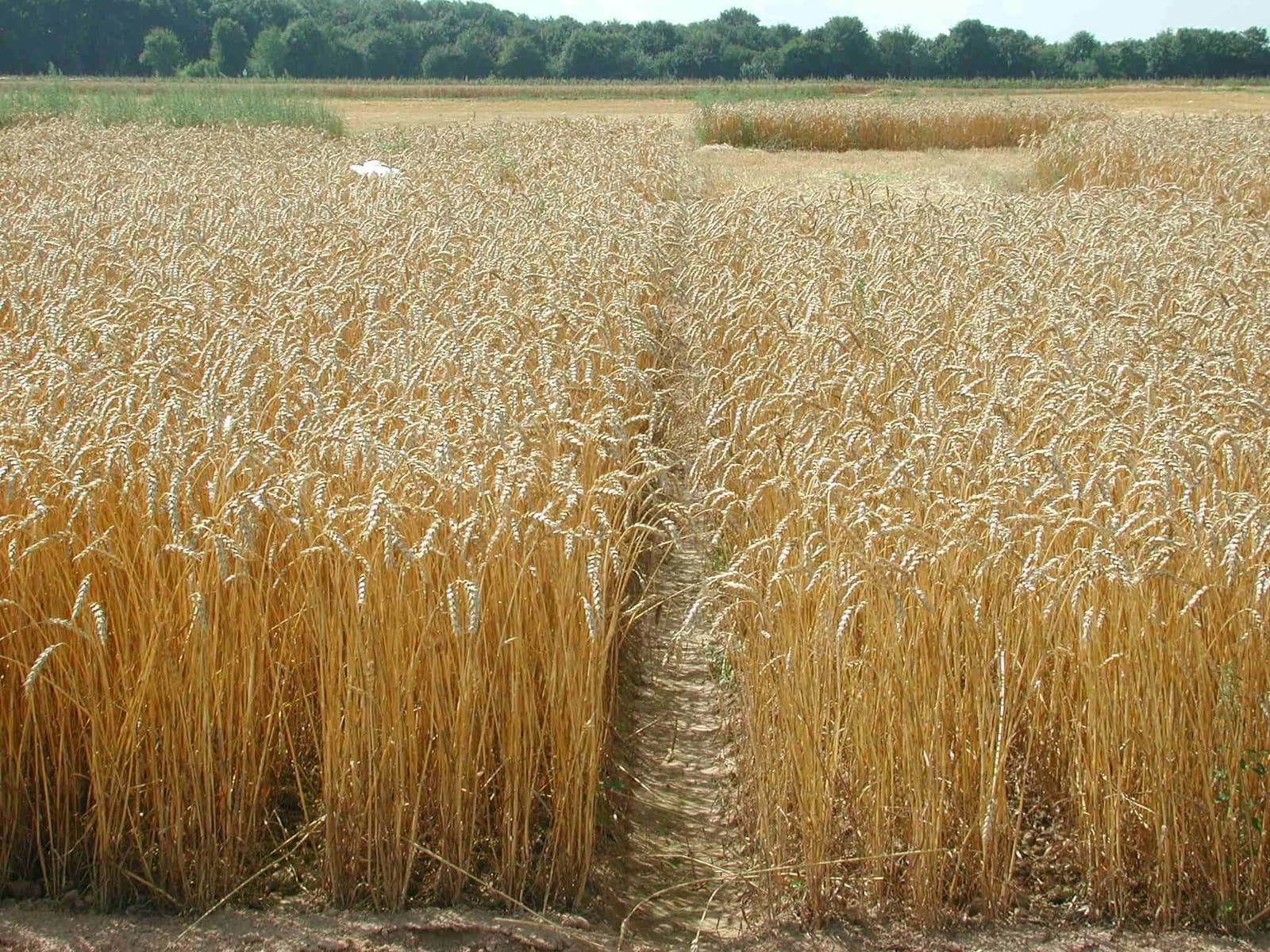
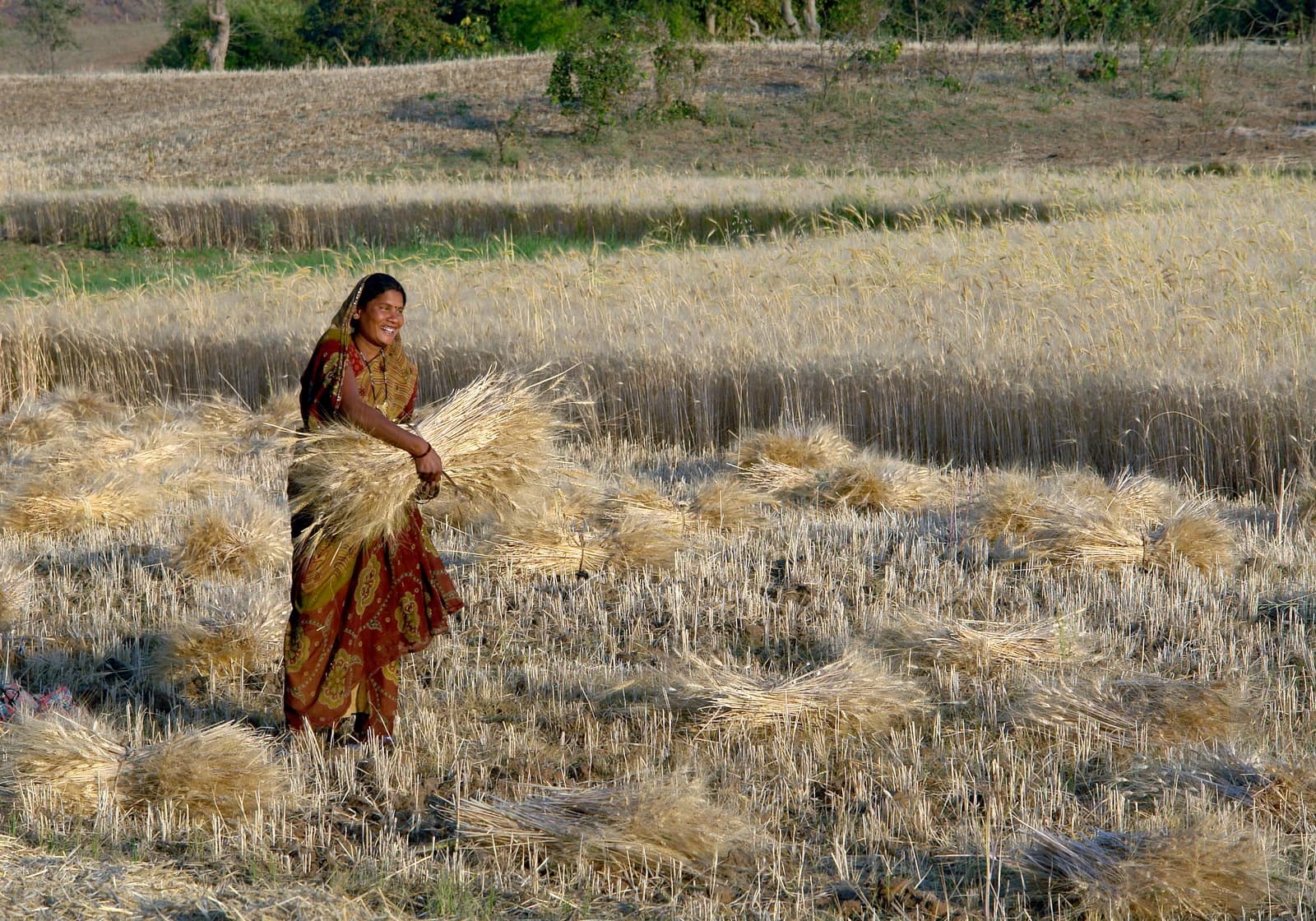
The practical advice is straightforward: in wheat, timely sowing, seed treatment, balanced fertilizer use, proper irrigation and weed control determine whether the crop reaches its potential or stalls early. Missed fertilizer application or poorly timed first irrigation can cut plant growth, reduce grain fill and ultimately weigh on both output and farm income.
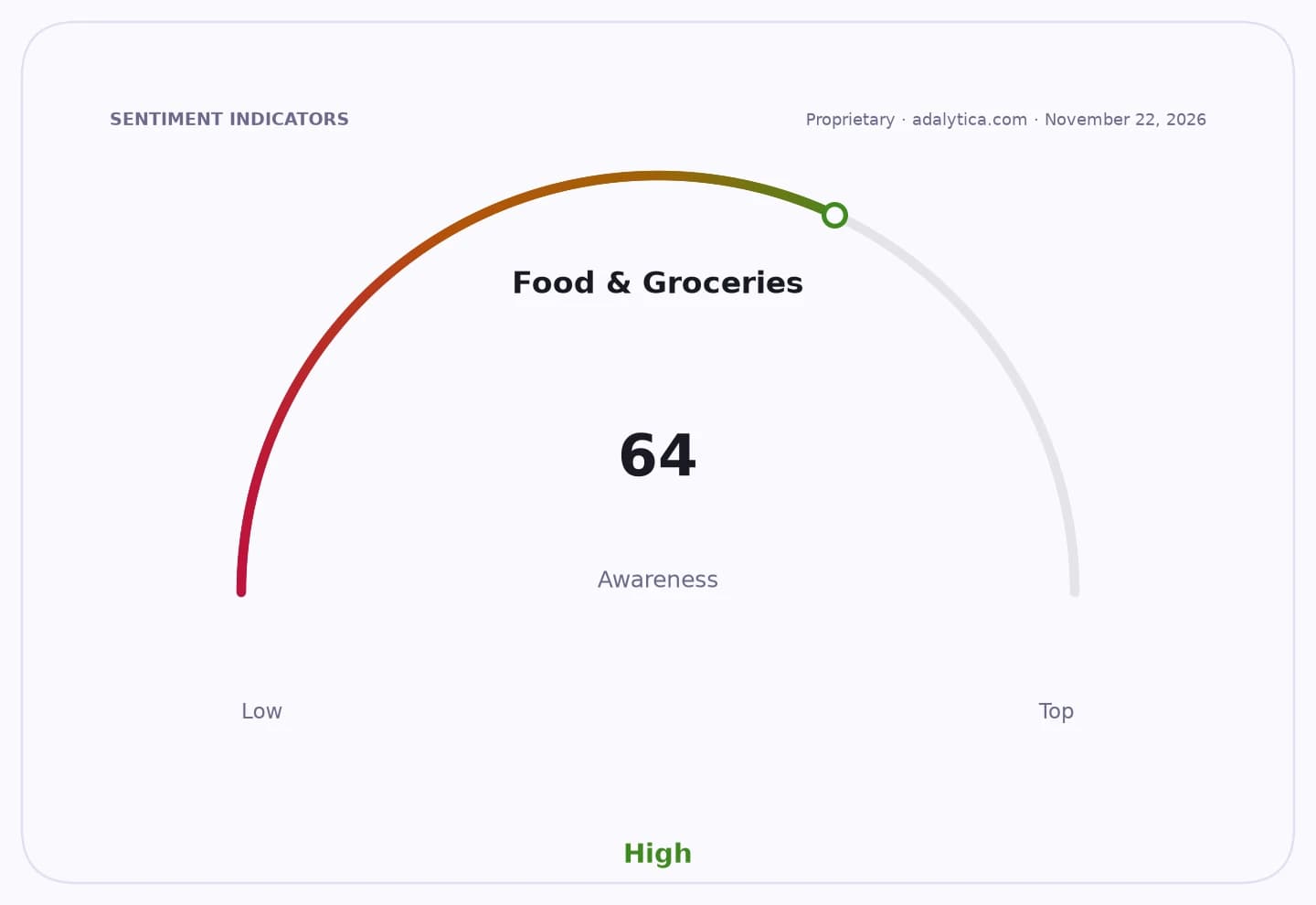
Sentiment Indicators
Food & Groceries
That matters well beyond the field. Wheat remains a politically sensitive staple, and any slip in productivity can tighten supplies, pressure flour prices and add to food inflation in markets already dealing with erratic weather, export restrictions and transport disruptions. The broad backdrop also shows food costs have not normalized: U.S. consumer prices are still running at elevated levels, with the CPI at 337.476 in October versus 333.979 in May, while agricultural producer prices for commodity inputs have stayed firm.
For investors, the message is that agronomy still drives demand in farm inputs just as much as headline crop acreage. Fertilizer makers, seed companies and crop protection suppliers benefit when farmers push for higher yields and better management, while growers and downstream millers lose when cultivation mistakes trim production. The latest wheat ETF data also reflect a market that remains active, with the WEAT fund near $21.52, below its 50-day moving average and just under its 200-day average, suggesting traders are still weighing supply concerns against softer near-term prices.
Food & Groceries
Recent developments around wheat production underline the stakes. Governments and research groups are pushing improved seed distribution and higher-yield varieties, but export curbs and transport bans in key producing regions have raised fears of a bigger decline in wheat cultivation and potential flour shortages. That makes agronomic discipline, especially fertilizer timing, a critical lever for stabilizing supply.
The near-term focus is on winter-sown wheat and whether farmers can translate improved seed and input access into higher yields before weather, costs or policy disruptions hit output again.
| Entity | Gains | Losses |
|---|---|---|
| Wheat farmers using precise fertilizer timing | ▲Higher yields, better margins | ▼Farmers with delayed or uneven application |
| Fertilizer and crop-input suppliers | ▲Stronger demand for balanced nutrition | ▼Demand loss if farmers cut or misuse inputs |
| Millers and flour buyers | ▲More stable wheat supply | ▼Tight supply if yields disappoint |
| Wheat consumers | ▲Lower chance of flour price spikes | ▼Higher food inflation if output slips |