India is preparing to step up open-market wheat sales as retail and wholesale prices push above 3,000 rupees a quintal, a move that could quickly ease a key food inflation pressure point for households and policymakers.
India plans bigger wheat sales as prices top 3,000
The government’s intervention matters because wheat is one of the most politically sensitive staples in India’s inflation basket. With food costs still shaping consumer expectations and election-era sentiment, every rupee of relief at the grain market ripples through kitchen budgets, restaurant pricing and broader inflation readings. If the Food Corporation of India increases sales under its open market sale scheme, it would add supply at a time when the market is already tight enough to keep prices elevated despite record state stocks.
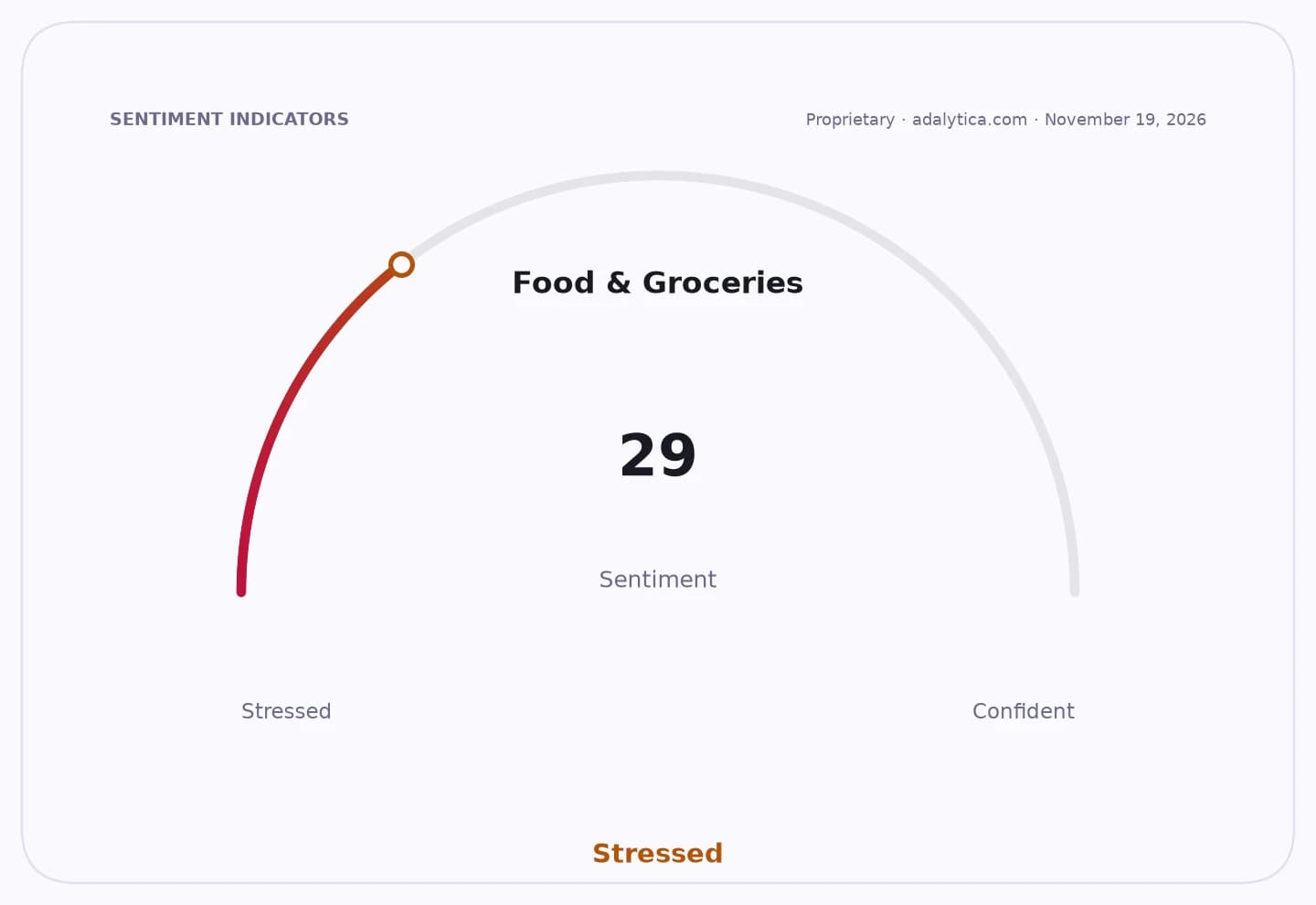
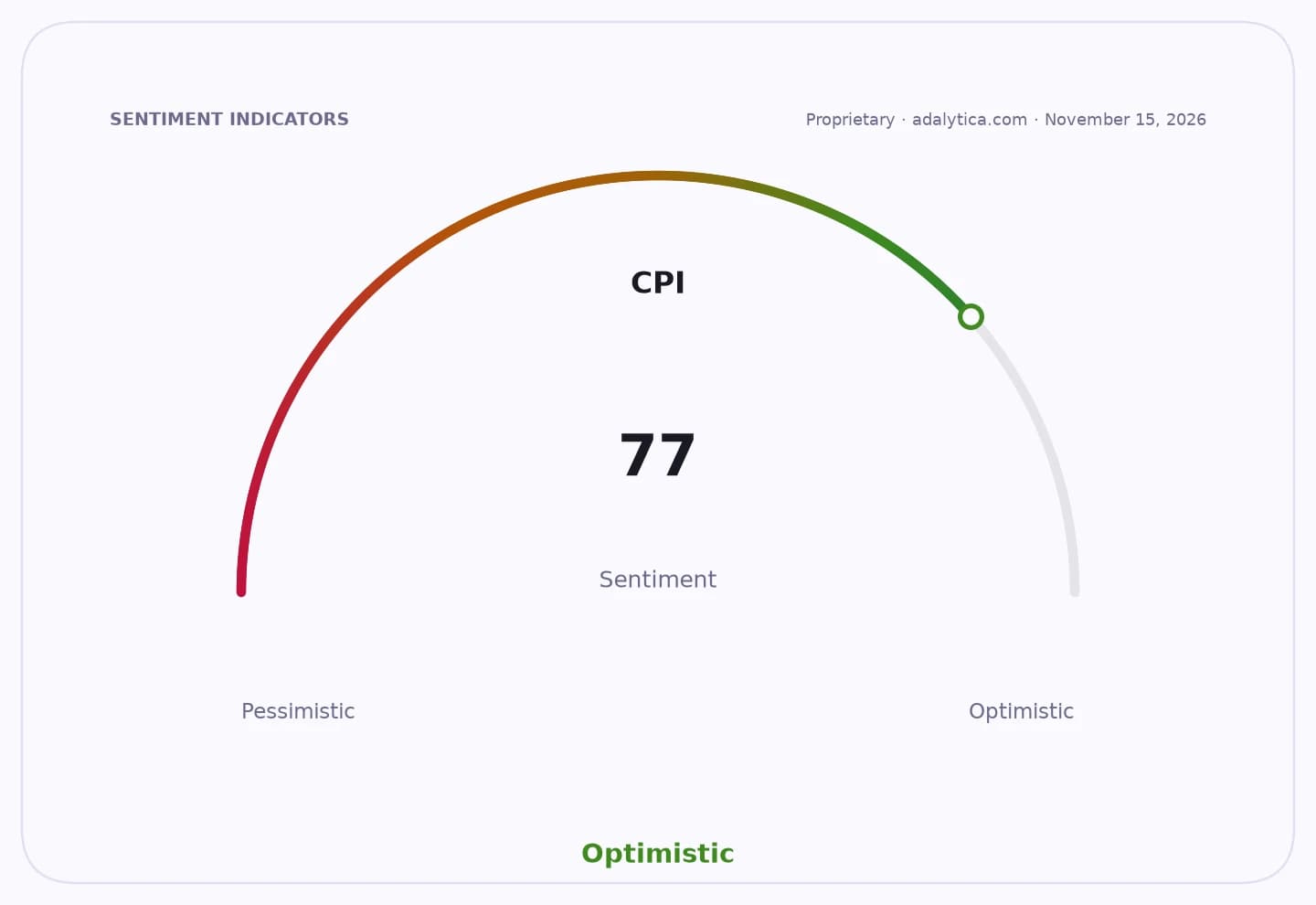
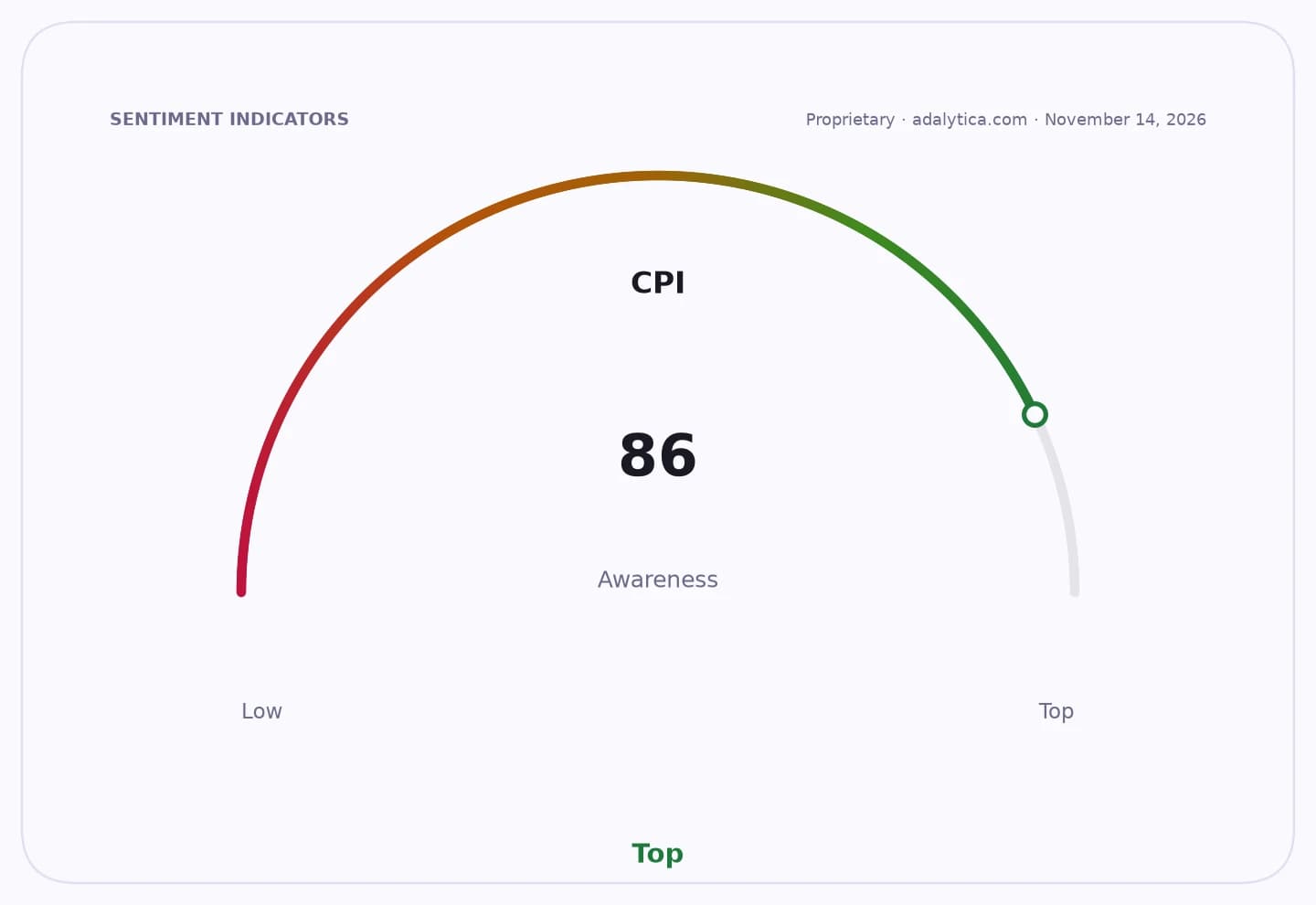
Sentiment Indicators
Delhi wheat prices were quoted at 3,040 rupees per quintal on Monday, up from 2,945 rupees on Nov. 11, a rise of 95 rupees in just five days. That price spike has arrived even though central government wheat inventories stood at 44.758 million tonnes on Nov. 1, the highest level ever recorded for that time of year and well above the roughly 42 million tonnes seen in 2021. The disconnect between ample public stocks and firm prices is exactly why officials are being pressed to act.
The pressure is not only about current availability. Wheat sowing has fallen 15.27% from a year earlier to 5.007 million hectares as of Nov. 13, raising concern that supply could tighten further before the next crop arrives. That makes the government’s timing crucial: holding back stocks now risks letting inflation gain momentum, while releasing grain too slowly could leave consumers exposed to another round of food-price increases.
For investors, the story is broader than wheat alone. Easing food inflation would improve the outlook for Indian consumption, support real incomes and reduce the chance of more aggressive policy tightening. It also matters for global markets because persistent inflation has kept the dollar supported and fueled expectations of firmer central bank policy elsewhere. A meaningful food-price break in India would be a small but important signal that supply-side intervention can still blunt inflation without relying solely on higher interest rates.
The market should watch how large the FCI’s open-market sales become and whether the government moves before wheat prices extend higher. If officials do act decisively, the beneficiaries are consumers and downstream food users; if they wait, inflation remains the trade.
| Entity | Gains | Losses |
|---|---|---|
| Consumers | ▲Lower food bills | ▼Price squeeze |
| Government / FCI | ▲Inflation relief credibility | ▼Risk of delayed action |
| Wheat buyers | ▲Better supply access | ▼Scarcity premiums |
| Wheat farmers / hoarders | ▲Higher spot prices | ▼Softer market if sales rise |