Kerala’s food inflation has moved above India’s national average, deepening pressure on household budgets in a state already reliant on imported staples and subsidy programs to cushion consumers.
Kerala food inflation rises above India average
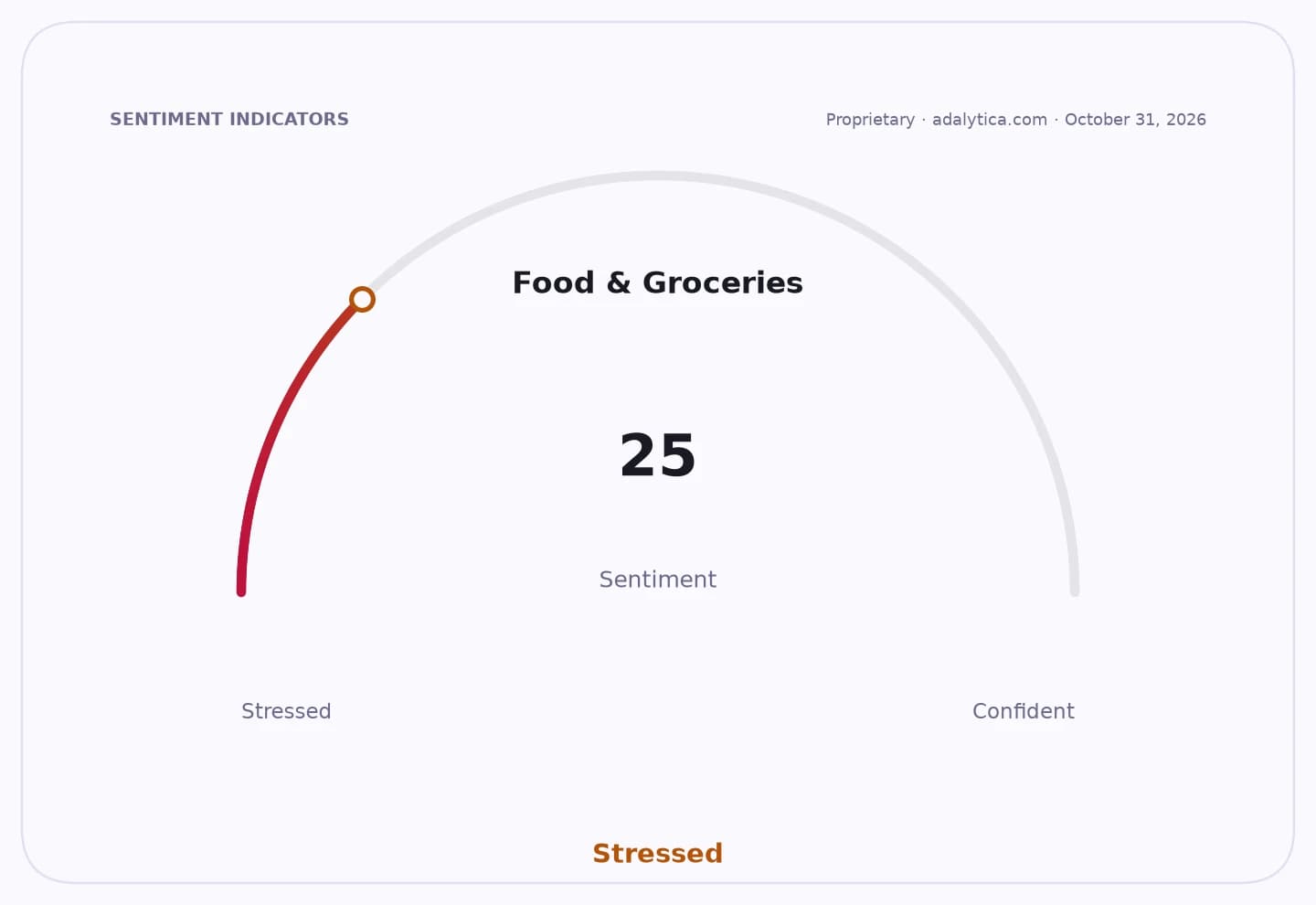
Food & Groceries
Official data cited by the state show food inflation at 10.92% in Kerala versus 9.94% nationally, with the biggest price rises concentrated in southern India. Andhra Pradesh posted 13.23%, followed by Tamil Nadu at 12.37%, Karnataka at 12.11% and Telangana at 11.66%, underscoring how a regional supply squeeze is hitting the country’s main consumption belt.
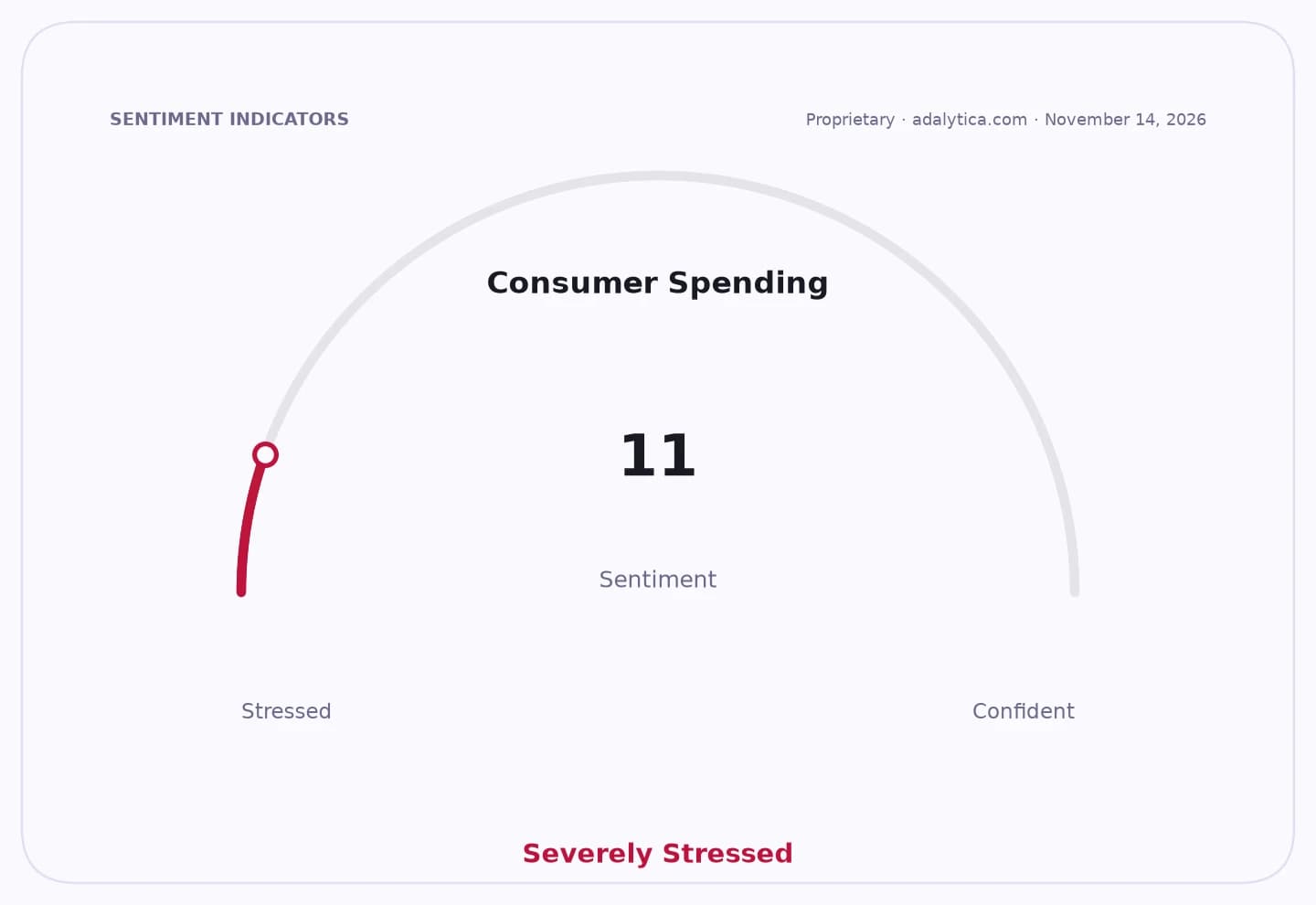
Sentiment Indicators
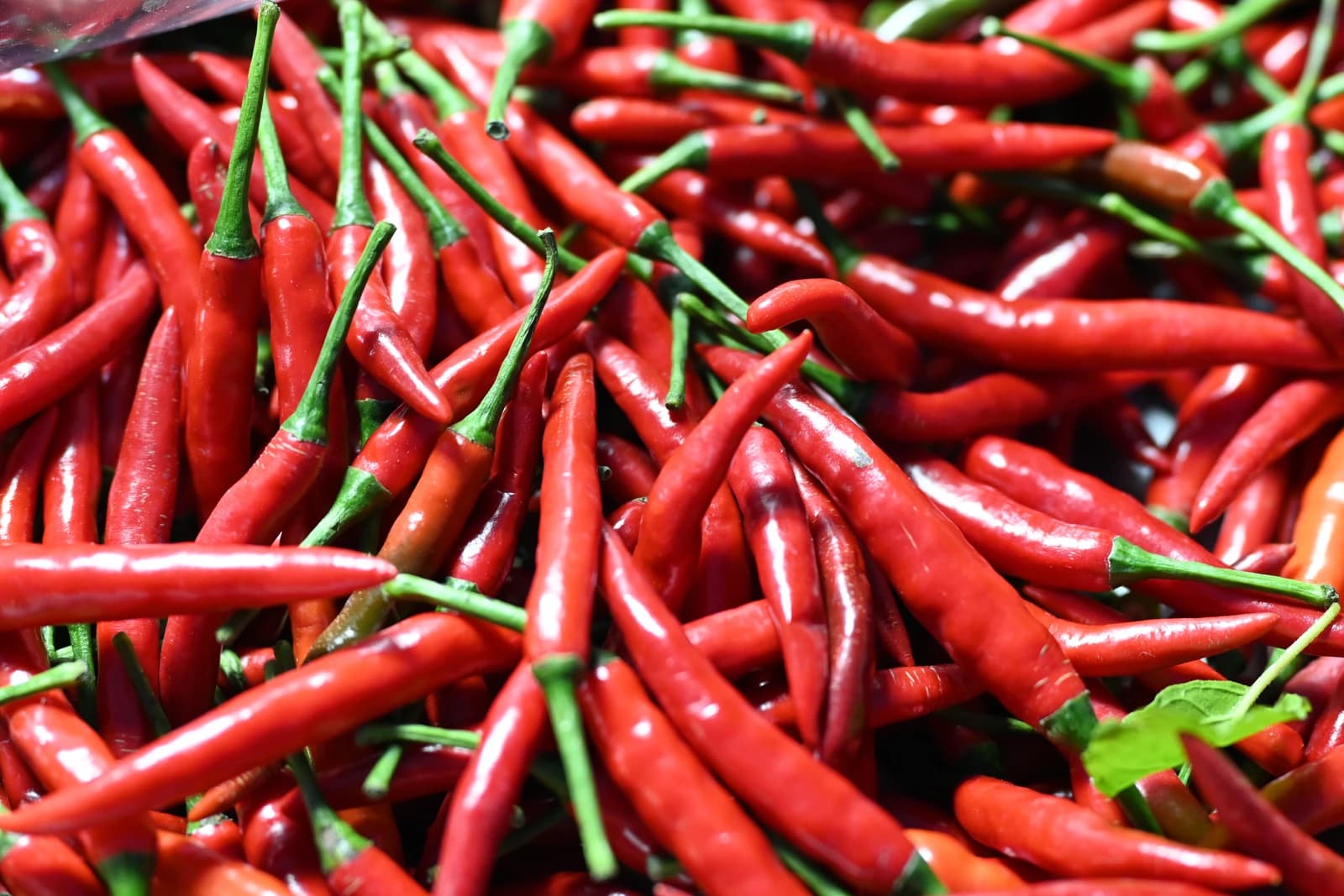
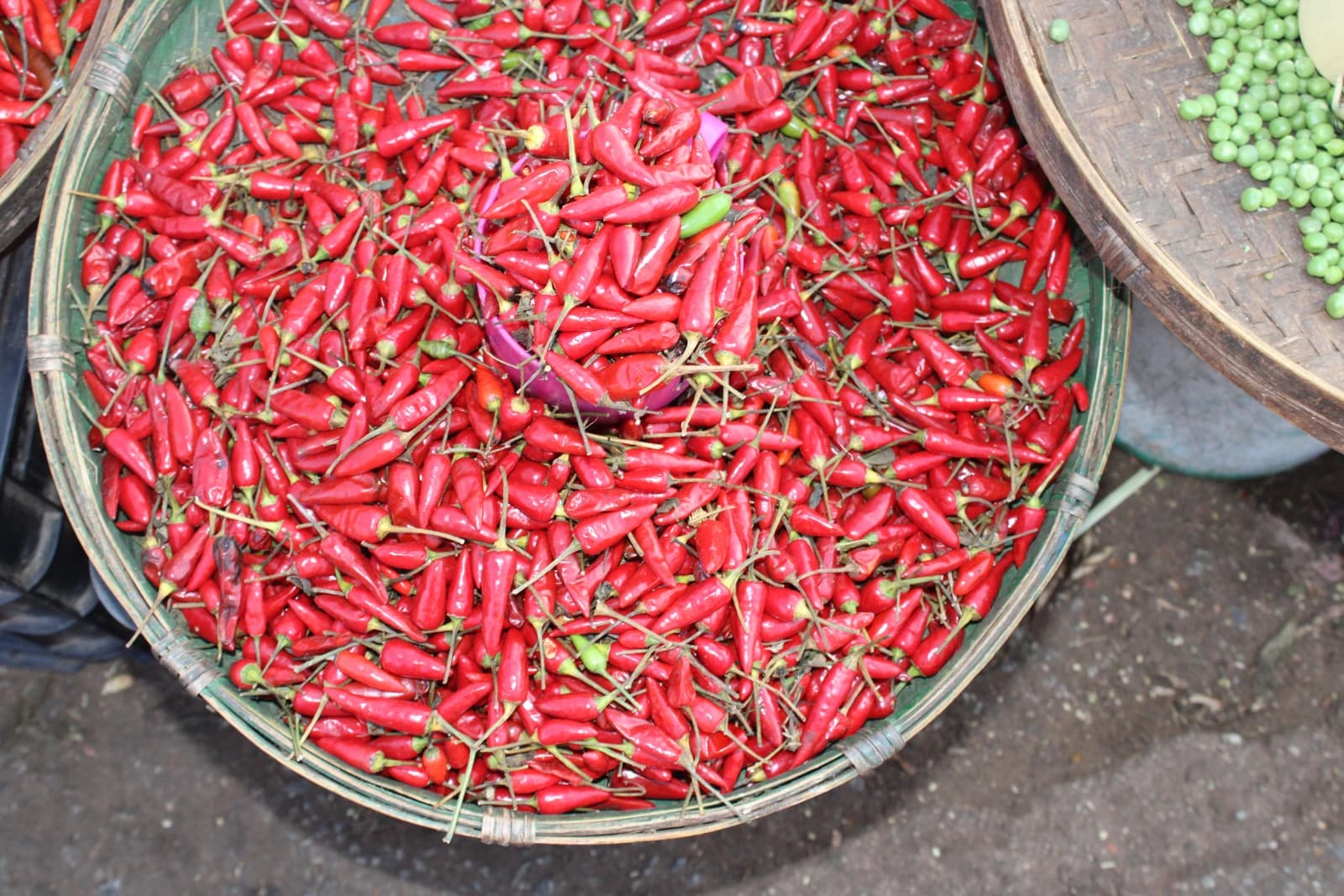
The immediate economic significance is not just higher grocery bills, but the risk that local price pressure feeds into broader inflation expectations and household spending patterns. In Kerala, rice and many spices have risen as much as 40%, while some items have doubled. Dry chilli has climbed to 330 rupees a kilogram from 200 rupees in a month, small onions to 220 rupees from 80, onions to 80 rupees from 40 and garlic to 260 rupees from 100. Sugar, tur, coriander, cumin, pulses, turmeric, fenugreek and mustard have all risen by an average 20 to 40 rupees, according to the report.
For investors, the story matters because food inflation is typically the fastest channel through which weather shocks become consumer stress, and because it can alter spending across the retail and consumer staples complex. The Adalytica Food and Grocery Spending sentiment gauge is in fear territory at 29, while its consumer spending sentiment sits at an extreme-fear reading of 7, suggesting households are already turning defensive as food bills rise. That is consistent with the article’s warning that a four-member family now spends roughly twice as much on groceries as at the same time last year, with rice alone adding 500-600 rupees a month to the family budget.
The supply shock is being driven by a weak monsoon and crop restrictions imposed by states, with the Central Water Commission saying 178 reservoirs had water levels 37% below normal as of Nov. 11. That points to a broader agricultural constraint rather than a temporary spike in a single commodity. When water availability tightens, the inflation pressure tends to spread from vegetables to staples, and from spot markets to processed foods once packaging and branding costs are added.
Kerala’s supply chain does offer partial relief. The state-run Supplyco network, which operates about 1,600 outlets, is still selling 13 subsidized items at discounted rates. But the broader message is that subsidies can soften, not eliminate, food inflation when crop output is constrained. The risk for policymakers is that prolonged price pressure forces a choice between larger welfare support and accepting weaker real incomes for consumers.
For markets, the next key variable is whether rainfall and reservoir conditions improve enough to ease the crop squeeze before it widens into a more persistent inflation impulse. Until then, food remains the most important near-term macro risk for Kerala households and a reminder that India’s inflation story is still being written crop by crop, state by state.
| Entity | Gains | Losses |
|---|---|---|
| Supplyco | ▲Subsidy relevance rises | ▼Margin pressure |
| Kerala households | ▲Limited price relief on staples | ▼Higher grocery bills |
| Farmers with scarce supply | ▲Higher realizations | ▼Output risk |
| Food retailers/processors | ▲Volume resilience in essentials | ▼Demand compression |