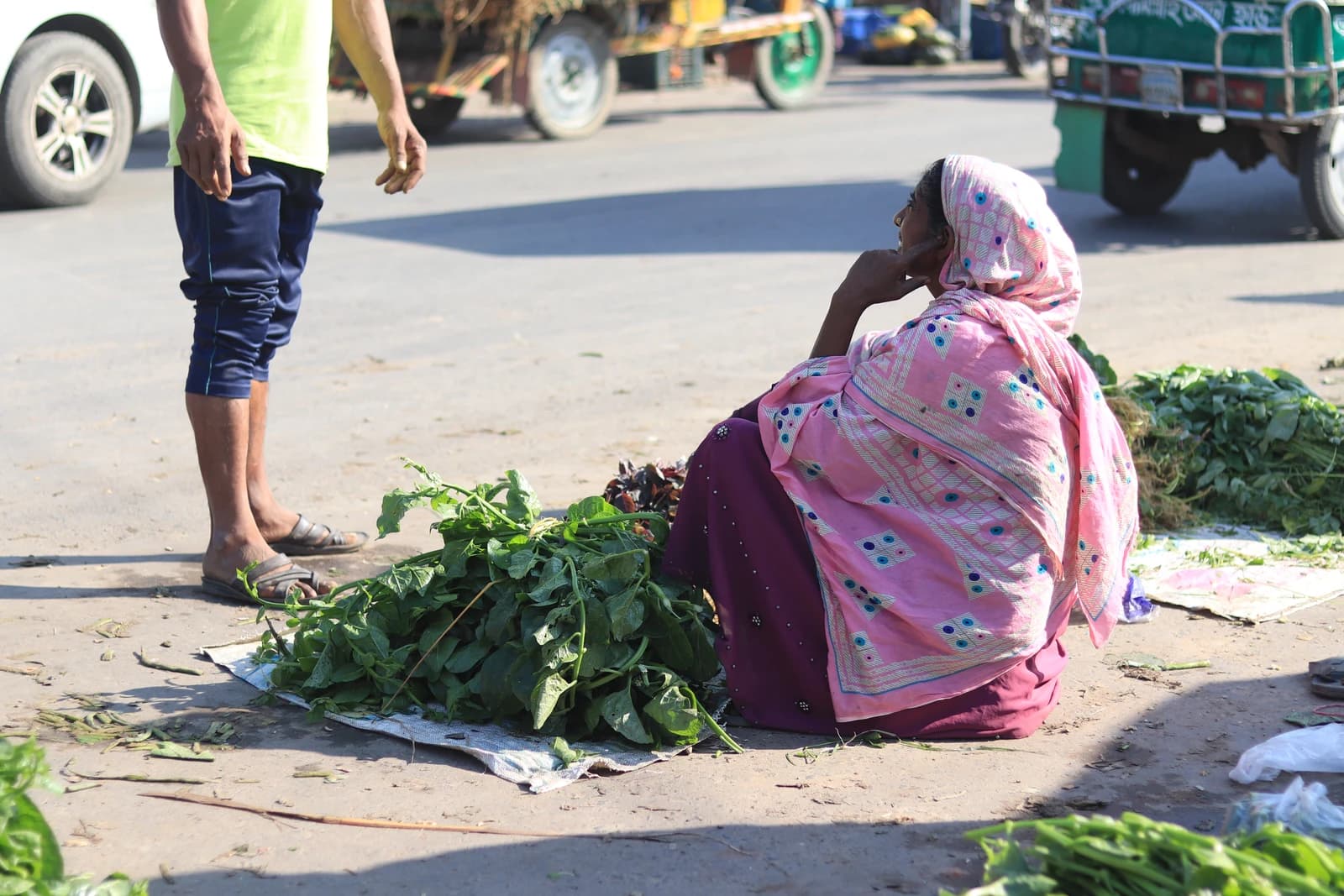
Chili prices in Sragen have surged to a level that is already feeding into a broader rise in food costs, underscoring how quickly supply shocks in Indonesia’s volatile horticulture markets can ripple through household inflation.
Indonesia chili prices rise in Sragen markets
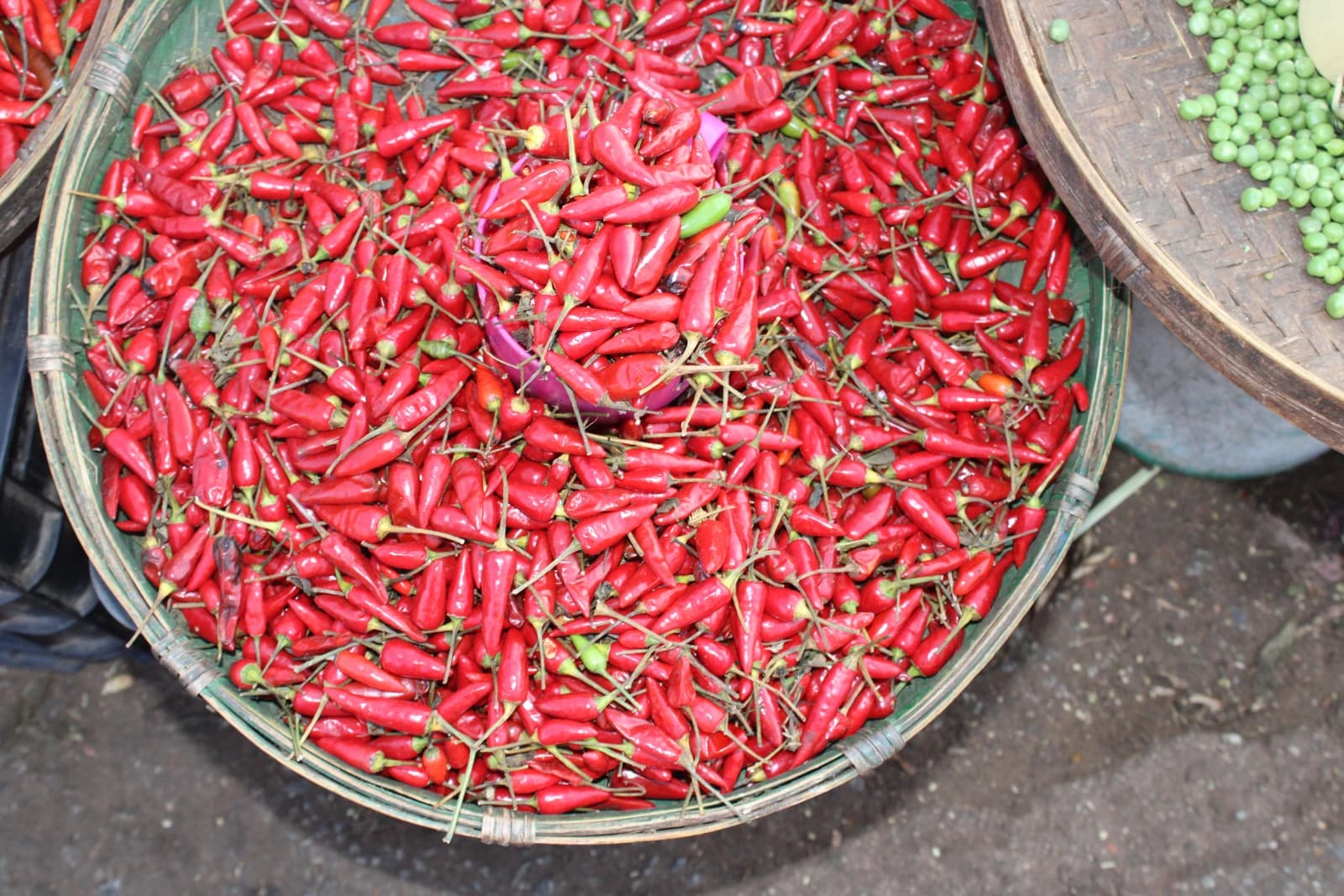
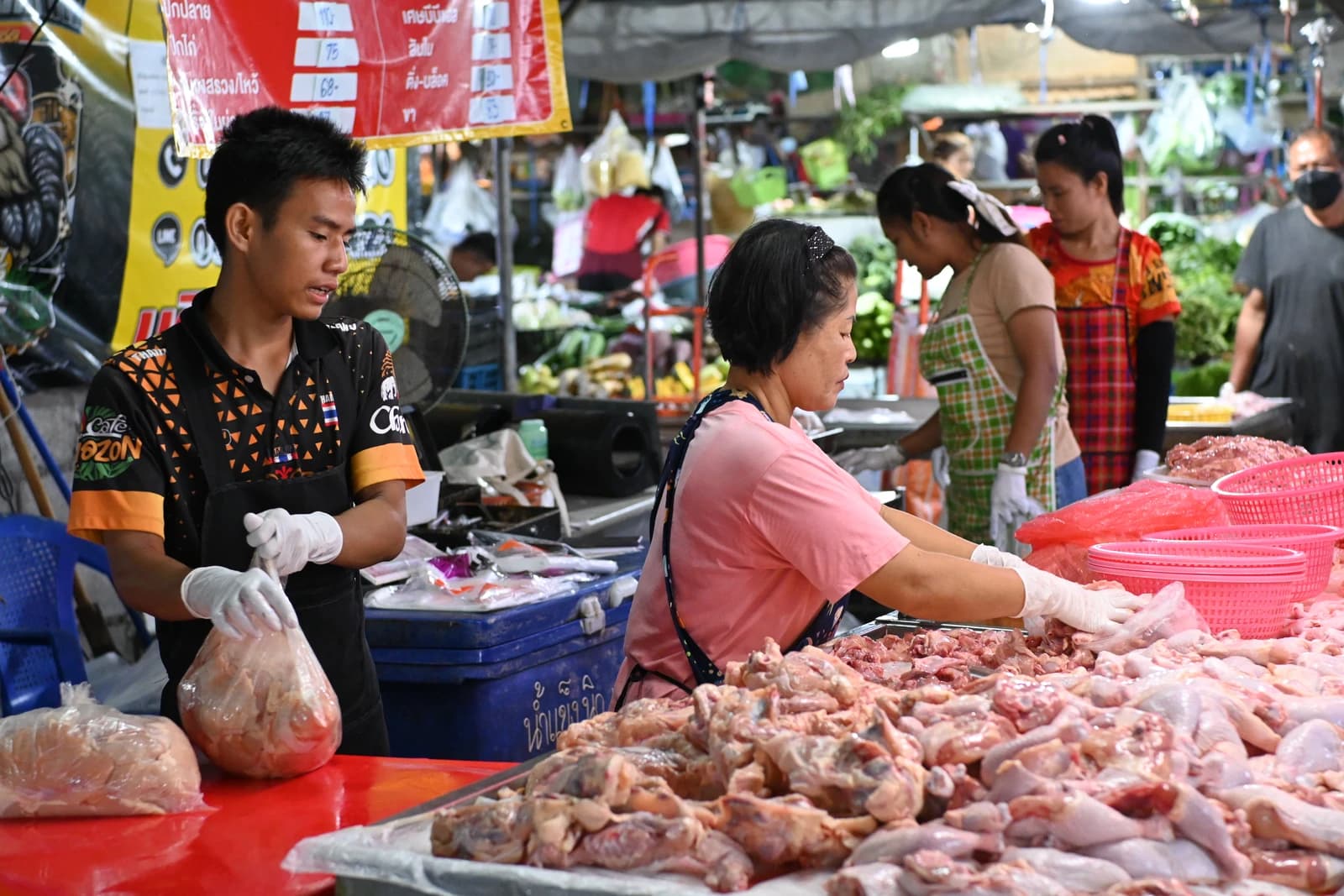
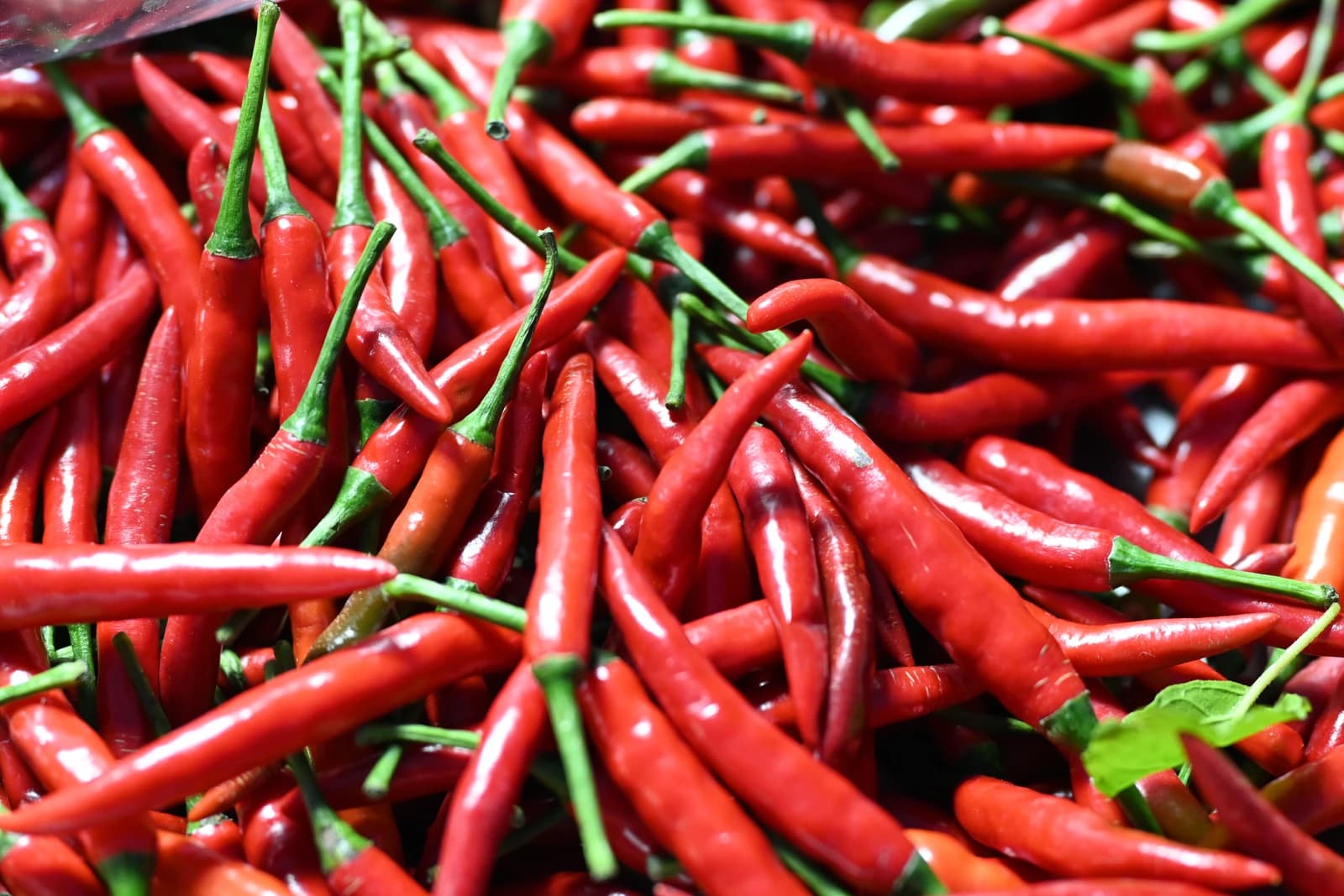
At traditional markets in Sragen, Central Java, red bird’s eye chili has climbed to IDR65,000 per kilogram from about IDR35,000-IDR40,000 previously, according to traders who blamed thin stocks. Green bird’s eye chili has risen to IDR45,000 from IDR35,000, while celery has jumped to IDR30,000 from IDR20,000 a kilogram. Prices for spring onions and cabbage have also increased.
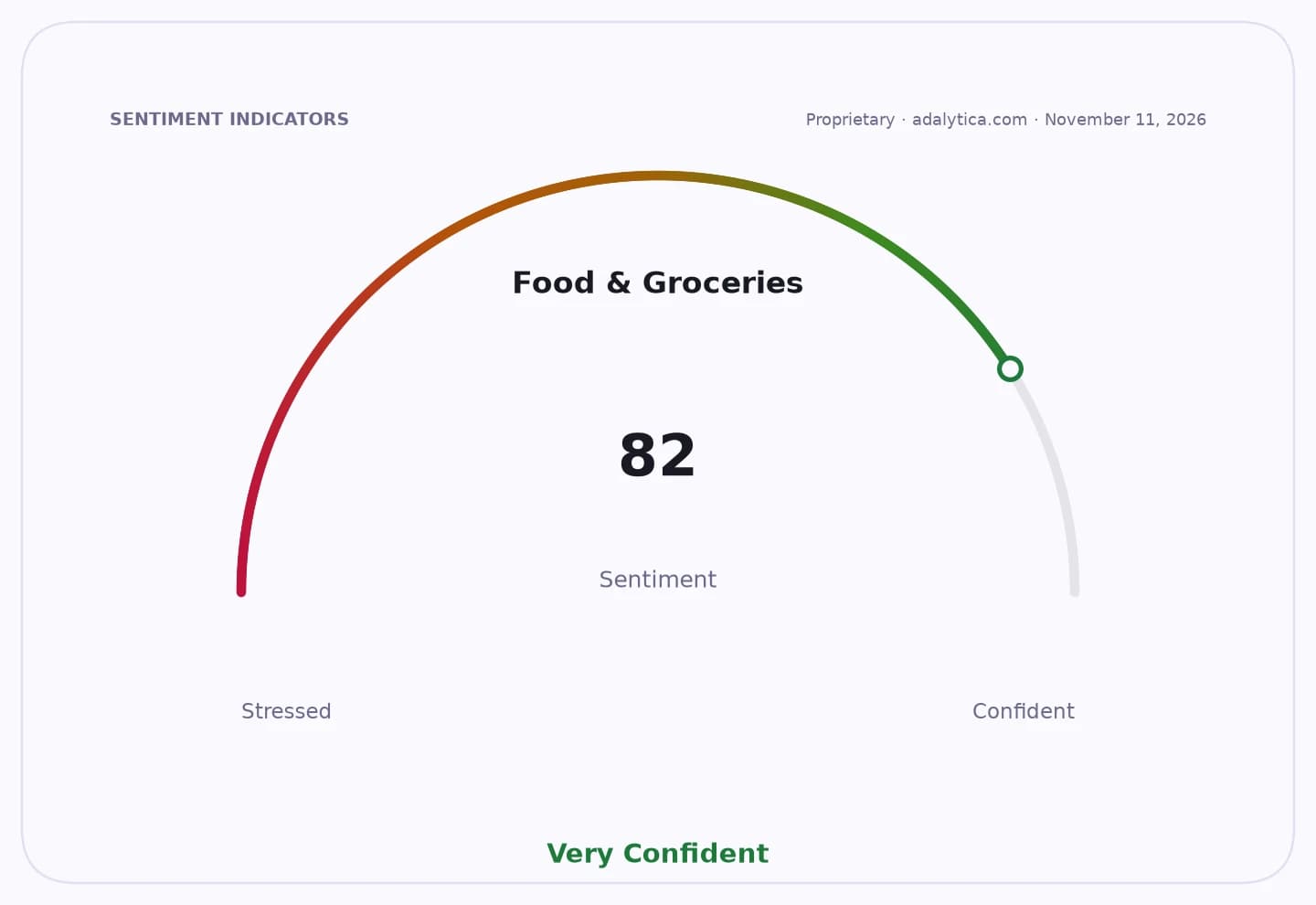
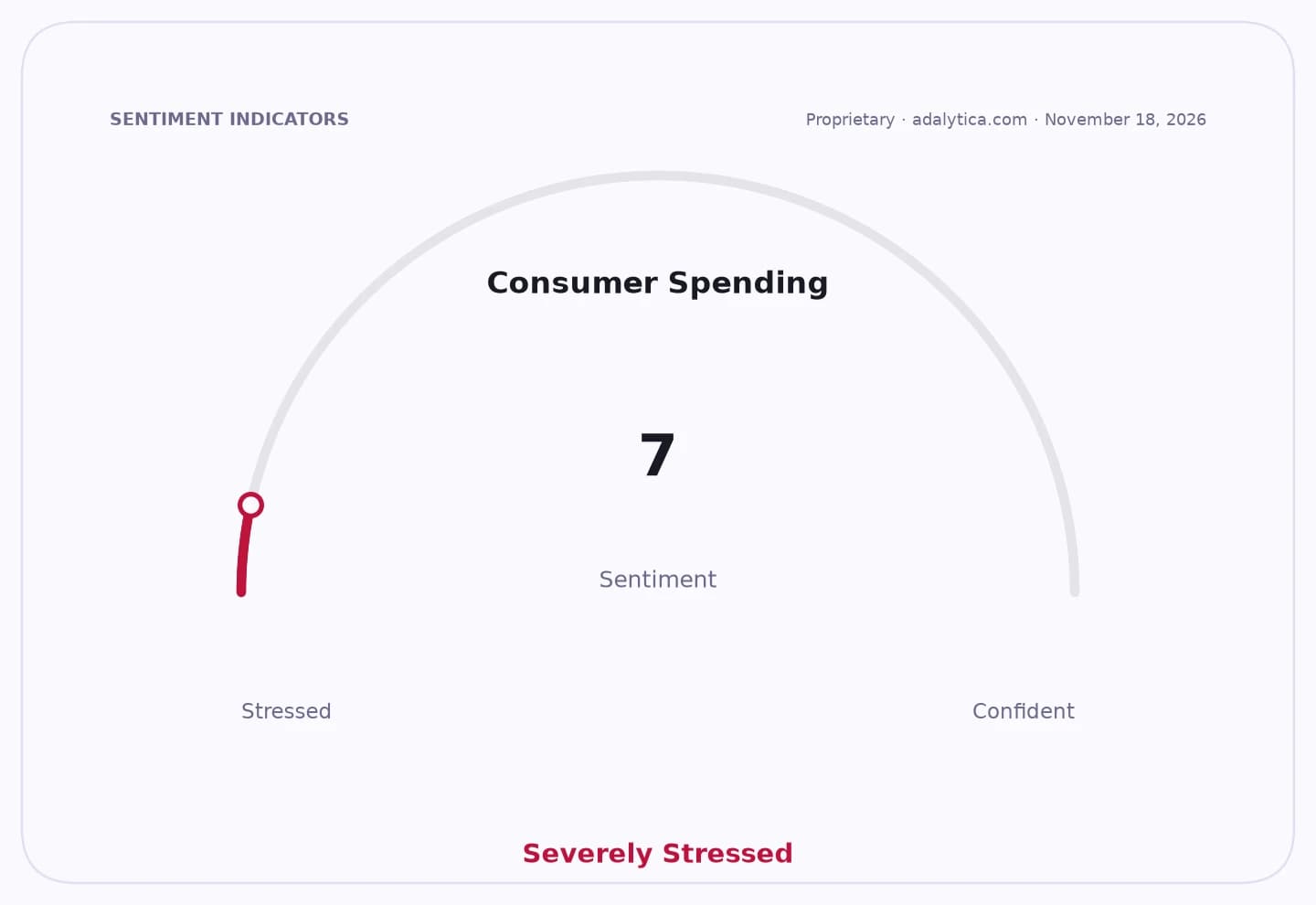
Sentiment Indicators
The move matters economically because chilies are a staple in Indonesian cooking and a frequent driver of near-term food inflation. When supplies tighten, price spikes tend to show up quickly at the retail level and can pressure local consumer budgets even if broader inflation remains contained. That makes the current surge more than a market anecdote: it is a sign that food-price volatility remains embedded in the supply chain, especially for perishables that depend on weather, harvesting cycles and distribution conditions.
For policymakers, the key question is whether the price increase remains local and temporary or spreads more widely across regional markets. If shortages persist, the rise could lift food inflation expectations and complicate efforts to keep headline price growth in check. Indonesia has repeatedly seen vegetables and chilies swing sharply on supply disruptions, and those moves can disproportionately affect low- and middle-income households, which spend a larger share of income on food.
For investors, the immediate read-through is mixed. Producers and distributors with inventory or better sourcing can benefit from higher selling prices, but retailers and food-service operators face margin pressure if they cannot pass through costs fast enough. Consumers, meanwhile, typically trade down or cut volumes, which can weigh on discretionary spending elsewhere. The price move also reinforces the broader inflation-sensitive backdrop that tends to favor hard-asset exposures and food-linked commodities when supply conditions worsen.
The bull case is that the spike proves temporary and eases as harvests normalize and interregional supply chains recover. The bear case is that more vegetable categories follow, turning a localized shortage into a broader food inflation pulse. Either way, Sragen’s jump in chili prices is a reminder that in Indonesia, food inflation often starts in the market stall before it shows up in the data.
| Entity | Gains | Losses |
|---|---|---|
| Chili growers with stock | ▲Higher farmgate prices | ▼Consumers |
| Traders holding inventory | ▲Wider margins | ▼Food retailers |
| Households in Sragen | ▲— | ▼Higher food bills |
| Policymakers | ▲— | ▼Inflation pressure |