Indonesia’s benchmark retail food data show the sharpest pressure is now coming from chilies, with red cayenne pepper climbing above IDR 100,000 a kilogram and pulling other kitchen staples higher even as rice and beef prices ease.
Indonesia chili prices rise above IDR 100,000/kg
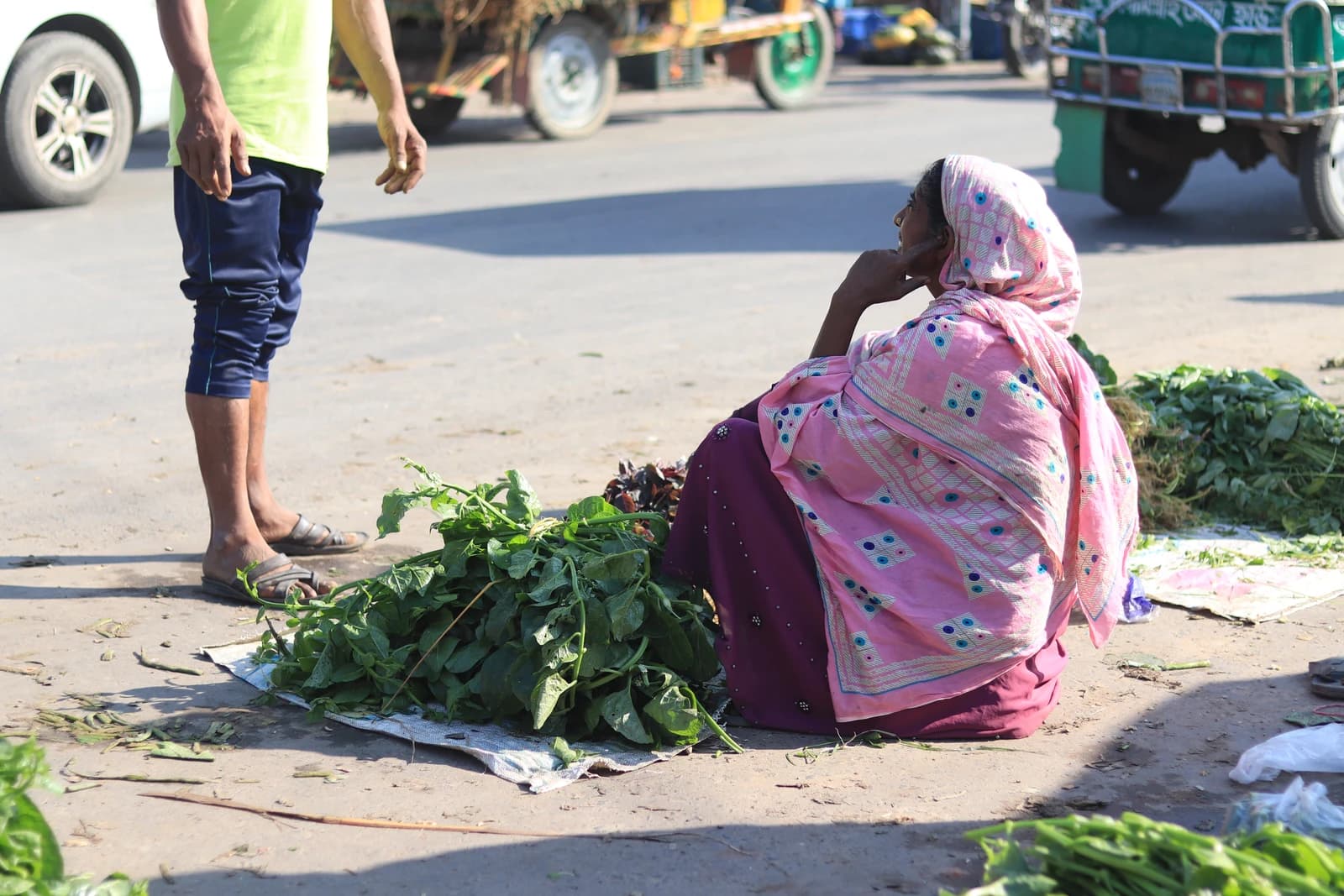
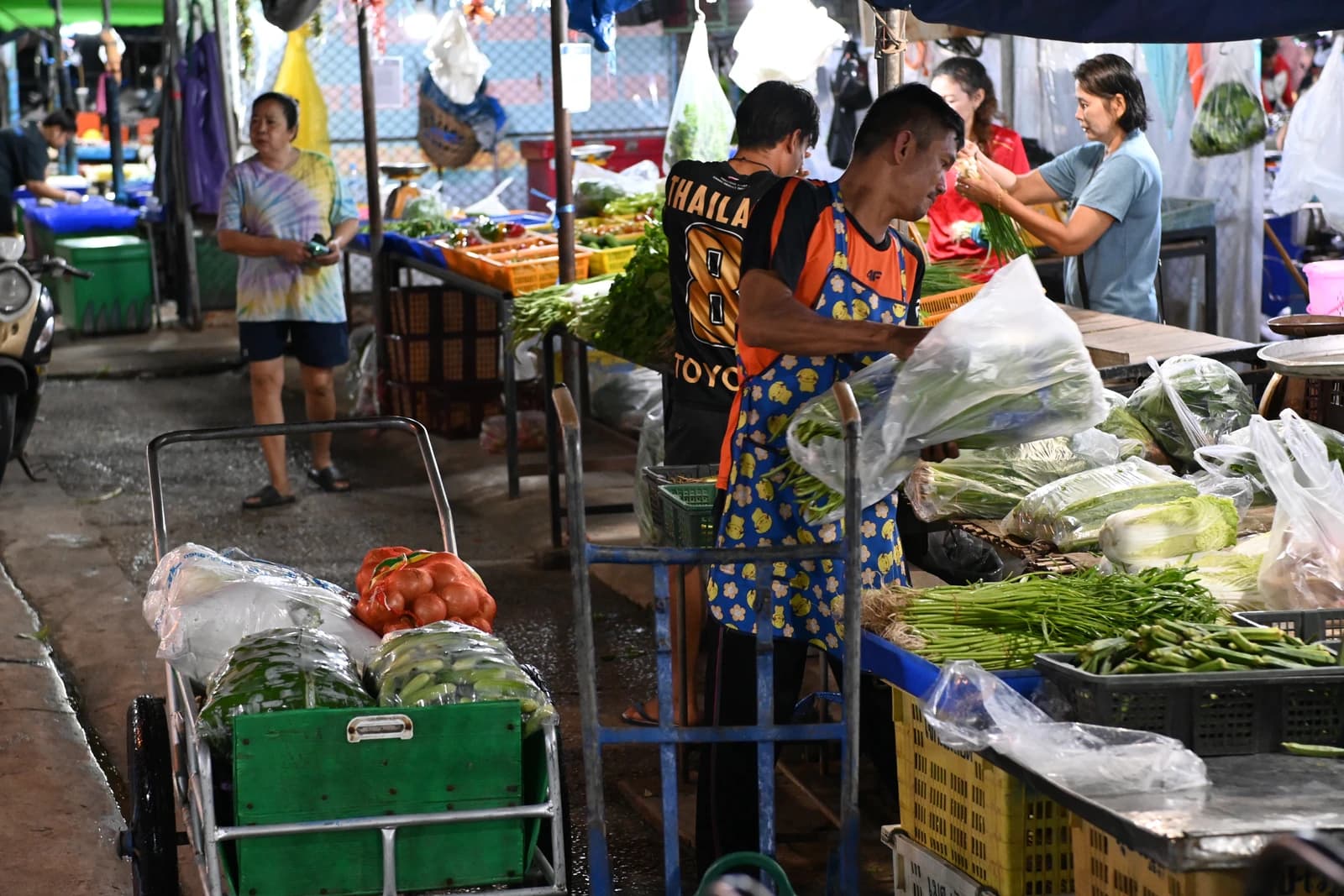
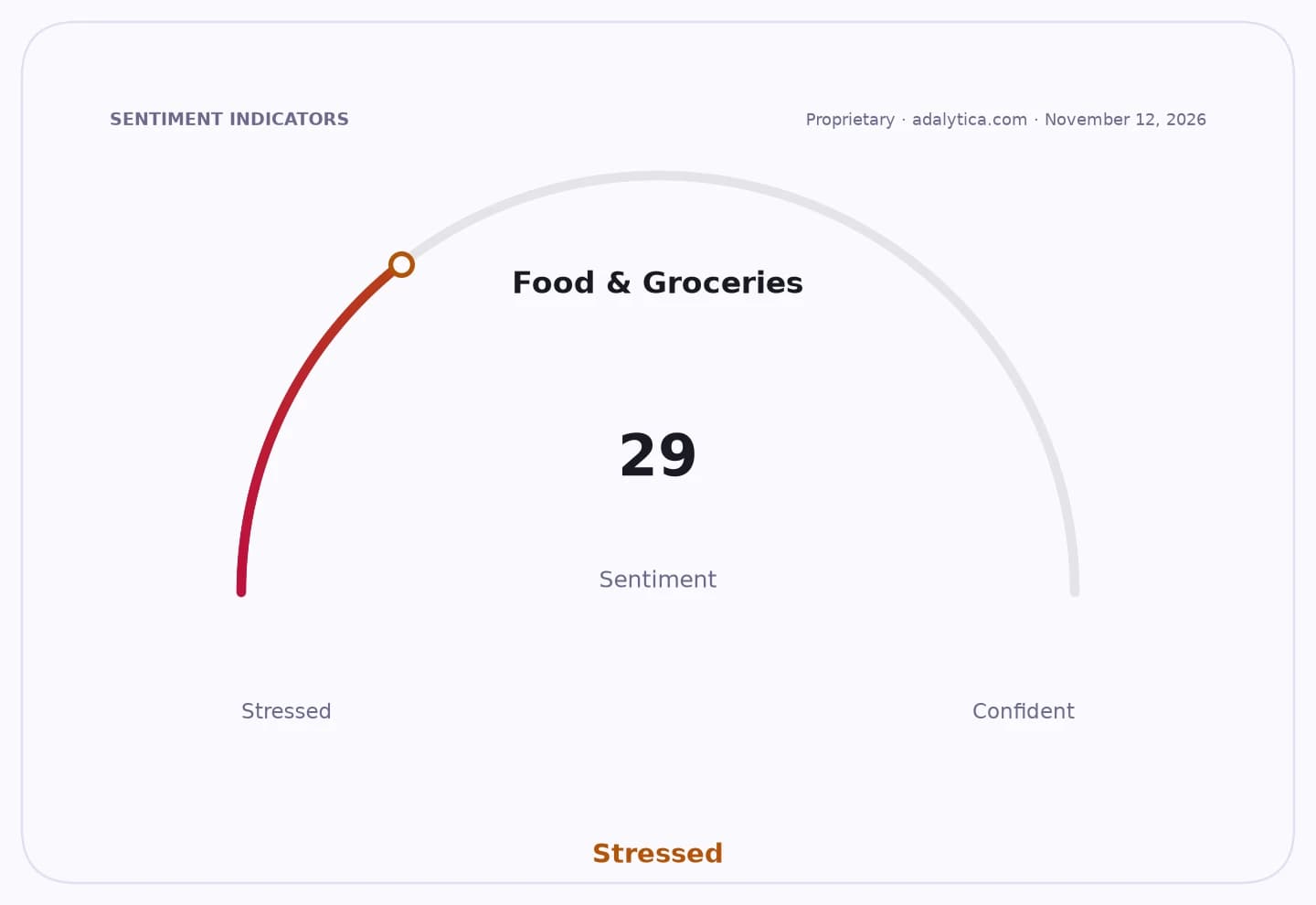
The move matters because it hits household budgets where inflation is most visible and politically sensitive: fresh food. Bank Indonesia’s PIHPS data showed red cayenne pepper at IDR 100,150 per kg on Tuesday, up 3.14% from the previous day, while red curly chili rose 7.4% to IDR 93,650 and shallots climbed 8.1% to IDR 40,700. Those increases are large enough to change daily spending patterns for lower- and middle-income consumers, especially in urban markets where chilies are a routine ingredient rather than a discretionary purchase.
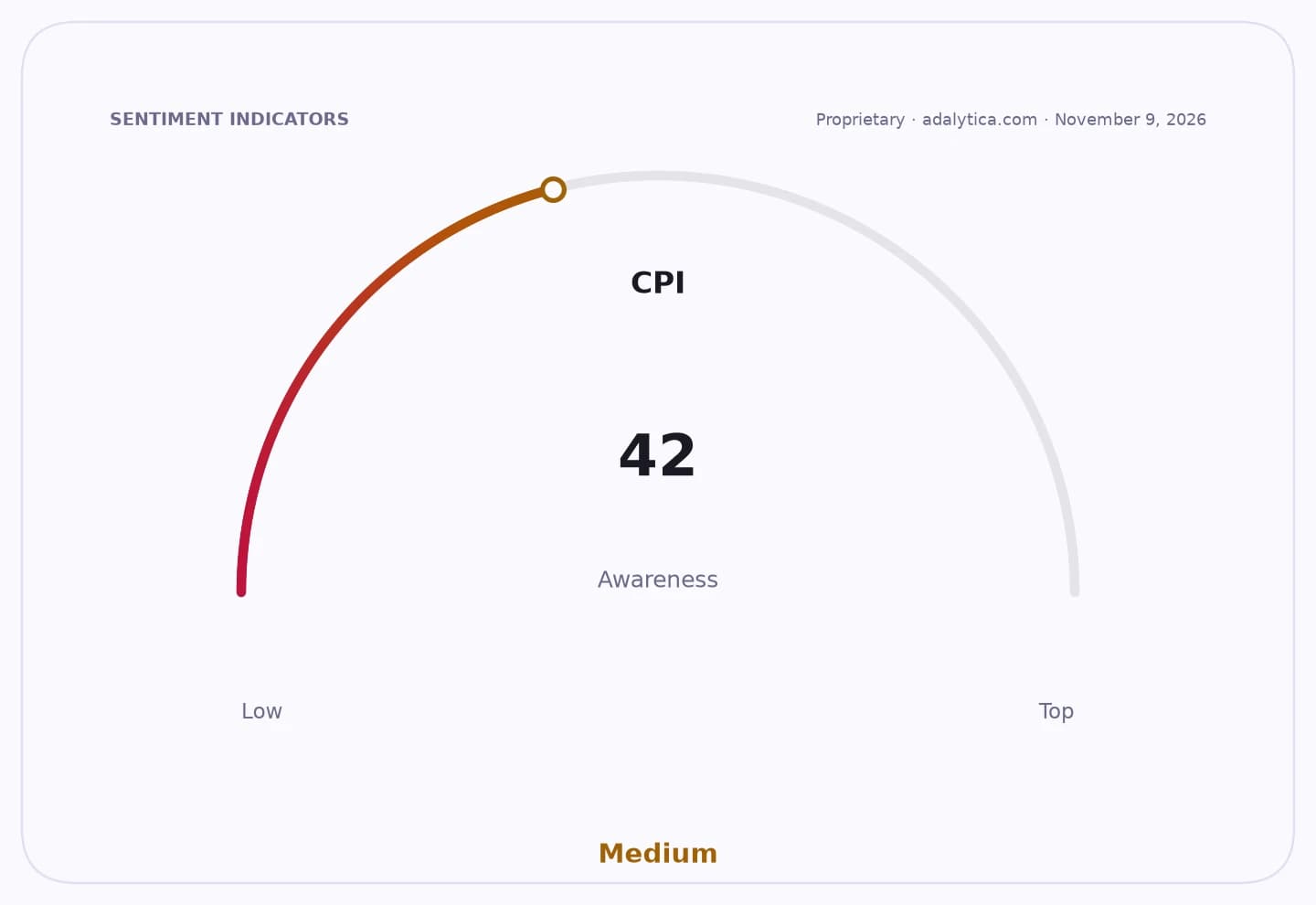
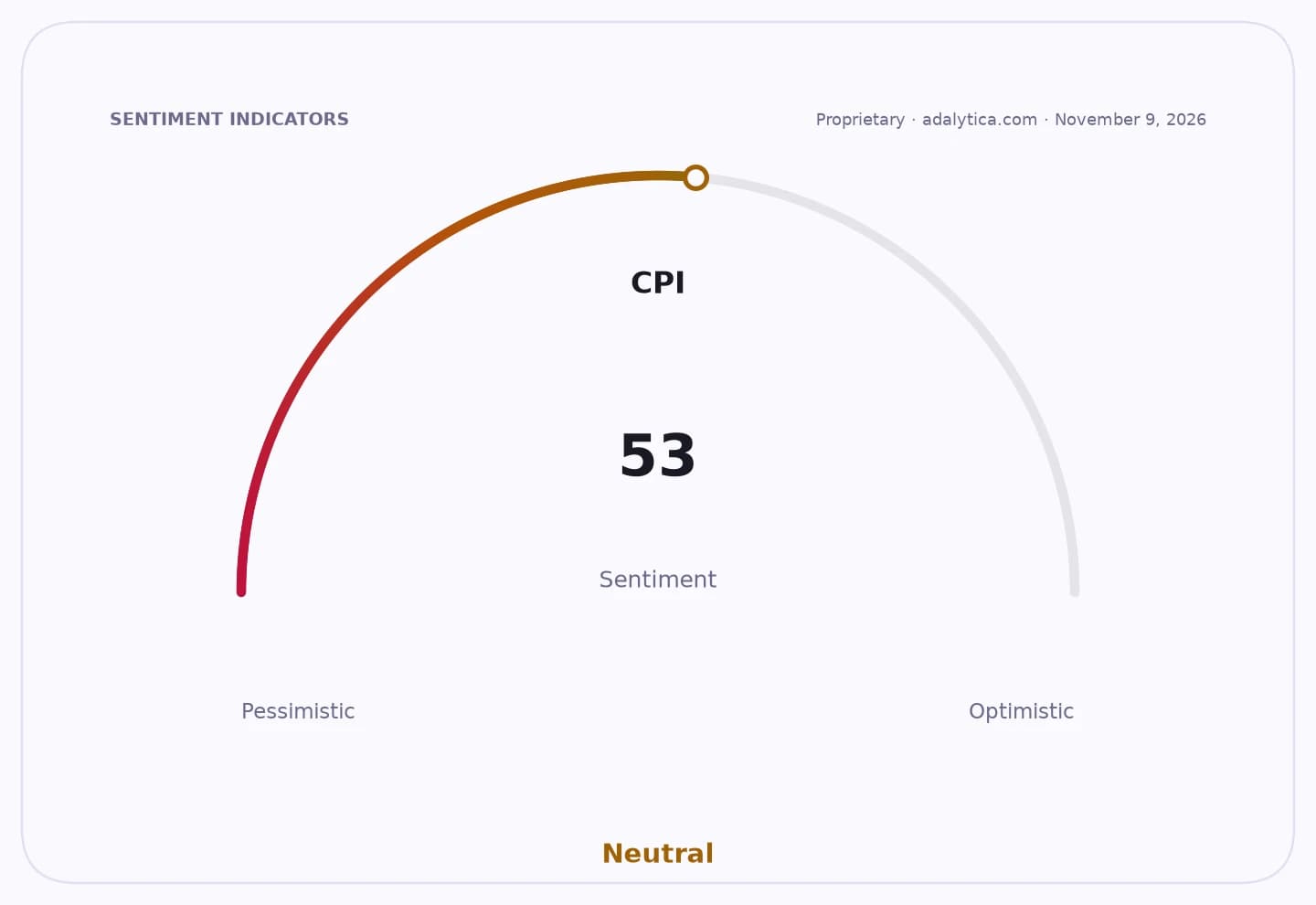
Sentiment Indicators
The rise in volatile food items comes at a time when broader inflation readings remain a key policy watchpoint. While the US data context points to still-elevated global price pressures, local food inflation in Indonesia is being driven more by supply disruptions, weather effects and distribution frictions than by demand strength. That distinction matters for Bank Indonesia: food price spikes can lift headline inflation without signaling stronger underlying growth, complicating the central bank’s balancing act between price stability and support for activity.
For investors, the immediate implication is less about an economy-wide demand shock and more about margin pressure, consumption mix shifts and policy risk. Higher cooking oil, sugar and chicken prices add to near-term household cost burdens, potentially weighing on discretionary spending in a market where consumer demand is highly sensitive to food bills. At the same time, the declines in rice and beef suggest the inflation pulse is uneven rather than broad-based, which may limit the duration of the shock if supply normalizes.
The market lens is therefore mixed. Food producers and traders exposed to firmer wholesale pricing may see short-term support, while consumers and retailers face pressure on basket affordability. For policymakers, the priority is keeping the chili spike from spreading into expectations, especially given how visible such price moves are in traditional markets across all provinces.
If the recent pattern persists, the key question for the next inflation prints will be whether the jump in chilies and shallots is a temporary supply flare-up or the start of a broader food-price cycle that forces a sharper policy response.
| Entity | Gains | Losses |
|---|---|---|
| Chili farmers / suppliers | ▲Higher selling prices | ▼Volatile demand |
| Consumers / households | ▲Lower rice and beef prices | ▼More expensive meals |
| Bank Indonesia | ▲Data support for monitoring inflation | ▼Pressure on headline inflation |
| Food retailers | ▲Higher turnover on staple goods | ▼Margin squeeze from price swings |