Navneet Rana’s distribution of groceries to 3 lakh families in Amravati underscores how rising food costs are turning festive outreach into a direct cost-of-living issue for households, even as politicians use Diwali to court voters and signal relief.
Food inflation drives grocery giveaways in Amravati
Consumer Spending
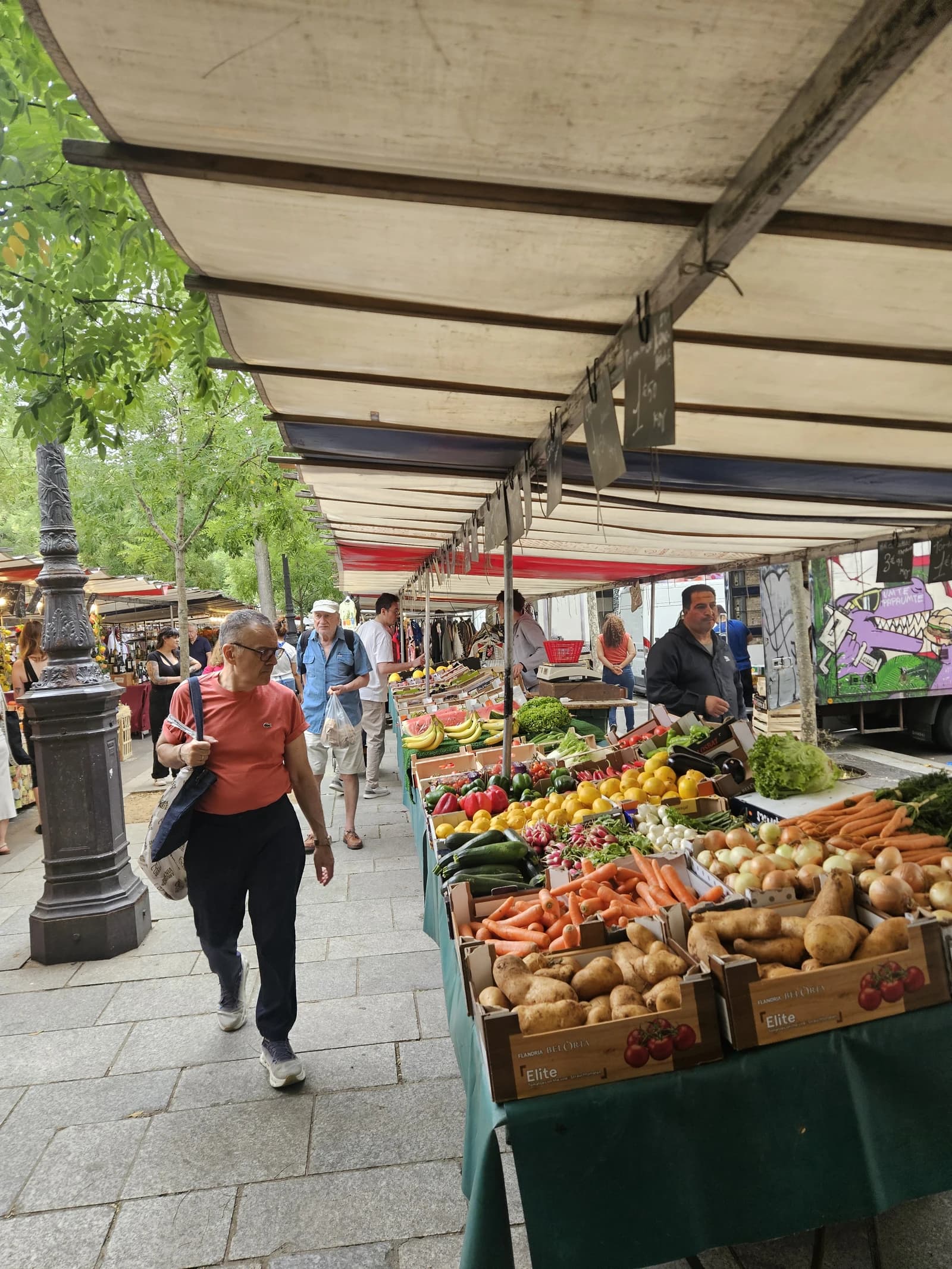
The giveaway lands against a backdrop of persistent food inflation, with recent readings showing food prices rising 6.09% and retail food inflation still elevated at 7.74%, driven by staples such as tomatoes and onions. That makes grocery support more than a symbolic gesture: for low-income families, it offsets a slice of the weekly food bill at a time when household budgets are already strained.
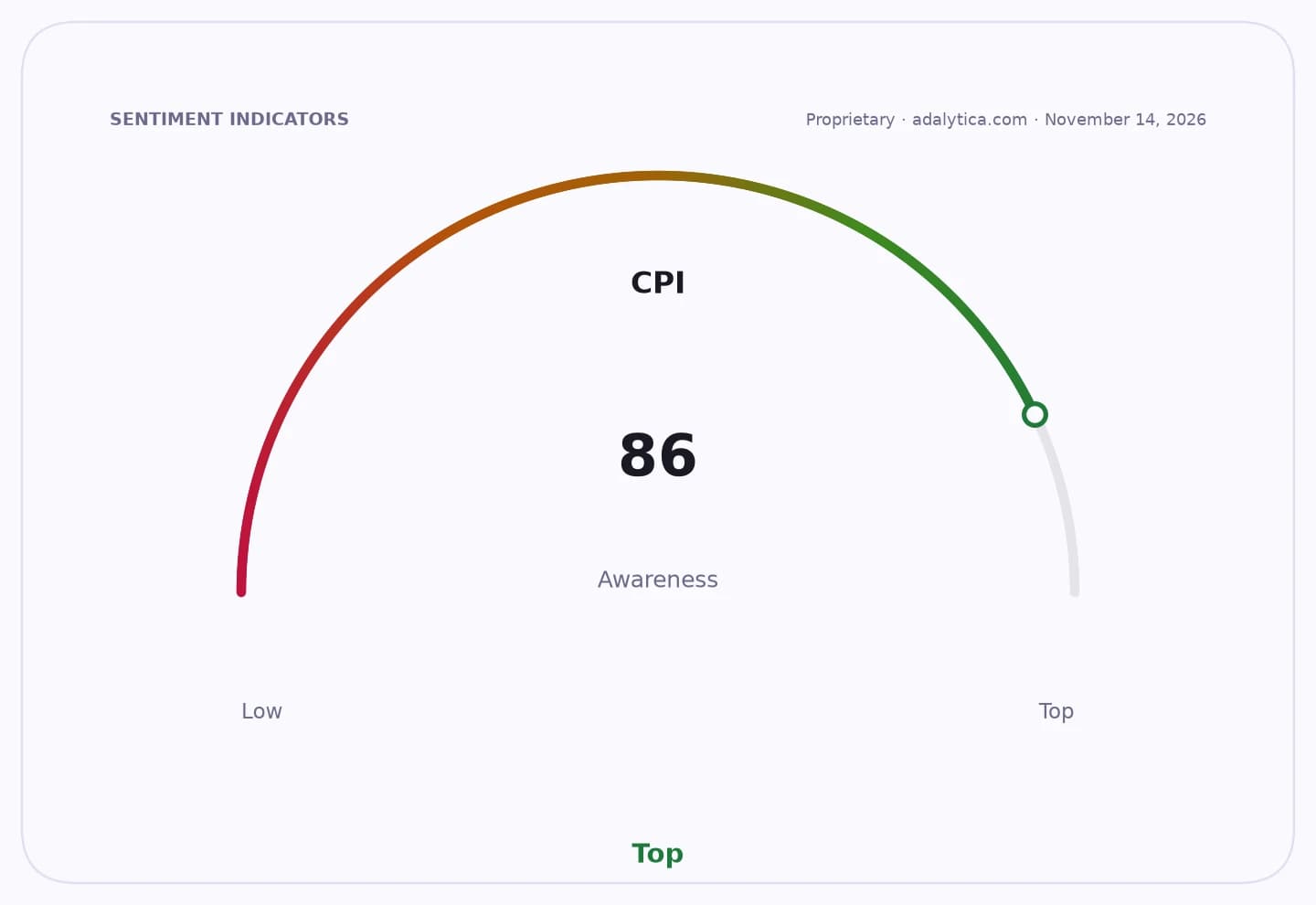
Sentiment Indicators
Rana, the former MP and wife of MLA Ravi Rana, said the family distributed groceries to 3 lakh households this year while celebrating Diwali with the blind, disabled, farmers and workers in Amravati. Maharashtra Chief Minister Devendra Fadnavis called to extend greetings, adding a political layer to a campaign that blends welfare messaging with grassroots visibility.
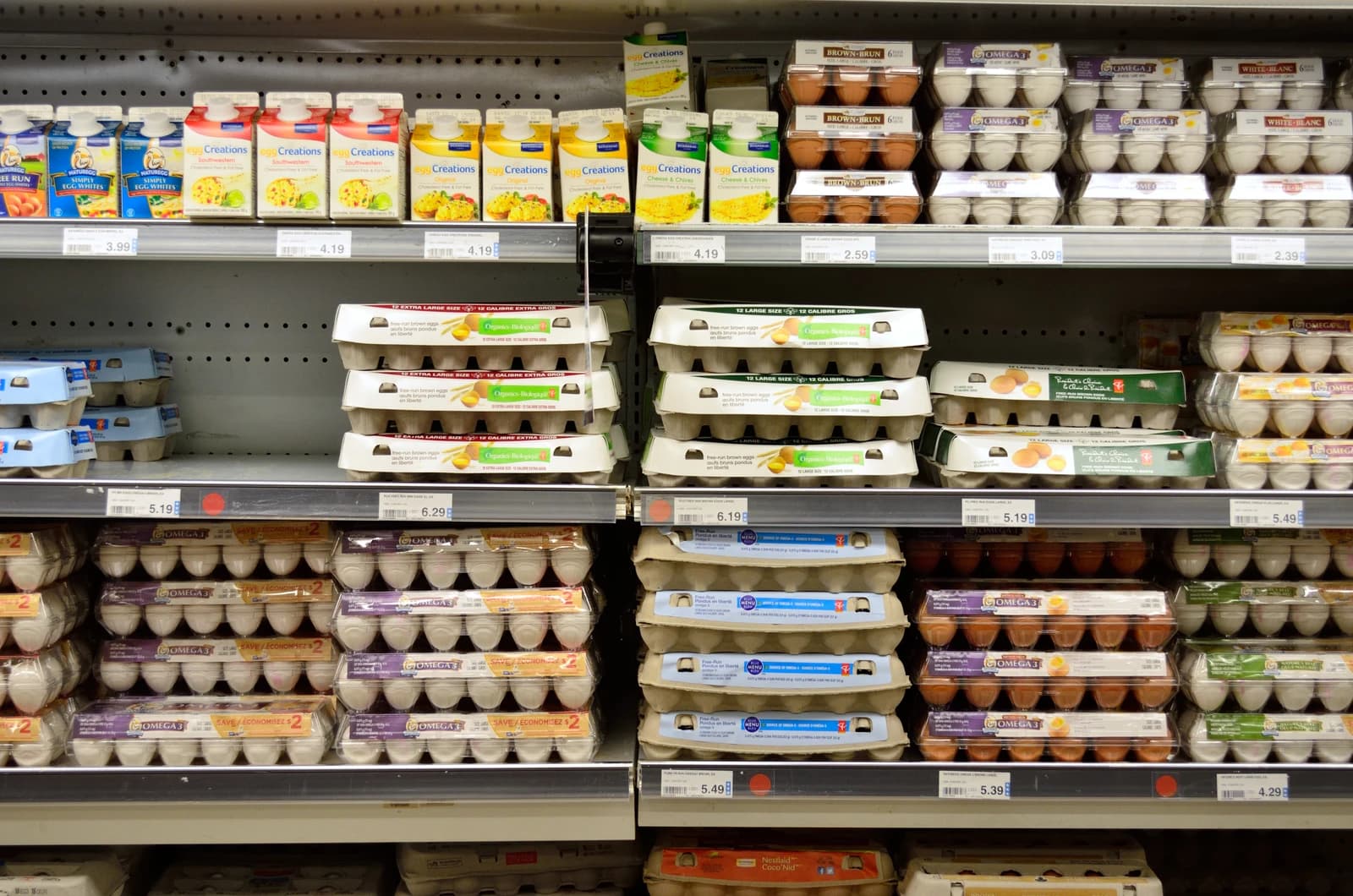
The timing matters for investors because persistently high food prices can weigh on consumer spending power, especially in discretionary categories, while benefiting staples and value retailers that capture trade-down demand. Recent U.S. retail data from Walmart and Kroger also show grocery remains a resilient spending category, even as broader consumer sentiment weakens.
For markets, the bigger takeaway is that food inflation is still shaping consumption patterns and political behavior well beyond India’s urban centers. If price pressures stay elevated into the next crop cycle, grocery support programs, subsidy debates and public welfare outreach are likely to stay front and center.
| Entity | Gains | Losses |
|---|---|---|
| Navneet Rana | ▲Grassroots goodwill | ▼Criticism over optics |
| 3 lakh families | ▲Grocery relief | ▼Continued dependence on aid |
| Value grocers/staples sellers | ▲Higher defensive demand | ▼Margin pressure from inflation |
| Consumers | ▲Short-term budget relief | ▼Ongoing food-cost strain |