India’s festive shopping season is getting smaller, pricier and more selective as inflation pushes up the cost of sweets, dry fruits and gifts, forcing households to trim discretionary spending ahead of Diwali.
India festive spending slips as inflation rises
CPI
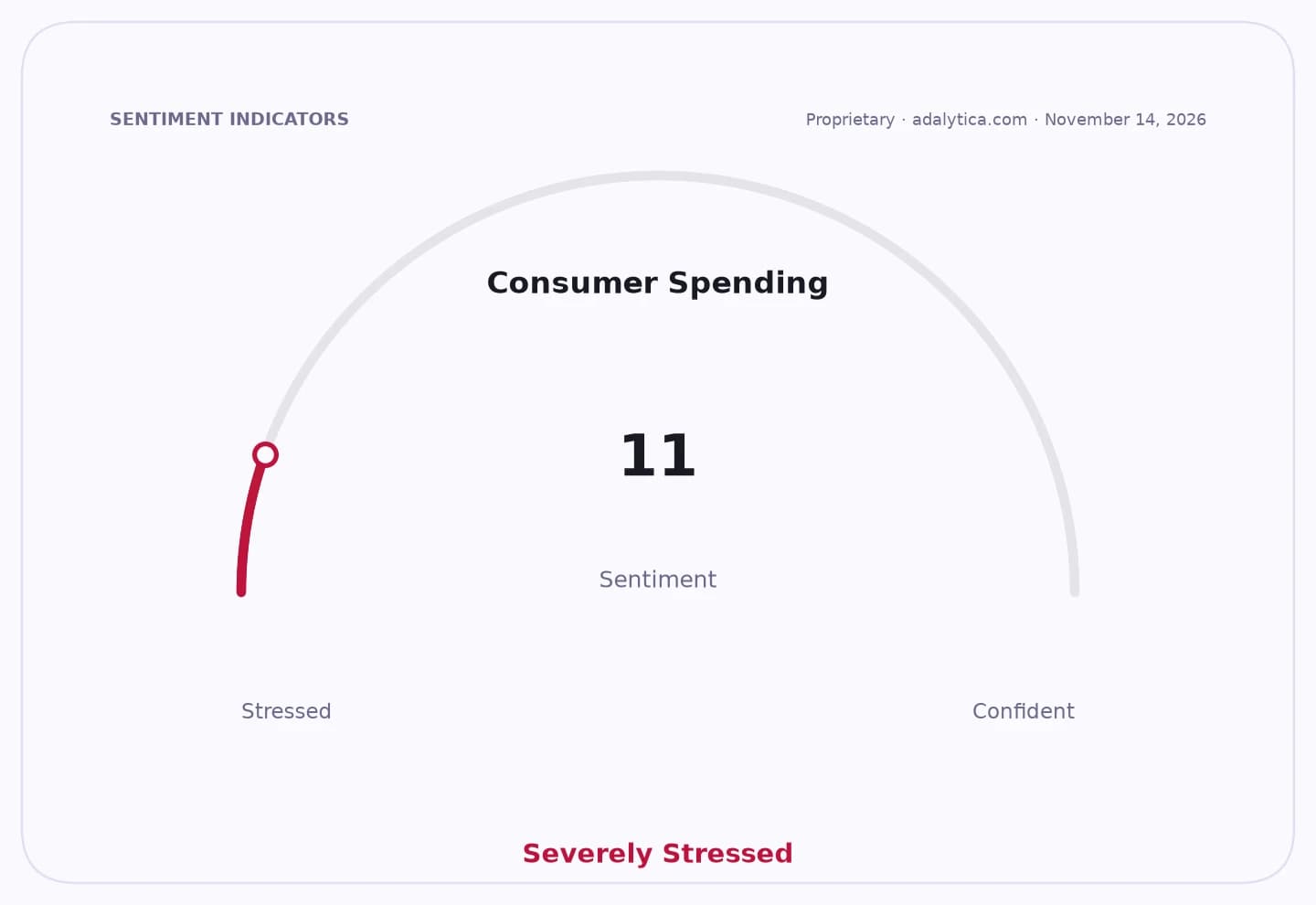
Traditional Indian sweets are about 15% more expensive than a year ago, with higher milk, khoya, sugar, nut and packaging costs lifting prices across the supply chain, while urban festive spending is set to fall about 6% to Rs 1.97 lakh crore in 2026, according to a LocalCircles survey.
Sentiment Indicators
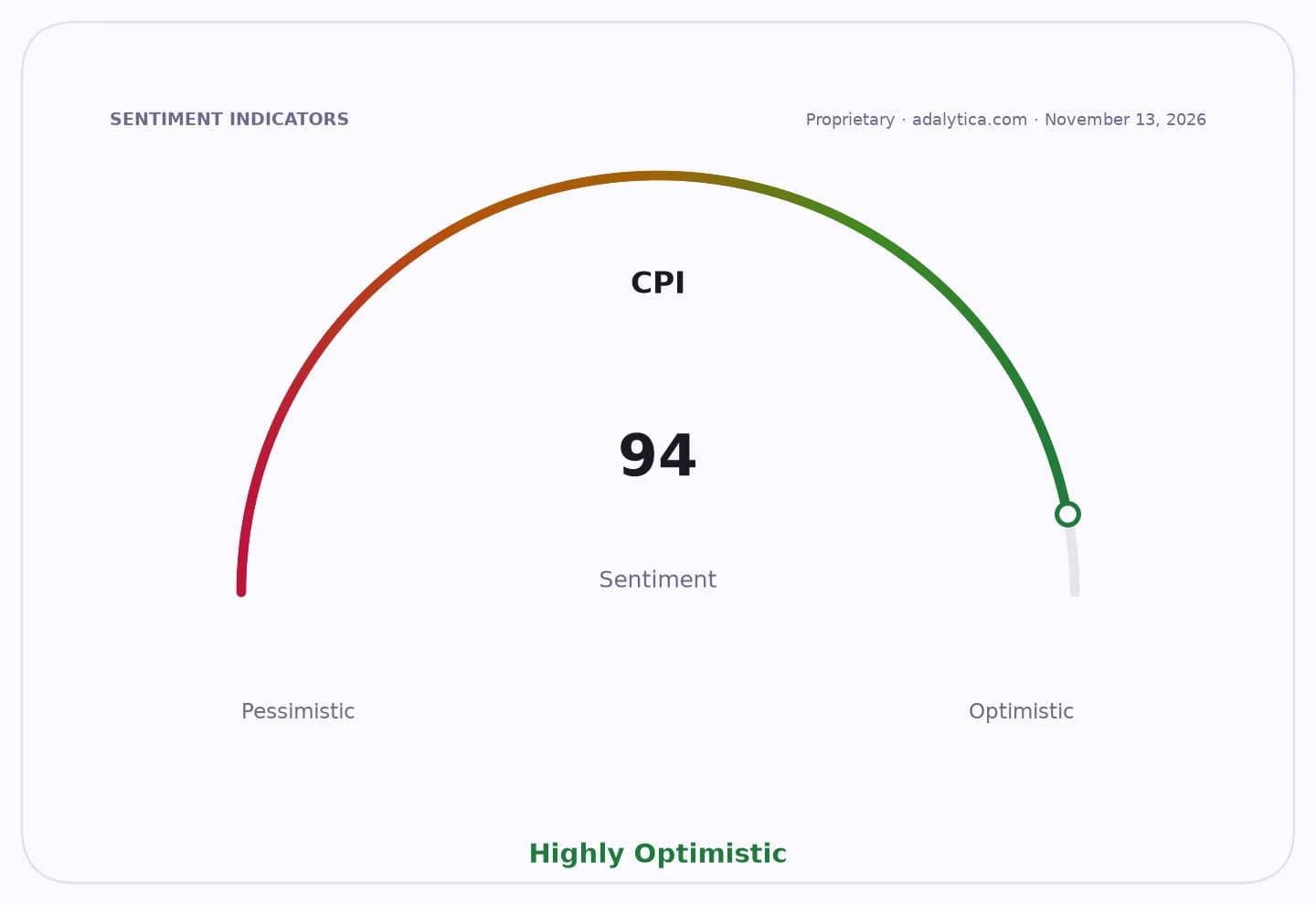
The squeeze is showing up in the country’s broader inflation data too. The Ministry of Statistics and Programme Implementation said retail inflation rose to 5.54% in September from 4.83% in August, while food inflation accelerated to 7.74%, leaving households with less room for non-essential purchases even as Diwali demand normally peaks.
For investors, the shift matters because the festive season is a key sales window for consumer goods makers, sweet shops, grocers and retailers. Smaller sweet boxes, cheaper gifting alternatives and reduced hamper sizes point to weaker average ticket sizes even if footfall remains steady.
The pressure is most visible in premium festive categories. Pistachio prices have nearly doubled over the past year and almonds are up about 20%, according to The Economic Times, while sugar prices in Uttar Pradesh mandis have climbed to Rs 5,700 a quintal from Rs 4,800 the previous month. Sweet manufacturers are passing on costs, with some raising prices by 10% to 12%.
The consumer backdrop is not improving fast enough to offset the hit. Onion prices were up 108.09% year-on-year in September, while ginger and garlic rose 62.85% and 54.62%, underscoring how food inflation is crowding out discretionary budgets.
That is forcing more households to dip into savings. LocalCircles said 83% of urban families that plan to spend during the season expect to finance purchases from savings, while 31% said they did not plan any discretionary buying at all.
Listed consumer names are already reflecting the strain. Hindustan Unilever and ITC trade with elevated momentum in recent sessions, but broader consumption stocks remain sensitive to margin pressure and softer volume growth if the festive sell-through disappoints. DMart, which depends on high-frequency household spending, will also be watched for any sign that consumers are trading down on staples and non-food purchases.
The bigger macro risk is that festive inflation is no longer just a pricing story for mithai makers. It is part of a wider cost-of-living squeeze that could temper urban consumption into year-end and keep pressure on policymakers as India’s inflation outlook stays uncomfortably firm.
| Entity | Gains | Losses |
|---|---|---|
| Sweet manufacturers | ▲Higher selling prices | ▼Volume growth |
| Consumers | ▲Cheaper alternatives | ▼Purchasing power |
| Retailers/gifting businesses | ▲Demand for lower-ticket items | ▼Average basket size |
| RBI/policymakers | ▲Clearer inflation signals | ▼Room for easier policy |