Karnataka’s latest milk and bus fare increases are sharpening a broader cost-of-living squeeze, with households asked to absorb higher prices for two essentials even as the state tries to balance farmer support, public transport finances and consumer affordability.
Karnataka milk and bus fares rise
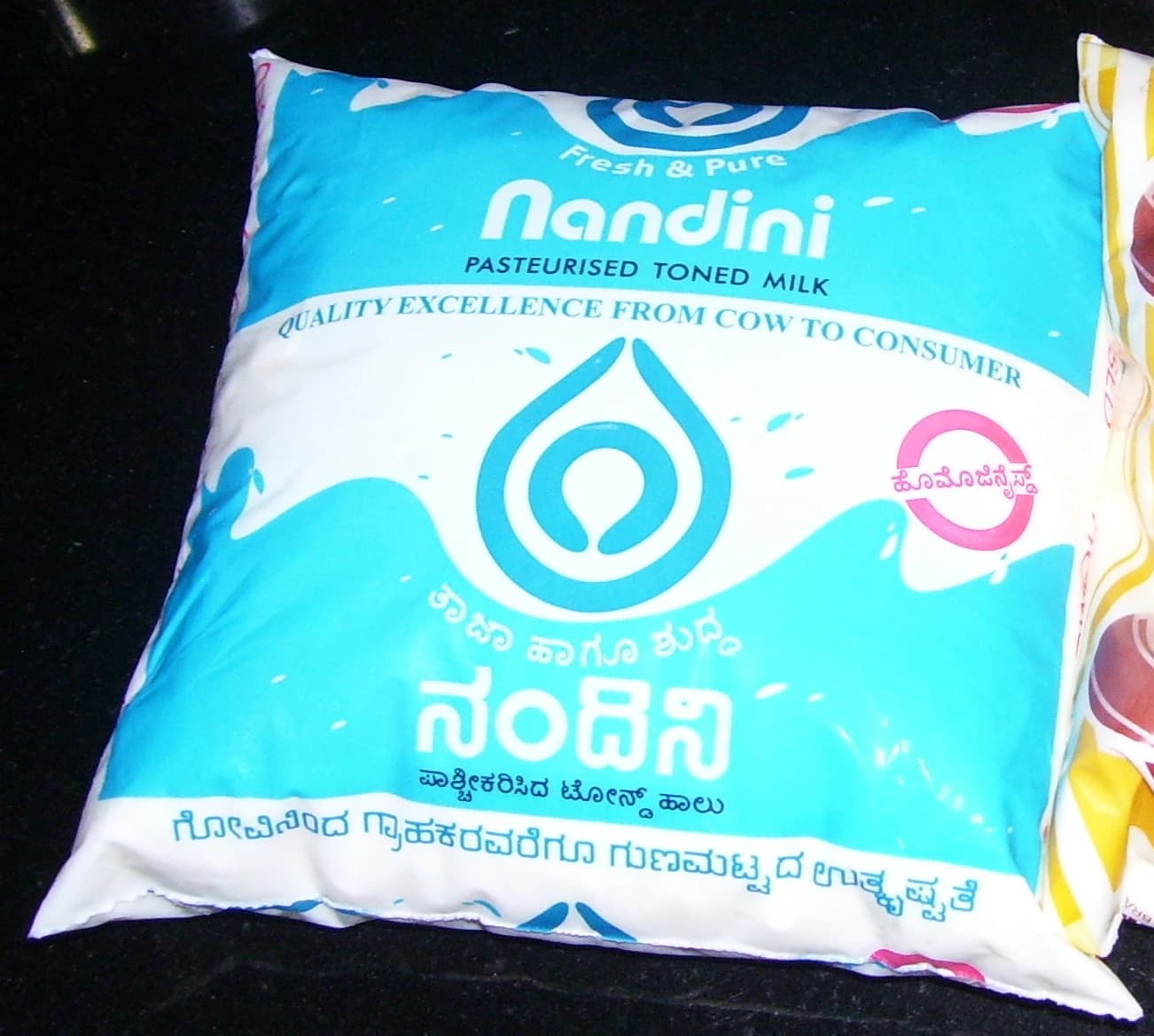
The immediate economic significance is less about the size of any single hike than about the way essential goods are being repriced across the board. Milk is a daily staple for most families, while bus fares hit workers, students and rural commuters who have little choice but to travel. When both rise at once, the effect is amplified: the extra outlay may look modest on an individual trip or purchase, but it compounds across a month and lands hardest on low-income households, informal workers and the urban middle class.
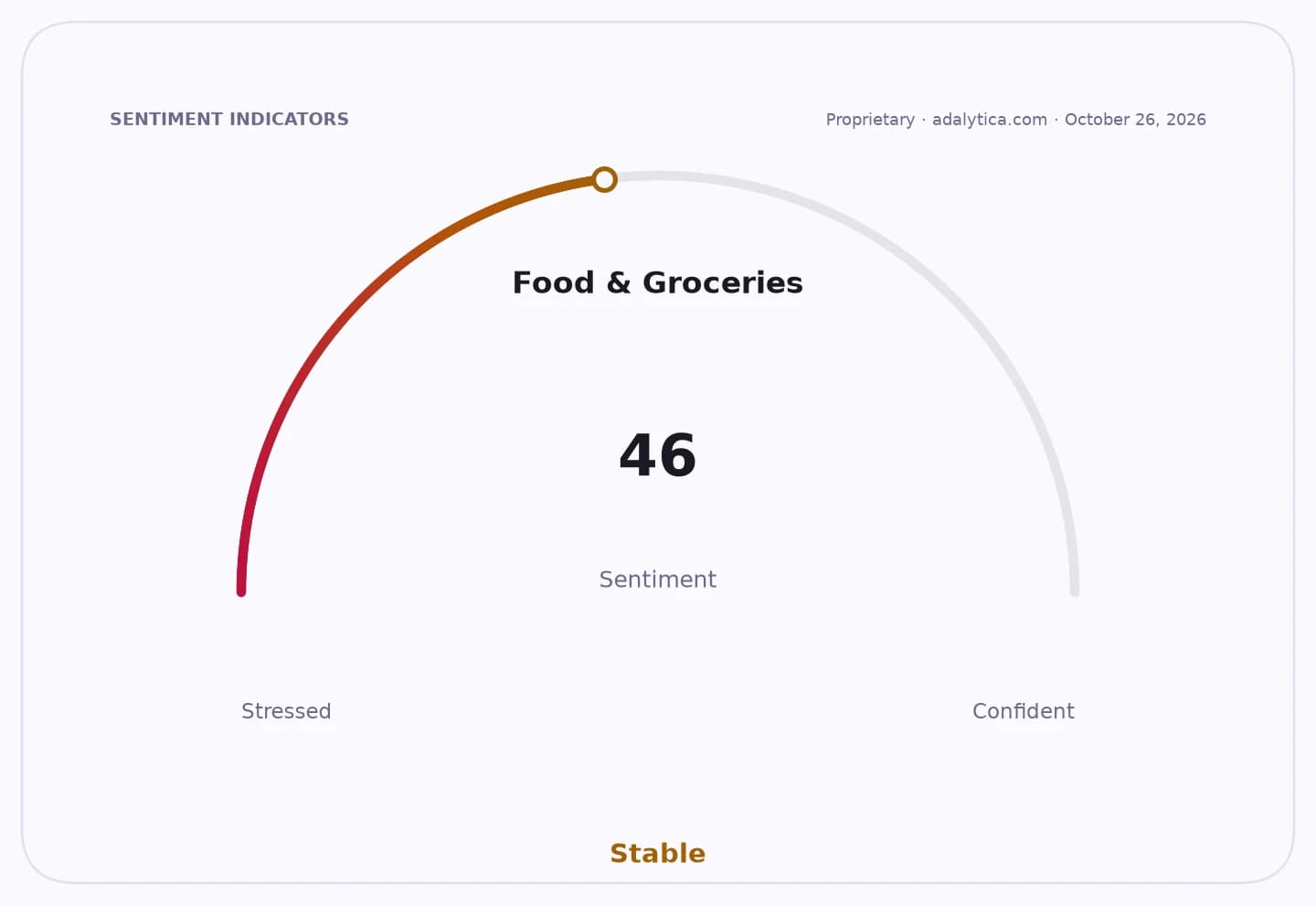
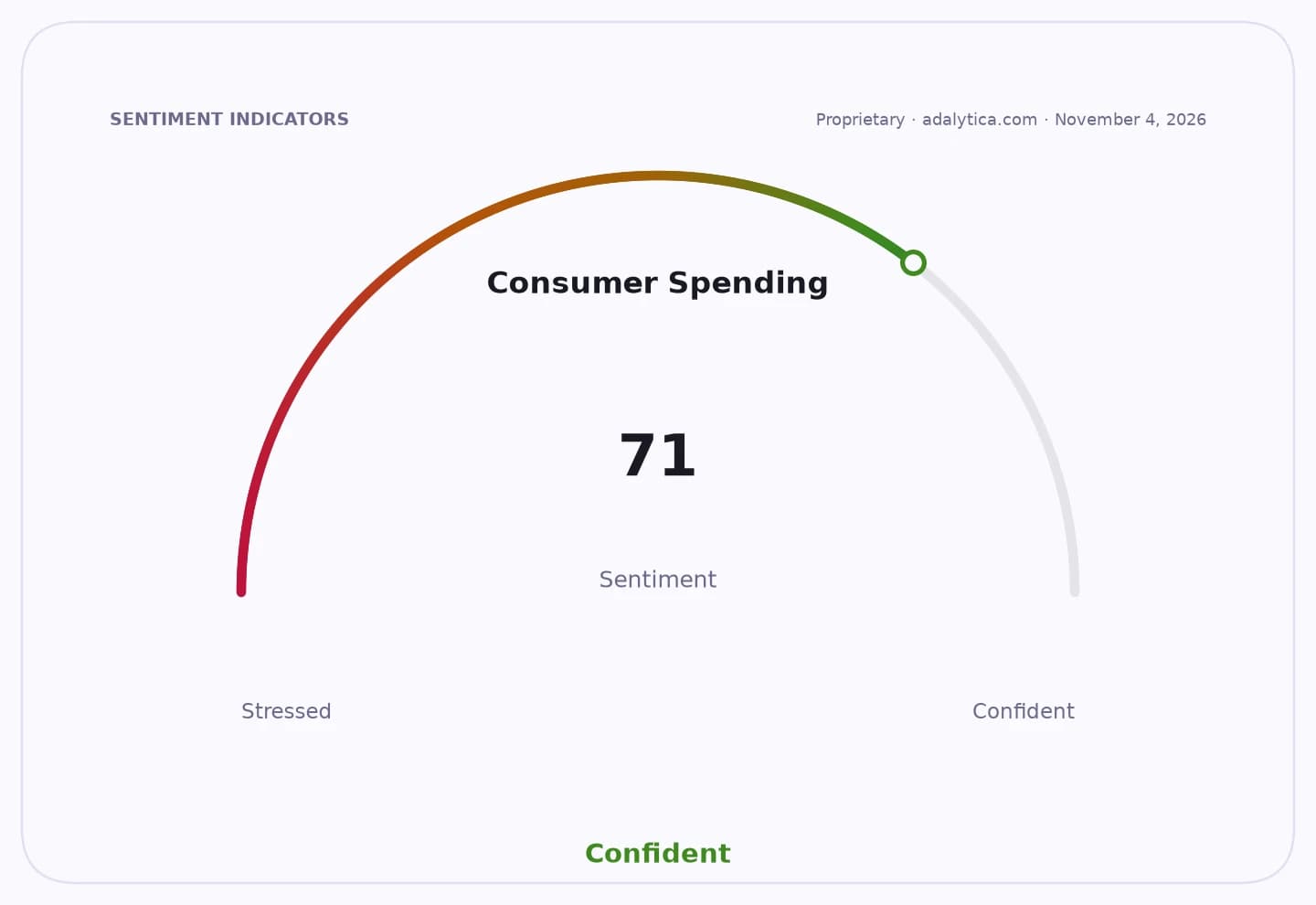
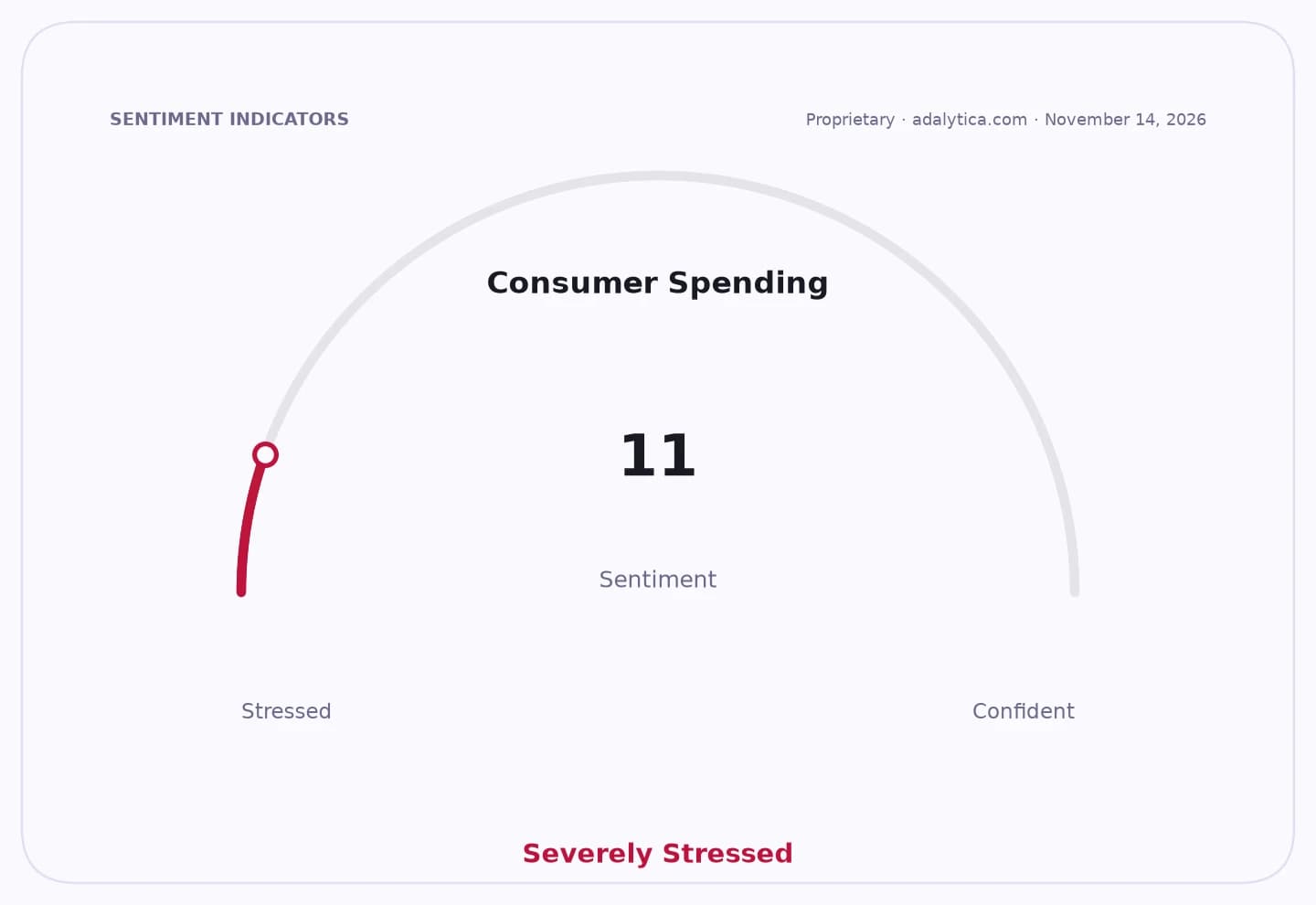
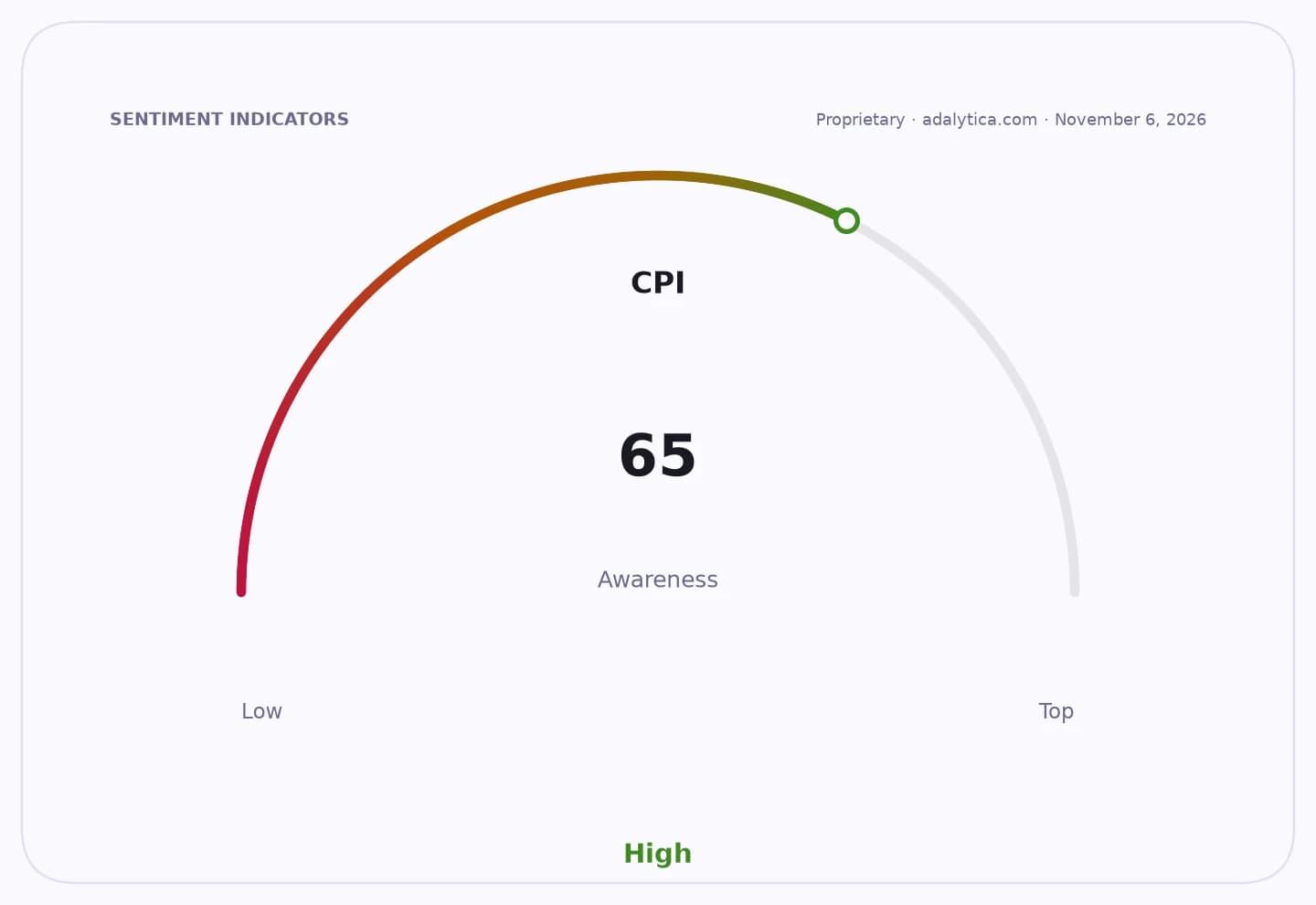
Sentiment Indicators
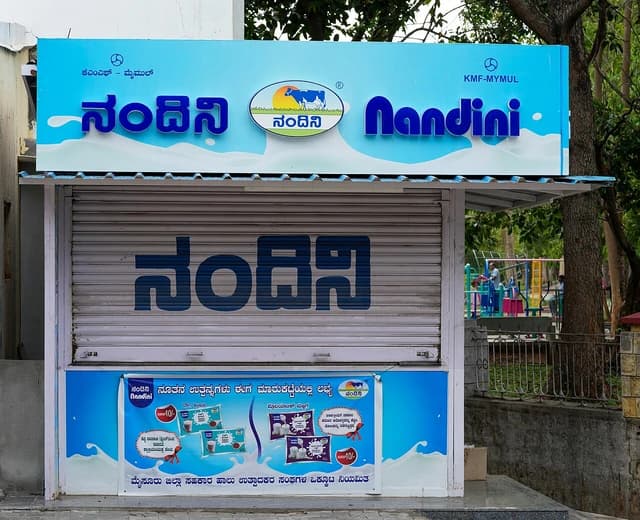
The pressure is not isolated to Karnataka. Recent price rises by Amul and Mother Dairy, along with higher prices for ghee and butter at the Karnataka Milk Federation, point to a wider inflationary impulse running through food and household staples. Higher fuel costs are feeding through logistics, packaging and farm inputs, making it more expensive to produce and distribute dairy and transport services. That is why the debate has shifted from whether producers deserve higher compensation to who should bear the bill for it.
Farmers’ groups have a legitimate case: feed, electricity, labour, veterinary care and other input costs have climbed, and milk procurement prices need to remain viable if dairy production is to stay profitable. But passing the entire adjustment through to consumers is politically and economically fraught. Dairy demand is relatively inelastic, yet poorer households will cut back elsewhere, which weakens overall spending power and risks slowing consumption in other parts of the economy. The same logic applies to bus fares: public transport operators need to cover fuel, wages and maintenance, but fare increases can reduce ridership and deepen the burden on daily commuters.
CPI
That tension is now central to the policy question facing the state. Shakti, Karnataka’s free bus travel scheme for eligible women, has broadened mobility and supported labour-market participation, education and access to health care. But it also increases the financial strain on state transport corporations, making fare reviews more likely. The political challenge is to preserve the social gains of the scheme without forcing the rest of the commuting public to subsidise its cost through higher fares.
For investors and businesses, the message is that inflation in essentials is becoming more persistent and more politically sensitive. Consumer-facing companies may struggle to pass through the full cost increase if household budgets are already stretched, while transport operators and dairy co-operatives face pressure to improve efficiency rather than rely on price hikes alone. The broader risk is that repeated increases in staples and mobility costs erode real incomes and keep discretionary spending weak, even if headline inflation remains contained.
The next test for policymakers will be whether they can separate farmer compensation from blanket consumer price rises. If they do not, the burden of rural support will keep landing on urban and rural consumers alike, intensifying public backlash and raising the odds of more cautious household spending in the months ahead.
| Entity | Gains | Losses |
|---|---|---|
| Dairy farmers | ▲Higher procurement support | ▼None if costs stay covered |
| Consumers/households | ▲None | ▼Higher daily expenses |
| KSRTC/state transport | ▲More revenue per trip | ▼Ridership and goodwill |
| State government | ▲Can back farmers and services | ▼Faces political backlash |