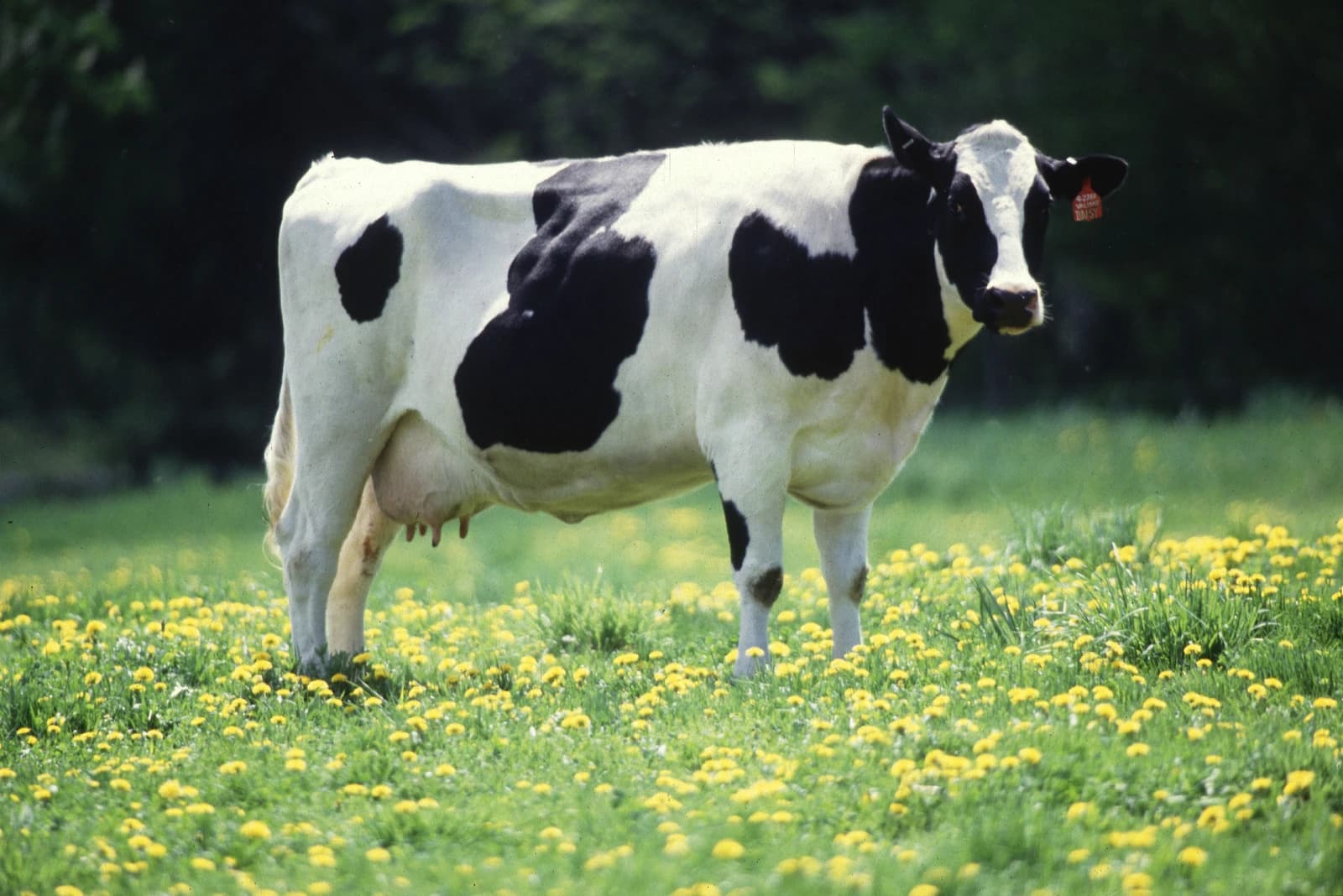
Rising milk prices are pushing more households to consider keeping cows at home, as Karnataka raises the price of Nandini milk by Rs 8 per liter and other dairy products also get more expensive.
Karnataka Nandini Milk Price Rise Hits Households
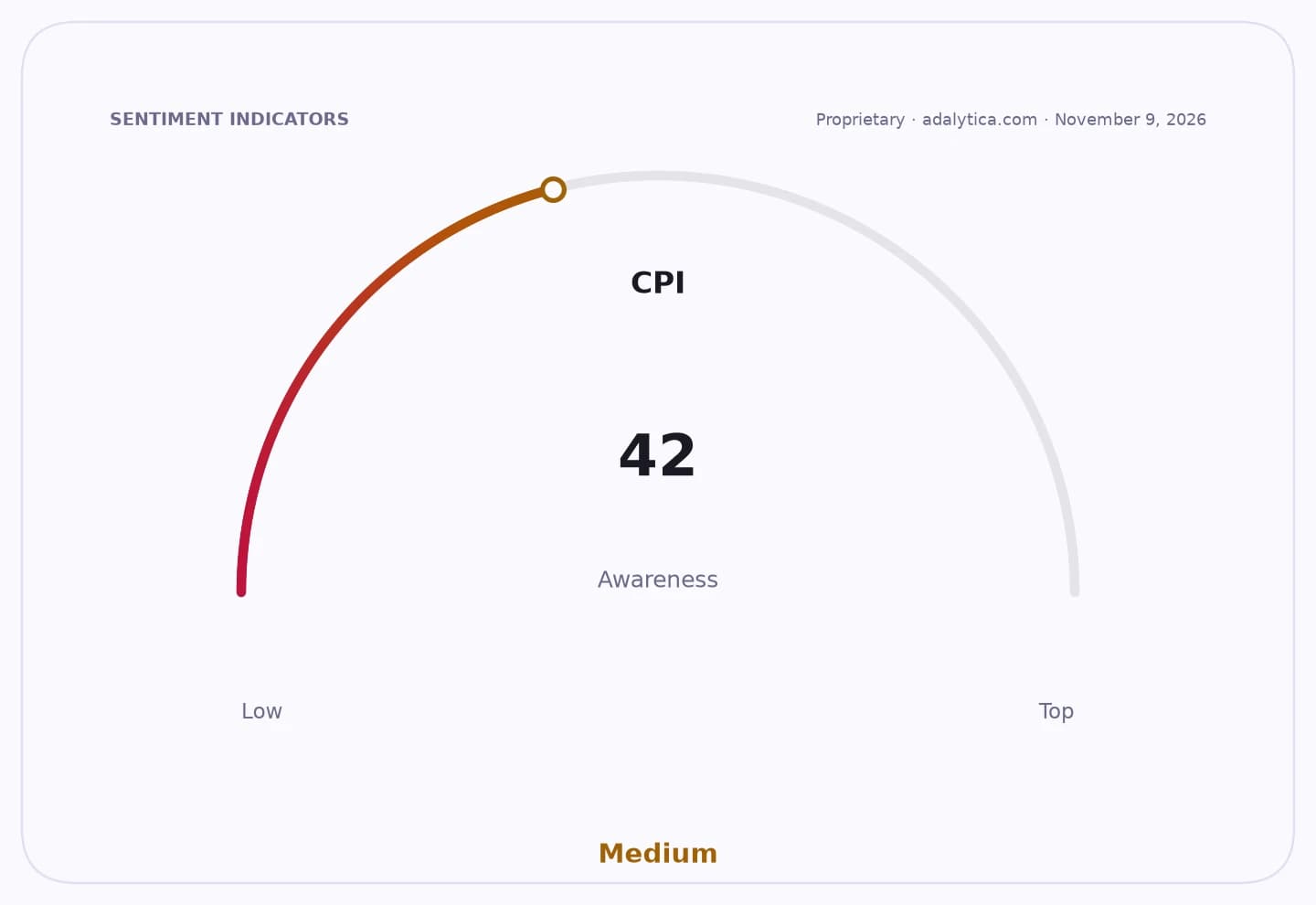
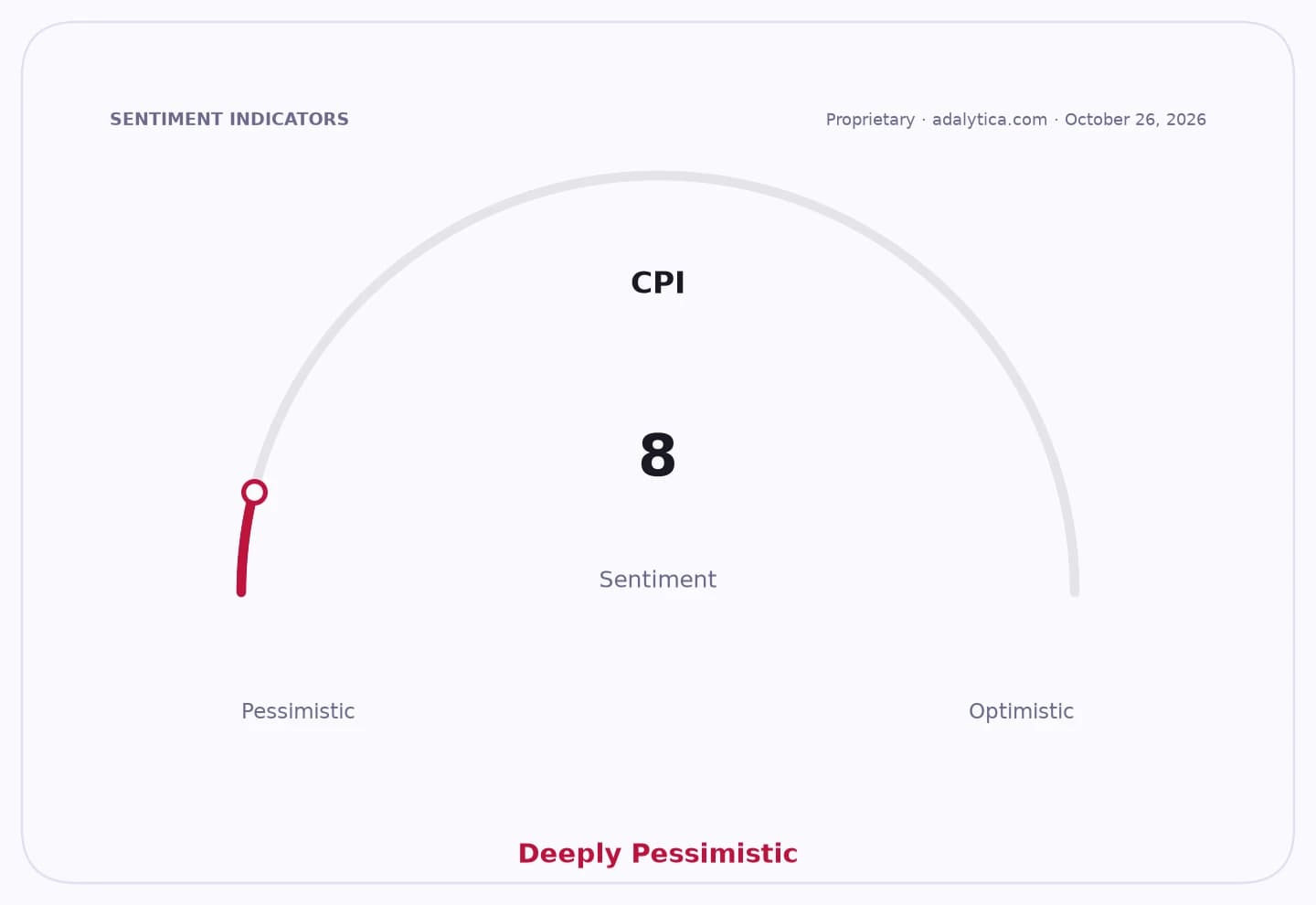
CPI
The shift matters because milk is a daily staple with limited substitutes, so even modest price increases feed straight into household budgets, food inflation and consumer sentiment. Karnataka says Rs 7 of the Nandini increase will go to dairy farmers, underscoring the pressure on producers hit by drought and higher costs.
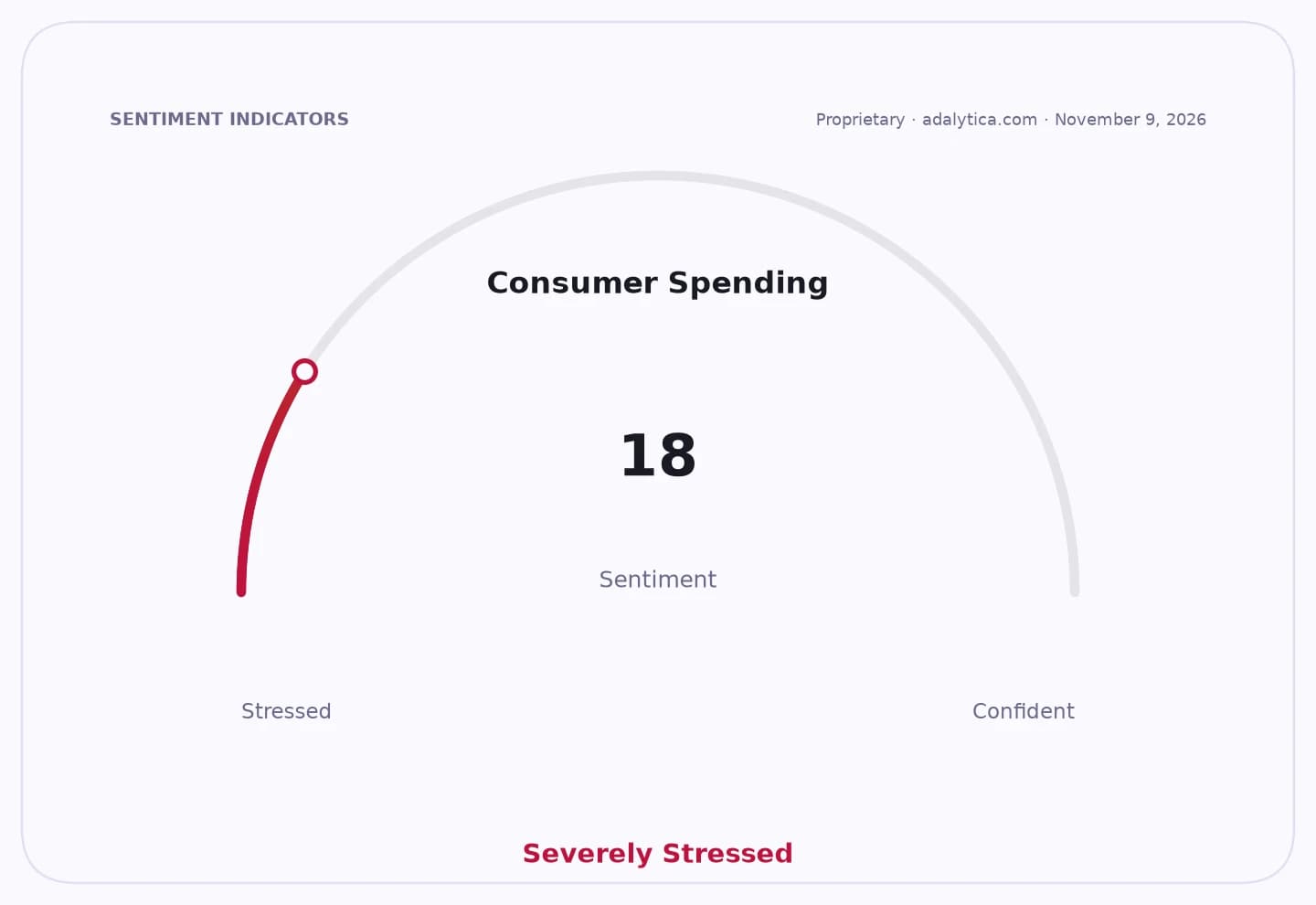
Sentiment Indicators
For consumers, the immediate response is a search for self-sufficiency: more families may try to produce their own milk, curd and ghee rather than absorb repeated retail hikes. That makes the story bigger than one state price change — it reflects how inflation in essentials can alter buying habits, especially in urban and semi-urban markets where dairy is purchased every day.
The broader dairy backdrop remains inflationary. Amul has also raised milk prices by Rs 2 a liter and butter by Rs 30, signaling that input costs and farm economics are still forcing retailers to pass through higher charges. Official data also show price pressures have not fully faded, with U.S. consumer prices and producer prices still running above pre-pandemic levels, while energy volatility keeps a floor under transport and feed costs.
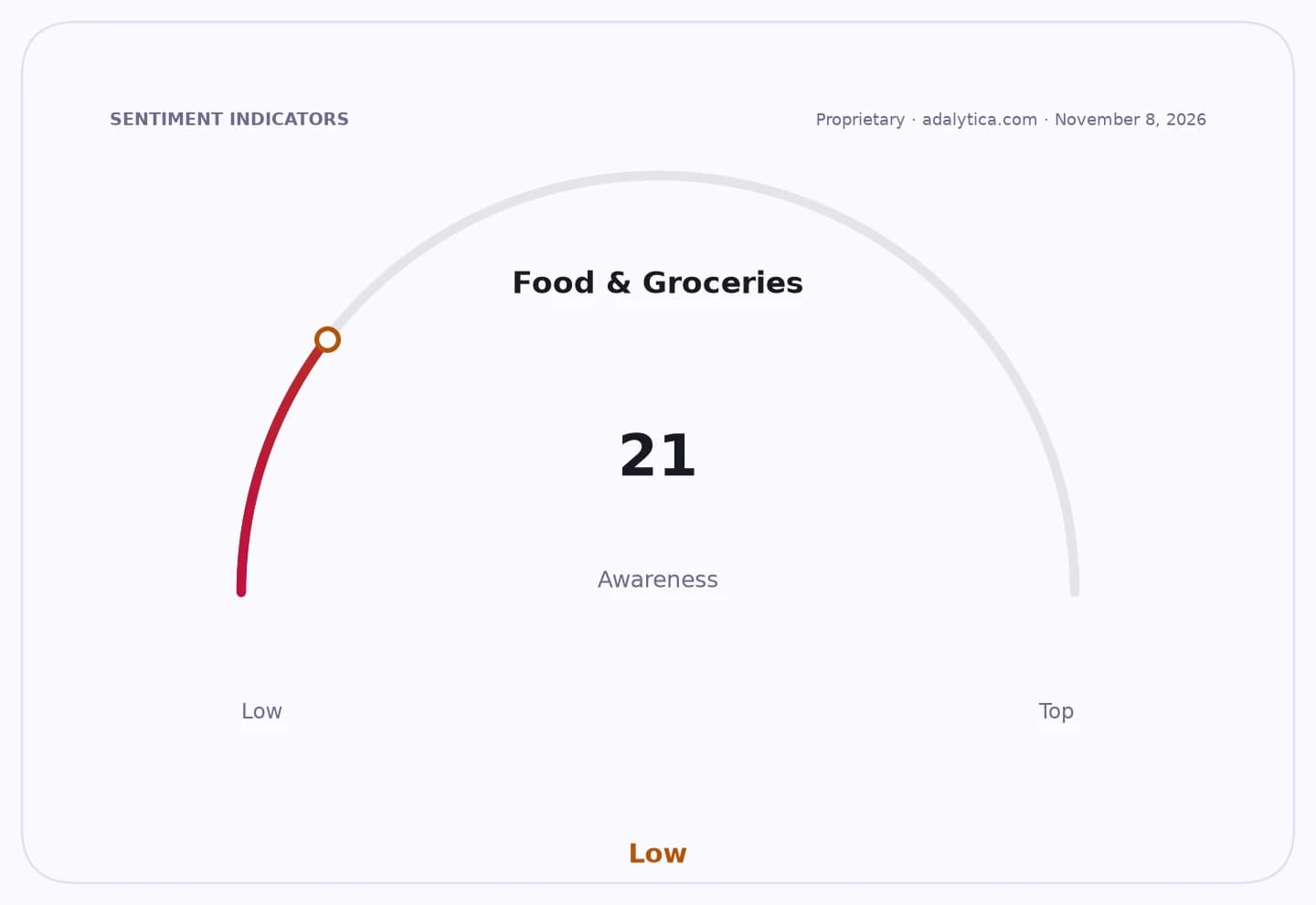
Investors should watch the ripple effects across packaged dairy, cooperatives and consumer staples, where pricing power can support margins but risks backlash if volumes soften. Adalytica’s CPI sentiment remains neutral at 51, but awareness around inflation is elevated, suggesting price sensitivity is still high.
The next catalyst is whether state governments or dairy brands offer offsets, discounts or fresh price adjustments to ease consumer anger without squeezing farmer incomes further.
| Entity | Gains | Losses |
|---|---|---|
| Dairy farmers | ▲Higher farmgate realization | ▼None |
| Households raising cows | ▲Lower milk dependence | ▼Upfront care costs |
| Nandini and Amul | ▲Better cost pass-through | ▼Risk of demand pushback |
| Consumers/buyers | ▲More incentive to self-produce | ▼Higher daily food bills |