Dairy farmers supplying Kabianga milk plant are getting more cash for each litre after the factory raised the farmgate price to 63 shillings from 55, a 14.5% increase that should improve household income across the local dairy chain.
Kabianga milk plant raises farmgate price to 63 shillings
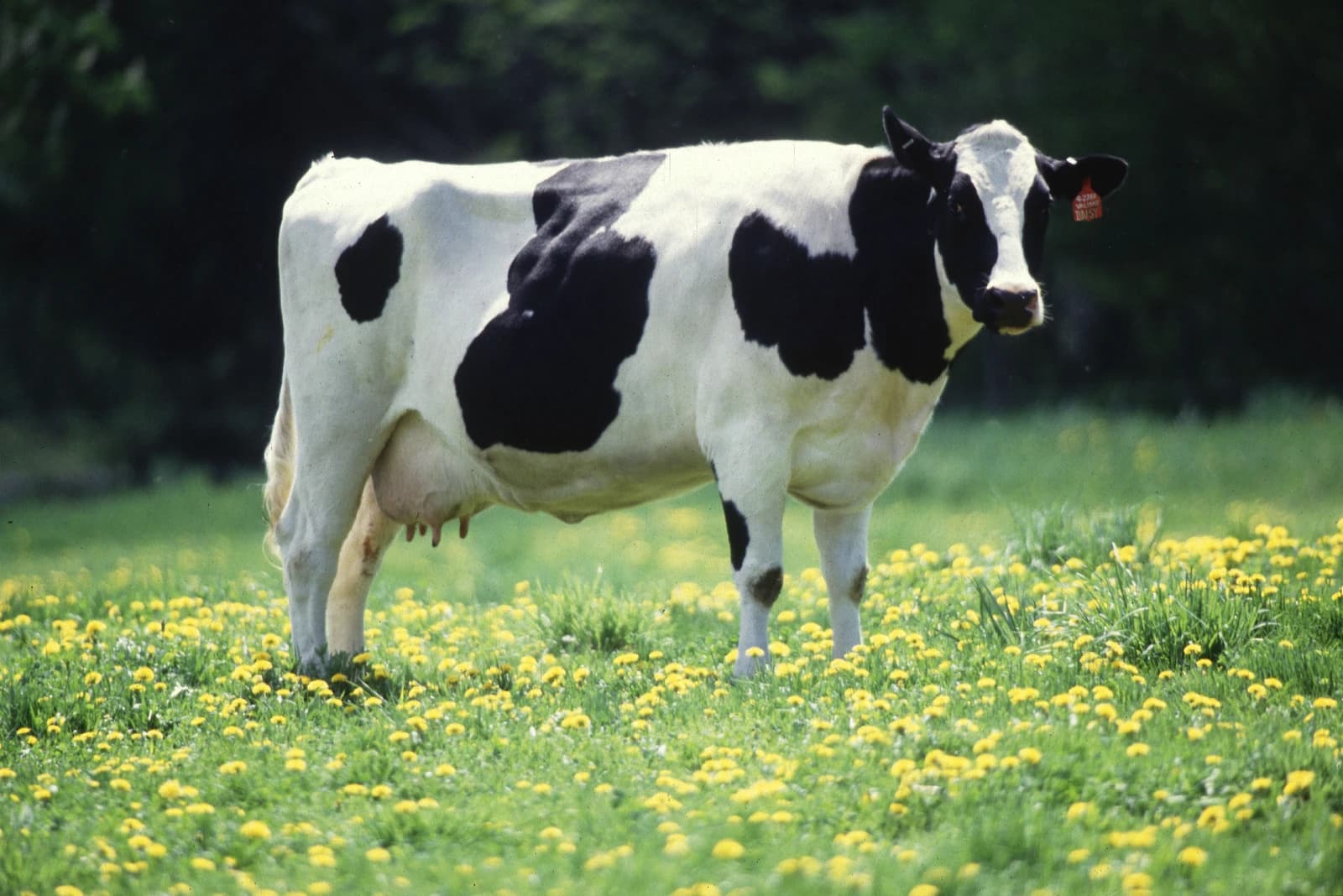
The increase matters because milk is a core cash crop for smallholders and one of the few regular income sources in rural Kenya. Higher procurement prices can help farmers cover feed, transport and veterinary costs, while also encouraging more deliveries if producers have been holding back milk in response to tight margins.
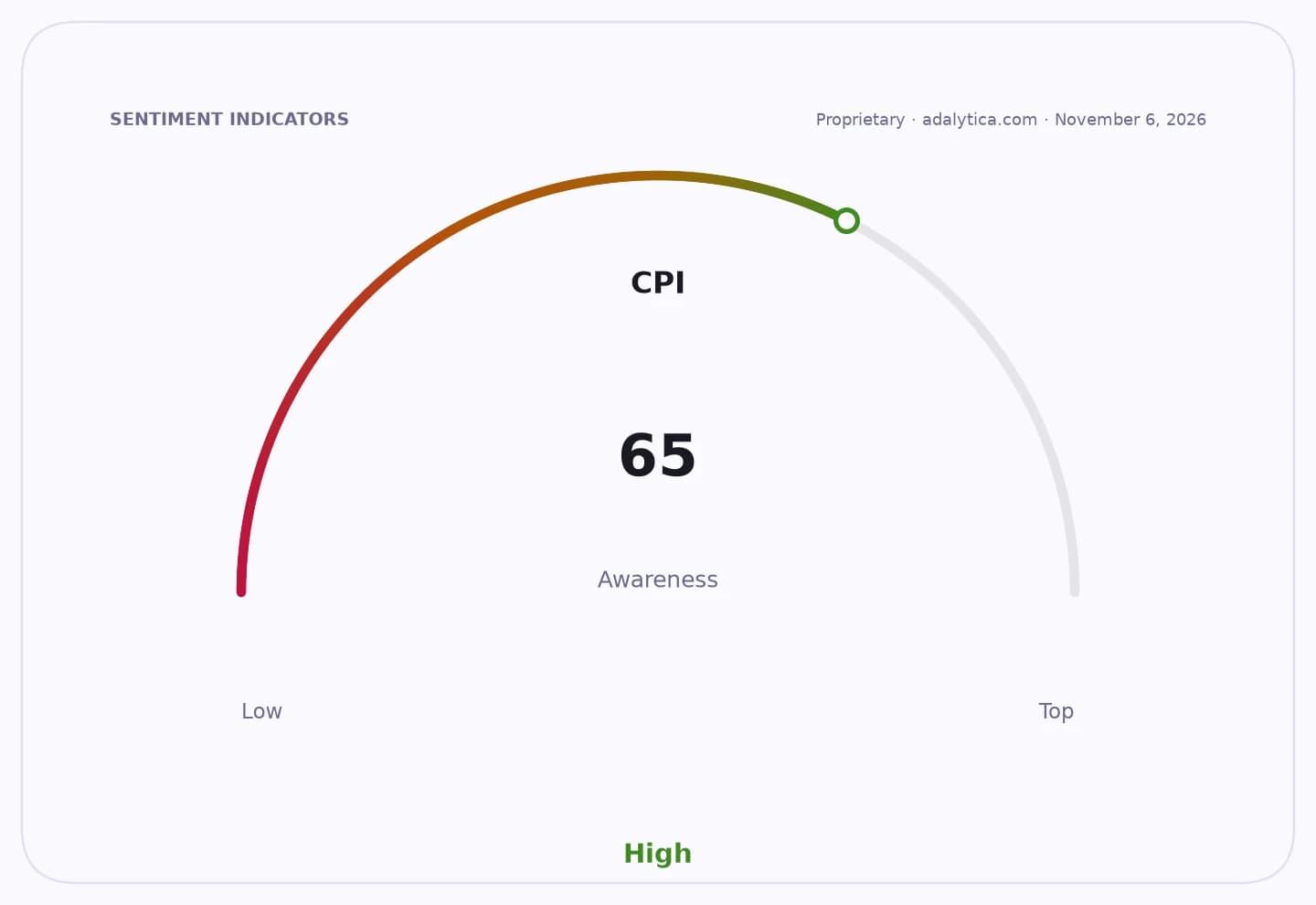
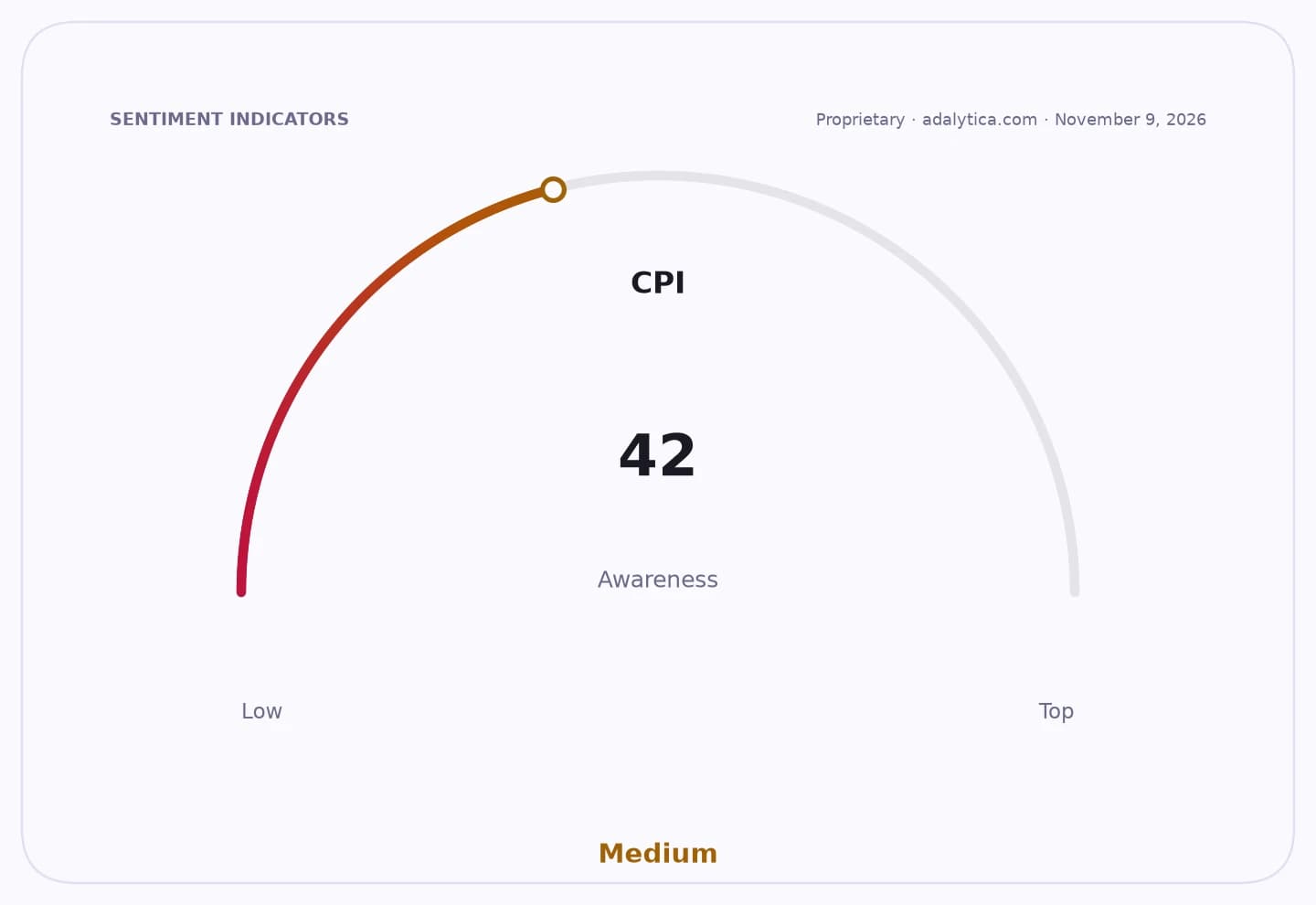
Sentiment Indicators
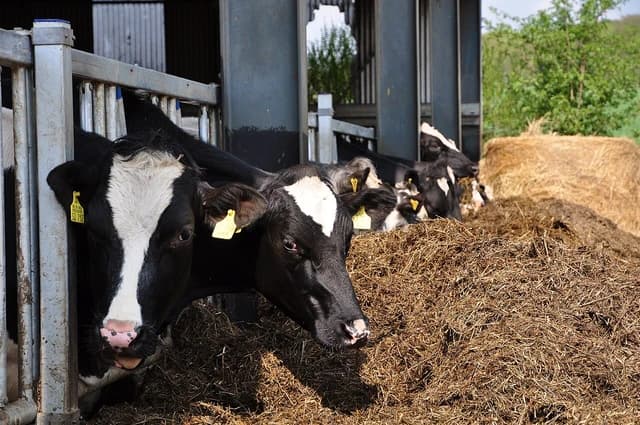
For investors and agribusiness operators, the move points to a firmer pricing environment in the dairy sector, where supply can be sensitive to drought, feed inflation and seasonal output swings. It also suggests processors may be passing through higher input costs rather than absorbing them, which can pressure consumer prices if the pattern spreads beyond one plant.
The broader backdrop remains supportive for hard-pressed producers. Conventional price indicators in the context show U.S. consumer and producer prices still elevated relative to earlier years, underscoring how food and farm inputs have remained sticky even as some monthly readings ease. Adalytica’s CPI sentiment snapshot is neutral, but the move in milk pricing fits a wider theme of producers trying to protect margins in an inflation-prone environment.
In the near term, the key question is whether other dairies follow Kabianga’s lead and whether the higher farmgate price filters through to retail prices, which would affect consumer demand and margins across Kenya’s dairy market.
| Entity | Gains | Losses |
|---|---|---|
| Dairy farmers | ▲Higher farmgate income | ▼— |
| Kabianga milk plant | ▲Better supply retention | ▼Higher procurement costs |
| Consumers | ▲— | ▼Higher retail milk prices |
| Dairy processors | ▲Stronger milk intake | ▼Margin pressure |