A Rs 600 jump in the price of a bag of fodder is intensifying pressure on cattle breeders already squeezed by drought, threatening livestock economics in some of the country’s most vulnerable rural areas.
Kutch fodder banks ease drought feed pressure
Food & Groceries
The increase matters because fodder is not a discretionary input: it is the daily cost base for dairy and cattle operations, and when feed prices rise sharply, margins narrow almost immediately. For small breeders and village households that depend on livestock income, higher feed costs can quickly translate into lower milk yields, forced sales of animals or deferred spending elsewhere in the rural economy.
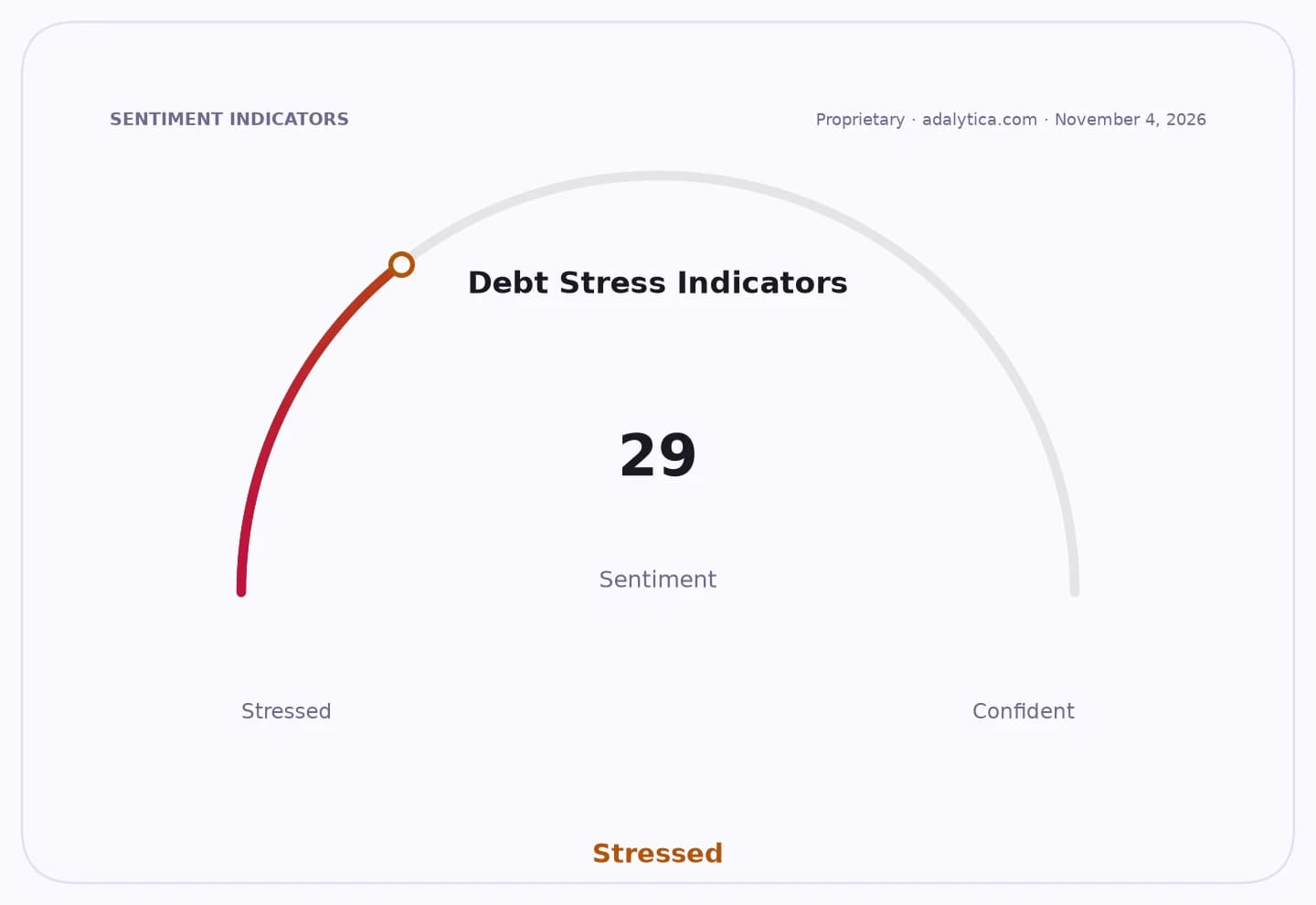
Sentiment Indicators
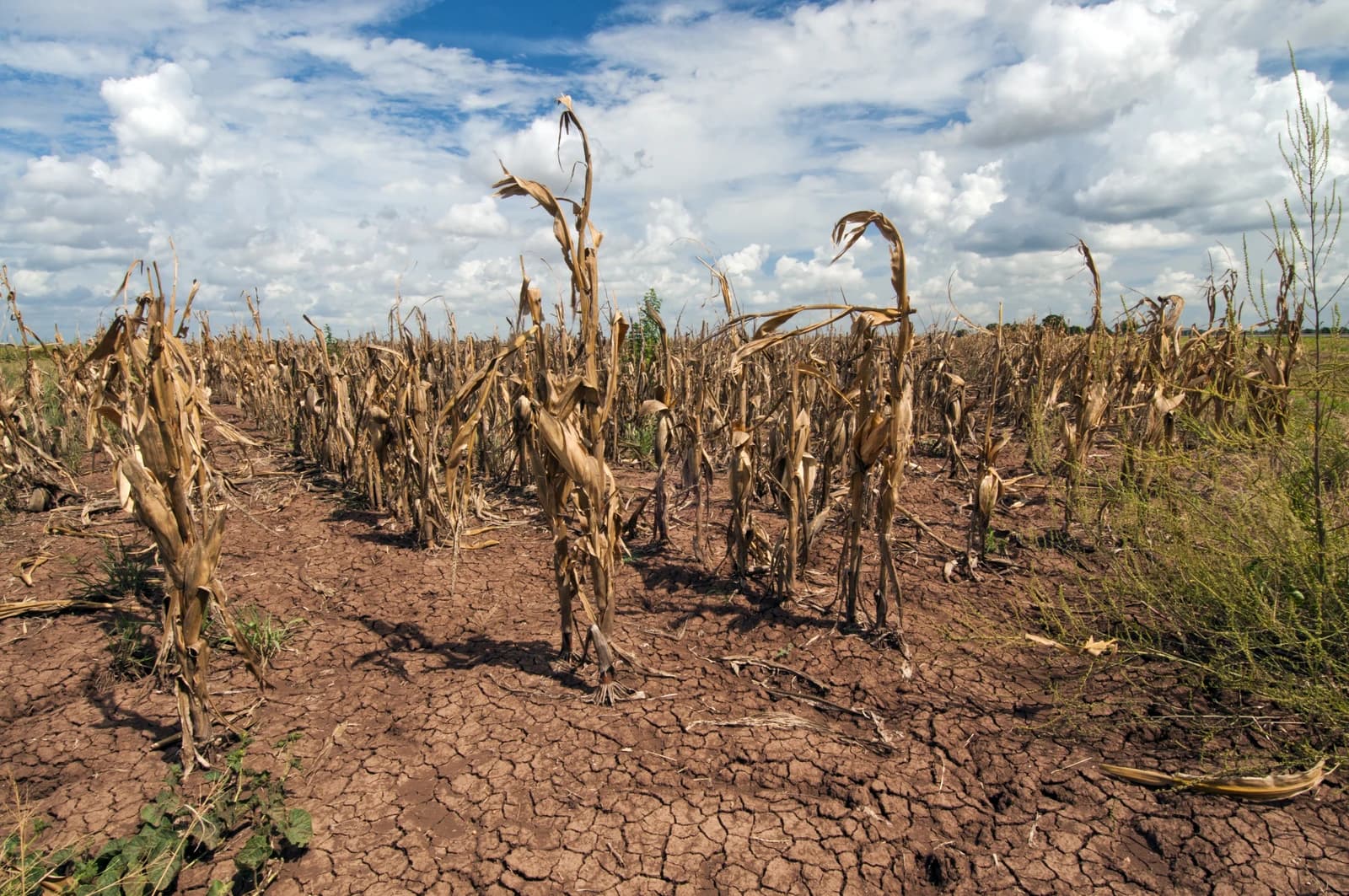
The strain is especially acute where drought has already weakened harvests and reduced access to green fodder. In several affected districts, farmers are reporting that crop failures have left them unable to feed animals adequately, while local fodder shortages are pushing up prices across the supply chain. That combination creates a classic rural inflation shock: production costs rise at the same time that farm incomes soften.
Against that backdrop, Kutch is emerging as an important counterexample. A community-led initiative backed by the Reliance Foundation and the Kutch Fodder Fruit and Forest Development Trust has helped the area harvest 10,000 kg of green fodder from shared plots, easing immediate pressure on livestock keepers. The model shows that local fodder banks can reduce dependence on volatile market purchases and improve resilience during drought.
For investors, the key implication is that feed inflation can ripple beyond farms into dairy, processed foods and rural consumption. Companies with exposure to livestock inputs and agricultural supply chains can face margin pressure if higher fodder costs persist, while organized players with scale, storage and procurement advantages may be better positioned to absorb or pass through cost increases. The broader risk is that prolonged feed inflation could erode rural purchasing power and curb output in dairy-dependent regions.
The outlook now hinges on whether fodder banks and other community supply mechanisms can be scaled before the drought-driven shortage worsens. If they do not, cattle breeders are likely to face a longer period of cost pressure, with the burden eventually showing up in rural incomes, milk supply and livestock valuations.
| Entity | Gains | Losses |
|---|---|---|
| Kutch fodder banks | ▲Better feed security | ▼ |
| Small cattle breeders | ▲Temporary relief | ▼Higher input costs |
| Dairy and livestock supply chain | ▲More resilient sourcing | ▼Margin pressure |
| Drought-hit rural households | ▲Reduced scarcity risk | ▼Income strain from fodder inflation |