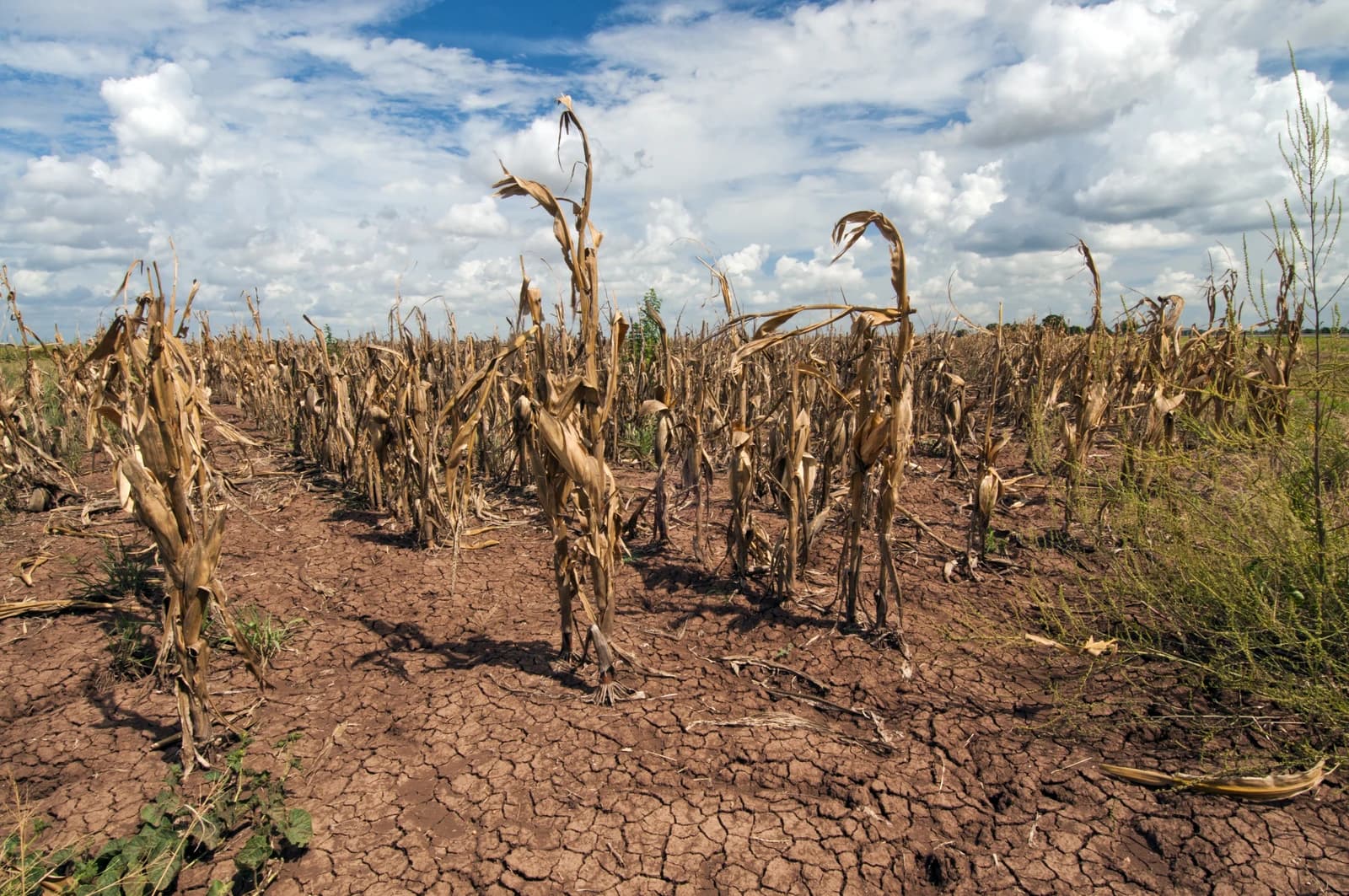
Hungary’s agriculture sector is closing out one of its most damaging years in recent memory, with drought-driven corn losses, weak producer prices and higher logistics costs squeezing farmers, processors and lenders at the same time.
Hungary agriculture faces drought losses and weak prices
That matters because the shock is no longer confined to the field. It is moving through the entire food value chain, slowing investment, tightening liquidity and threatening margins in an industry that feeds into everything from livestock operations to food manufacturing. When crop output collapses but prices stay too low to offset the loss, the pain spreads fast.
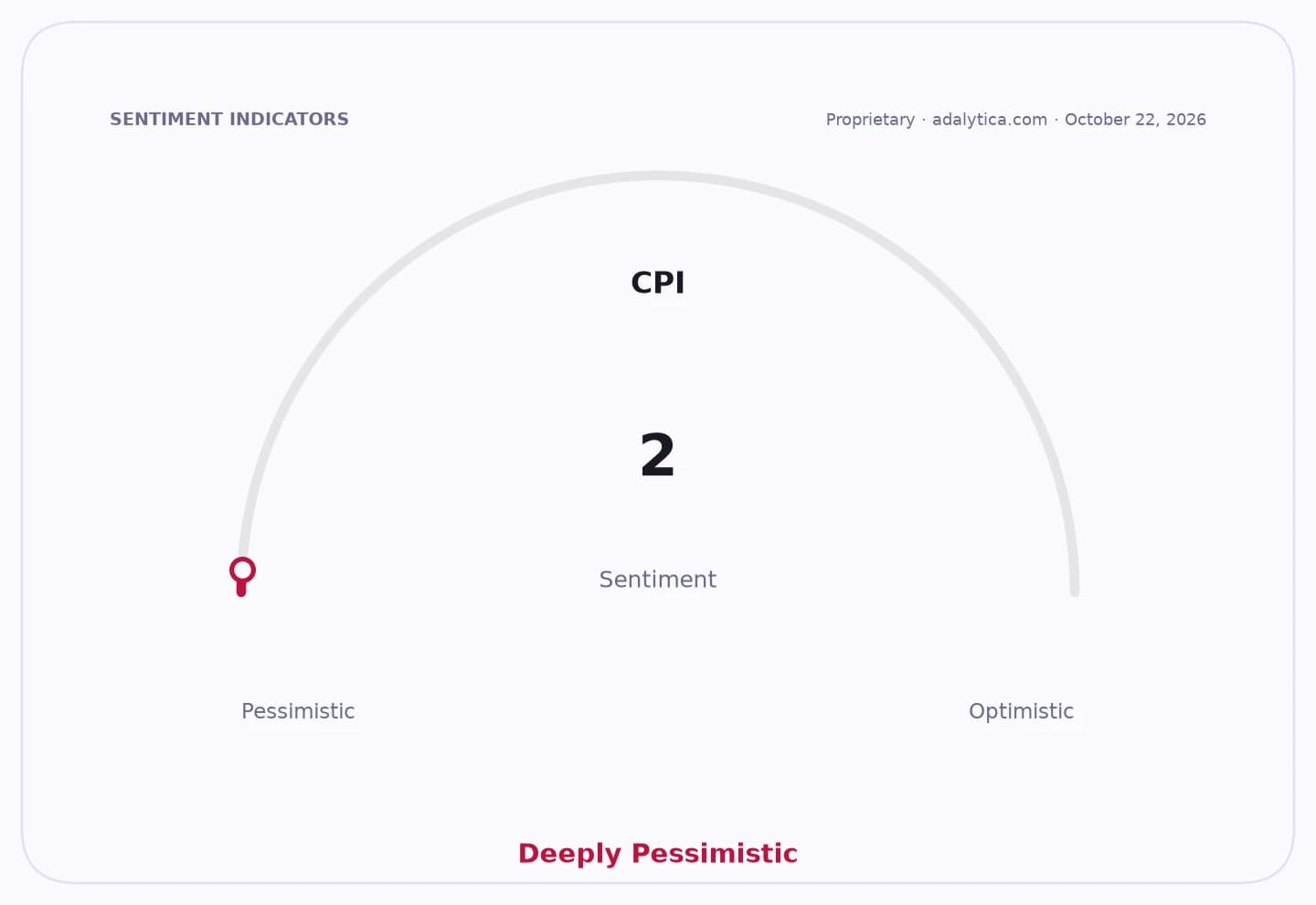
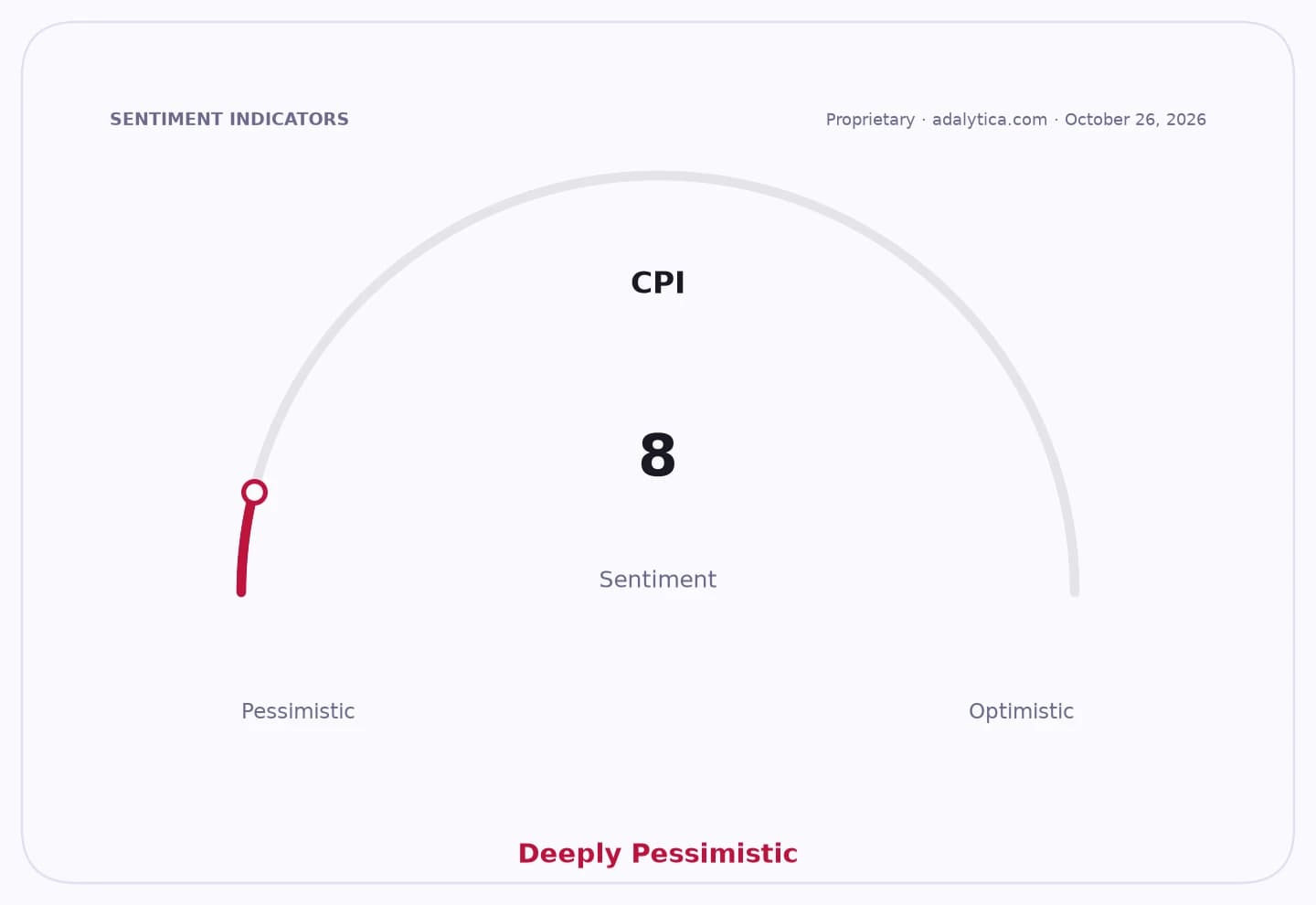
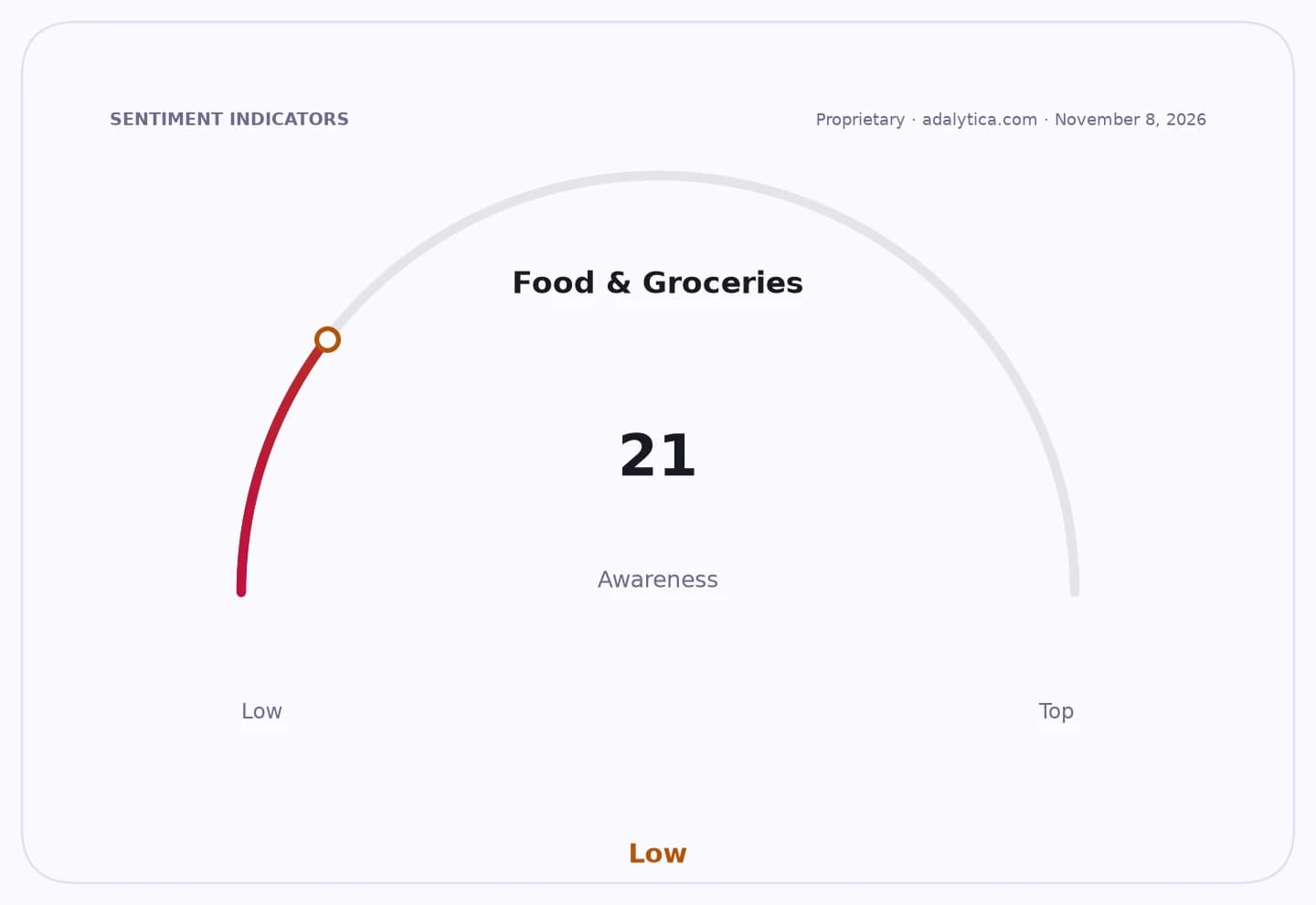
Sentiment Indicators
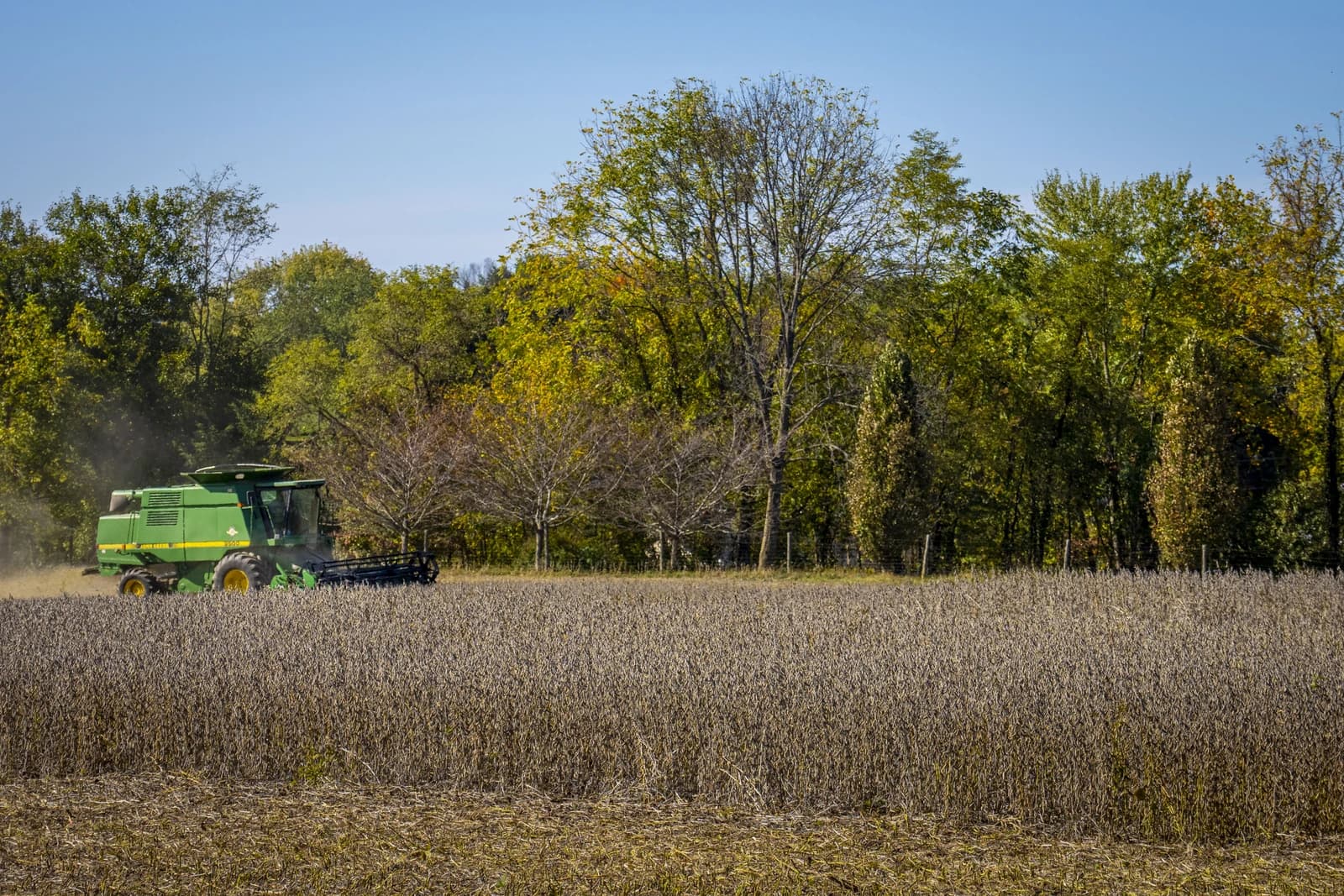
In Hungary, K&H Bank’s agribusiness team said the country’s corn harvest is historically poor, even worse than the weakest recent years, after an extreme rainfall deficit that experts say has surpassed the 2022 disaster. Even though market prices are relatively elevated, they are not enough to make up for the crop shortfall, especially as transport costs rise and erode profits further.
The pressure is not limited to arable farming. Dairy producers are still selling below cost, while the outlook for pig farmers remains grim, with little chance of a meaningful recovery this calendar year. A turnaround may not begin until late this year, and stronger price gains are not expected until early 2027, underscoring how long this squeeze could persist.
For investors, the key takeaway is that agricultural distress is not only a weather story — it is a balance-sheet story. Credit volumes are stagnating, cash buffers are shrinking and farmers are waiting rather than deploying capital. That raises risks for rural lenders, input suppliers and food processors, while creating potential winners in firms tied to irrigation, farm efficiency, seed selection and climate adaptation.
The broader narrative is clear: climate volatility is turning Central European farming into a lower-return, higher-risk business. Farmers are being pushed to rethink crop choices and match varieties far more precisely to local soil and land conditions, a shift that should reward companies selling productivity, water-management and resilience solutions over the next several seasons. If state support and subsidized loans fail to revive investment in the fourth quarter, the sector could enter 2027 still rebuilding rather than recovering.
| Entity | Gains | Losses |
|---|---|---|
| Irrigation and farm-tech suppliers | ▲Higher demand | ▼Traditional dryland growers |
| Seed and genetics providers | ▲Climate adaptation spend | ▼Corn producers |
| Rural banks with strong underwriting | ▲Defensive lending niche | ▼Borrowers under liquidity stress |
| Food processors and livestock farms | ▲Cheaper inputs if supply normalizes | ▼Margins from low-cost pressure |