Romania’s milk producers are pressing the agriculture ministry for help after farmgate prices have remained unchanged since 2020 even as costs, inflation and investment needs have climbed, squeezing margins across the dairy chain and raising the risk of more supply cuts.
Romania milk producers seek help over frozen prices
The appeal goes to the heart of a broader food-price problem: when producer prices stay stuck while input costs rise, farmers can no longer justify the capital spending needed to maintain herds, upgrade barns and keep milk flowing to processors. That matters for consumers as much as for producers, because a prolonged squeeze can eventually tighten domestic supply, increase reliance on imports and leave supermarkets exposed to higher and more volatile prices later on.
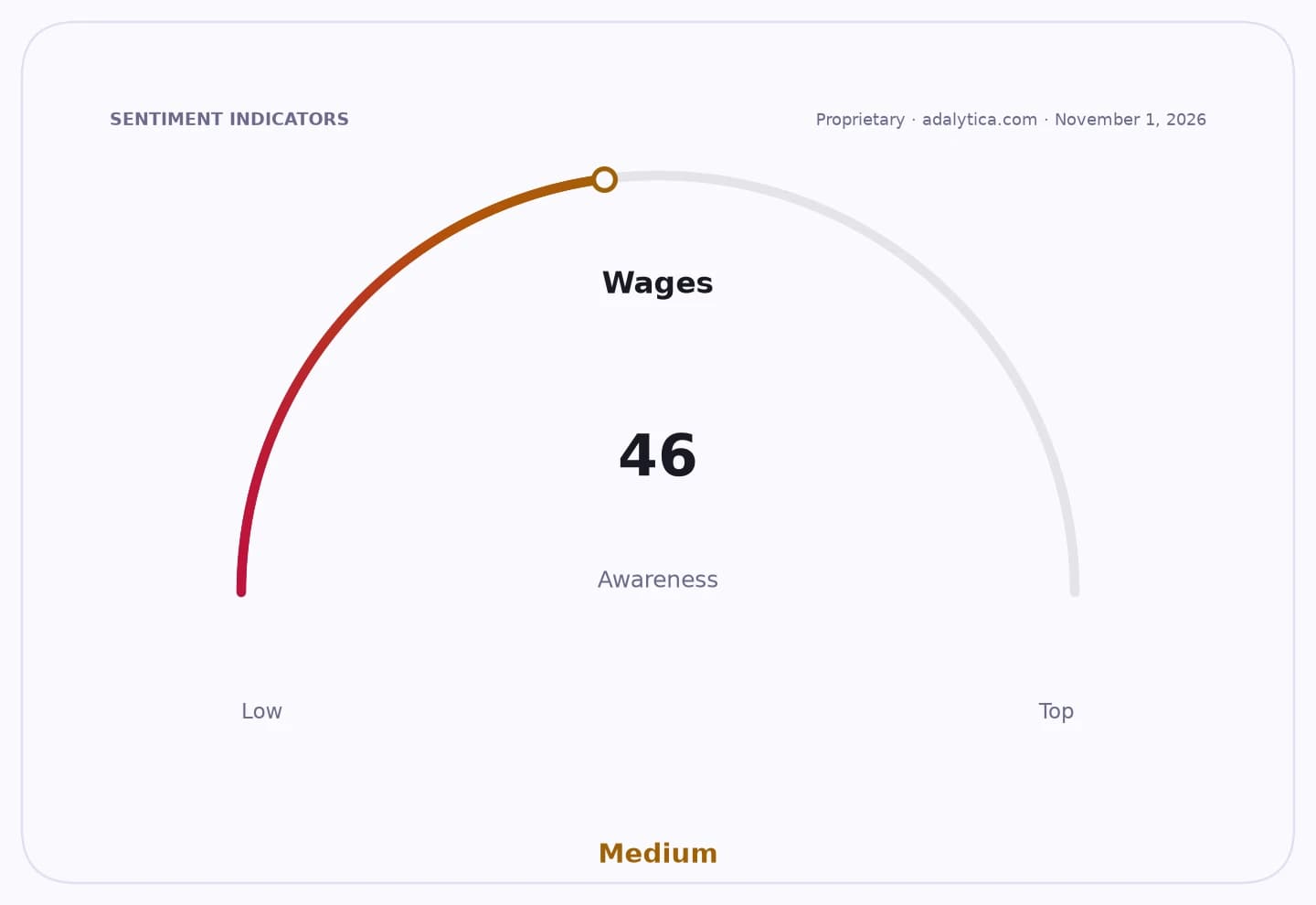
Sentiment Indicators
The timing is awkward for policymakers. Inflation in the region has eased from the peaks seen after the 2022 commodity shock, but agricultural producers are still dealing with elevated operating costs, from feed and energy to labor and financing. With the consumer price index still around 336.3 in September and producer prices near 295.7, cost pressures have not disappeared even if they have moderated. For dairy farmers, an unchanged milk price since 2020 means the adjustment burden has fallen almost entirely on margins.
That makes subsidies and state support central to the debate. Farmers say they have already invested millions of lei in farms, but without a higher milk price or unpaid subsidies being settled, those investments risk becoming stranded capital rather than productive capacity. For processors and retailers, the short-term benefit is stable input costs. But if farmers cut production or exit the market, the eventual effect would be higher sourcing costs and weaker supply security.
The issue also has a market dimension. Dairy is a politically sensitive segment because it links household food bills with rural incomes. Any MAIA intervention — whether through direct payments, delayed subsidy disbursements or a pricing mechanism — would likely be read by investors and agribusinesses as a signal that Romania wants to protect domestic milk supply, even if that means more fiscal strain. A failure to act could accelerate consolidation, favor larger operators with better balance sheets and hurt smaller farms most.
Investors in agriculture and food processing will be watching for whether the government chooses a one-off relief measure or a structural fix. The first would buy time; the second could reshape incentives across the sector. Either way, the longer milk prices remain frozen, the more likely it is that Romania’s dairy industry will shift from a margin problem into a supply problem.
| Entity | Gains | Losses |
|---|---|---|
| Dairy farmers | ▲Relief from margin squeeze | ▼Frozen farmgate prices |
| MAIA / government | ▲Can stabilize rural sector | ▼Higher fiscal pressure |
| Processors / retailers | ▲Stable input costs short term | ▼Supply risk later |
| Consumers | ▲Near-term price stability | ▼Risk of tighter supply |