Ornua’s move to lift its indicative milk price by 2c/L for September is a reminder that dairy pricing is still one of the most important levers for farm income, processor margins and food inflation.
Ornua lifts September milk price by 2c/L
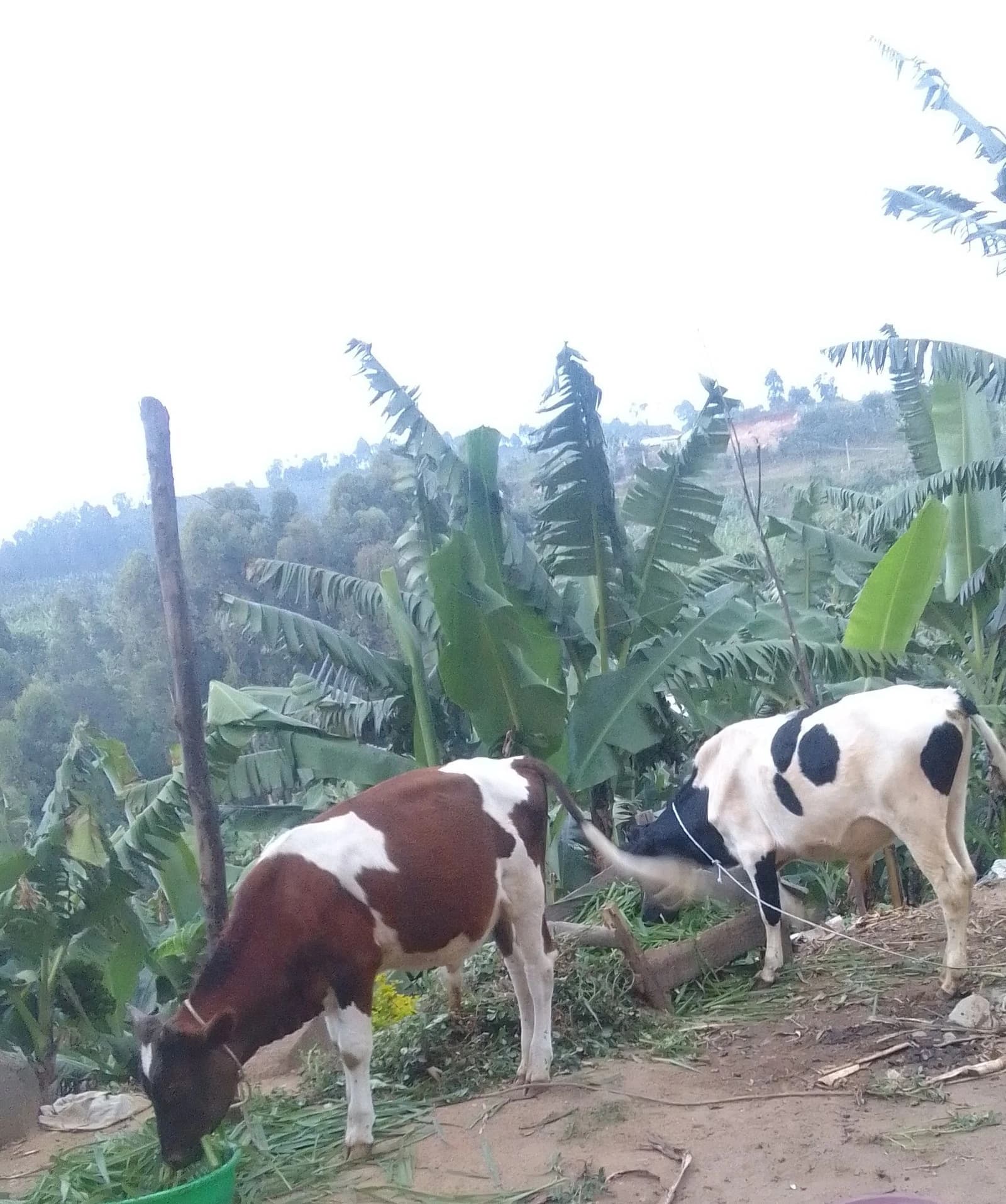
The Irish dairy co-op said its Purchase Price Index rose to 135.8 from 130.4 in August, implying a return of 38.2c/L including VAT for milk with 3.6% fat and 3.3% protein, up from 36.2c/L the previous month. That matters because milk prices feed directly into cash flow for farmers and into the economics of processors that are already juggling volatile energy and other variable costs.
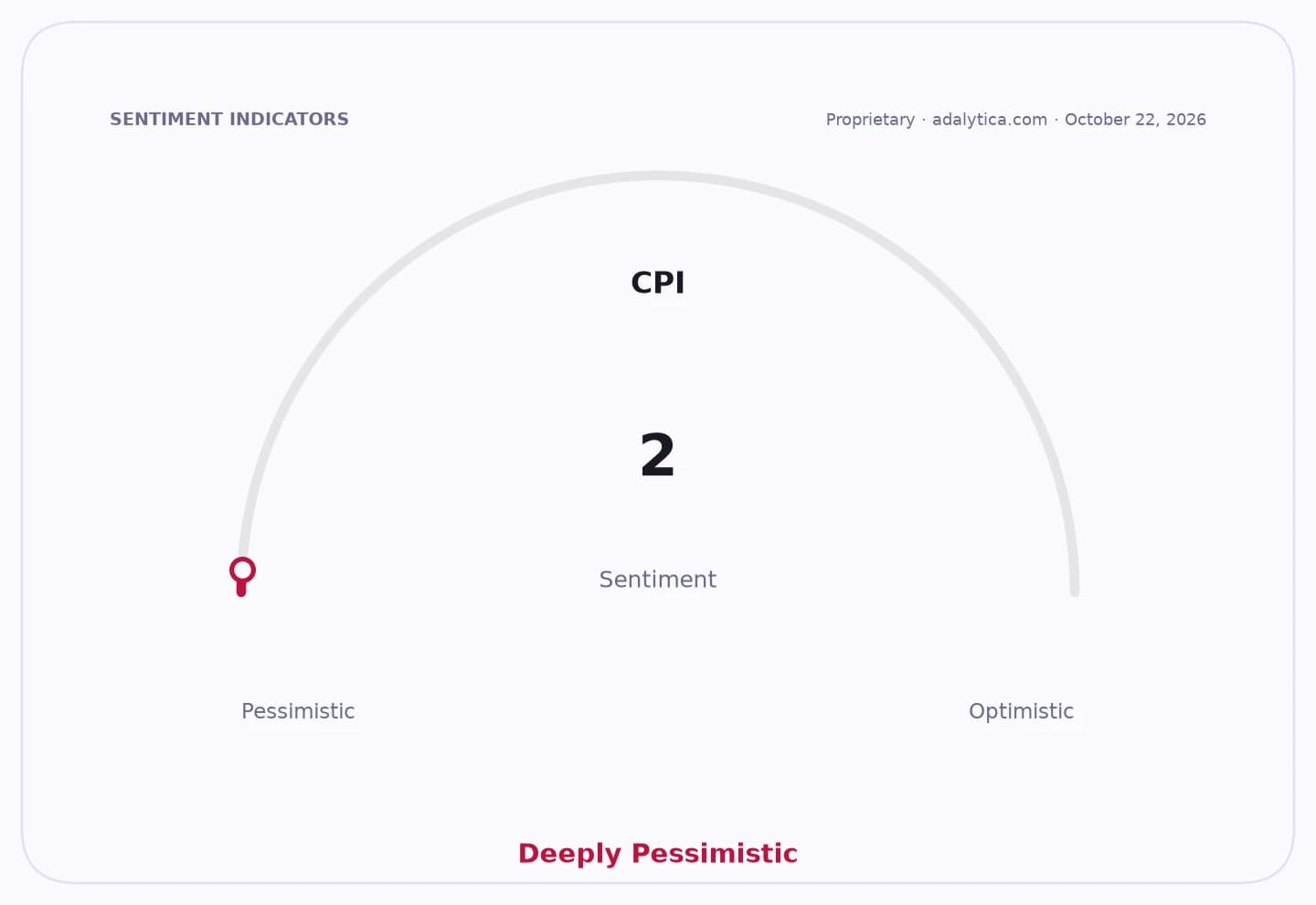
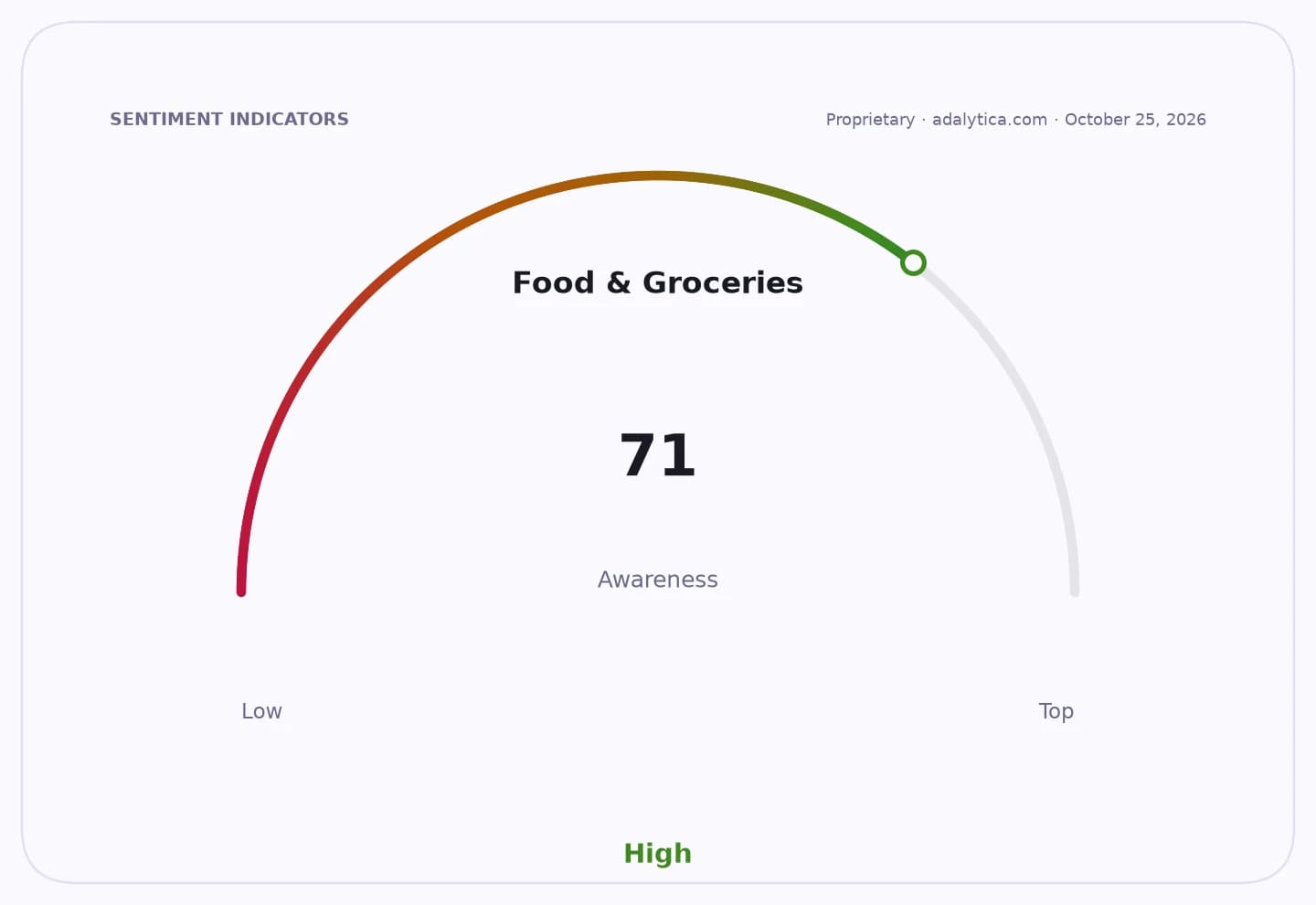
Sentiment IndicatorsⓘProprietary · adalytica.com · October 21, 2026
This is a snapshot — live sentiment, awareness and momentum for 130+ markets update continuously in the dashboard.Open AlphaPulse
Ornua said the latest reading reflects stronger market returns in September, helped by firmer dairy commodity prices. That lines up with the latest Global Dairy Trade auction, where the index rose 1.2% to 1,177 after a prior decline. Skim milk powder led gains, rising 4.3%, while whole milk powder climbed 1.2%. Butter was almost flat and cheddar slipped, a mixed backdrop that still points to healthier pricing for some core dairy products.
For investors, the key point is that dairy is not a single-price market. Ornua’s indicative return is calculated after estimated processing costs, which were held at 10c/L for September and are driven in part by external costs, especially energy. That means farmgate milk prices can improve even when processors face a harder cost environment, but the spread between commodity markets and input costs remains crucial for margins.
The seasonal caveat also matters. Ornua noted that its PPI does not line up perfectly with production and payments because milk flows and pricing schedules differ through the year. In other words, a better index reading is supportive, but it does not guarantee an immediate, uniform boost to every farmer’s payout.
Still, the direction is constructive for the dairy chain. Higher milk prices can support producer sentiment, ease pressure on farm finances and improve the outlook for companies exposed to dairy ingredients and branded food products. At the same time, they can eventually feed into retail pricing if commodity strength persists.
For long-term investors, the takeaway is simple: dairy remains a cyclical but resilient business, and price improvements like this one are worth watching for what they say about global demand, input costs and the earnings power of the sector’s better-positioned players.
| Entity | Gains | Losses |
|---|---|---|
| Dairy farmers | ▲Higher milk payout | ▼Lower-margin producers |
| Ornua processors | ▲Better commodity returns | ▼Cost-sensitive processors |
| Dairy commodity sellers | ▲Firmer pricing | ▼Buyers and food makers |
| Consumers | ▲Stable supply outlook | ▼Potentially higher food prices |