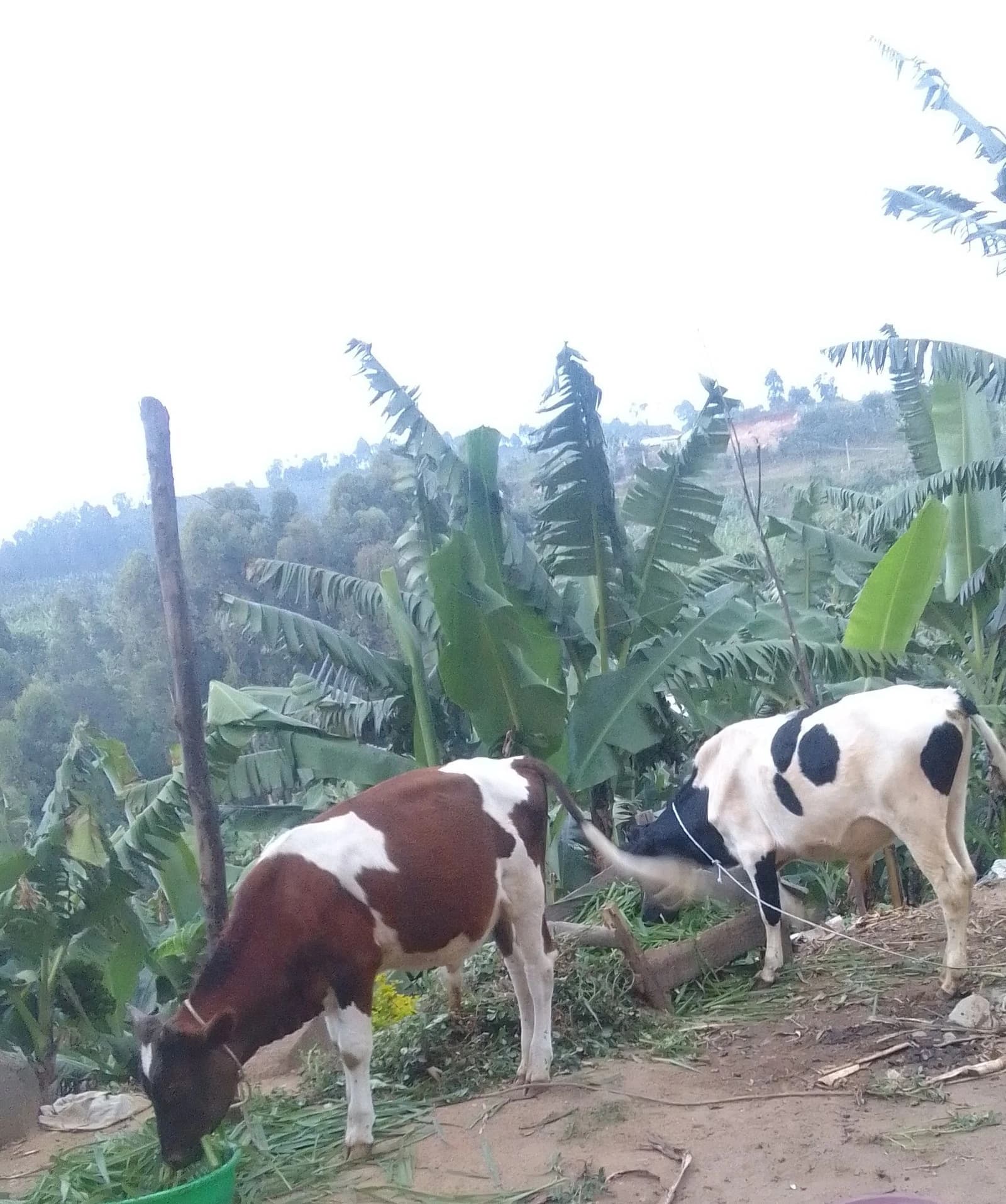
Tirlán, Carbery and Dairygold have all lifted September milk prices by 1 cent a litre, a sign that firmer dairy market returns are finally filtering back to Irish farmers after months of uneven trading and volatile commodity prices.
Irish co-ops lift September milk prices by 1 cent
The increases matter because milk pricing is the main cash flow line for dairy farms, and even small changes can have an outsized effect on farm income through the autumn and winter supply period. The co-ops are pointing to the same underlying force: a modest improvement in dairy returns, helped by solid demand and slower global milk supply growth.
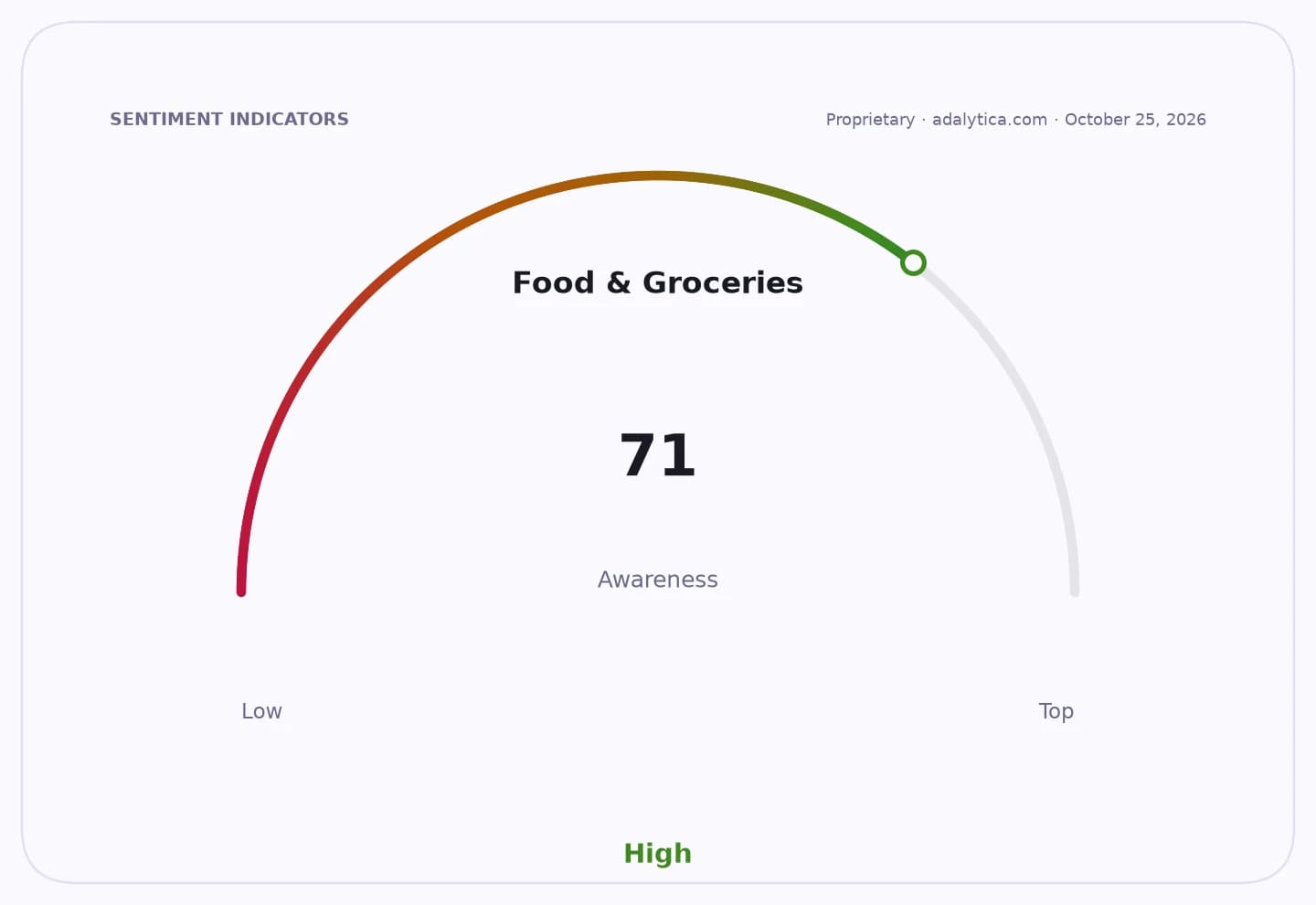
Sentiment IndicatorsⓘProprietary · adalytica.com · October 25, 2026
This is a snapshot — live sentiment, awareness and momentum for 130+ markets update continuously in the dashboard.Open AlphaPulse
Tirlán said its September price rises to 40.08 cent a litre including VAT and a 0.5 cent sustainability payment, and that it has committed to pay at least that level for the rest of the year. On delivered constituents, the actual average price paid for September creamery milk comes to 50.80 cent a litre. Chair Ger O’Brien said winter milk suppliers would also benefit from seasonal premiums on top of the floor price, and Tirlán has approved a new five-year framework for its liquid milk and autumn calving schemes from October 2026.
Carbery’s increase lifts the average September price to 42.36 cent a litre including VAT, the SCC bonus and its FutureProof sustainability bonus, assuming it is replicated across its four West Cork co-ops. The actual average price based on suppliers’ milk solids is expected to be 52.62 cent a litre. The co-op said the rise reflects “recent improvement in dairy market returns” even as global milk supplies remain strong and markets “mixed”, while maintaining a 1 cent contribution to its Milk Price Stability Fund.
Dairygold also raised its September price by 1 cent to 40 cent a litre, with an average farm gate return of 51.3 cent a litre based on suppliers’ milk solids. Chair Pat Clancy said dairy markets had improved in recent weeks on solid demand and a slowdown in global milk supply growth, though butter prices remain under pressure from higher stocks.
The pattern suggests the market is moving out of the soft patch seen earlier in the year, but not into a strong rally. That matters for investors in dairy processors and branded food groups because firmer farmgate prices can improve supplier confidence and milk volumes, but they also keep pressure on margins if product prices do not rise at the same pace. For buyers of dairy commodities, the fact that butter remains under pressure even as protein is better supported points to a split market rather than a broad-based recovery.
Lakeland Dairies also increased September milk prices, lifting the base price to 39.7 cent a litre in the Republic and 31.9 pence per litre in Northern Ireland. The co-op said global milk flows are still ahead of last year, but the pace of growth is slowing, and flagged oil, energy, consumer sentiment, interest rates and inflation as the key variables for demand over the short to medium term.
That leaves the sector at a delicate balance point: farmers are getting some relief after a period of weakness, but the recovery is still fragile and heavily dependent on whether better demand can outlast the usual autumn and winter seasonal pressures. For Irish dairy processors, the next test will be whether stronger commodity returns can sustain these higher milk prices without squeezing downstream margins.
| Entity | Gains | Losses |
|---|---|---|
| Irish dairy farmers | ▲Higher September milk income | ▼None |
| Tirlán, Carbery, Dairygold, Lakeland Dairies | ▲Supplier support, steadier milk flows | ▼Margin pressure if commodity prices lag |
| Dairy commodity buyers | ▲Better supply stability | ▼Higher input costs |
| Butter-heavy processors | ▲Some relief from broader market recovery | ▼Weaker butter pricing |