Rising prices are doing more than lifting the grocery bill: they are cutting into household savings and threatening discretionary spending just as consumers expect inflation to accelerate to 10% over the next year, according to the Reserve Bank of India’s latest expectations survey.
India Inflation Hits Household Savings and Spending

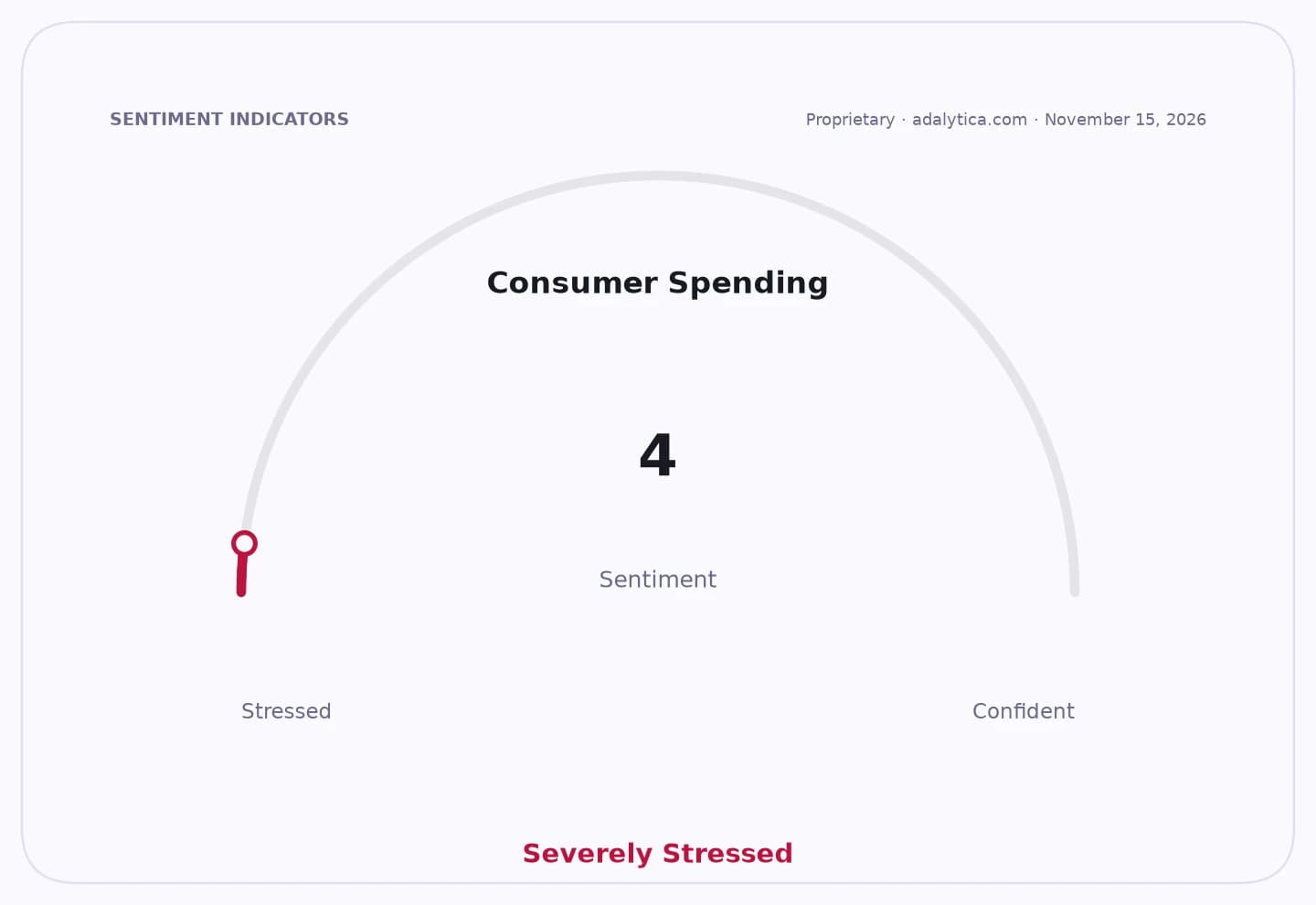
That matters because inflation is no longer a theoretical macro number for many families. It is showing up in the items that cannot easily be postponed — food, fuel, transport and rent — and the squeeze is broadening from the kitchen to the rest of the economy. When households feel poorer, they spend less on non-essentials, which can slow consumption, weaken business volumes and eventually cool growth.
Sentiment Indicators
CPI
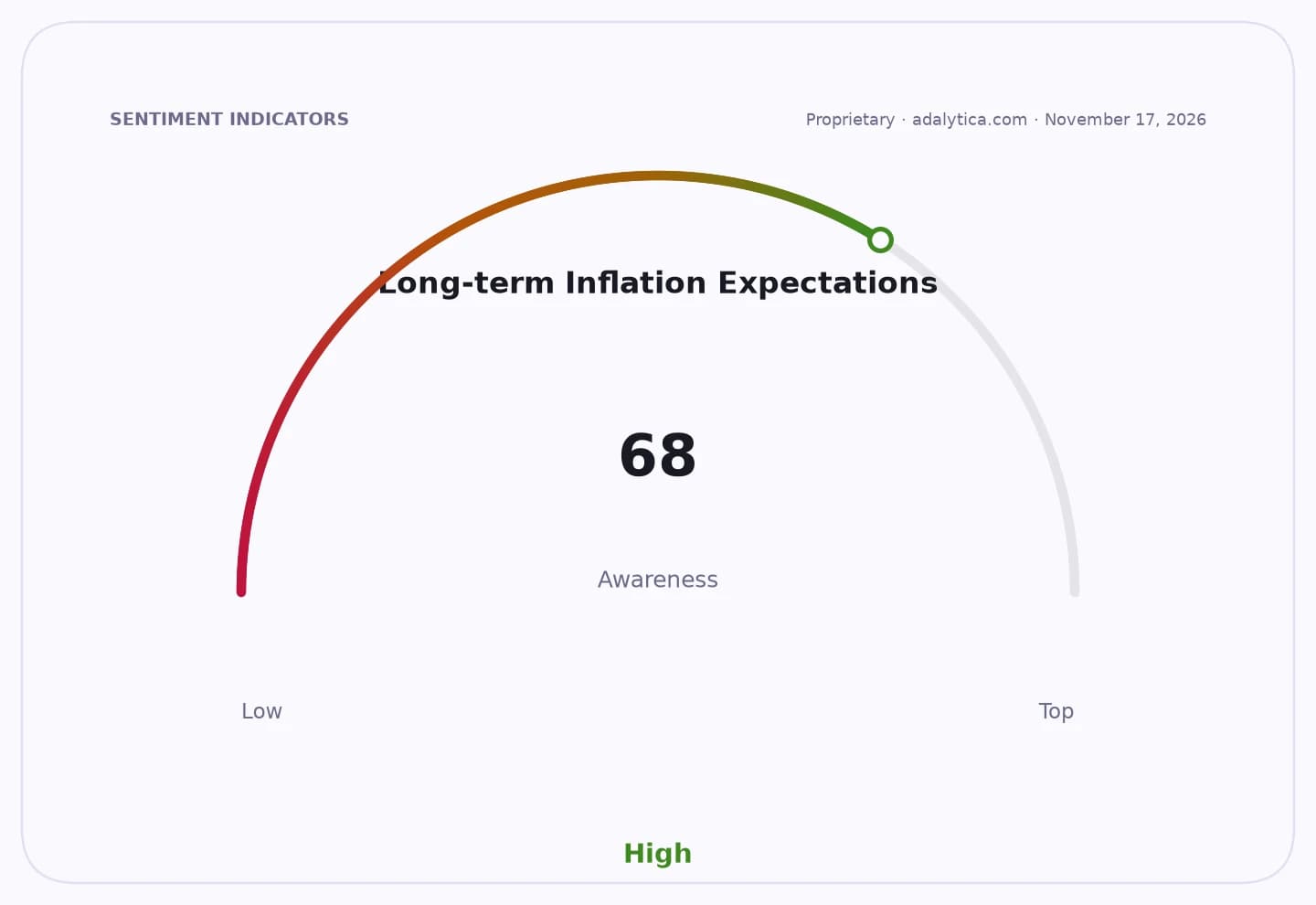
The RBI survey, published in September 2026, found that households now see inflation at 10% over the next 12 months, up from 9.4% in July. That gauge has moved higher even as official retail inflation has eased from the peaks seen earlier in the year, underscoring how price pressure persists in consumer psychology. In October, India’s retail inflation was 6.09%, above the central bank’s upper tolerance band of 6%, while food inflation ran at 8.94%.
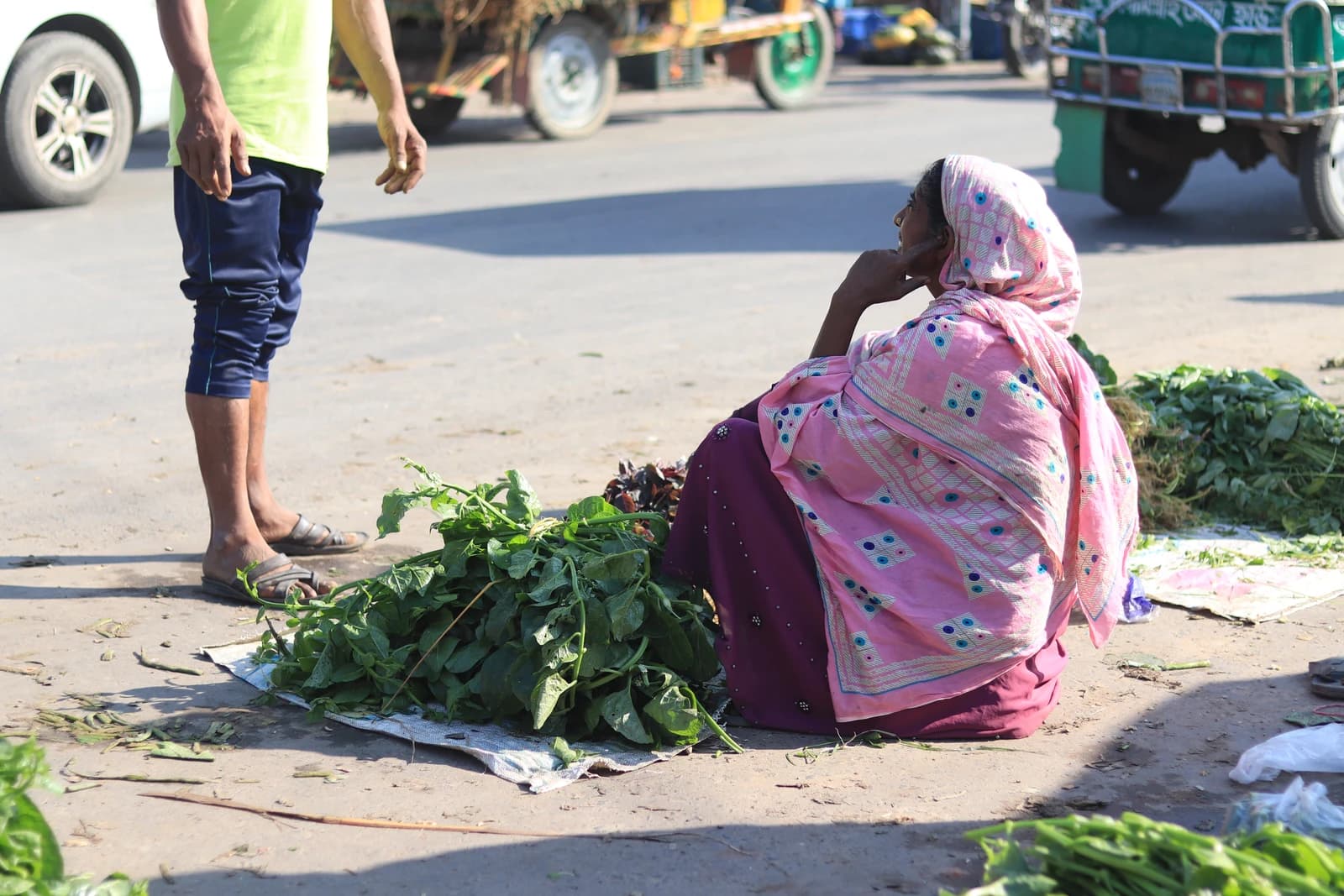
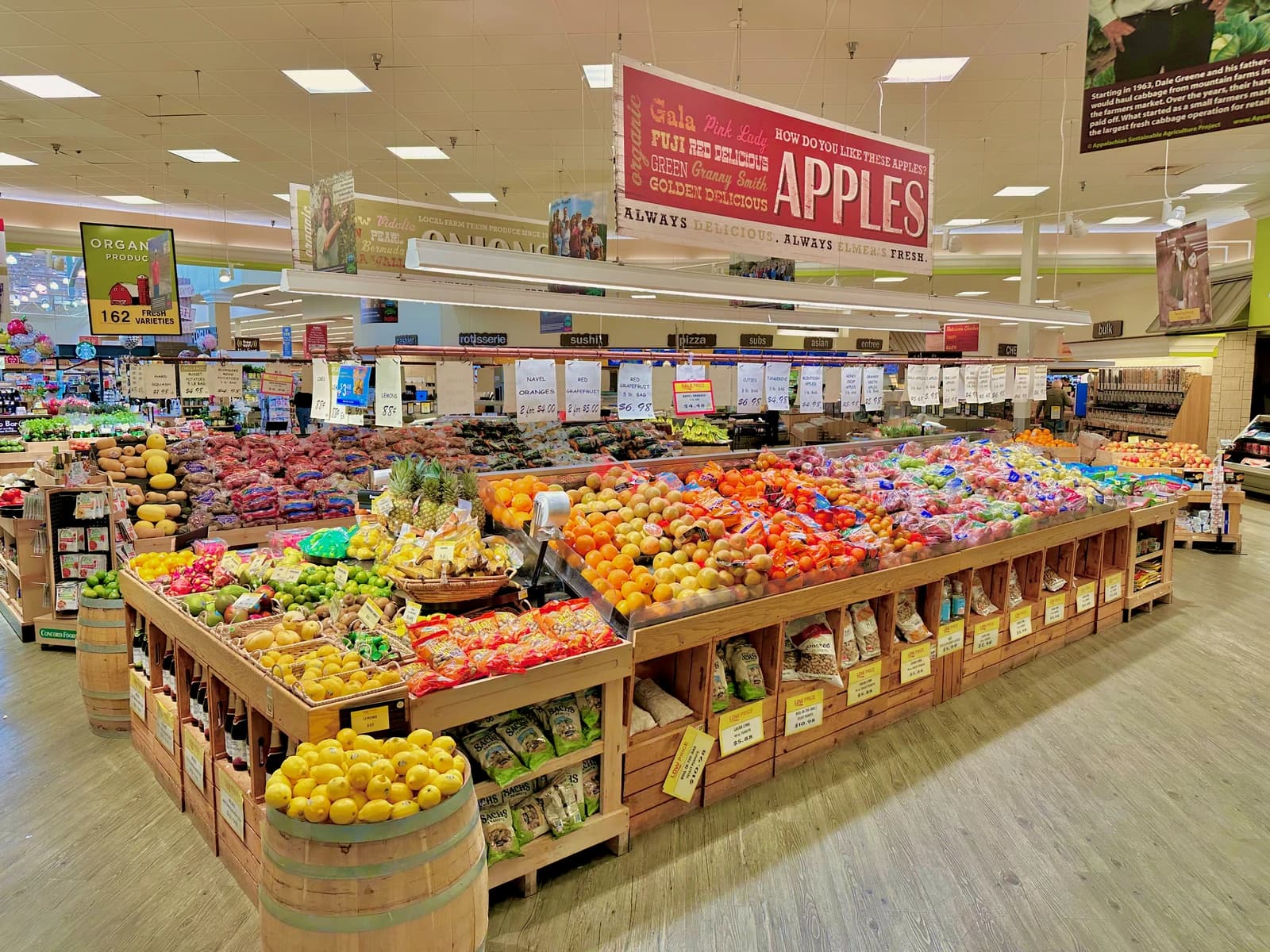
The composition of price gains helps explain why sentiment is so weak. Food accounts for 34.78% of the CPI basket, and the costs of kitchen staples have risen sharply. Onion prices jumped 116.22% from a year earlier, garlic was up 60.74%, while ginger and lemons rose 48.32% and 47.30%, respectively. Home-cooked meals are becoming more expensive as well, with veg thalis up 12% and non-veg thalis 9%. Even a small change in the bill matters when these are recurring, unavoidable purchases.
Long-term Inflation Expectations
The pressure is not confined to food. Eating out and accommodation costs rose 10.06%, personal care and miscellaneous goods and services climbed 10.14%, and transport costs increased 5.84%. That spread suggests inflation is seeping into a wider set of household expenses rather than remaining isolated in volatile food items.
For the economy, the danger is cumulative erosion of purchasing power. A family earning Rs 60,000 a month and spending Rs 50,000 would see savings fall to Rs 7,000 if expenses rose 6% to Rs 53,000 — a 30% hit to monthly savings even though prices increased by only 6%. That dynamic explains why households may still feel poorer even if the pace of inflation later cools.
Rural India is bearing a heavier burden than cities. Rural inflation rose to 6.63% in October versus 5.41% in urban areas, while rural food inflation was 9.09%, compared with 8.68% in cities. State-level figures also show sharp divergence, with Tamil Nadu, Telangana, Andhra Pradesh, Madhya Pradesh and Odisha all above 7%, while Delhi stood at 3.80%. The unevenness matters for policy and for companies selling consumer goods, since pricing power and volume resilience will vary sharply by region.
Wages are offering only partial relief. Aon’s salary survey expects average hikes of 9.1% in 2026, up slightly from 8.9% in 2025, but that cushion is not universal and often arrives late. Grant Thornton Bharat found 62% of respondents believe income growth will not keep pace with future inflation, rising to 70% among those aged 25 to 34. In practice, many households are trimming discretionary spending to protect essentials, which is exactly the mix that can hurt retailers, restaurants and consumer-facing companies.
| Entity | Gains | Losses |
|---|---|---|
| Essential goods retailers | ▲Stable demand for basics | ▼Slower discretionary volumes |
| Consumer staples companies | ▲Pricing power on staples | ▼Margin pressure from input costs |
| Households | ▲None | ▼Lower savings and weaker purchasing power |
| Discretionary retailers/restaurants | ▲None | ▼Delayed purchases and trading down |