Diwali’s end is bringing a familiar headache for households: another round of price increases across smartphones, televisions and everyday packaged goods, a move that could squeeze festive-season demand and keep inflation pressure alive in the months ahead.
India consumer brands raise prices after Diwali
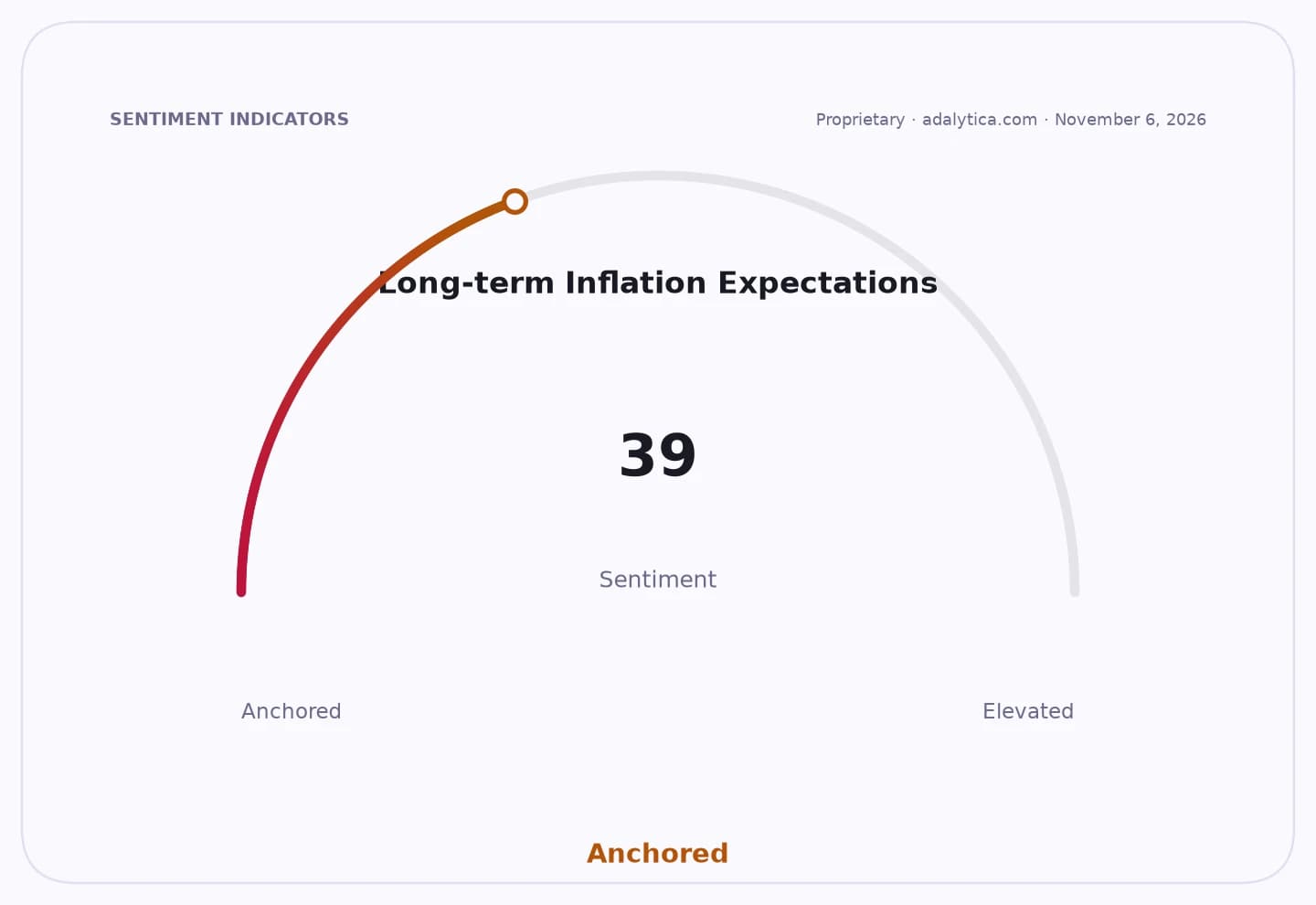
Long-term Inflation Expectations
The immediate economic significance is simple. Consumer companies are no longer absorbing higher input costs. They are passing them on to shoppers through higher sticker prices and, in some cases, smaller pack sizes. That matters because it hits both the core and the discretionary parts of household spending at once — from biscuits, salt and sauces to refrigerators, phones and TVs.
Sentiment Indicators
Industry executives say the timing was deliberate. Companies held back on price increases through the festive rush, but now that the season has passed, they are moving to protect margins. Britannia has already raised prices by 3.5% in the previous quarter and cut quantities in fixed-price packs, according to its chief executive, while electronics makers including Samsung, Xiaomi and Godrej have started lifting rates after keeping them steady for Diwali.
The scale of the increases is what makes this story important for investors. Industry officials expect all electronic brands to raise prices in the next 7 to 10 days, leaving smartphone prices more than 40% higher this year, televisions up more than 20% and home appliances 15% to 20% more expensive. In daily-use FMCG categories, costs are also rising as refined palm oil, sugar, milk and packaging materials have climbed as much as 7% in recent quarters.
That combination is a margin story for companies and a demand story for the market. A 20,000-rupee 5G smartphone is becoming harder to find, retailers say, and mobile phone volumes have already fallen 40% after Diwali from a year earlier. Sales during the festival itself were down 20% year on year, showing that consumers are already pushing back when prices rise too quickly.
For listed consumer companies, the trade-off is clear. Higher prices can help protect earnings, especially after several quarters of commodity-driven margin pressure, but they also risk slowing unit growth just as companies are trying to turn festive demand into a stronger second half. That tension is exactly what long-term investors should watch: businesses with pricing power can defend profits, but if the consumer buckles, volume growth can stall.
The broader narrative is that inflation is not only a macro number; it is working its way through the shopping cart. When firms raise prices across both essentials and big-ticket appliances, the impact spreads from household budgets to retailer traffic and ultimately to earnings expectations. Over the next few quarters, investors should watch which companies can preserve margins without losing customers — and which are forced to rely on smaller packs and repeated price hikes to keep revenue growing.
| Entity | Gains | Losses |
|---|---|---|
| Consumer goods makers | ▲Protect margins | ▼Risk volume slowdown |
| Budget-conscious households | ▲None | ▼Higher monthly spending |
| Smartphone and TV retailers | ▲None | ▼Weaker post-festive sales |
| Pricing-power brands | ▲Better earnings mix | ▼Consumer backlash risk |