India’s consumer companies are being forced to cushion rising costs rather than fully pass them on, as inflation continues to squeeze household spending and keeps policymakers on alert.
India Consumer Firms Face Cost Pressure
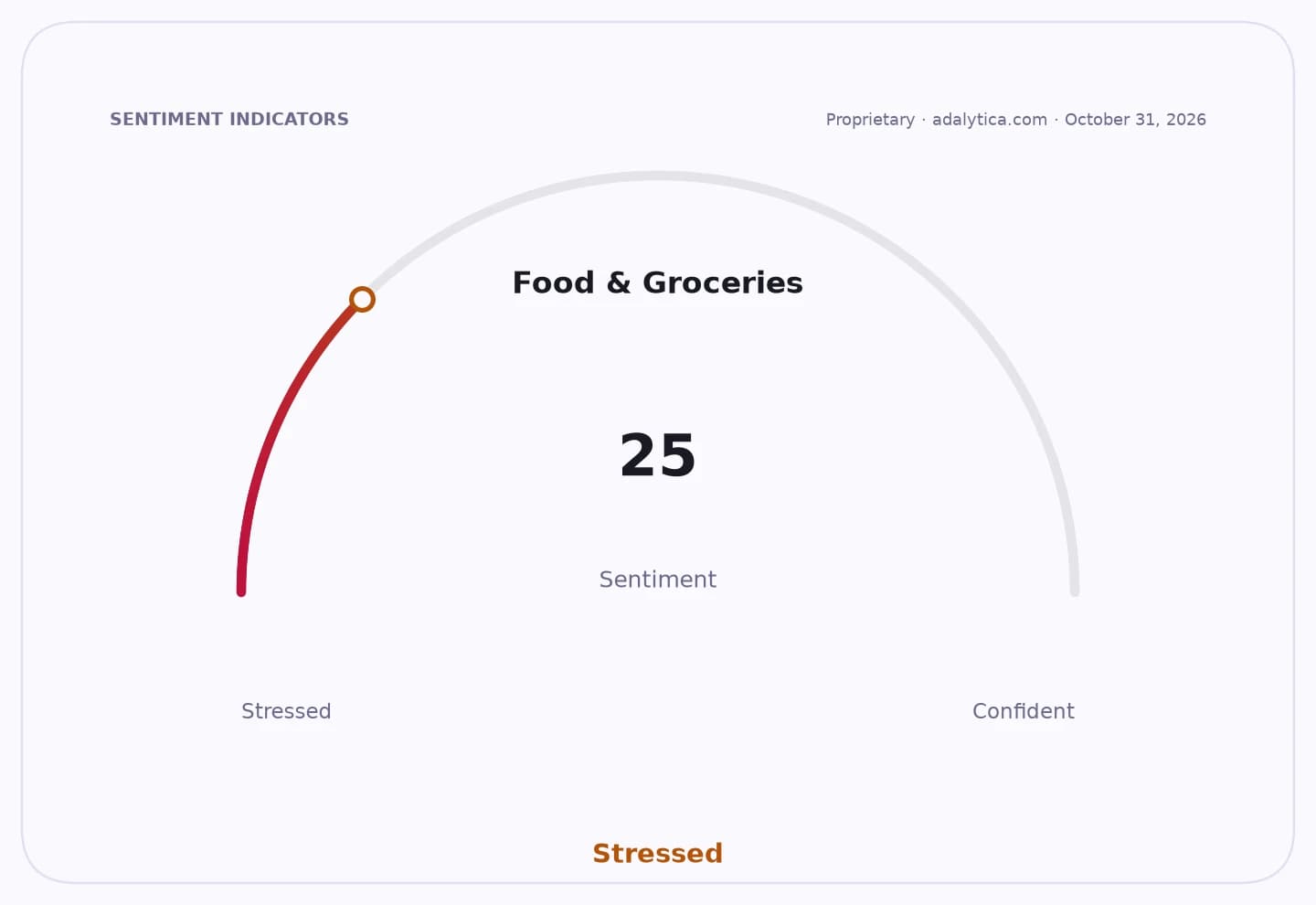
Consumer Spending
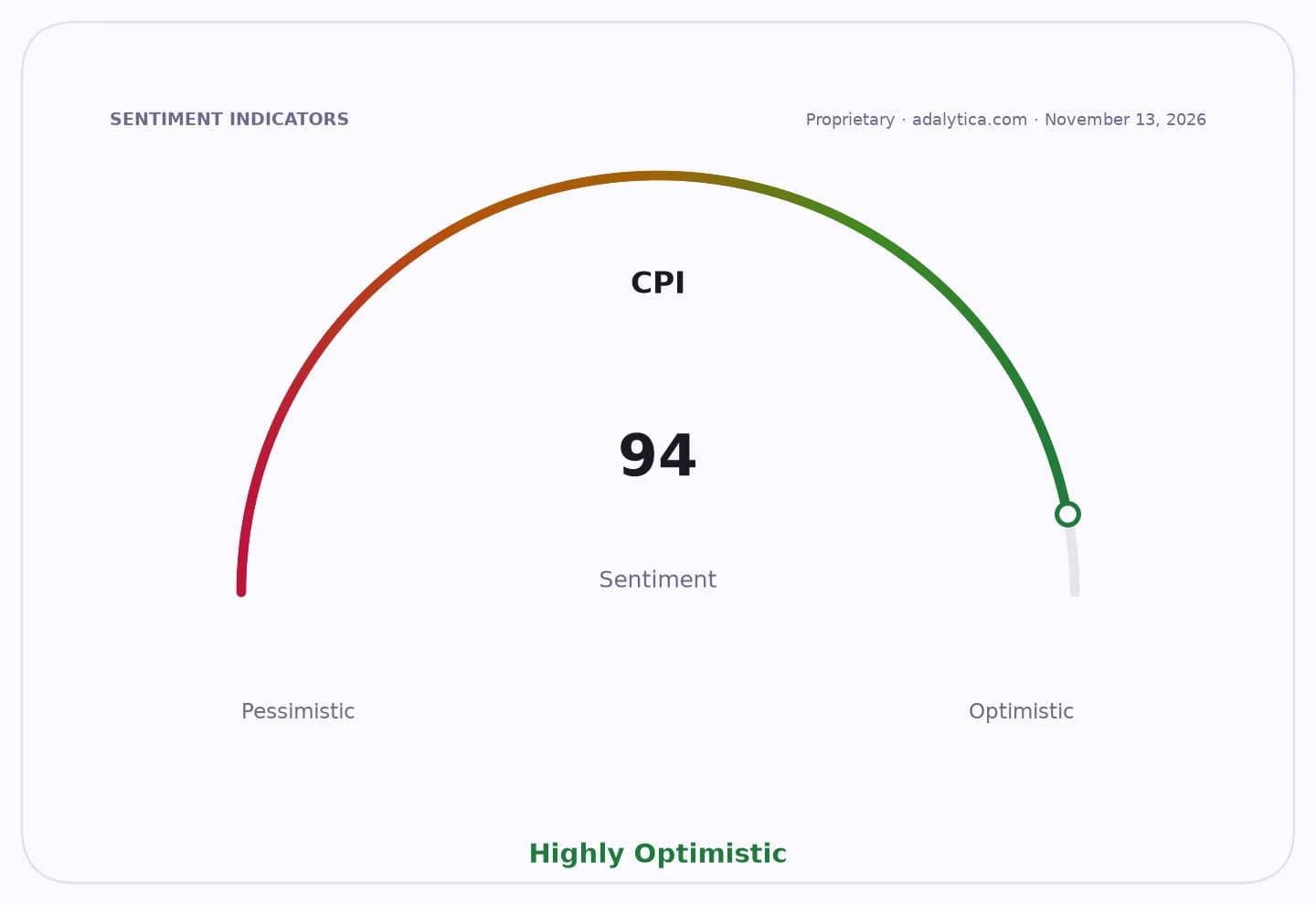
The broad problem is not just higher input prices, but weaker pricing power in a market where shoppers are increasingly sensitive to small changes in staples, packaged food and everyday services. India’s consumer price index rose 0.4% in October, above expectations, and stayed above the Reserve Bank of India’s tolerance band for a 12th straight month, reinforcing the view that inflation is still eroding real purchasing power even as the economy grows.
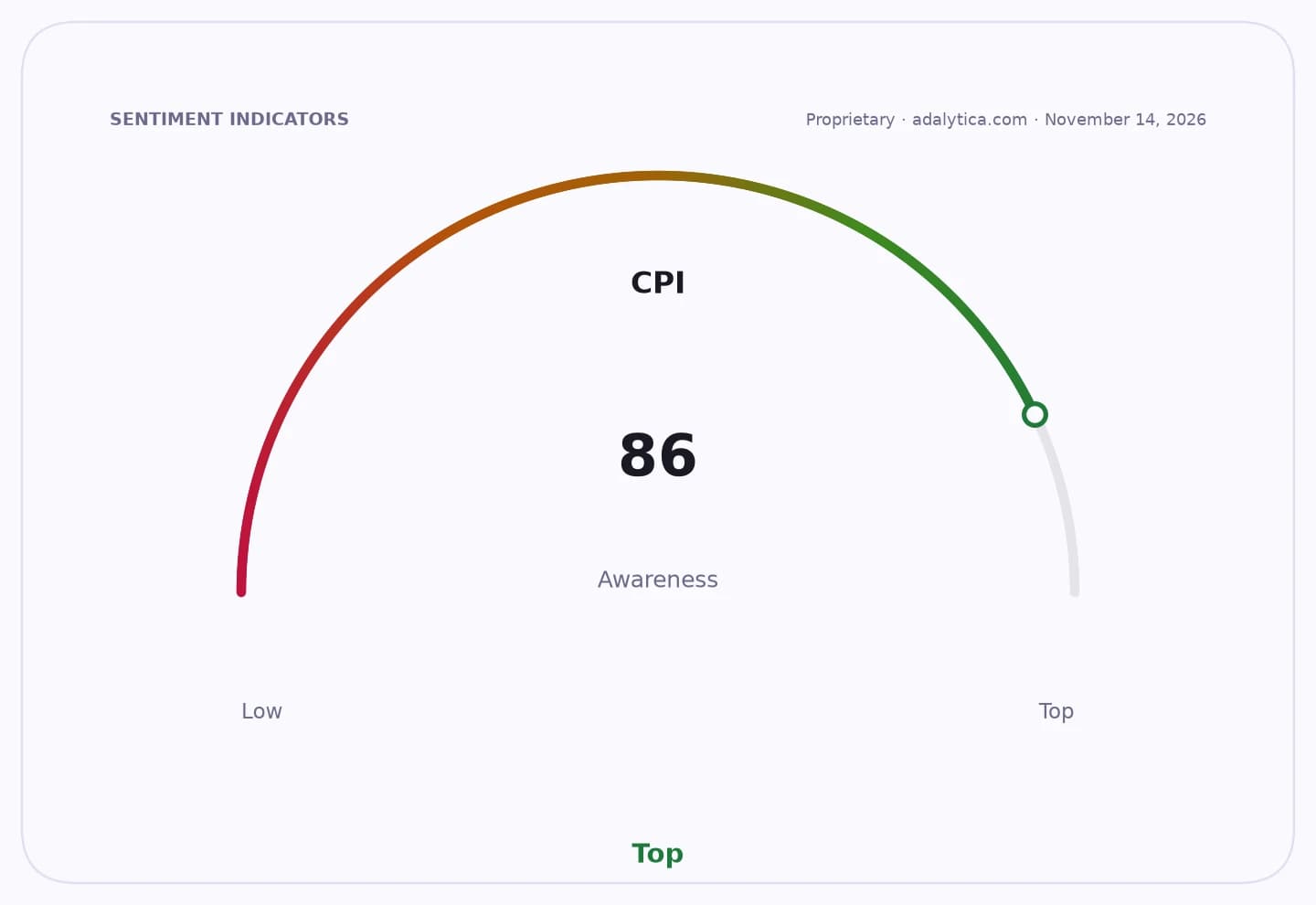
Sentiment Indicators
That matters because consumer firms in India have long leaned on premiumisation and volume growth to offset commodity swings. When inflation is persistent, the burden shifts from raw materials to demand: companies can raise prices only so far before households cut back, trade down or delay purchases. The result is a narrower path to margin protection, especially for mass-market categories where volumes are more important than pricing.
The pressure is visible in the broader economy. Moody’s raised India’s 2026 growth forecast to 7%, pointing to resilient consumption and investment, but that optimism comes with a caveat: growth is increasingly dependent on the same household demand that inflation is weakening. The Reserve Bank of India also faces a delicate balance. Continued price pressure limits room for easier policy, while a tighter stance risks adding strain to borrowers and discretionary spending.
A Mumbai increase in compressed natural gas prices by Rs 1.50 per kilogram is a small but telling example of how inflation feeds through transport and logistics costs, which eventually hit consumer goods companies, delivery networks and retail pricing. Even where energy costs are not surging as sharply as in some other markets, local cost increases can still compound the squeeze on families already stretched by food and essential purchases.
For investors, the key question is which companies can defend margins without damaging demand. Large branded consumer groups with stronger distribution, premium portfolios and procurement scale are better positioned than smaller rivals that rely on price hikes to offset costs. But if inflation persists and real income growth fails to keep pace, even category leaders may see slower volume growth and more pressure on earnings quality.
The near-term implication is that the market will focus less on headline inflation alone and more on how quickly it feeds into consumer behavior, company commentary and RBI policy. If price pressures ease, consumer stocks could regain support from improving volumes. If they do not, the sector may face a prolonged period of subdued demand and selective margin compression.
| Entity | Gains | Losses |
|---|---|---|
| Large consumer firms | ▲Better scale to absorb costs | ▼Margin pressure persists |
| Households | ▲None from inflation | ▼Real purchasing power |
| RBI | ▲Stronger case for caution | ▼Less room to ease |
| Smaller consumer brands | ▲Potential pricing lag advantage | ▼Higher input-cost stress |