Britannia Industries is set to raise prices again as stubborn food inflation squeezes margins, even as the maker of Good Day biscuits says higher prices have not yet derailed rural demand.
Britannia Industries Plans More Price Hikes
For investors, that is the key tension in India’s packaged-food market right now: companies need pricing to protect profits, but they cannot push too hard in a market still anchored to the Rs 5 and Rs 10 price points that dominate everyday purchases. Britannia has already raised prices 3.5% in the September quarter, but said that only partly offset higher costs across palm oil, milk, sugar, packaging, wheat flour and fuel.
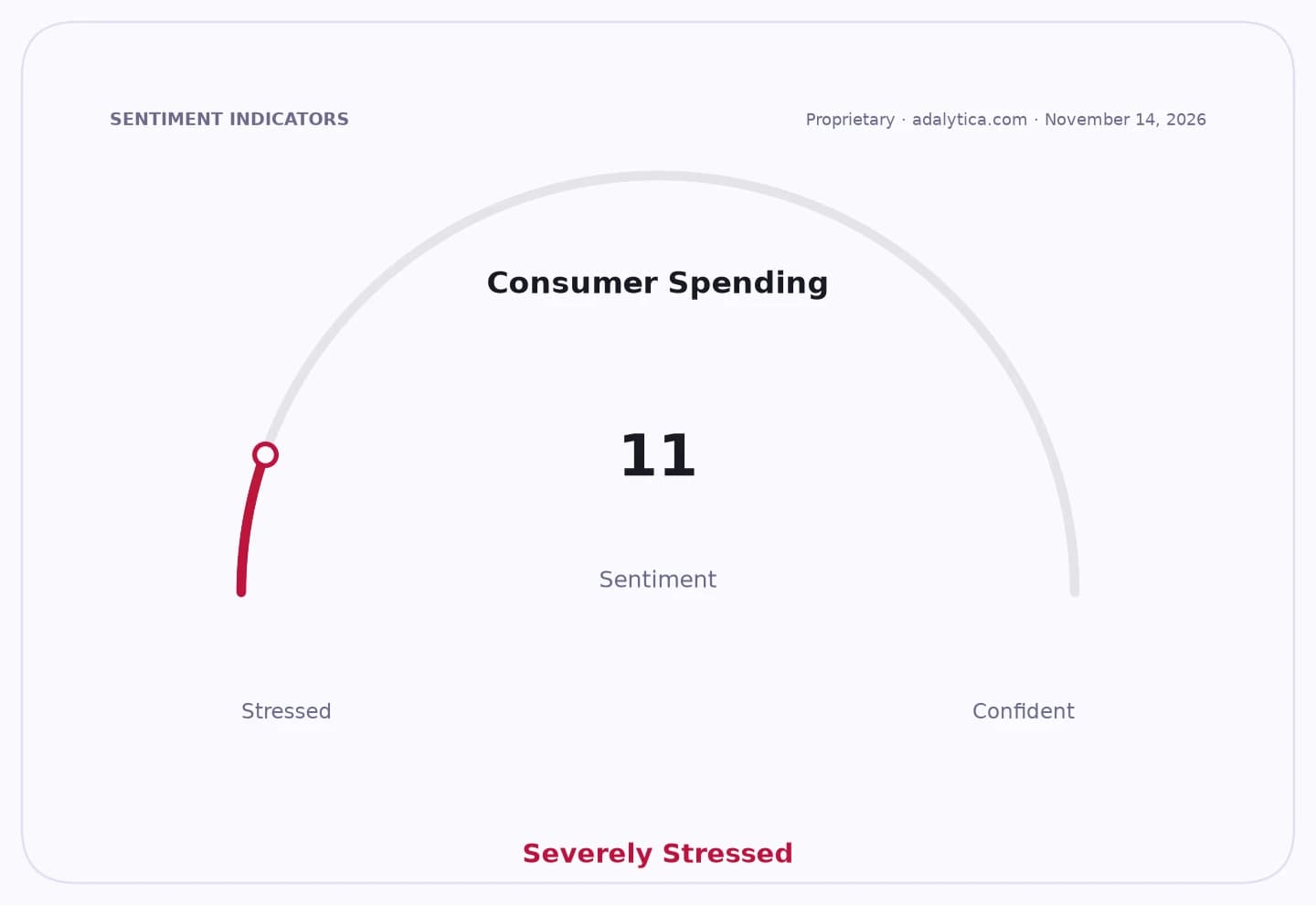
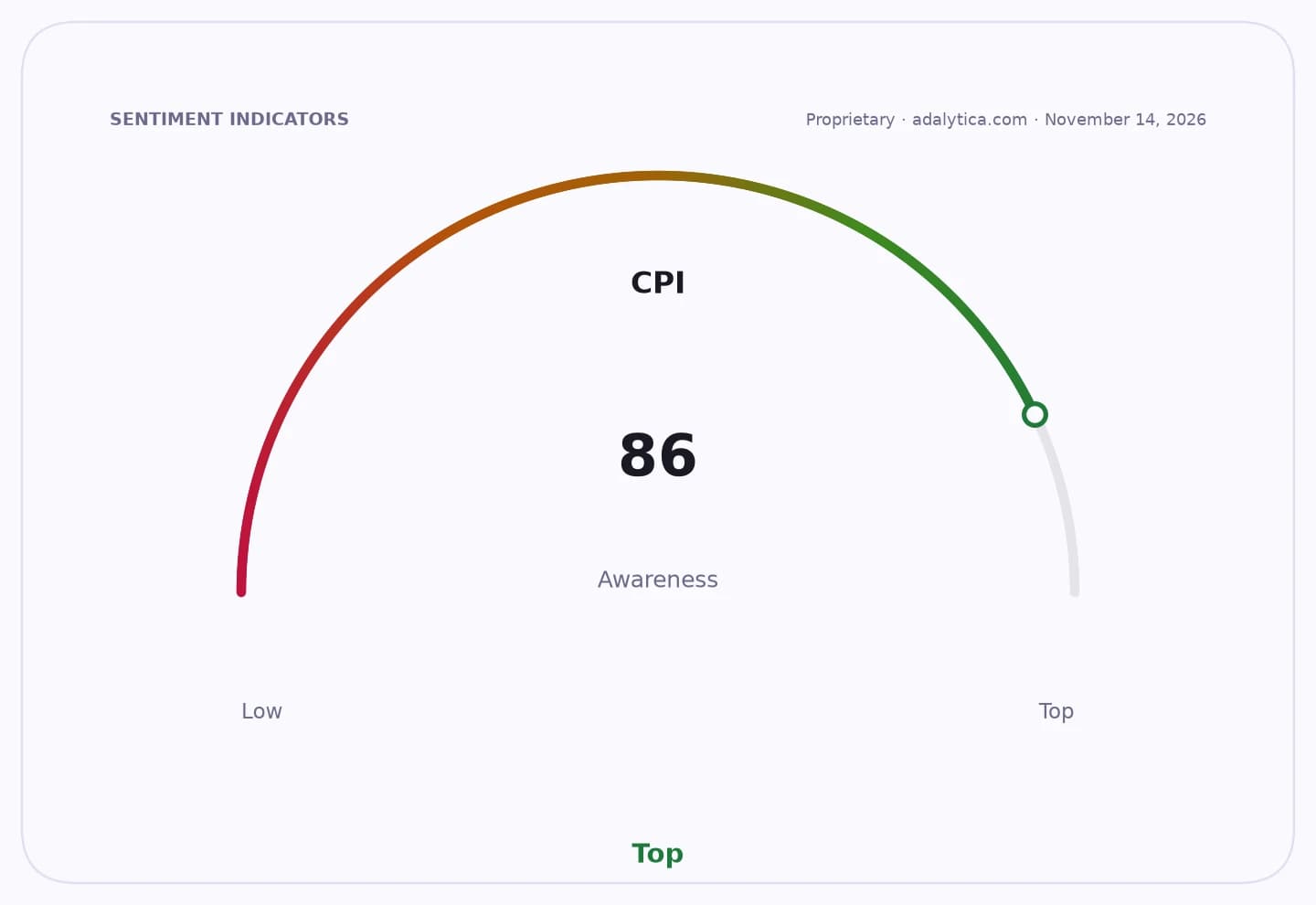
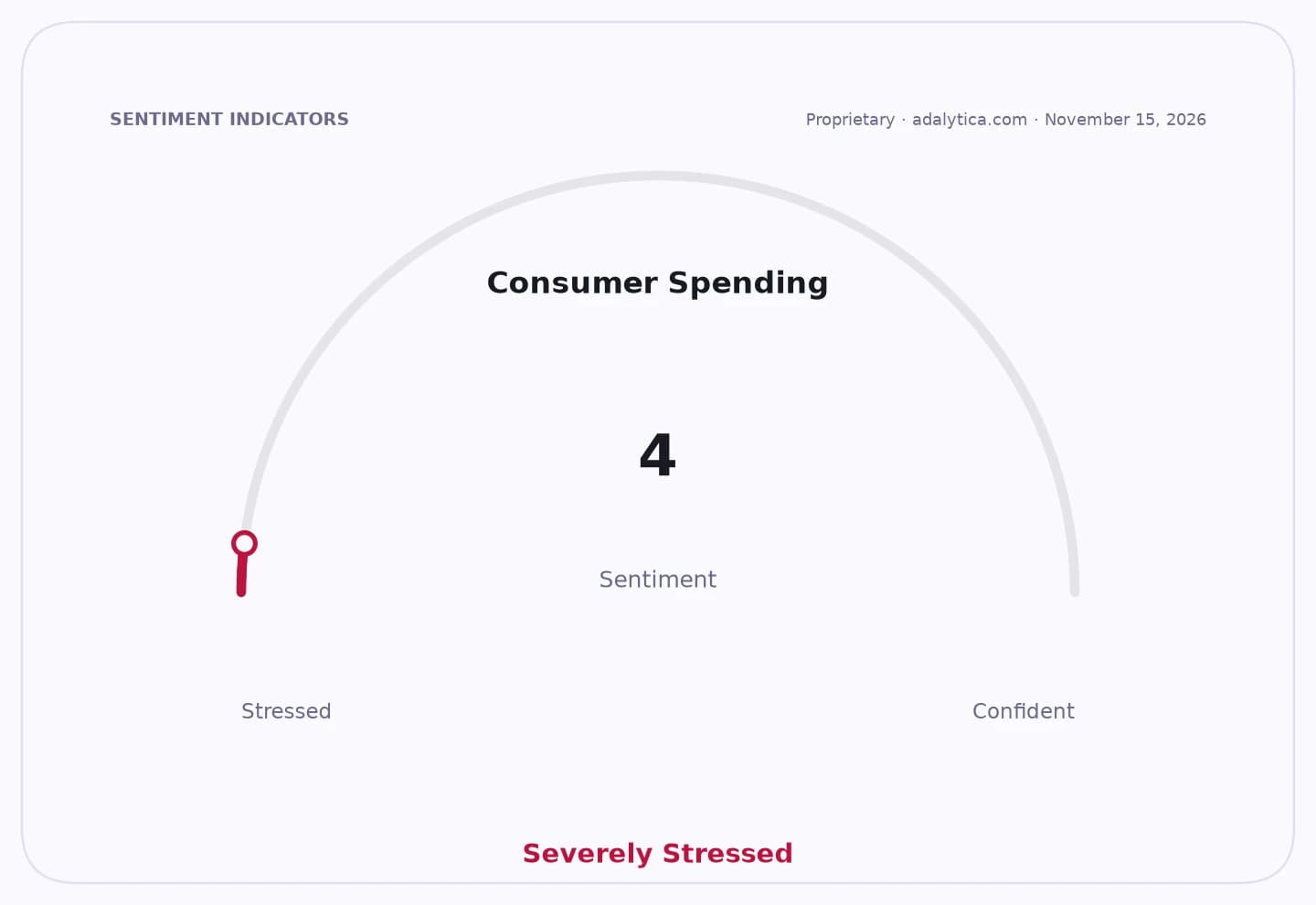
Sentiment Indicators
The pressure on costs is broad-based and unhelpful. Refined palm oil prices are up 17% from a year earlier, milk 16%, sugar 6% and packaging laminate 18%, while fuel costs were 45% higher. That kind of inflation matters because biscuits and other staple foods are low-margin, high-volume products: even modest commodity swings can quickly eat into earnings unless companies can pass them on.
Britannia’s answer is to keep nudging prices higher while leaning on distribution and brand strength. Management said the company has regained shelf space and seen sequential market-share gains across several biscuit categories, helped in part by stronger state-level execution under its “winning in many Indias” strategy. Importantly, it said the improvement was being driven by real consumer demand rather than retailer restocking.
CPIAUCSL vs PPIACO — macro contextadalytica.com
Explore this data interactively — full history, time series and cross-market comparisons.
That distinction matters. If sales are genuine, then rural demand is holding up despite price increases, which is encouraging for a category that depends heavily on mass-market consumption. It also suggests Britannia may be able to defend revenue growth without sacrificing too much volume, a balance that can support free cash flow over time.
Still, competition is sharpening. Regional players are pushing harder, and Reliance Industries has begun selling biscuits in Tamil Nadu, underscoring how even entrenched packaged-food brands face new rivals. For a company like Britannia, the risk is not just slower volume growth, but the possibility that repeated price hikes eventually hand share to lower-priced competitors.
The bigger investment takeaway is that Britannia remains a classic inflation-and-consumption story. If food costs stay elevated, pricing will remain necessary, and if rural demand stays resilient, the company can preserve its long-term brand moat. That makes the stock worth watching for investors who want steady compounders in India’s consumer space, but it also argues for patience: margin recovery in staples tends to come in steps, not straight lines.
| Entity | Gains | Losses |
|---|---|---|
| Britannia Industries | ▲Higher realizations | ▼Volume risk |
| Rural consumers | ▲Wider product access | ▼Higher biscuit prices |
| Competitors incl. Reliance | ▲Market entry opportunity | ▼Intense price competition |
| Investors | ▲Pricing power thesis | ▼Margin volatility |