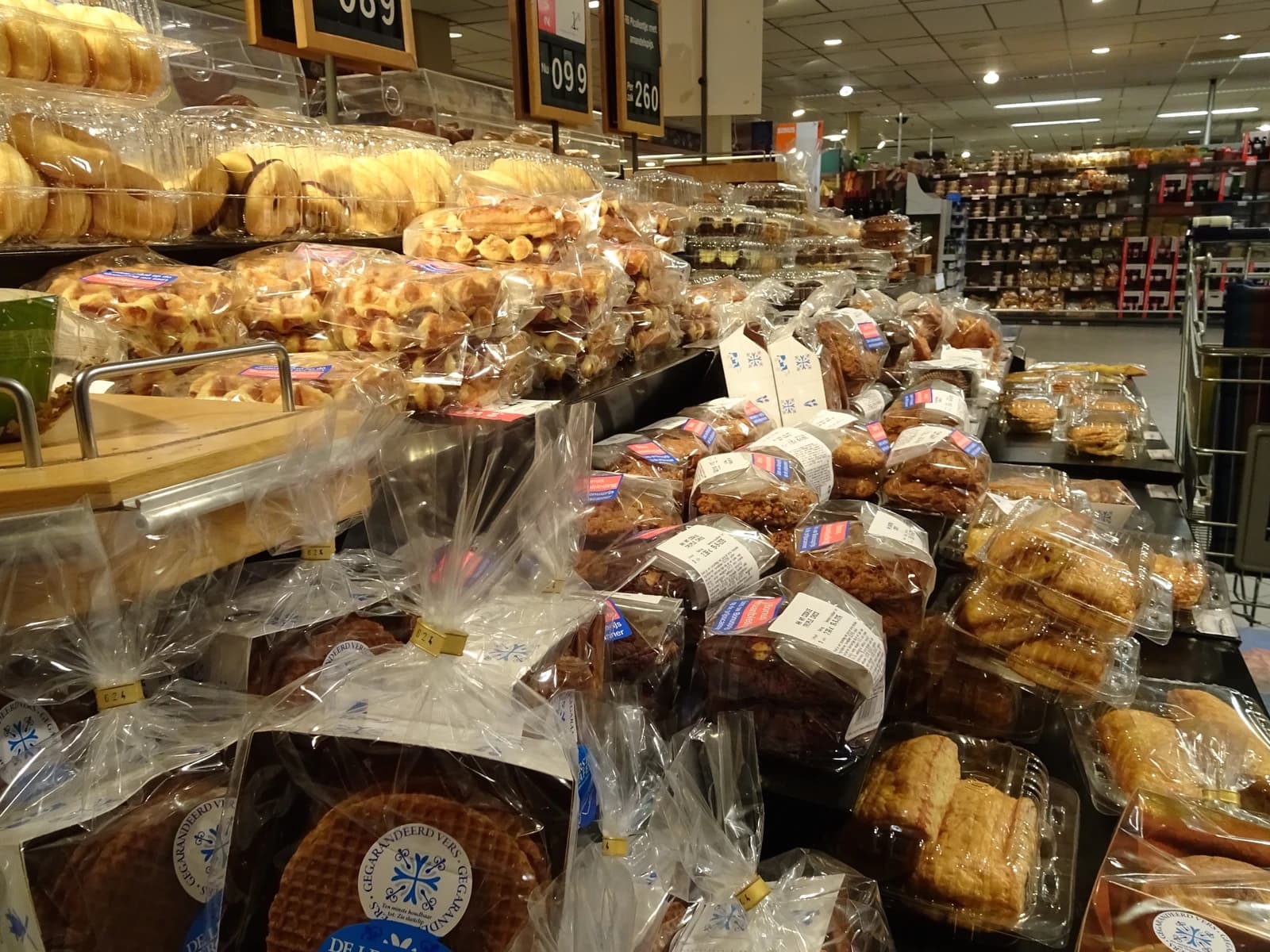
Groceries in France are likely to get more expensive from March, according to Coopérative U chief Dominique Schelcher, who says transport, packaging imports and wages are all pushing up costs just as annual price talks between retailers and food makers prepare to start.
France groceries may get more expensive in March
Consumer Spending
That matters because food has been one of the few areas where French consumers had seen some relief. Inflation in food was running at about 1.8% year on year in October, below the 3.4% headline rate, and Schelcher said the shopping basket had been broadly stable until now.
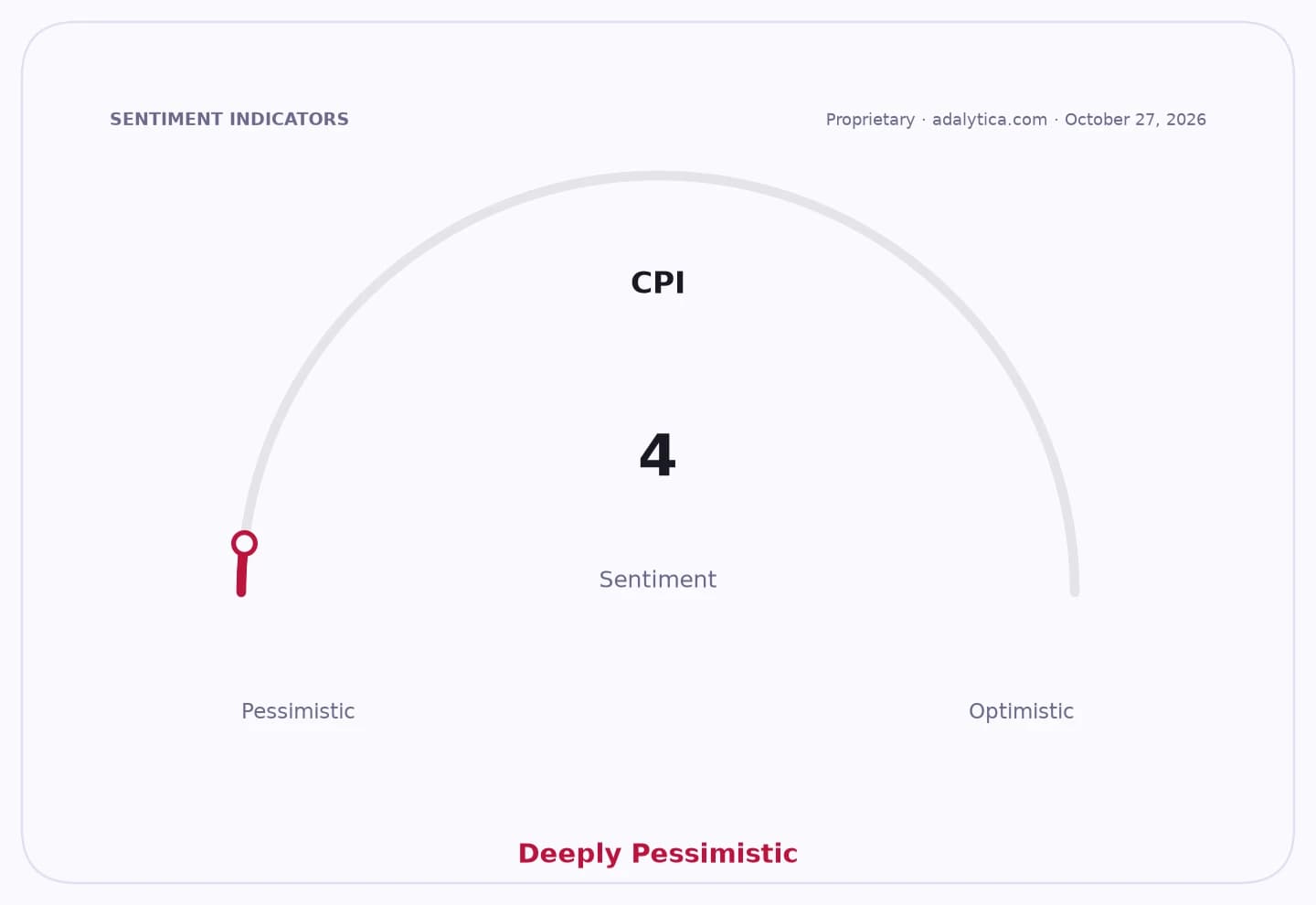
Sentiment Indicators
The warning lands ahead of the December 1 start of annual negotiations between supermarket chains and agrifood groups, a process that typically sets shelf prices for months ahead. But the talks are already beginning under strain, with several retailers — including Coopérative U — boycotting them over what they call a lack of transparency from manufacturers on pricing.
Schelcher argues that the summer heatwave and drought can justify higher prices for some fruit and vegetables, but not the broader round of requests coming from suppliers. Intermarché chairman Thierry Cotillard made a similar complaint, saying more than 15% of price-rise requests were false, including cases where product codes change after so-called innovations, making past prices harder to compare.
For investors, the issue is not just French grocery bills but the pressure it puts on retail margins, household purchasing power and food demand. A prolonged round of higher prices would squeeze already stretched consumers, with Schelcher saying nearly one in two French people is struggling to make ends meet and has limited room to absorb another increase.
Retailers such as Carrefour, E.Leclerc, Coopérative U and Intermarché may be forced to defend margins or absorb part of the shock if negotiations harden, while food manufacturers could face a tougher pricing fight if the boycott spreads. The market implication is straightforward: the next phase of French food inflation will be shaped less by the weather than by bargaining power.
| Entity | Gains | Losses |
|---|---|---|
| Food manufacturers | ▲Higher list prices | ▼Tougher retailer pushback |
| Supermarket chains | ▲Ability to resist unjustified increases | ▼Margin pressure if they absorb costs |
| French consumers | ▲None | ▼Higher grocery bills |
| Crop suppliers impacted by drought | ▲Justified price increases | ▼Weak demand if prices rise too far |