Walmart is pushing back against a Trump administration move to raise tariffs on $1.6 billion in annual Australian lamb imports, warning that new trade barriers would lift prices for US shoppers and squeeze supply rather than protect domestic ranchers.
Walmart Opposes Higher Tariffs on Australian Lamb
The world’s biggest retailer made the case in a submission to the US International Trade Commission ahead of a ruling due Friday, putting the sheep-meat dispute squarely on the trade agenda before Australian Prime Minister Anthony Albanese meets President Donald Trump in the Philippines next week. The timing gives Canberra an opening to argue that the issue is about consumer costs and food supply, not just farm policy.
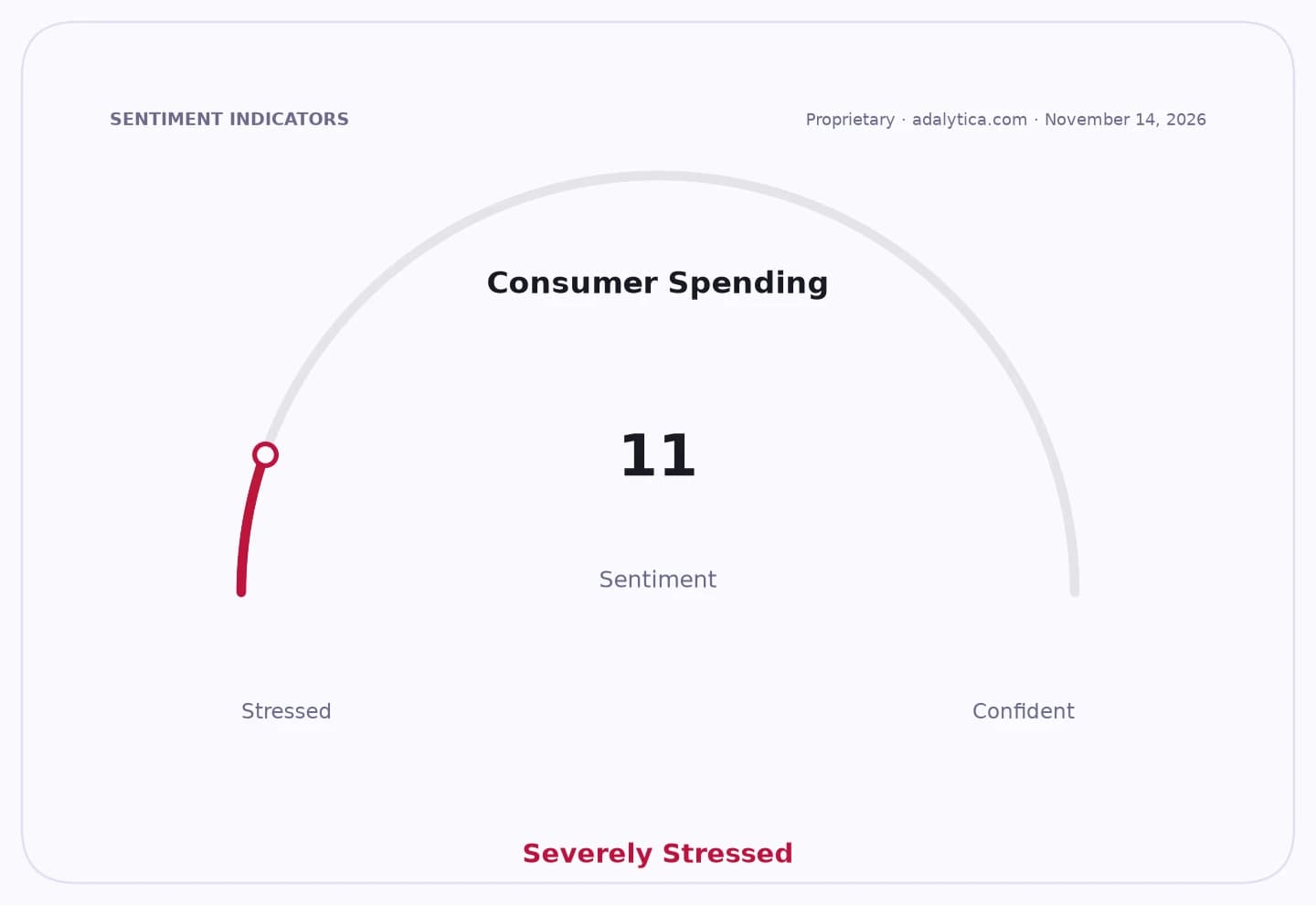
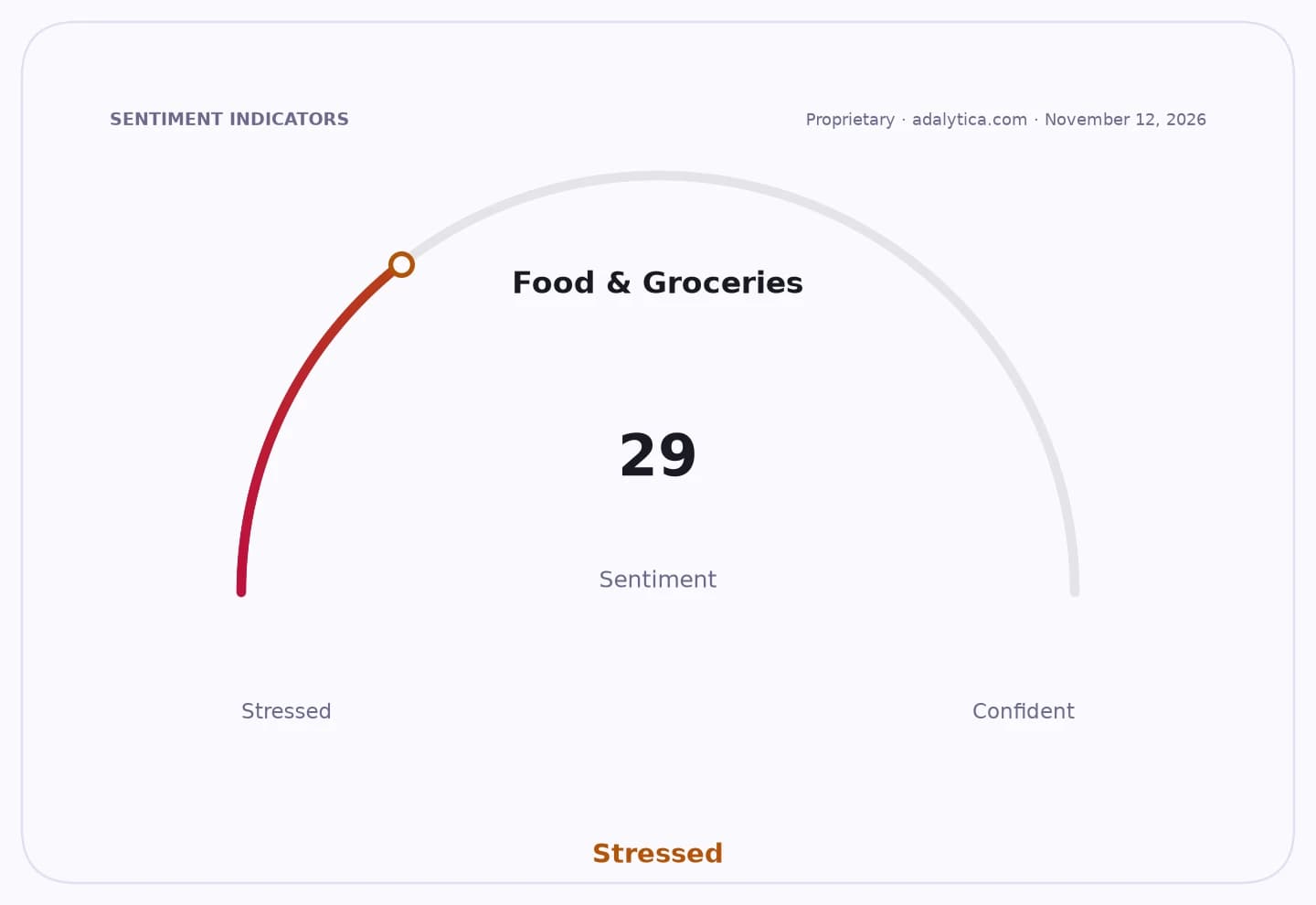
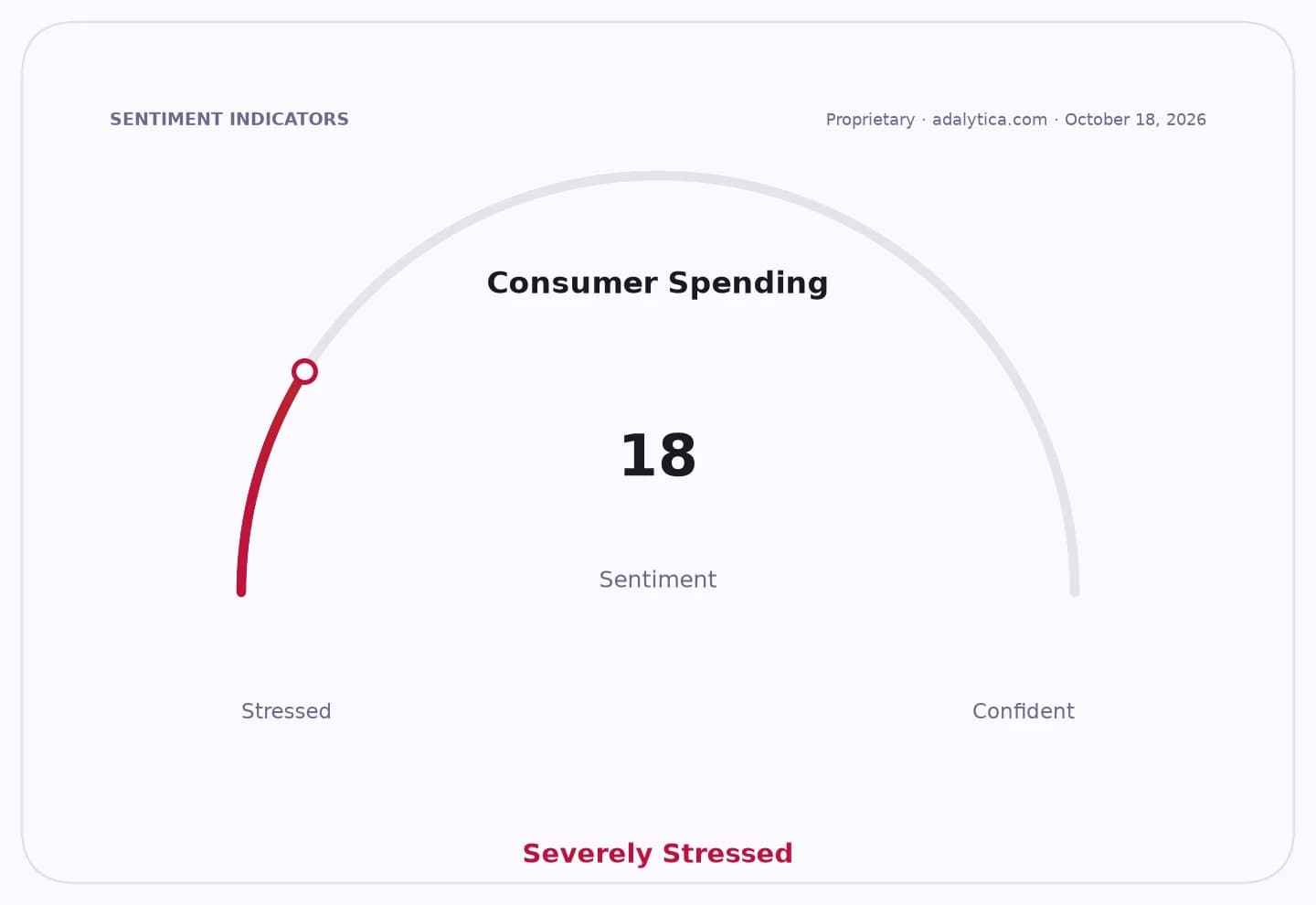
Sentiment Indicators
For investors, the stakes go beyond lamb. A tariff increase would add another friction point to already volatile US trade relations and could reinforce inflation pressure in a market still sensitive to imported food costs. Walmart, which has built its brand around low prices, is signaling that even niche agricultural tariffs can hit retailers’ margins, sourcing plans and customer demand if supply chains are disrupted.
Walmart said US producers had not shown evidence of injury severe enough to justify protection, arguing that penalising foreign supply would hurt consumers rather than revive struggling domestic output. The retailer also warned that barriers could disrupt supply chains and curb Americans’ “small but growing taste” for lamb cutlets and racks, a category that has expanded from a specialty purchase into a more mainstream supermarket item.
The dispute comes as the US administration leans more aggressively on tariffs as a negotiating tool, with wider implications for imported food, retail pricing and cross-border agricultural trade. Any escalation would be watched closely by grocery chains, importers and Australian exporters, while US ranchers would see a potential policy win if duties are approved.
The ITC ruling on Friday will determine whether the tariff threat advances, while Trump and Albanese are likely to face questions next week on whether the issue can be defused diplomatically before it becomes a bigger trade flashpoint.
| Entity | Gains | Losses |
|---|---|---|
| Walmart | ▲Lower import costs | ▼Margin pressure from tariffs |
| Australian lamb exporters | ▲Continued US access | ▼Tariff risk and lower sales |
| US ranchers | ▲Possible protection from imports | ▼Higher consumer prices backlash |
| US shoppers | ▲More stable meat prices | ▼Higher grocery bills if duties rise |