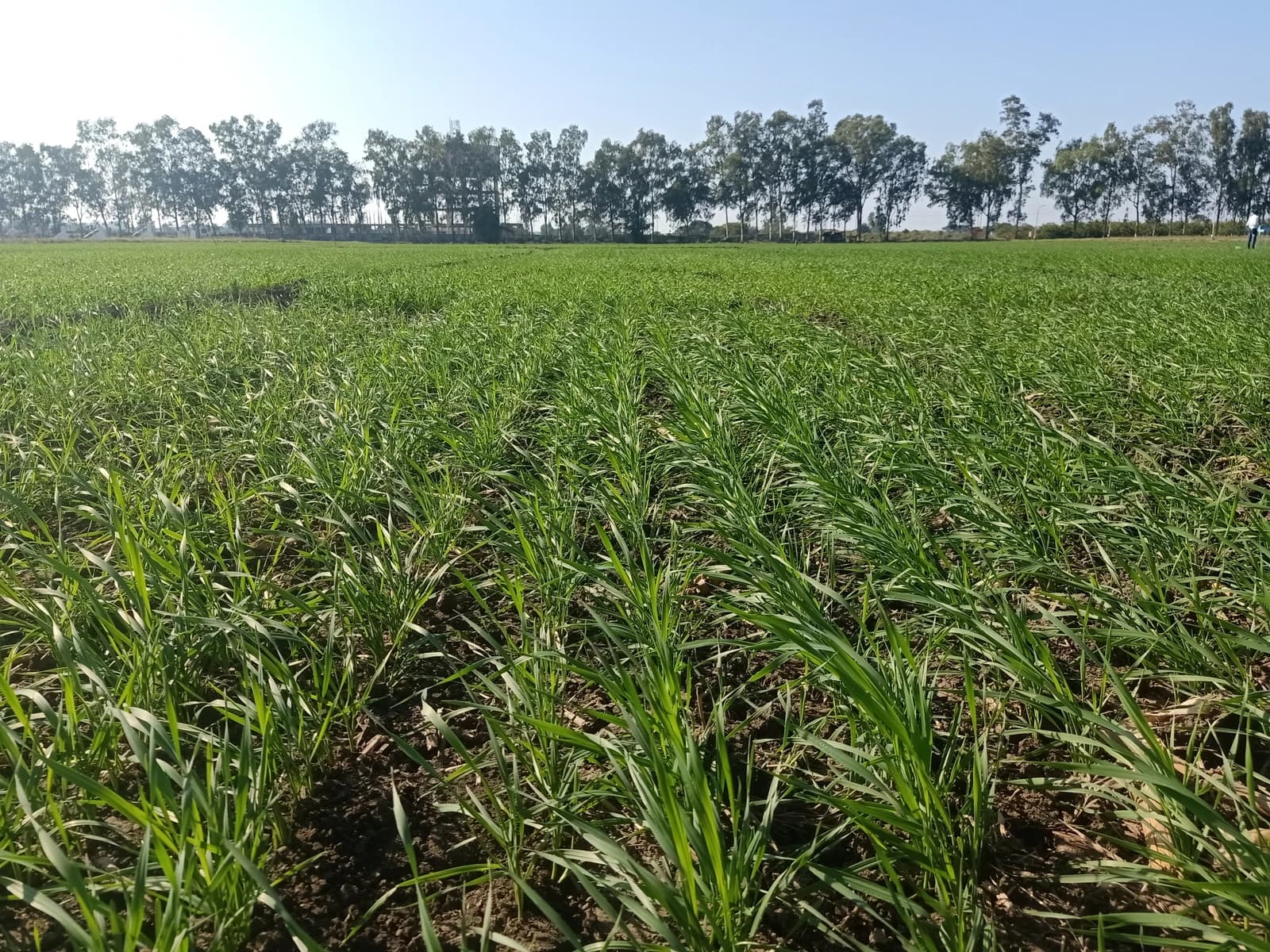
India’s wheat planting is running well behind last year, a supply setback that could ripple through food prices, millers and the government’s grain-management playbook if the lag is not recovered in the coming weeks.
India wheat planting lags last year on water stress
Wheat, the country’s main rabi crop, has been sown on 50.07 lakh hectares so far, down 15.27% from 59.10 lakh hectares a year earlier, according to the agriculture ministry. Overall rabi crop coverage has also fallen 11% from a year ago, underscoring that the weakness is not isolated to wheat.
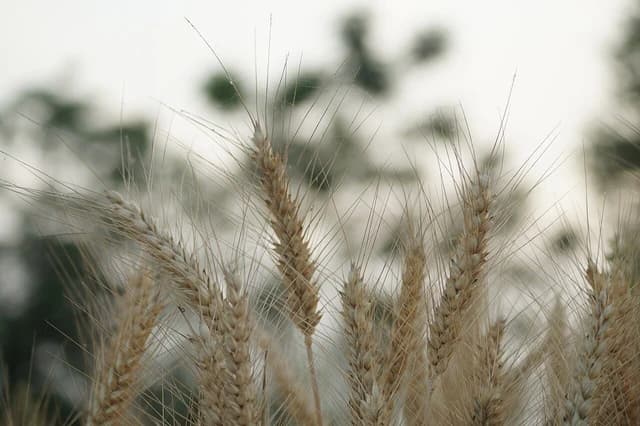
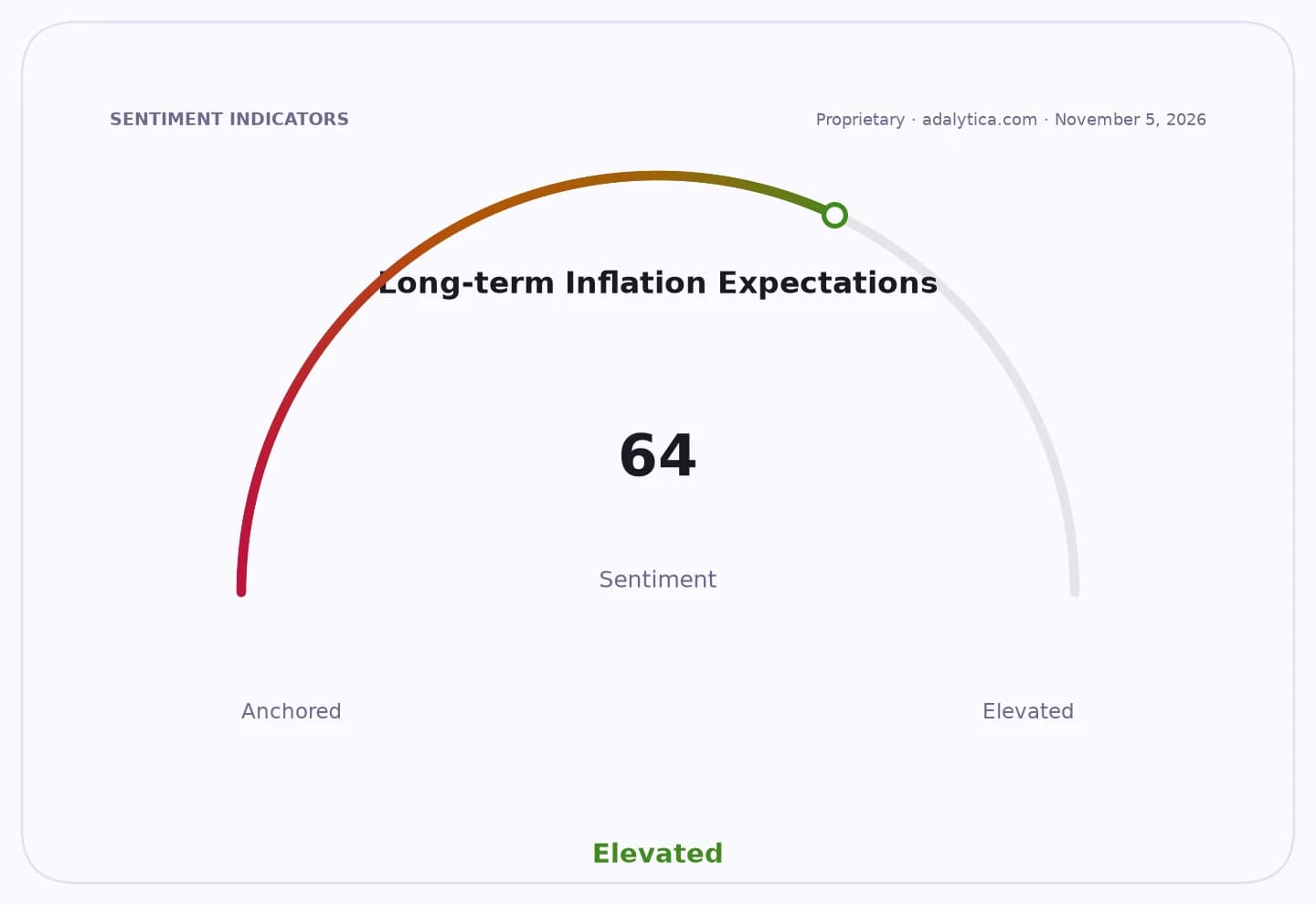
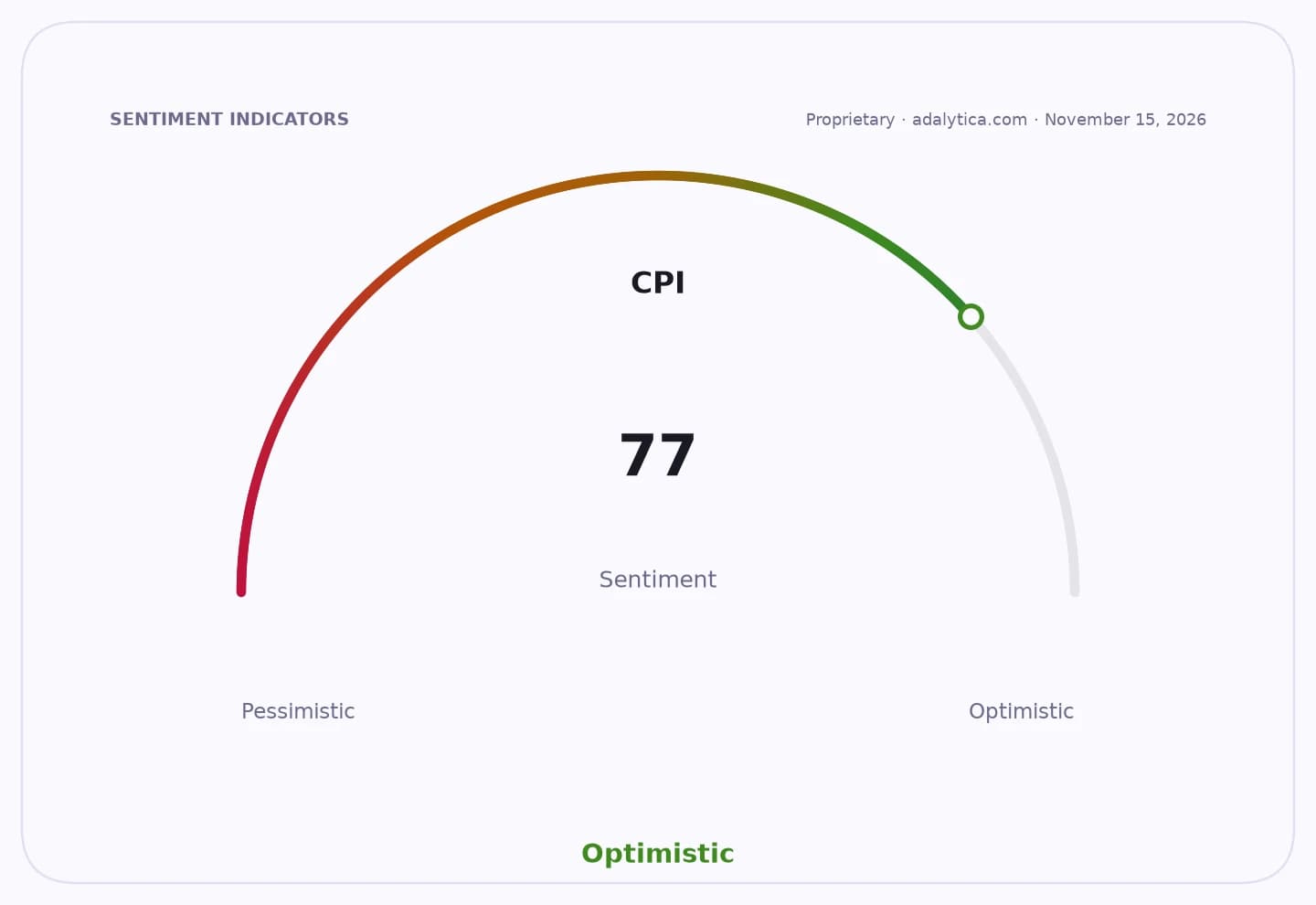
The immediate economic issue is simple: less acreage now means less production later unless farmers catch up sharply. That matters in a market where wheat is a staple input for flour, bread and packaged foods, and where any shortfall quickly filters into consumer inflation. India has spent years trying to keep food prices contained; a weaker wheat season makes that job harder and raises the odds of more intervention from New Delhi.
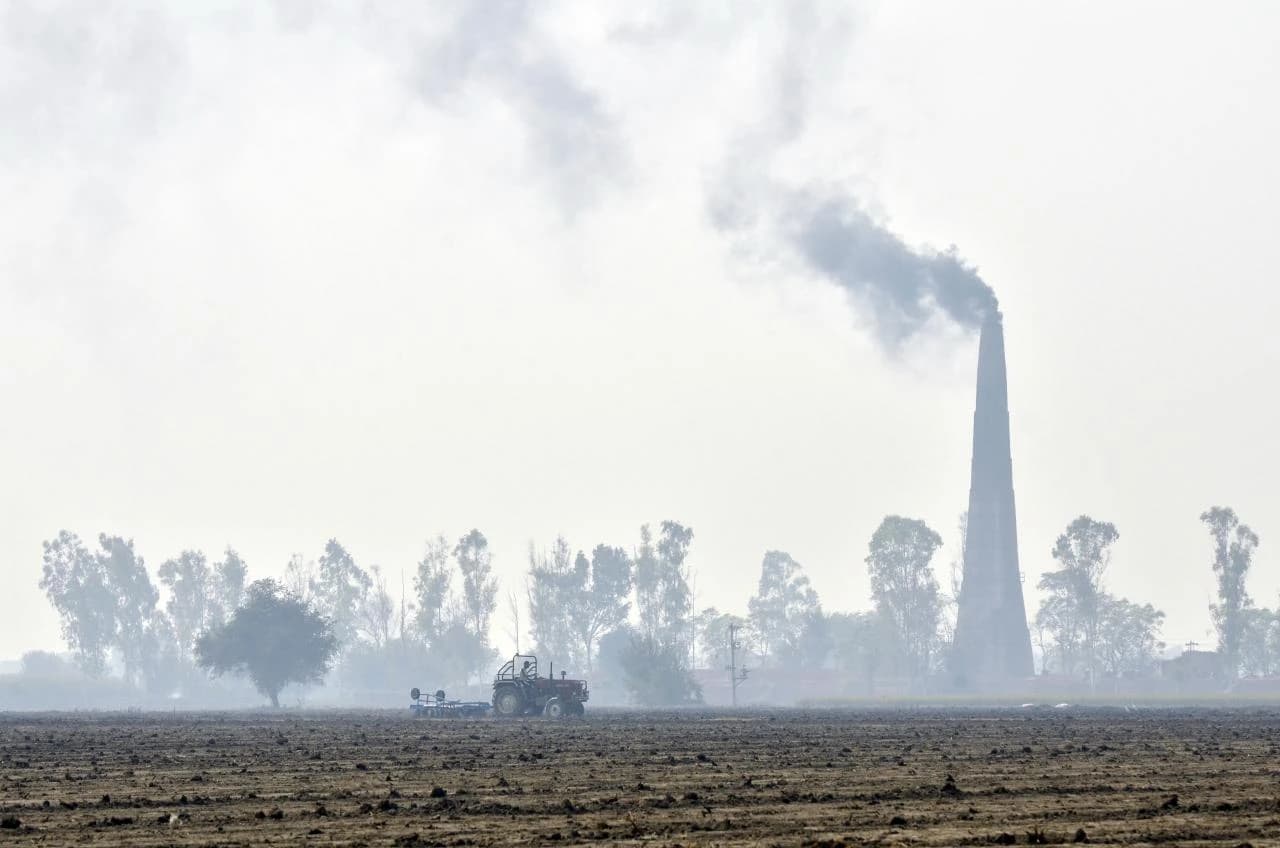
The planting slowdown reflects weather and water stress. India’s June-September monsoon was 13% below normal, leaving less residual soil moisture for sowing. Farmers are also facing weaker irrigation availability, with reservoir and canal levels below normal in key wheat-growing states. Wheat needs multiple rounds of irrigation after planting, so low water storage can suppress both planted area and eventual yields.
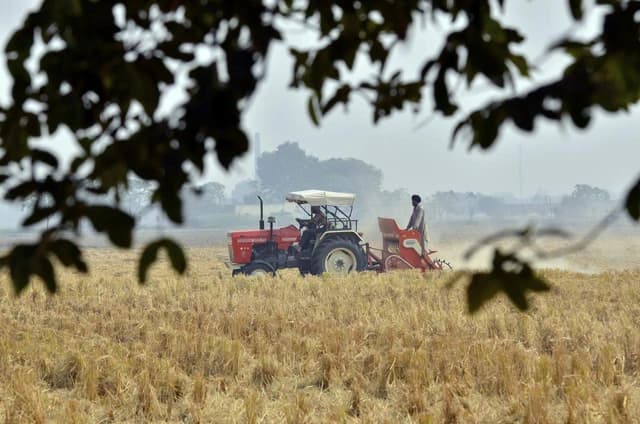
The Central Water Commission said live storage in 178 reservoirs stood at 163.055 billion cubic metres versus 257.812 BCM estimated to have been created in the country, highlighting the strain on the water system heading into the critical growing period. Pulses acreage has also slipped, falling 14.34% to 47 lakh hectares, which broadens the risk of tighter domestic food supply.
For investors, the message is less about one bad data point and more about a tightening agricultural backdrop that can support prices. The clearest listed beneficiaries are global grain traders and agri-commodity platforms that gain when supply uncertainty rises and price volatility broadens. In that context, funds such as Teucrium Wheat ETF, whose recent technical profile has improved above its 50-day moving average, and diversified commodities exposure through the Invesco DB Agriculture Fund can act as liquid ways to position for persistent food inflation risk. Corn has been more mixed, but the broader grain complex tends to reprice together when weather and water conditions deteriorate.
The bigger narrative is that India’s food system remains highly exposed to monsoon variability just as climate volatility and water stress become more frequent. If sowing does not recover quickly, the government may be forced to lean harder on imports, stock releases or price controls to protect consumers. That is the inflection point investors should watch: not just a smaller wheat crop, but a stronger policy response and a firmer grain market into 2027.
| Entity | Gains | Losses |
|---|---|---|
| Global grain traders | ▲Wider trading spreads | ▼Less volatility if sowing recovers |
| Wheat bulls / ag ETFs | ▲Higher price support | ▼Relief rally if acreage rebounds |
| Indian consumers | ▲None | ▼Higher flour and food prices |
| Indian millers / bakers | ▲None | ▼Tighter supply, margin pressure |