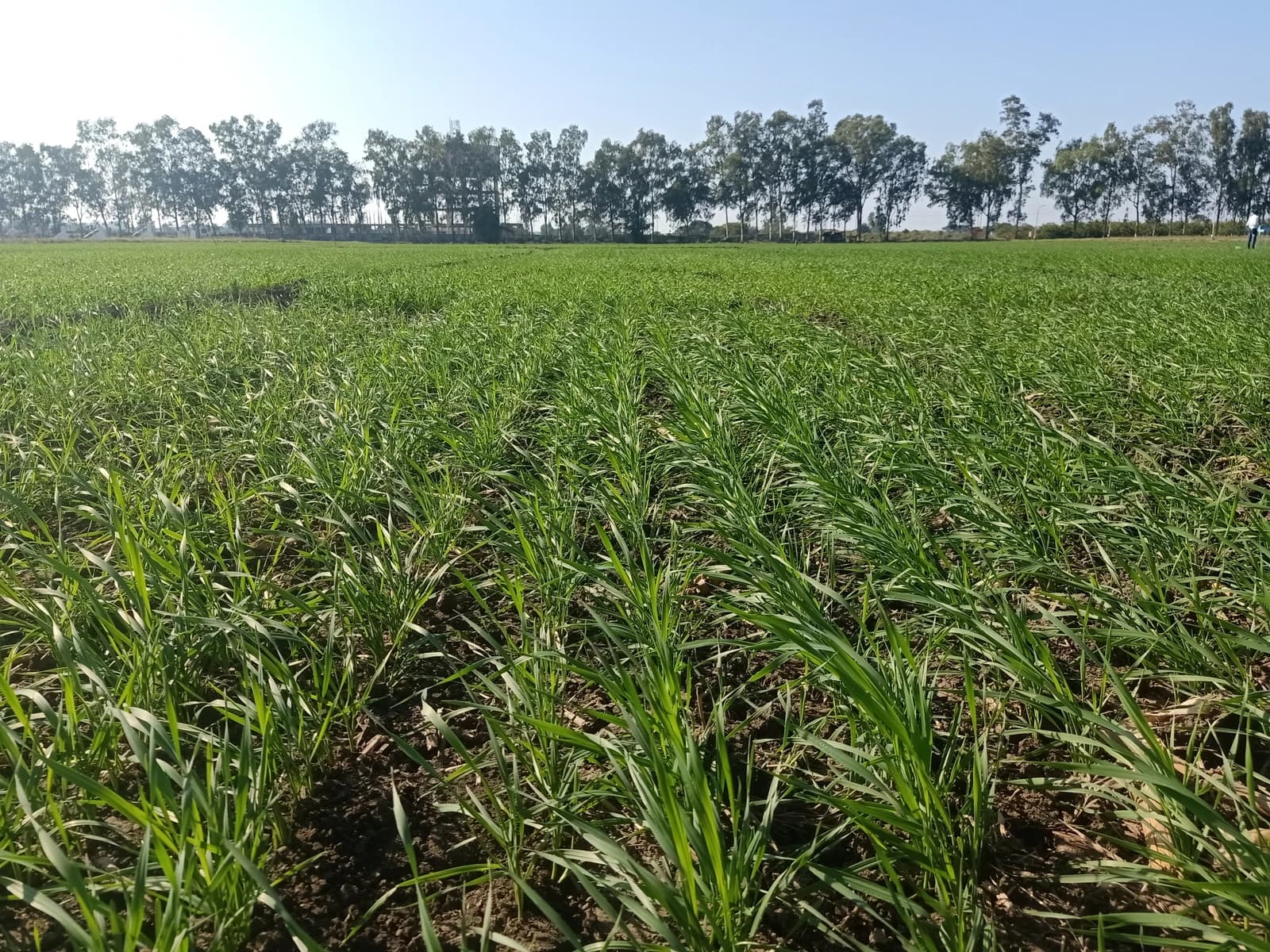
Sharbati wheat in Sehore is changing hands at about ₹36 a kilogram, but the broader wheat market is softening as global supplies improve and Chicago futures slide, a shift that could squeeze local sellers even as buyers face uneven regional pricing.
Wheat Prices Fall as Global Supply Improves
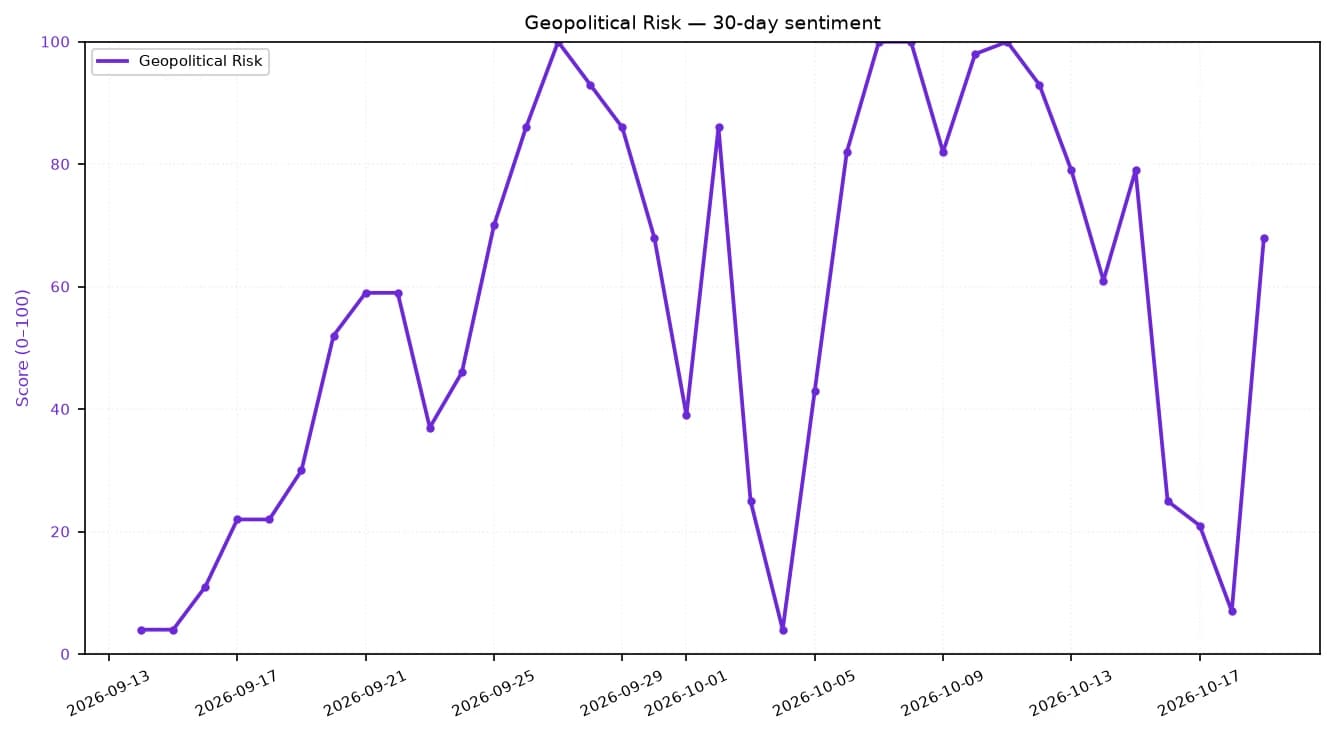
The key driver is a recent drop in wheat futures to the lowest levels since early August, helped by expectations of larger exports from Russia and Ukraine and by easing geopolitical risk around the Black Sea trade route. That matters because wheat is still a globally priced staple: when benchmark futures fall, cash prices and farmgate sentiment in producing regions often follow, even if local retail prices remain sticky.

For investors, the signal is not just about one market or one village. It points to a cooler backdrop for agricultural commodities after months of volatility, with implications for grain merchants, food processors and funds tracking broad ag baskets. The latest price action in the Teucrium Wheat Fund shows the tension clearly: after trading as high as 26.96 on Sept. 8, the ETF slid to 22.84 on Oct. 22, below both its 50-day moving average and its 200-day moving average, while RSI fell to 24.4, a level that typically reflects oversold conditions.
Corn and the broader agriculture complex have also weakened, reinforcing the idea that recent supply improvements are not just a wheat story. Corn slipped to 17.78 on Oct. 22 from 20.27 a month earlier, while the Invesco DB Agriculture Fund fell to 27.92 from a September high of 29.32. For buyers, that can eventually mean relief on feed and flour costs; for producers, it can translate into thinner margins and more pressure to move inventory.
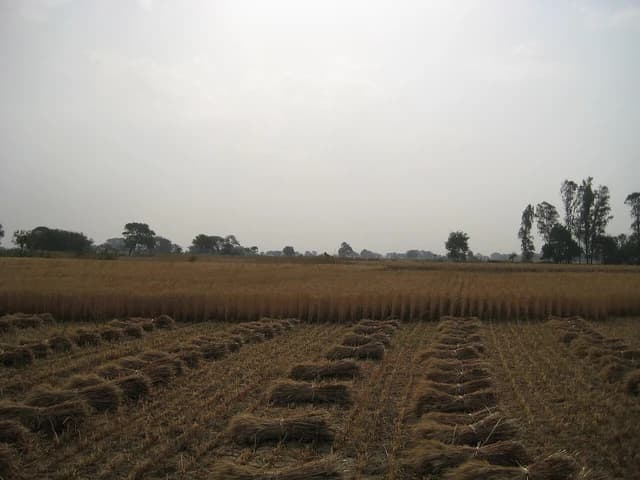
The regional picture remains uneven. Libya has reported lower flour prices on improved wheat stocks, while Balochistan is dealing with depleted reserves and surging flour costs. That split underscores how global easing does not automatically translate into lower prices everywhere, especially where logistics, state stocks and policy intervention shape the local market.
For Sehore’s wheat sellers, the next test is whether the softer global tone filters through to mandi prices over the coming weeks. For investors, the focus will be on any fresh supply shock, Black Sea export disruption or policy response that could reverse the recent decline in grain prices.
| Entity | Gains | Losses |
|---|---|---|
| Flour buyers | ▲Lower input costs | ▼Less urgency to stockpile |
| Wheat sellers in Sehore | ▲Ability to sell at current local price | ▼Weaker pricing power if global wheat stays soft |
| Grain traders / ag funds | ▲Volatility trading opportunities | ▼Long positions in wheat and corn |
| Food processors | ▲Potential margin relief | ▼If local prices remain sticky, savings lag |